
What exactly counts as a major road where e-bikes are prohibited?
Government crackdown on e-bikes on major roads starting Dec. 1, 2025

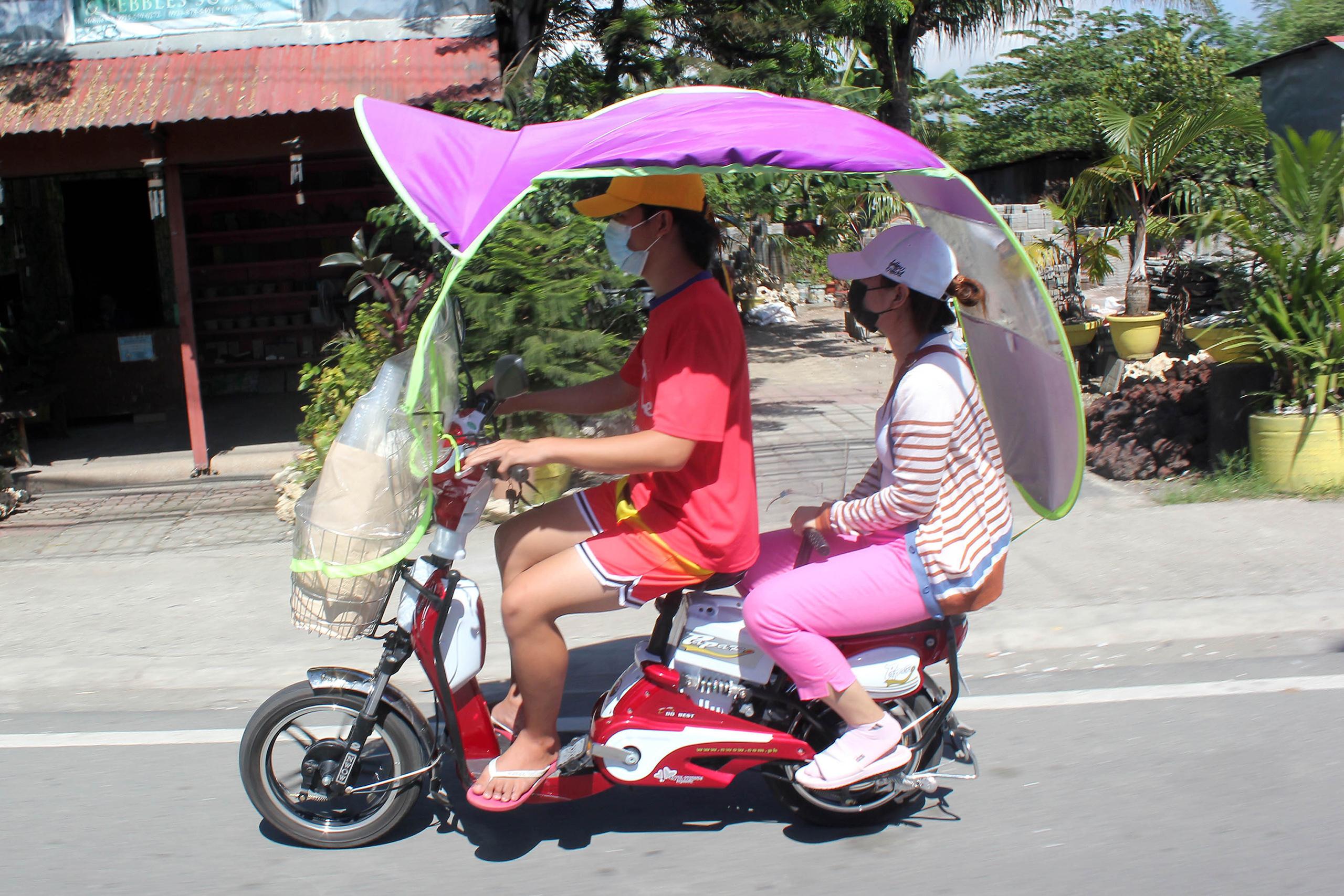
Update: LTO Asec. Marcus Lacanilao clarified that the e-bike crackdown starting December 1 will focus on those being operated along National Highways. Click here for the full story.
For many Filipinos, e-bikes have become an affordable and practical mode of transportation, one that’s even used for small businesses, daily deliveries, and even as last-mile public utility vehicles. In everyday language, “e-bike” has become a catch-all term for Light Electric Vehicles (LEVs), covering everything from e-scooters and e-bicycles to e-motorcycles, e-trikes, and even compact electric four-wheelers.
Because these vehicles are easy to acquire and often require little to no registration or licensing, they’ve rapidly multiplied on public roads. Many are operated by individuals, sometimes even minors, who have a minimal understanding of basic traffic rules. As a result, e-bikes have increasingly become a serious road safety concern.
Recently, during the Senate deliberation on the Department of Transportation’s (DOTr) 2026 budget, the issue took center stage. Senator JV Ejercito announced that the DOTr has agreed to finally regulate these vehicles, with the Land Transportation Office (LTO) committing to launch a crackdown starting December 1, 2025, specifically targeting e-bikes operating along major roads.
Now, if you’re an e-bike user, the big question is: “So what exactly counts as a major road?”
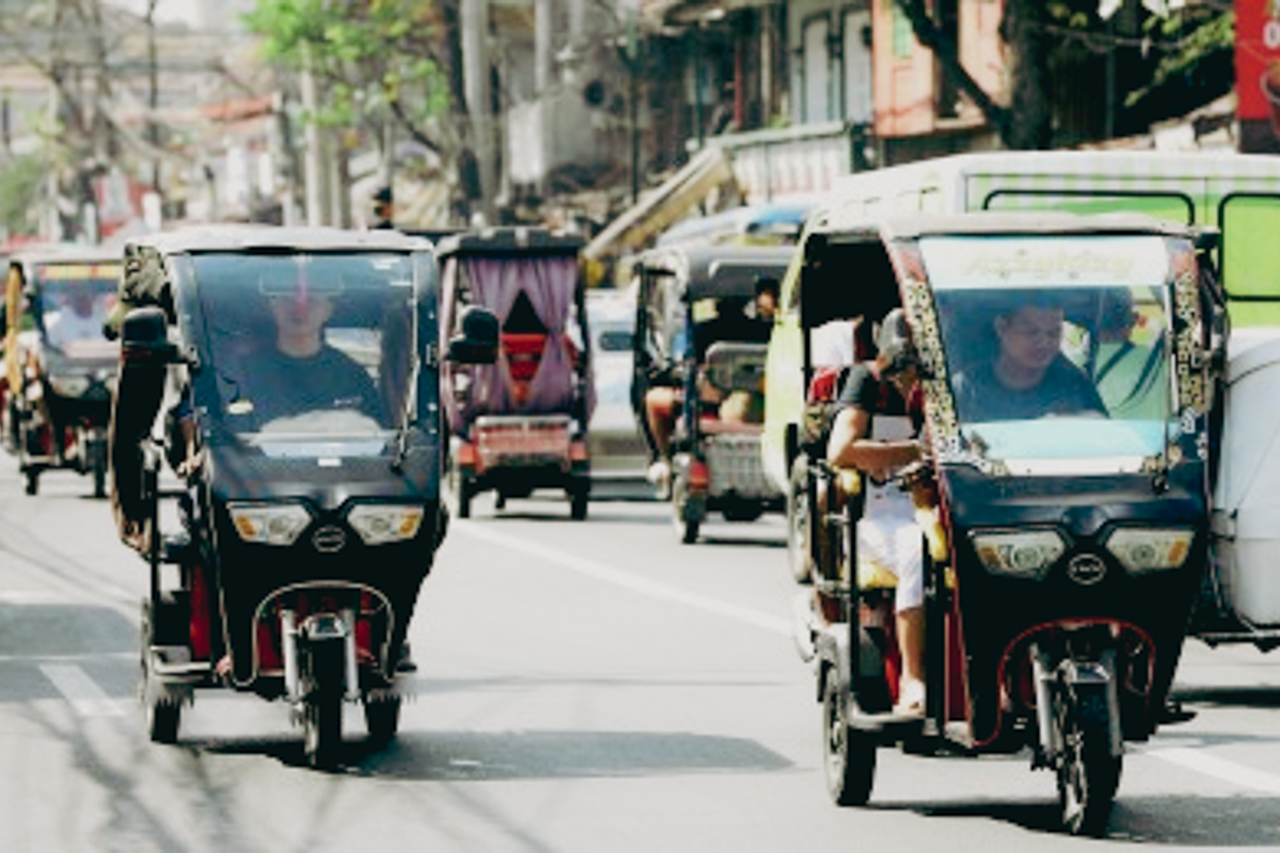
Road classification in the PH
In the Philippines, the classification of public roads is formally defined under Executive Order No. 180 (s. 1948) and Executive Order No. 71. In simple terms, these issuances specify minimum right-of-way (total width) for each class of road: at least 20 meters for National Roads, 15 meters for Provincial Roads, and 10 meters for Municipal Roads.
Additionally, when the DPWH talks about “major roads,” they’re referring to National Roads, especially the Primary highways that serve as our main trunk lines, and the Secondary roads that connect cities, ports, and other key infrastructure. These routes are maintained by the DPWH and follow national standards, which is why they fall under stricter rules for enforcement and traffic regulation. So, when someone says “major road,” they usually mean a roadway that’s part of this national network, not just an ordinary local street.
In Metro Manila, for instance, a road is often treated as a “major road” when it carries heavy traffic volume throughout the day. The simplest reference point is the MMDA’s list of roads covered by the No-Contact Apprehension Policy (NCAP), which generally includes the region’s busiest and most critical thoroughfares. These include:
Recto Avenue
Paz Mendoza (Otis)
Pres. Quirino Avenue
Araneta Avenue
EDSA
C.P. Garcia Avenue (C-5)
Katipunan Avenue
Tandang Sora
Roxas BLVD
Taft Avenue
South Super Highway
Shaw BLVD
Ortigas Avenue
Magsaysay BLVD
Aurora BLVD
Quezon Avenue
Commonwealth Avenue
A. Bonifacio
Rizal Avenue
Delpan
Marcos Highway
MacArthur Highway (up to Valenzuela)
Take note, however, that as of this writing, the DOTr, LTO, and MMDA have yet to release the full details of their upcoming e-bike (LEV) crackdown starting Monday, December 1. Key questions remain unanswered, such as which specific types of LEVs will be covered, whether Personal Mobility Devices (PMDs) are included, and whether the focus will be on all LEVs, or only those being used as illegal PUVs.
Related Posts
Toyota PH launches T-OPT aftermarket brand at MIAS 2026
Toyota Motor Philippines officially introduces T-OPT, which is their latest premium regional aftermarket parts brand
MIAS 2026: GWM Tank 700 PHEV makes first overseas market debut in PH
The GWM Tank Hi4-Z PHEV arrives in PH just weeks after it debuted in the PRC
BYD “Drive Electric, Love Pinas” campaign sets two Guinness World Records
BYD and Department of Tourism’s “Drive Electric, Love Pinas” campaign makes it to Guinness World Records
Suzuki Philippines expands Laguna pre-delivery inspection facility
The upgrade lets SPH meet demand while upholding global quality standards
MIAS 2026: Geely PH previews EX2 EV to rival BYD Dolphin
Geely previews the EX2 at 2026 Manila International Auto Show; could start at PHP 950K
MIAS 2026: Jaecoo J5 HEV is priced to compete; starts at PHP 999K
OJPH wants to stir the B-SUV market with the J5 HEV