
After Ford, McLaren next to join Le Mans hypercar party?
McLaren Racing CEO Zak Brown teases possibility of brand’s return to top-flight sportscar racing

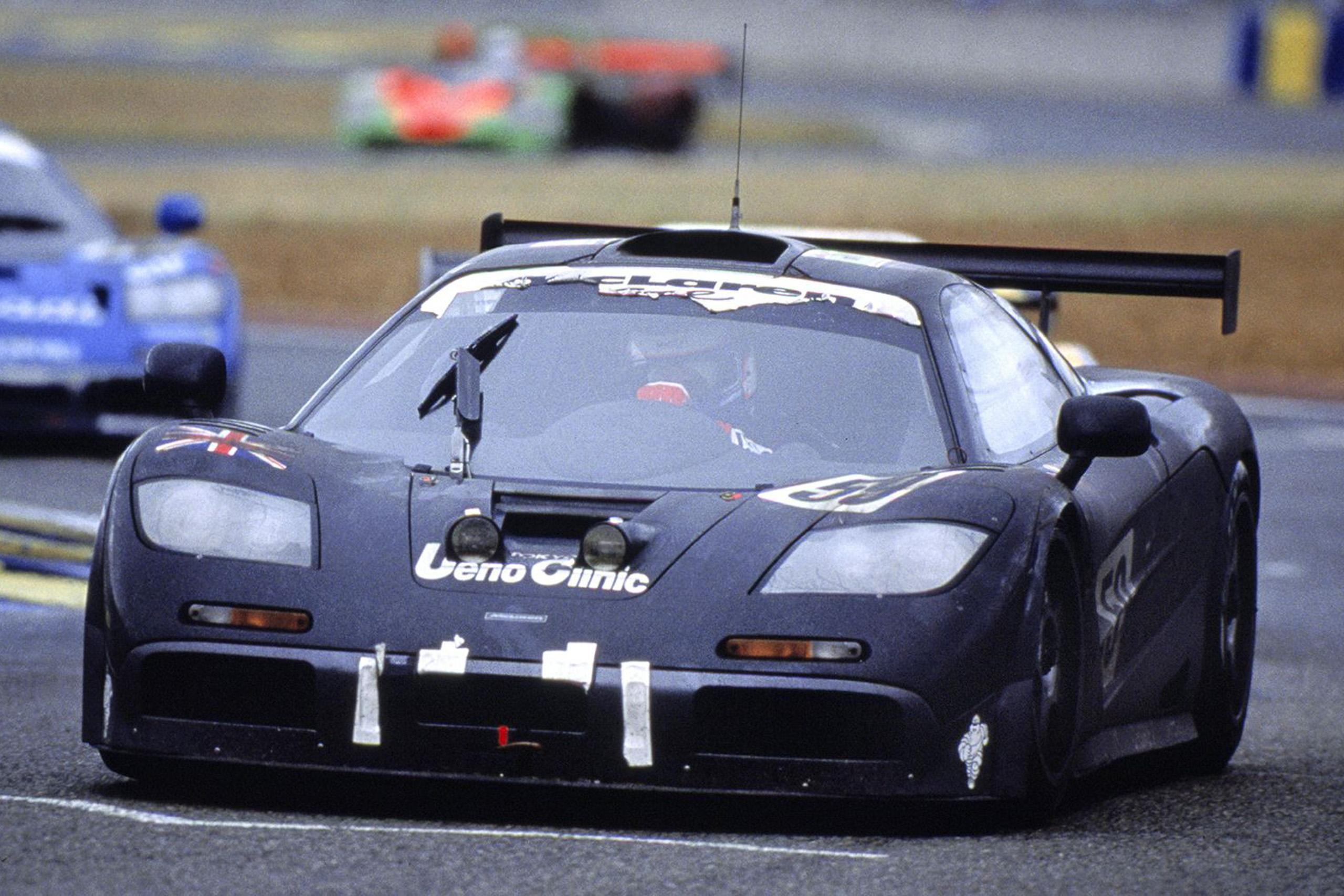
Nostalgia is such a powerful thing.
This year marks 30 years since the McLaren F1 GTR scored a surprise victory at the 24 Hours of Le Mans. Now it looks like they want to get that winning feeling again in the French enduro.
McLaren Racing CEO Zak Brown has teased the possibility of the historic brand entering the World Endurance Championship’s hypercar class and the IMSA Sportscar Championship in North America.
Brown was at the opening round of WEC in Qatar where the McLaren 720S GT3 Evo competed in the LMGT3 class, and stressed the importance of sportscar racing to the brand. Moreover, Brown has said that he will be at the Le Mans WEC round in June rather than the Formula 1 Canadian Grand Prix that will happen on the same weekend.
“That’s a priority for us,” said Brown. “We will have a nice display there in the Le Mans museum and hopefully we will have some exciting stuff to talk about.”
According to reports, McLaren could take the same route as Ford and Hyundai (under the Genesis name) to enter the WEC hypercar class using LMDh rules. Under those sets of regulations, they will use a spec chassis from an FIA-approved manufacturer along with a spec hybrid system but will have free reign in terms of the engine and bodywork. It’s a more cost-effective route compared to Ferrari’s LMH route where they developed everything in-house.
McLaren could have been influenced by FIA and ACO’s decision to extend the current hypercar ruleset until the end of 2029. Should they confirm their entry, they could have the car ready by 2027 and race for three seasons with the McLaren LMDh hypercar.
WEC is currently enjoying a warm reception for manufacturers to invest in, and we can see three things why – it’s more cost-effective, there’s a balance of performance between teams for closer competition, and there’s longer exposure in the broadcast of endurance races compared to Formula One.
Related Posts
2026 Makabayan Endurance Race Challenge Series Round 1 postponed
Makabayan Endurance Race Challenge Series organizers postpone 2026 4 Hour Kagitingan Cup to a later date
2026 Toyota GR Philippine Cup season put on hold due to fuel crisis
Toyota Motor Philippines announces TGR Philippine Cup events on hold until further notice
Fuel Crisis: AAP-sanctioned motorsport events in PH temporarily suspended
Motorsport events in PH sanctioned by AAP suspended after BBM declares state of national energy emergency
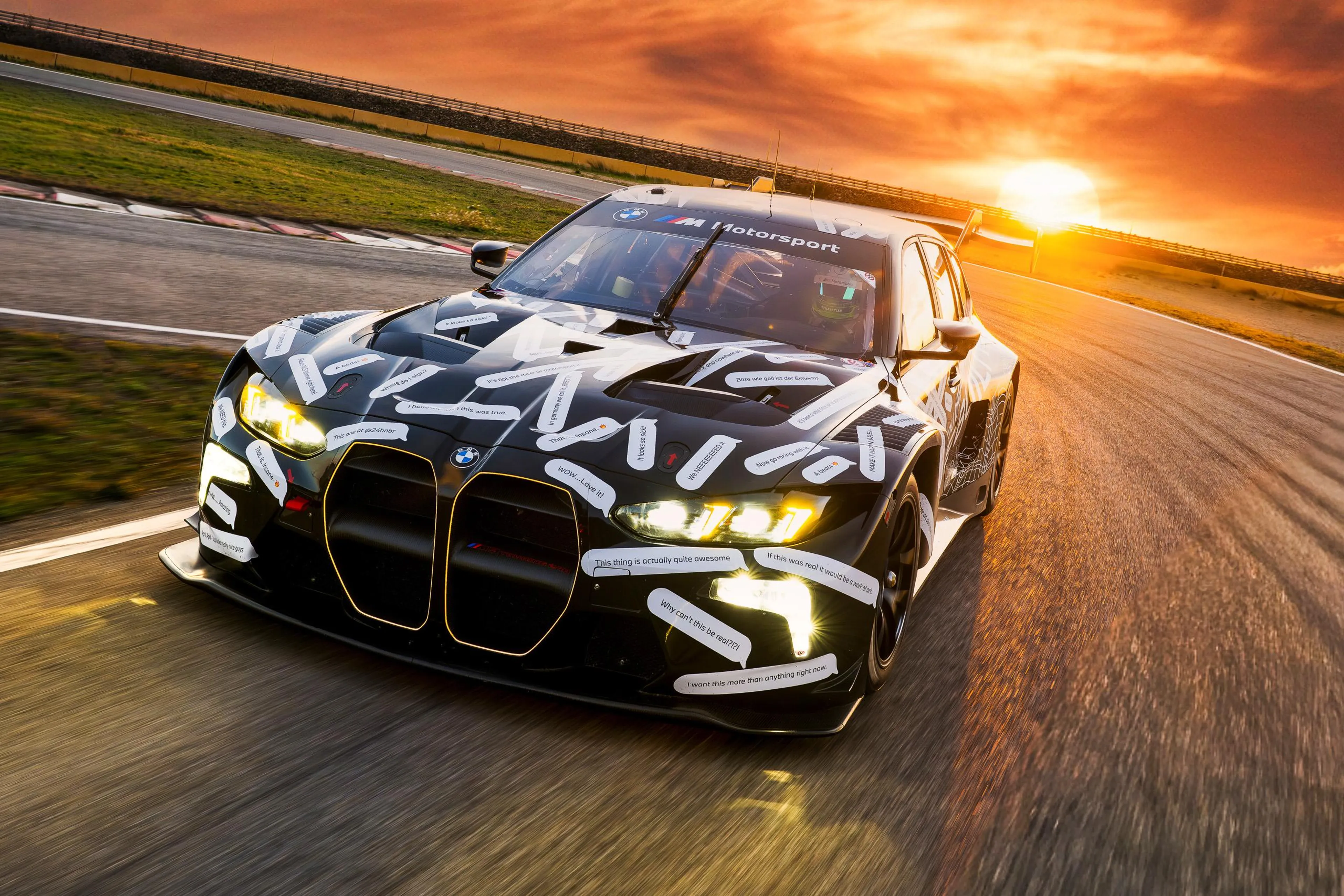
Not Kidding: BMW is racing an M3 Touring at 24 Hours of Nurburgring
After an overwhelming response from fans, BMW will indeed race an M3 Touring at Nurburgring 24H
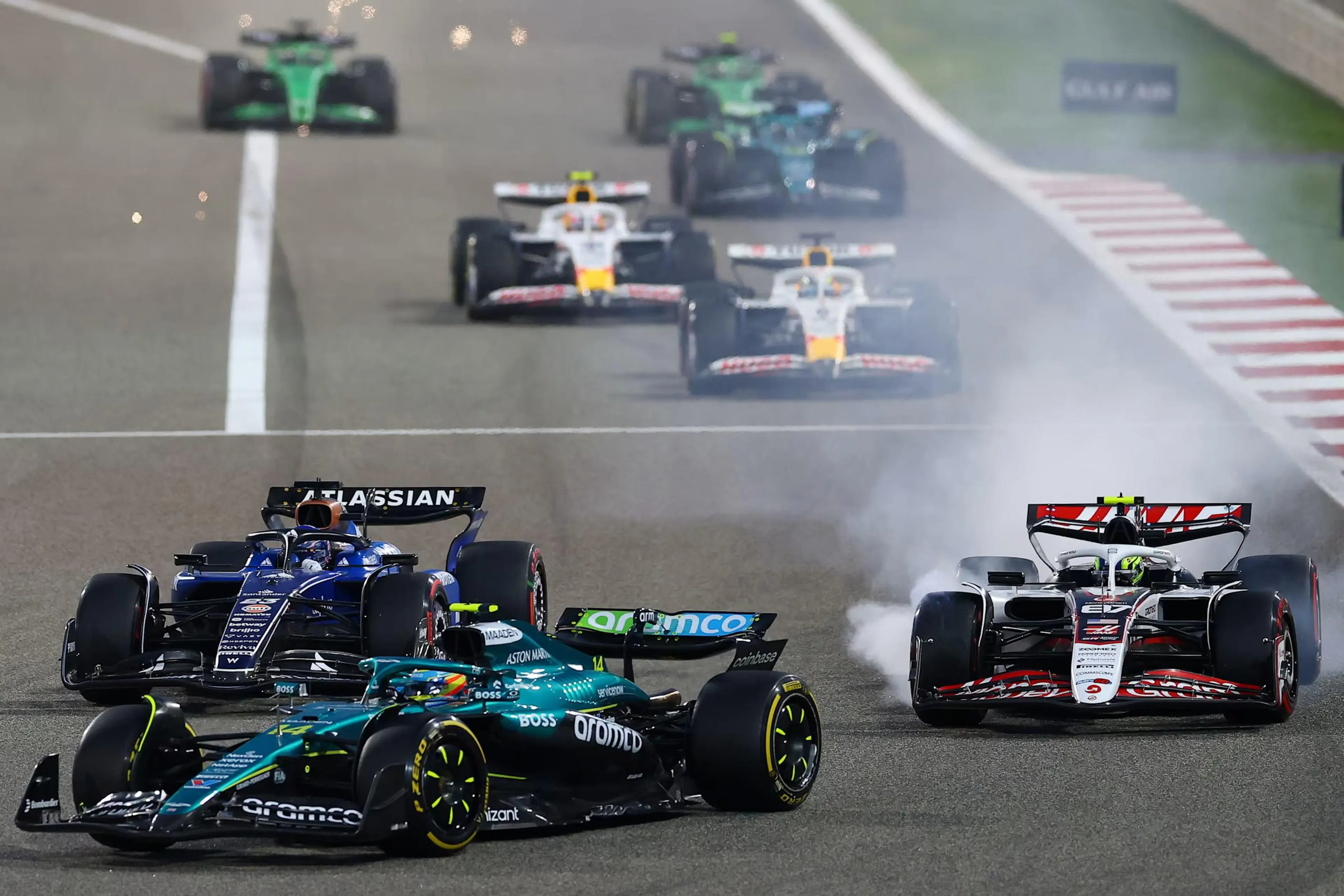
F1 cancels 2026 Bahrain & Saudi Arabian GPs due to Middle East tensions
After the 2026 Japanese Grand Prix on March 29, the next race will be the Miami Grand Prix on May 4
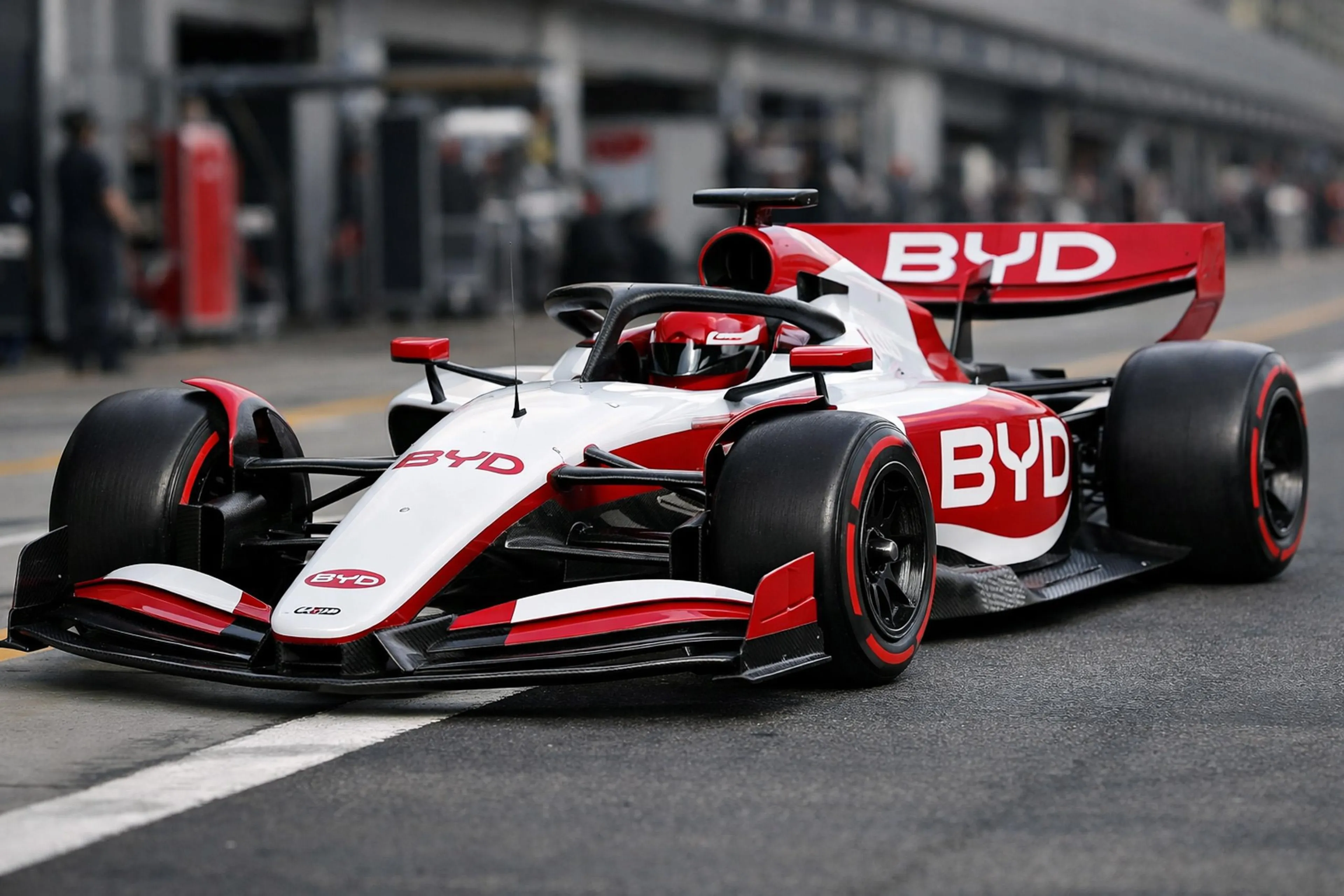
Report: BYD looking to make F1 bid, enter motorsports?
BYD reportedly wants to boost its brand appeal by entering motorsports