
Why did Geely PH prices shoot up?
Curious why the prices of several Geely models went up so sharply?

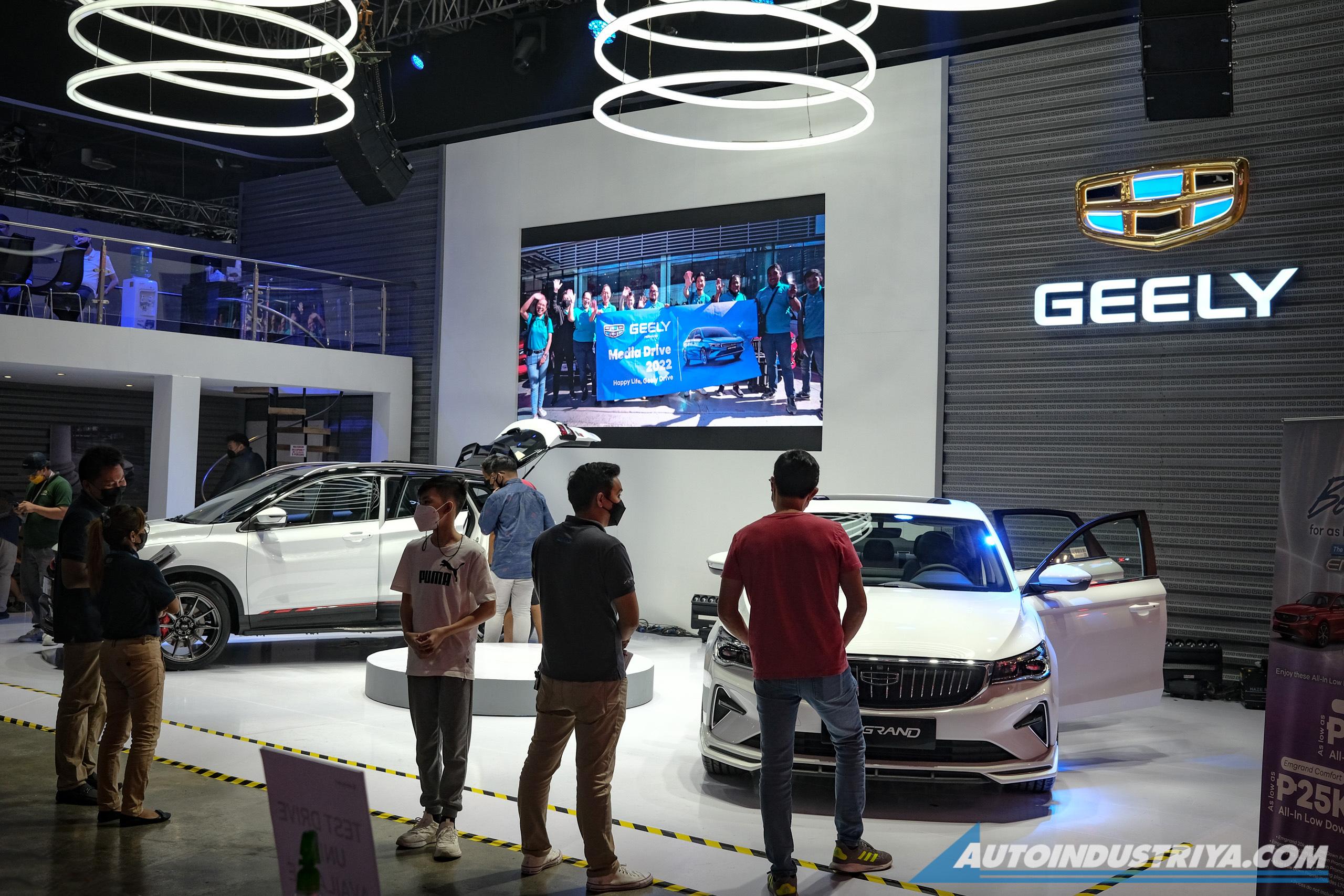
There's no doubt that Geely is the rising star in the Philippine auto industry.
In just three short years, Geely has become quite a force in the market with impressive vehicle quality, sharp-looking designs, and excellent feature packages. The only issues that have come to light are with after-sales in relation to parts supplies, but they assure us that they're working on improving that.
But there's another issue that Geely Philippines is facing, and that's with regard to pricing.
Some eagle-eyed viewers on our YouTube channel (https://www.youtube.com/c/autoindustriya) commented that the prices of Geely vehicles have shot up significantly since we reviewed them.
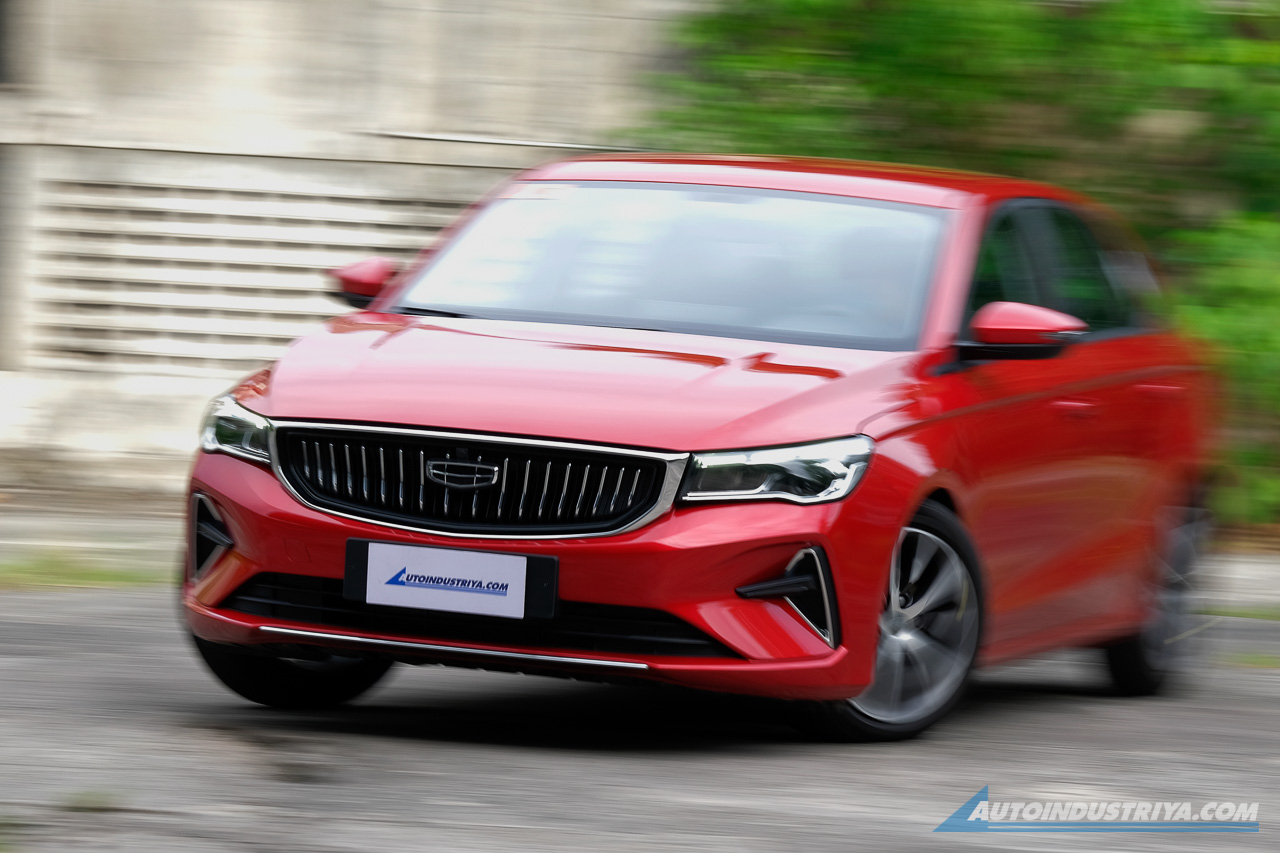
One example is the Emgrand Comfort sedan. When we reviewed it, the price was PHP 798,000 which is outstanding for its size and features. Today, it's PHP 945,000. That's a huge difference of PHP 147,000.
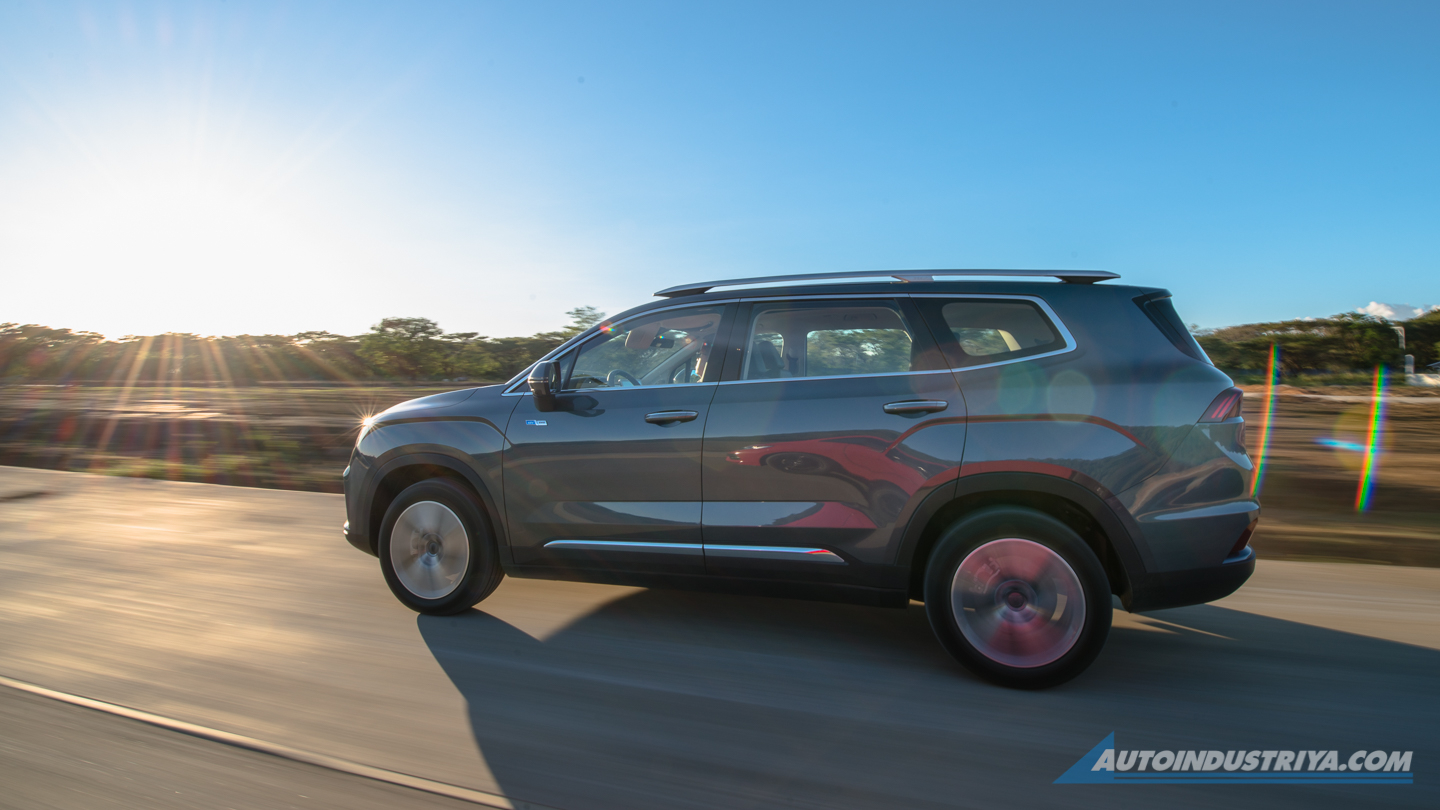
Another is the Okavango. The Urban Plus variant is now retailing for PHP 1,765,000. When we reviewed it last year, it was PHP 1,478,000. The difference is a whopping PHP 287,000.
The price increases were across the board, though other units experienced smaller price increases depending on the variant. Many are asking: What gives? What happened to the value proposition of Geely?
We caught up with Sojitz G Auto Philippines (SGAP) executives at the Philippine International Motor Show (PIMS) and we were able to ask why. The answer involves many factors like rising shipping costs and parts costs, but the single biggest reason is the exchange rate.
With the value of the Philippine peso (PHP) unable to stay stable against the US dollar (USD), the cost of the vehicle when SGAP gets its units from Geely is affected. So much so that some units and variants have been pushed into the higher excise tax bracket.
Under the TRAIN Law, there are 4 excise tax brackets based on the NMISP or Net Manufacturers Importers Selling Price. NMISP is not the SRP but the wholesale price that the manufacturer or importer sells the units to the dealers. If the NMISP is below PHP 600,000 then the excise is 4%, followed by a 10% rate from PHP 600,000 to 1,000,000, then 20% from PHP 1,000,000 to 4,000,000, then 50% for anything over.
If a model is pushed from one tax bracket to the next one higher, then the difference is huge. Based on the increases, we can surmise that the Emgrand Comfort was previously in the 4% bracket and then got bumped up to 10% while the Okavango Urban Plus went from 10% to the 20% class. Units that had price increases but were not as significant as those two likely stayed within the same bracket, but the price increase is more reflective of the increased cost of the vehicle and not the excise tax.
Given that trend, we expect other manufacturers to have to do the same, especially if the pattern with the exchange rate continues.
Related Posts
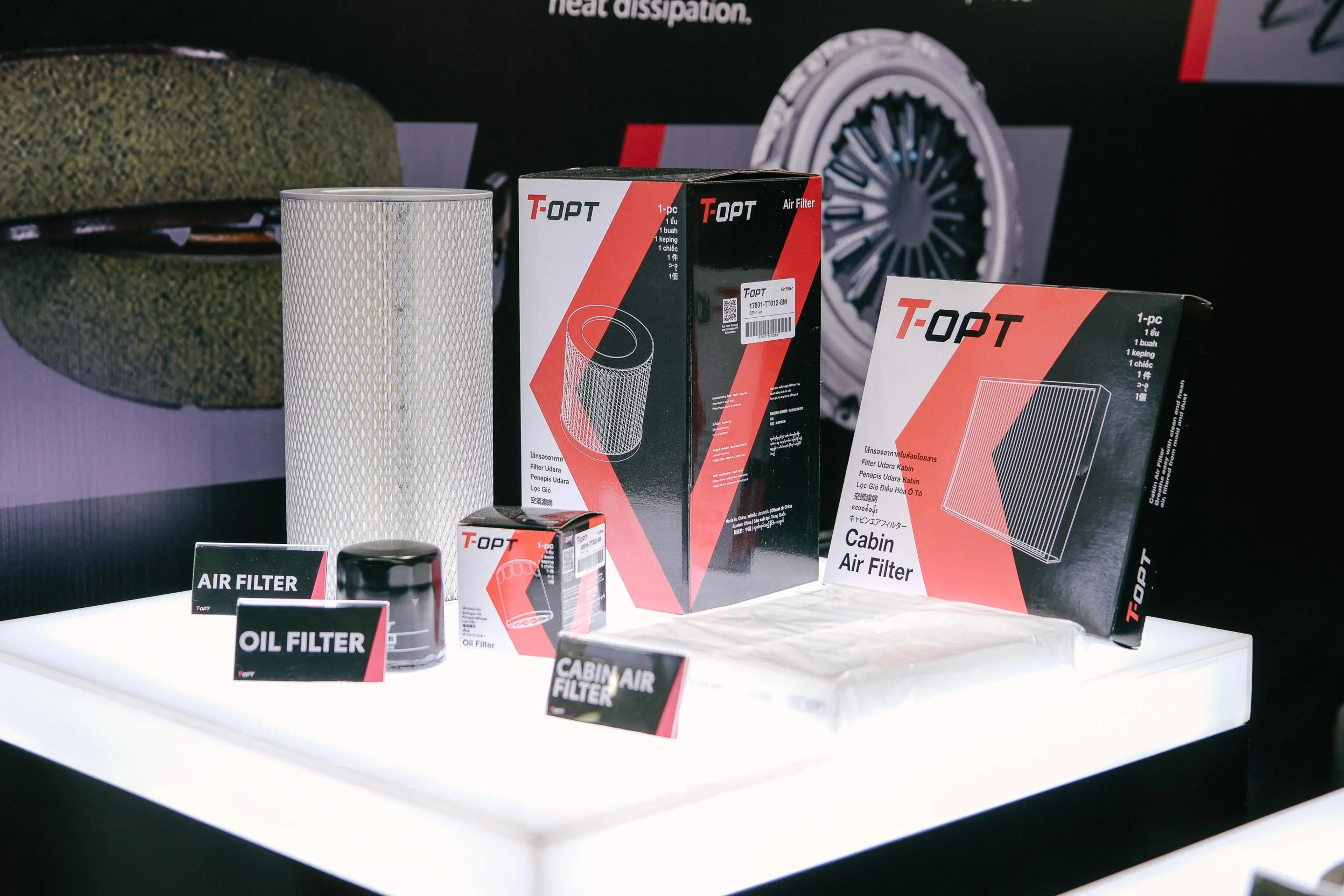
Toyota PH launches T-OPT aftermarket brand at MIAS 2026
Toyota Motor Philippines officially introduces T-OPT, which is their latest premium regional aftermarket parts brand
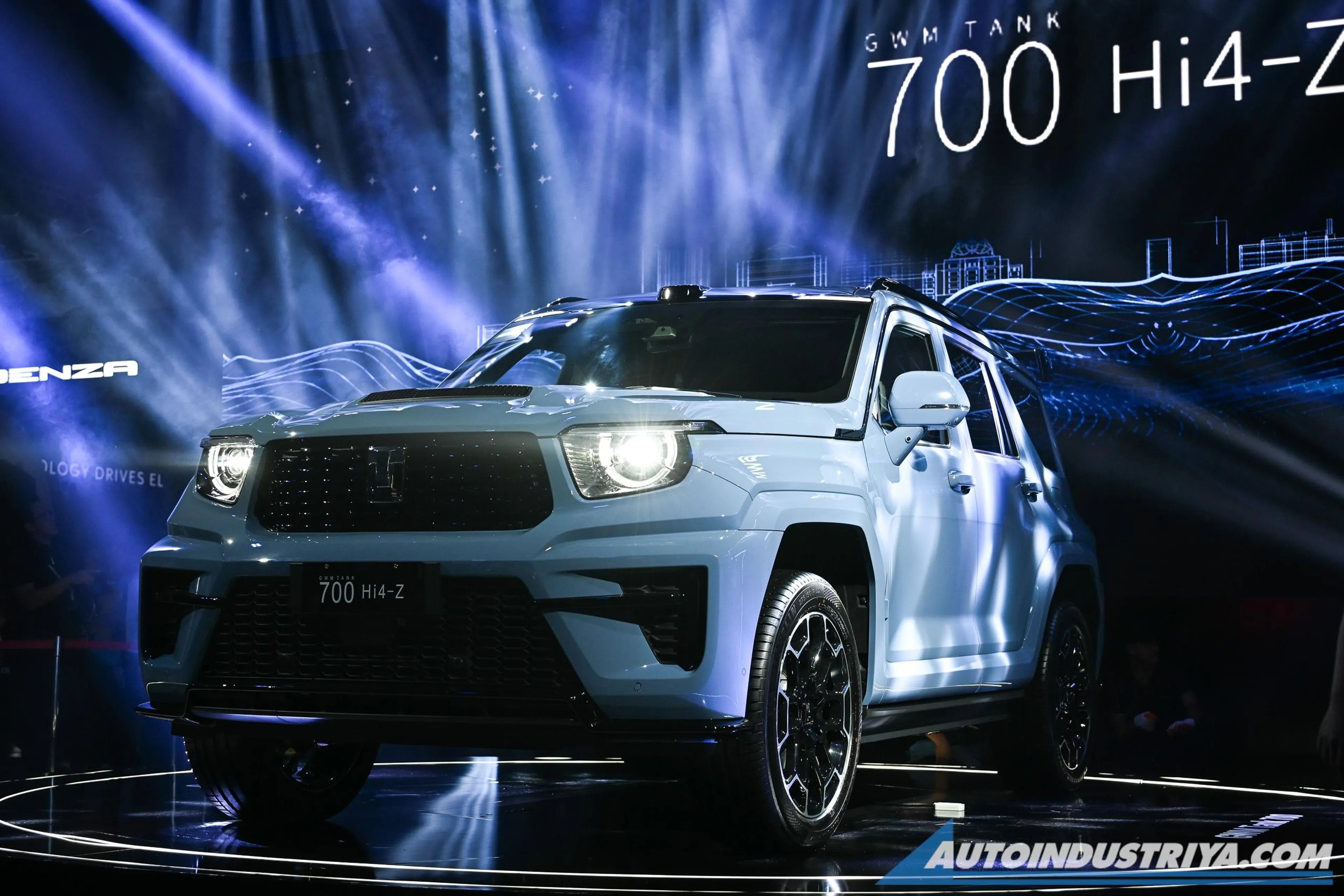
MIAS 2026: GWM Tank 700 PHEV makes first overseas market debut in PH
The GWM Tank Hi4-Z PHEV arrives in PH just weeks after it debuted in the PRC
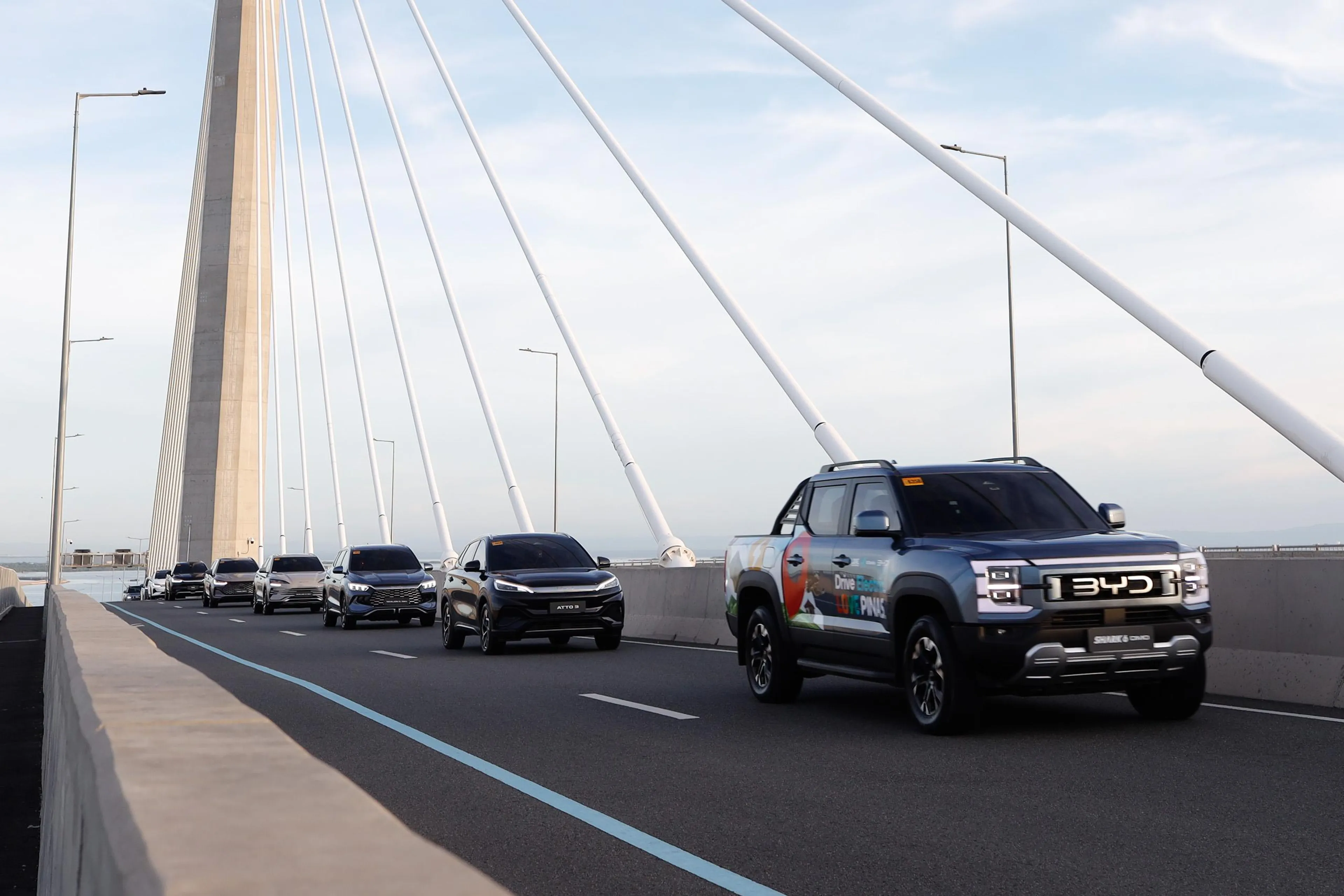
BYD “Drive Electric, Love Pinas” campaign sets two Guinness World Records
BYD and Department of Tourism’s “Drive Electric, Love Pinas” campaign makes it to Guinness World Records
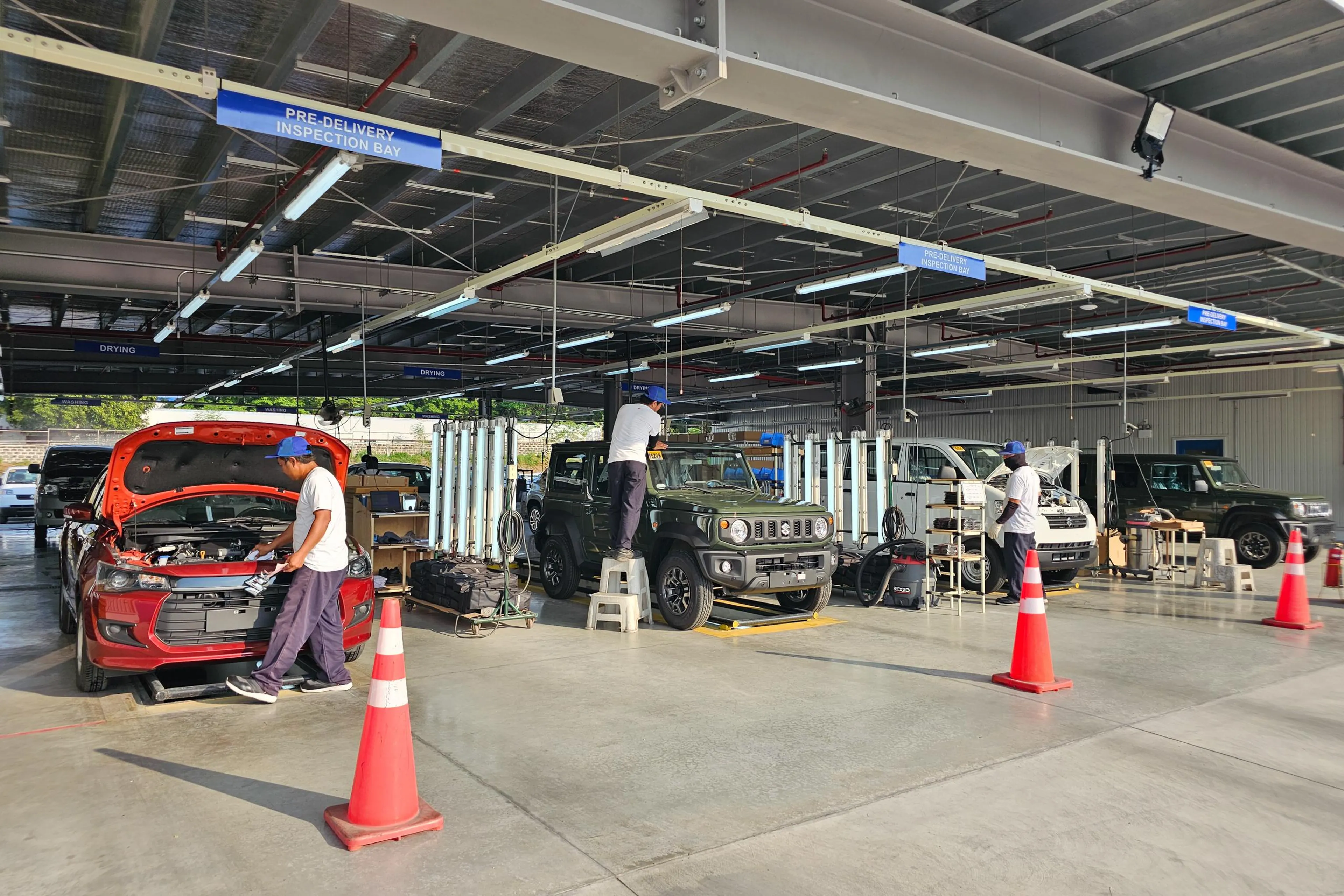
Suzuki Philippines expands Laguna pre-delivery inspection facility
The upgrade lets SPH meet demand while upholding global quality standards
MIAS 2026: Geely PH previews EX2 EV to rival BYD Dolphin
Geely previews the EX2 at 2026 Manila International Auto Show; could start at PHP 950K
MIAS 2026: Jaecoo J5 HEV is priced to compete; starts at PHP 999K
OJPH wants to stir the B-SUV market with the J5 HEV