
Toyota wants zero carbon emissions in all factories by 2050
Aside from reducing vehicle emissions, Toyota also wants to cut back on carbon emissions from their factories

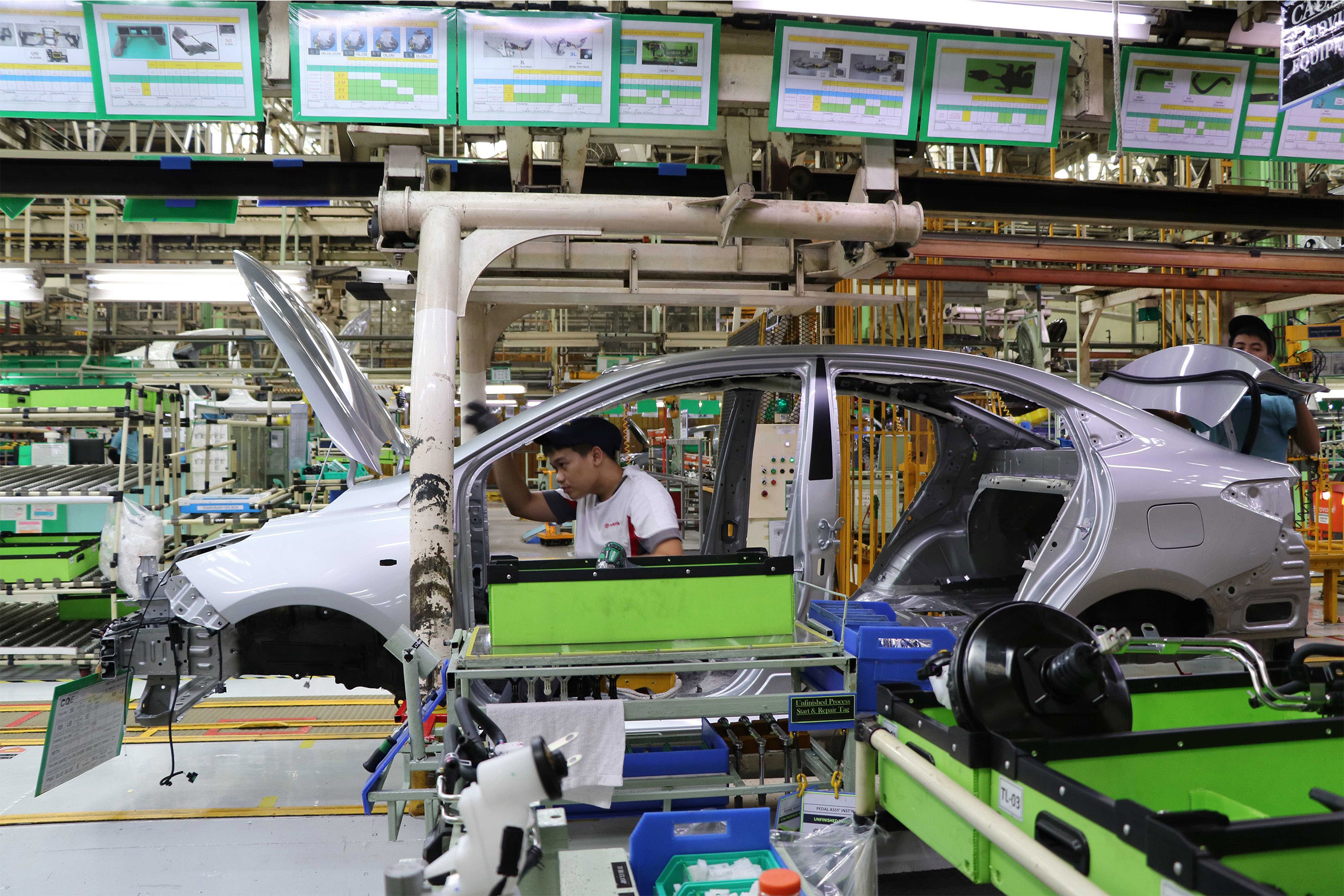
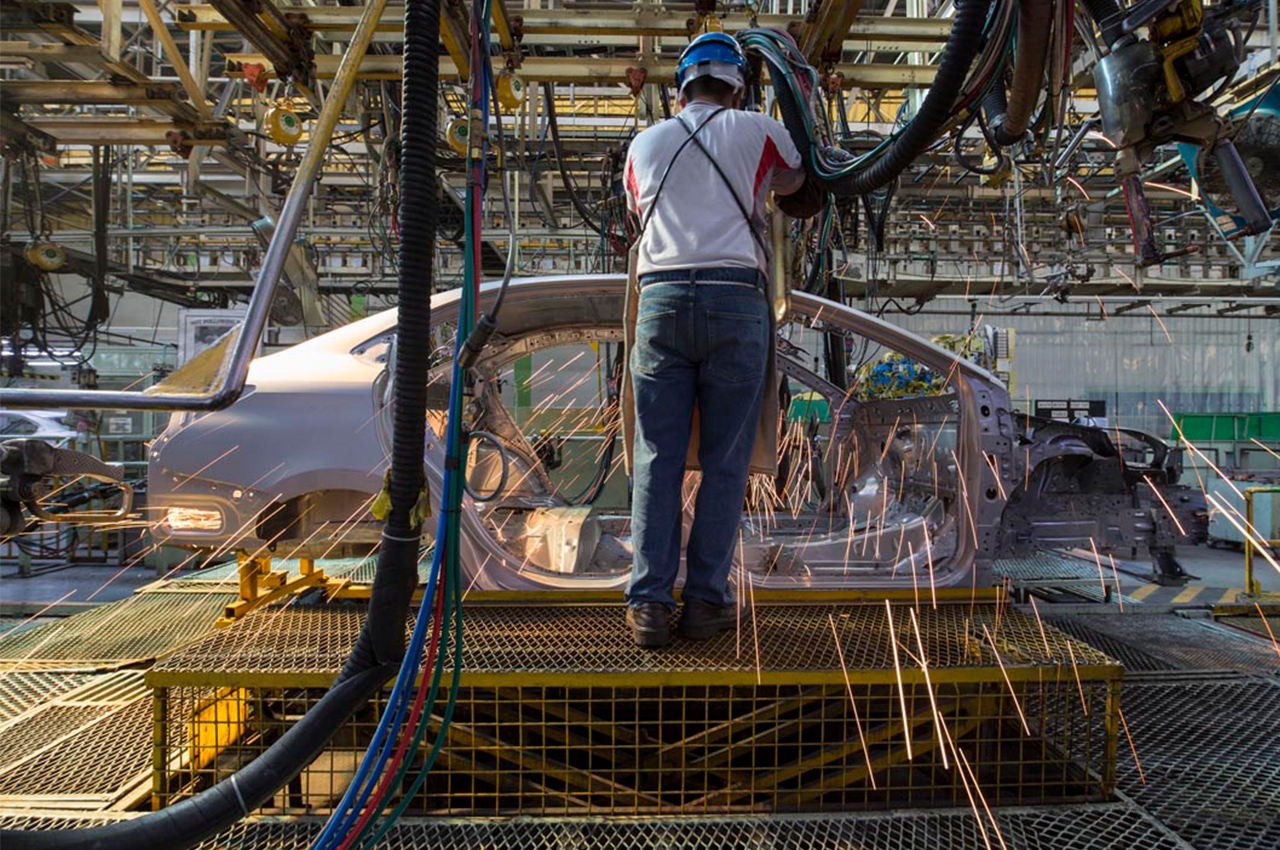
Let's face it, manufacturing cars is no easy feat. Aside from the fact that you have to build a whole fleet of them, you'll also need plenty of resources and energy to manufacture batches of them. But using energy means you're also producing CO2 emissions, which is never good.
That's right, aside from automobiles, car factories also use plenty of energy that result in more CO2 emissions that harm the environment and add more greenhouse gases that pollute the air. So how does Toyota plan to combat that? By setting a goal of achieving 35% reduced CO2 emissions in global plants worldwide by 2030, and having zero C02 emissions in all manufacturing plants by 2050.
Part of the “Toyota Environmental Challenge 2050”, the automaker is looking at not just reducing their carbon footprint from their cars, but also from their manufacturing facilities. To do this, Toyota has been finding ways of recycling and using alternative means of generating energy.
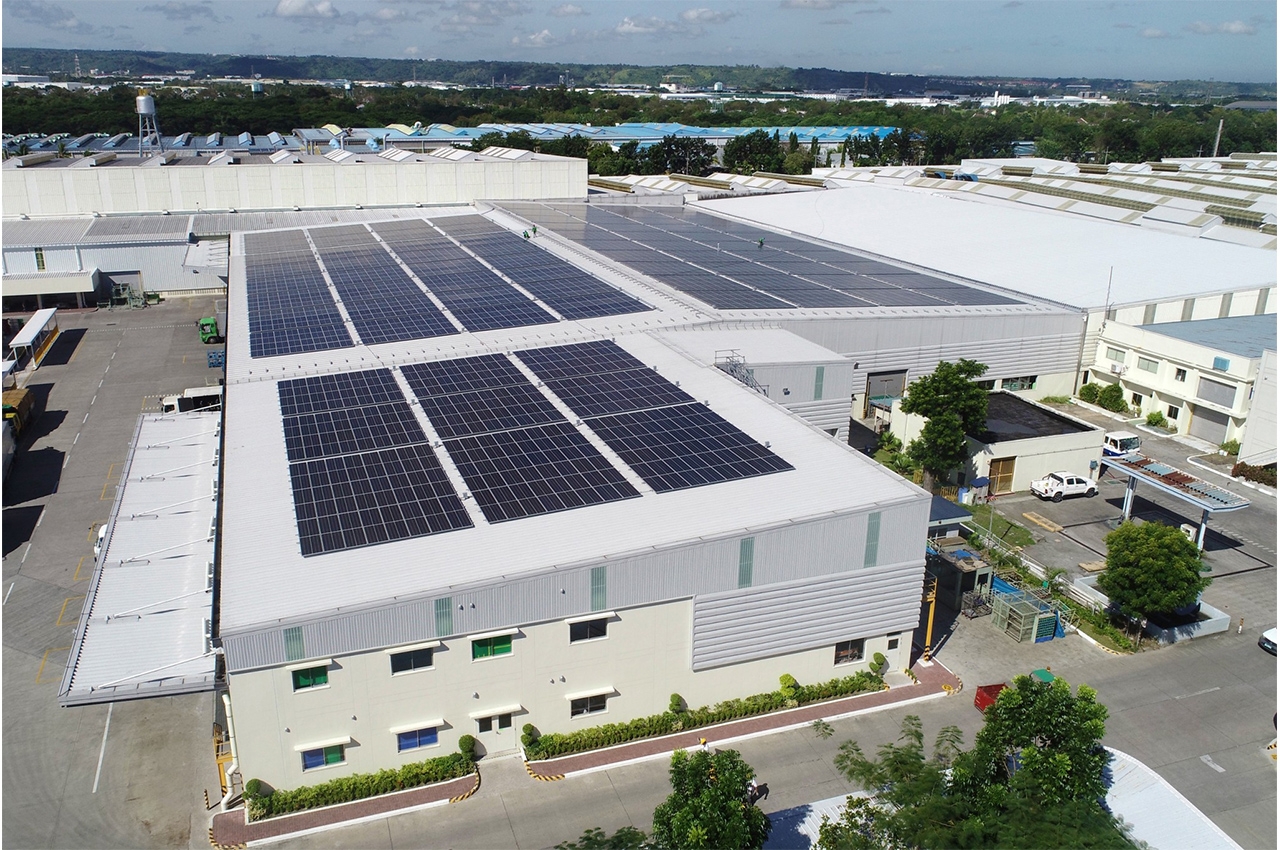
Just last December 2018, TMP installed a 1-megawatt solar array at their Sta. Rosa plant. According to them, this will supply 4% of the factory's annual electricity requirements. This translates to 12 kg less CO2 emissions for every vehicle produced, or around 790 tons per year.
Besides the factory itself, new TMP dealerships are also encouraged to use energy efficient applicances, LED lights, solar panels, and even rain water reservoir systems that collect and filter rainwater to lessen water consumption. Toyota San Jose Del Monte in Bulacan is one of those dealerships that is equipped as such.
In other facilities around the world, Toyota have already applied this technology on a grander scale. At Toyota North America HQ in Texas, they have installed an 8.79-megawatt solar array. It serves 1/3 of the facility's electricity needs and is capable of reducing 7,198 tons of CO2 emissions every year. Meanwhile, at the company's factories in India and France, Toyota have adopted rainwater harvesting and recycling systems which have greatly reduced each plant's dependency on outside water supply.
Combined with Toyota's goal of reducing global vehicle CO2 emissions by 35% with 5.5 million electrified vehicles sold come 2030, the automaker wants to be more environmentally-friendly amidst rising pollution. In addition, Toyota is looking at achieving 90% reduced CO2 emissions from their vehicles by the time 2050 rolls in.
With TMP pushing for more hybrid-electrics in the future, their goal of further reducing carbon emissions may actually be realized since they also want their factories and dealerships to be more environmentally-friendly. Here's to hoping that Toyota achieve their goal for a cleaner planet sooner than later.
Related Posts
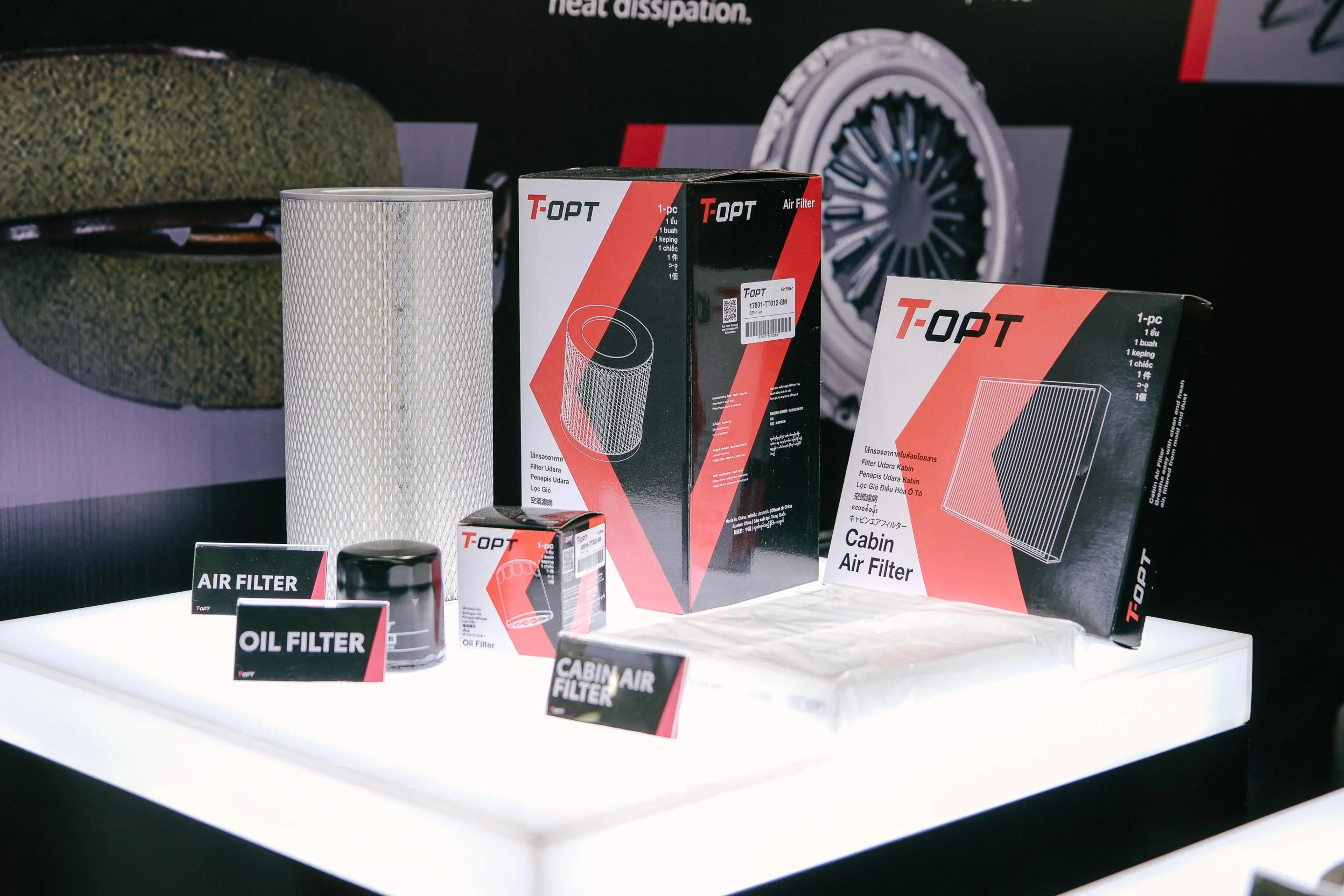
Toyota PH launches T-OPT aftermarket brand at MIAS 2026
Toyota Motor Philippines officially introduces T-OPT, which is their latest premium regional aftermarket parts brand

MIAS 2026: GWM Tank 700 PHEV makes first overseas market debut in PH
The GWM Tank Hi4-Z PHEV arrives in PH just weeks after it debuted in the PRC
BYD “Drive Electric, Love Pinas” campaign sets two Guinness World Records
BYD and Department of Tourism’s “Drive Electric, Love Pinas” campaign makes it to Guinness World Records
Suzuki Philippines expands Laguna pre-delivery inspection facility
The upgrade lets SPH meet demand while upholding global quality standards
MIAS 2026: Geely PH previews EX2 EV to rival BYD Dolphin
Geely previews the EX2 at 2026 Manila International Auto Show; could start at PHP 950K

MIAS 2026: Jaecoo J5 HEV is priced to compete; starts at PHP 999K
OJPH wants to stir the B-SUV market with the J5 HEV