
Toyota Virtual Plant Tour now online
Find out how Toyota makes cars, from stamping all the way to Jidoka
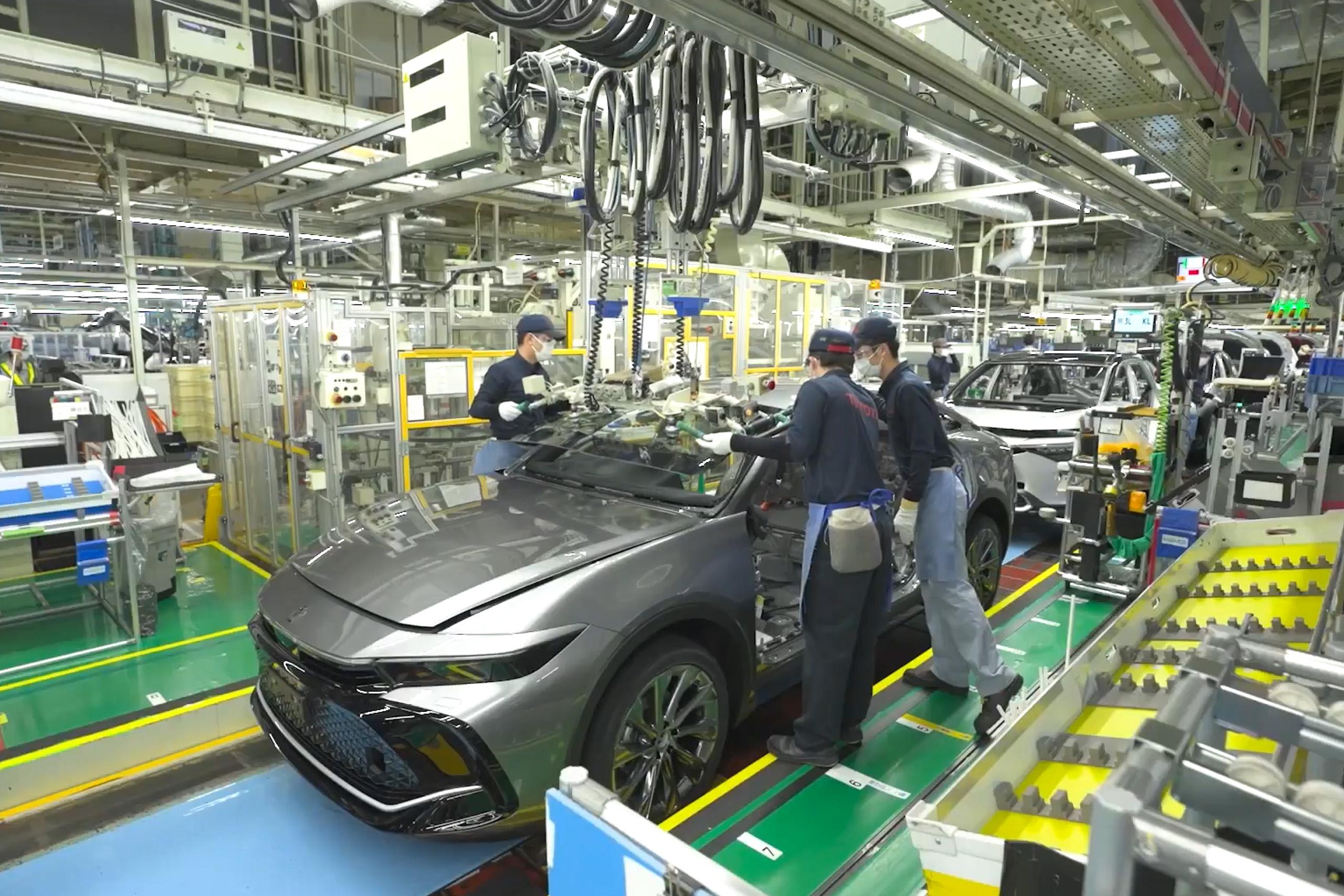
While there are more than a dozen different ways to learn about the manufacturing process of various automakers in the world, no one has made it as easy and simple as Toyota.
Even as active cases continue to plummet, restrictions lifted, and the World Health Organization (WHO) announcing that it is no longer a “public health emergency of international concern,” the Japanese auto manufacturer puts the Toyota Virtual Plant Tour online today. It can be accessed via the Toyota Motor Corporation website (https://global.toyota/en) or go straight through by clicking this link.
The main page is a mix of various scenes and steps of the manufacturing process, including Toyota robots at work and the quality control precision of human workers. Website visitors can opt to go to a specific part of the production process (in case you do not want to go through the whole thing) by clicking on any of the four options on the homepage: Begin Exploration, Manufacturing Process Overview Video, Power Unit Craftmanship, and Toyota Production Process.
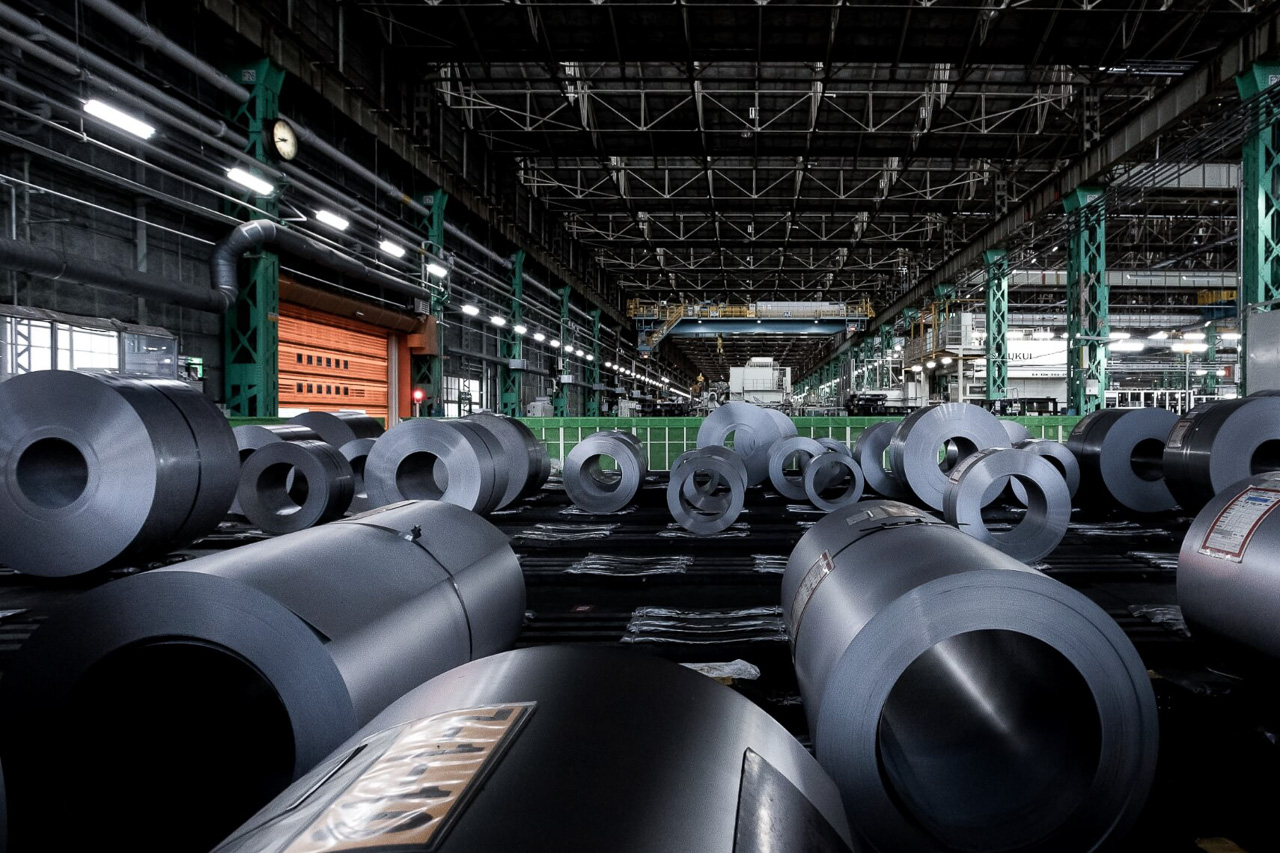
If you choose to take on the whole experience, it will definitely be a treat, whether you are a car enthusiast or not. ‘Begin Exploration’ takes the viewer through the process of ‘Stamping,’ which details how soft steel plates are prepped, carried and stretched, punched, stamped, and finally, arranged.
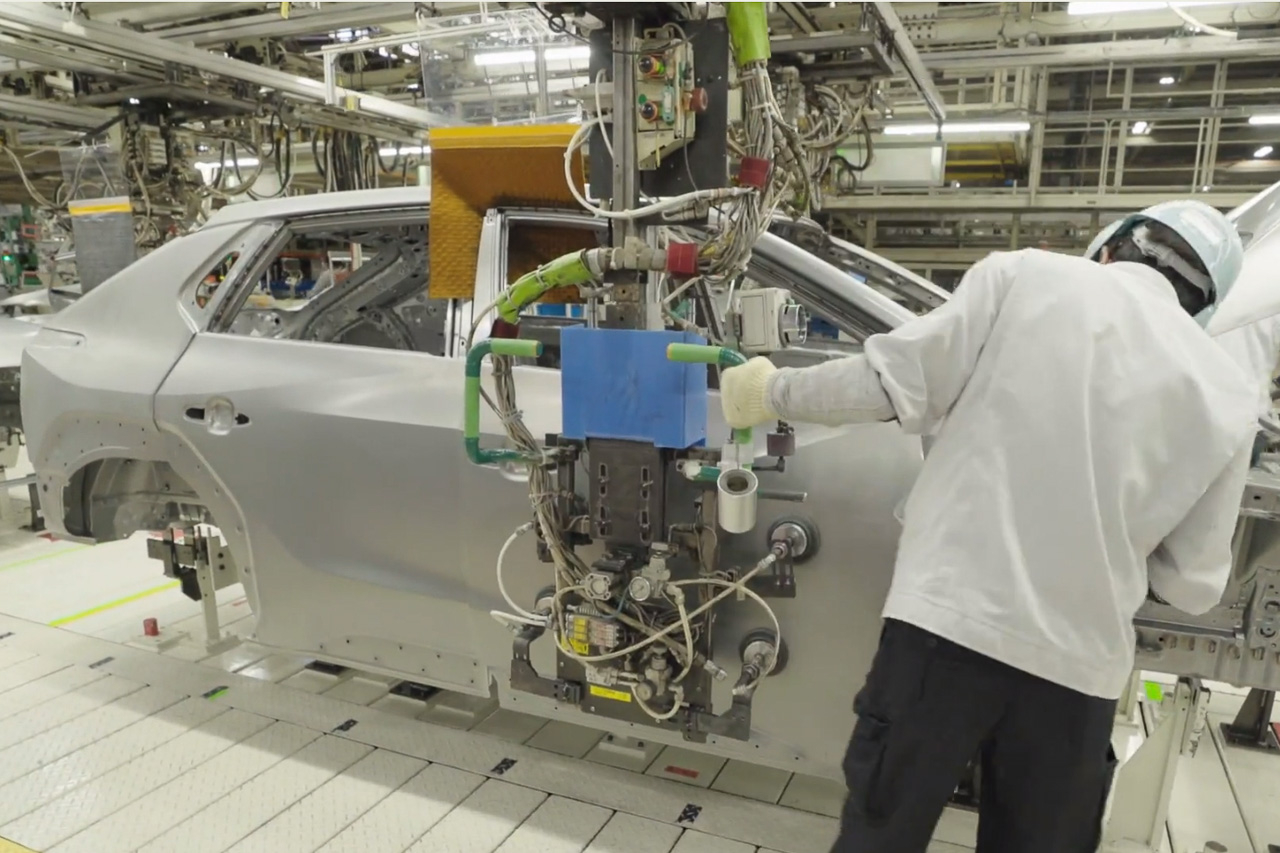
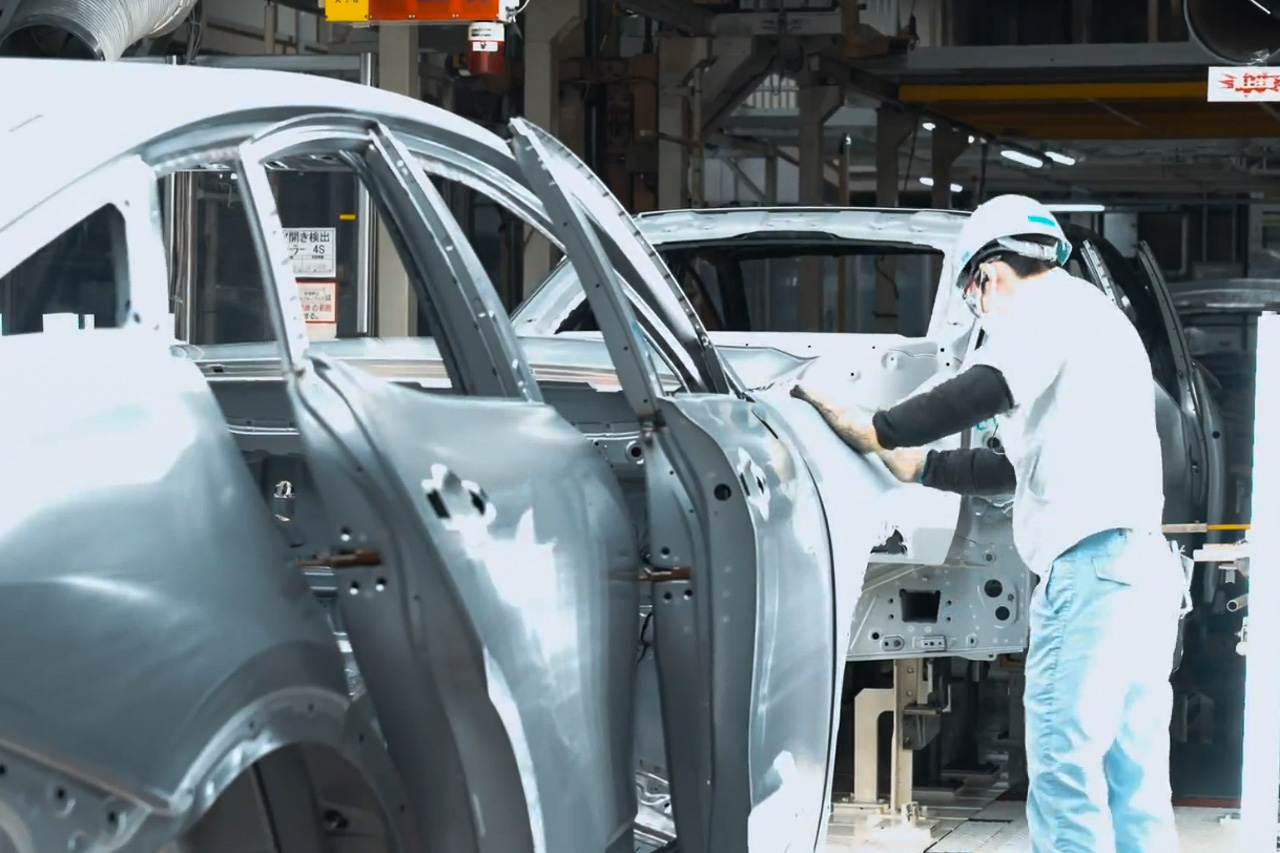
Step 2 is Welding. It goes from assembling the car body and performing additional welding using robots to attaching doors and various parts while inspecting the car body is done by human workers.
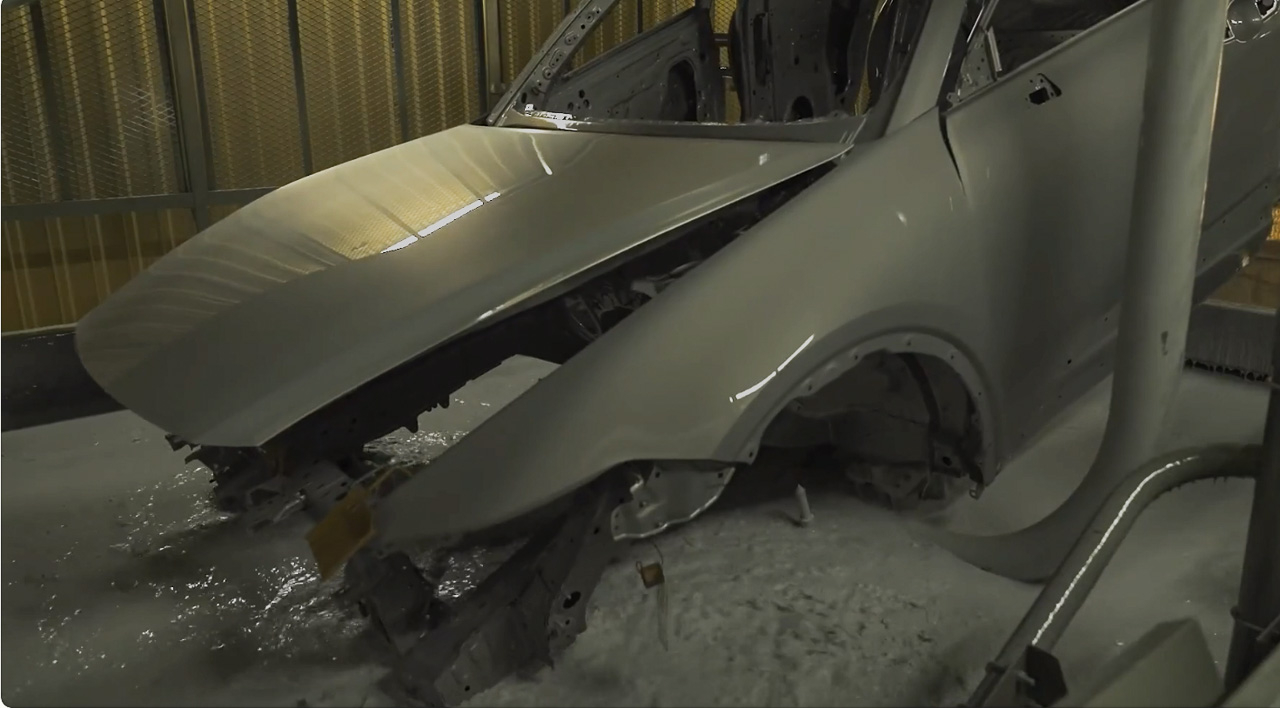
Painting is a whole process in itself. It starts with cleaning, priming, sealing, middle coating, top coating, drying, and inspecting. The majority of the work is done by machines, except for sealing and inspecting.
Assembly only has two processes, receiving and installing parts. Installation happens in different stages. It starts with door removal, followed by wiring and ceiling liner fitting, inserting the engine and brakes in, and then the windows come on.
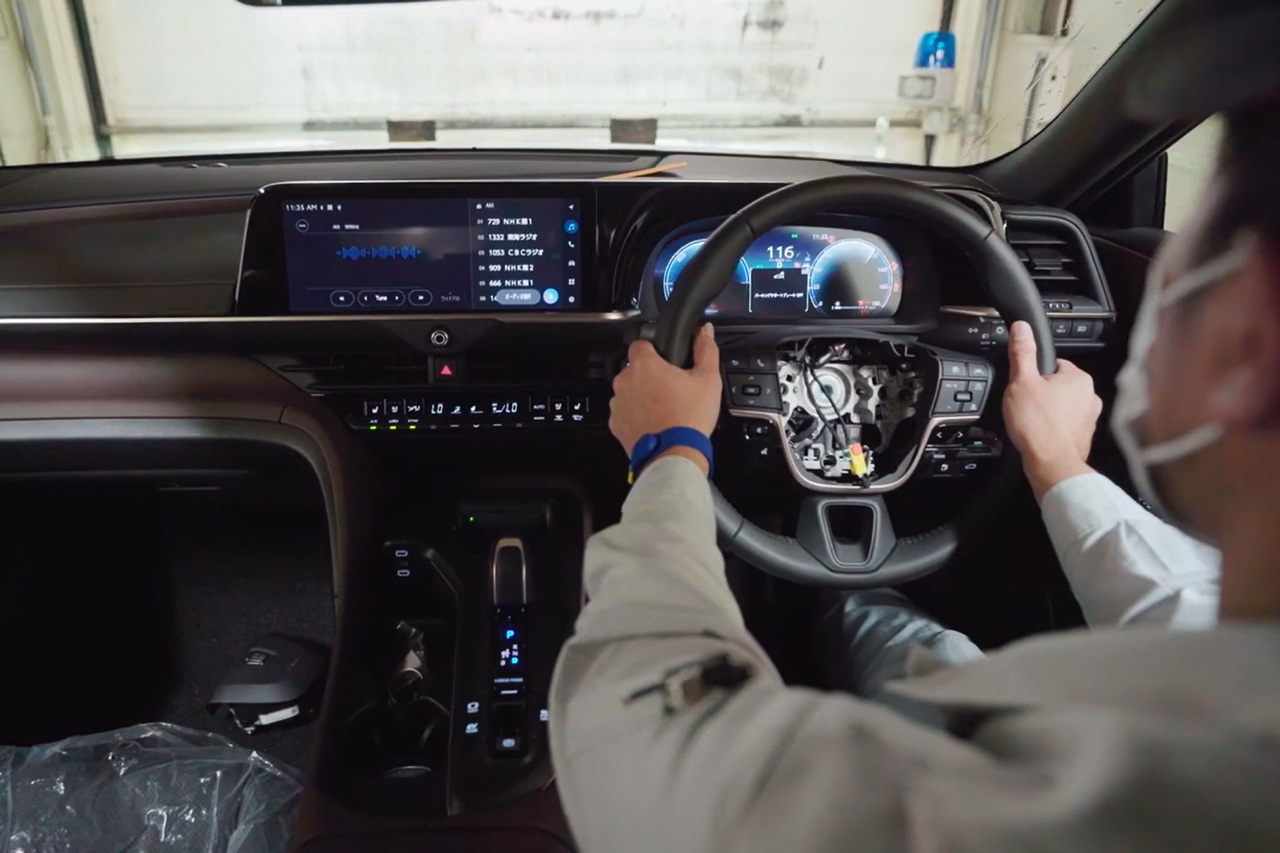
Before it gets shipped to the customer, each vehicle goes through a four-step inspection process to check if the correct parts are installed, if there are scratches/dents on the vehicle, if the lights and gauges are working, and to look for oil leaks.
Power Unit Craftmanship is all about the engine. It details the casting, forging, machining, and assembly of all Toyota units via video.
The Toyota Production System explains the marque’s manufacturing efficiency, its use of Jidoka or autonomation instead of plain automation, and its Just-in-Time concept.
Toyota knows your time is precious, so you can click on the process you want to learn more about or watch the entire thing if you have the time. I suggest you watch the latter, especially if you are in the market for a Toyota. Enjoy!
Related Posts
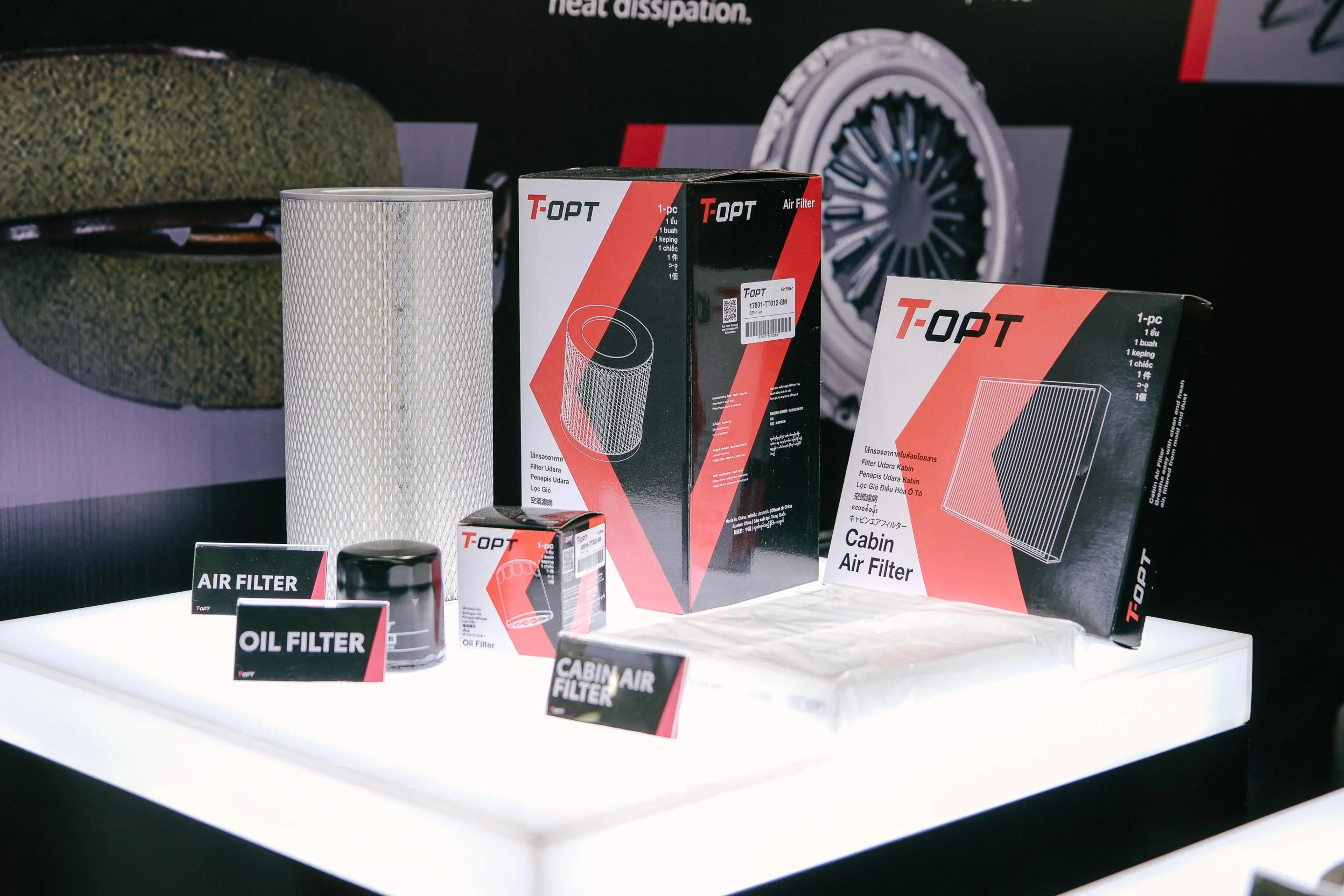
Toyota PH launches T-OPT aftermarket brand at MIAS 2026
Toyota Motor Philippines officially introduces T-OPT, which is their latest premium regional aftermarket parts brand

MIAS 2026: GWM Tank 700 PHEV makes first overseas market debut in PH
The GWM Tank Hi4-Z PHEV arrives in PH just weeks after it debuted in the PRC

BYD “Drive Electric, Love Pinas” campaign sets two Guinness World Records
BYD and Department of Tourism’s “Drive Electric, Love Pinas” campaign makes it to Guinness World Records
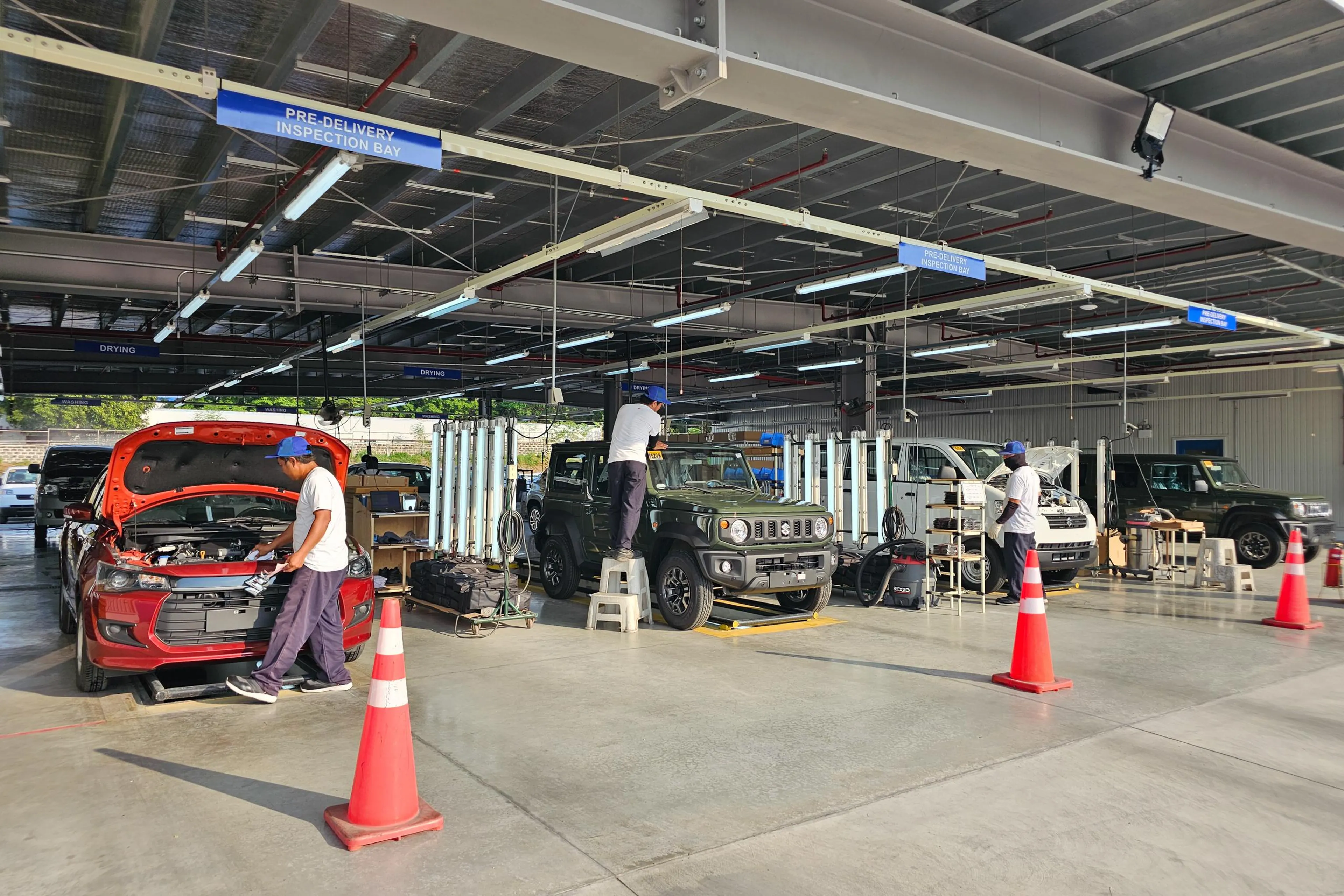
Suzuki Philippines expands Laguna pre-delivery inspection facility
The upgrade lets SPH meet demand while upholding global quality standards

MIAS 2026: Geely PH previews EX2 EV to rival BYD Dolphin
Geely previews the EX2 at 2026 Manila International Auto Show; could start at PHP 950K

MIAS 2026: Jaecoo J5 HEV is priced to compete; starts at PHP 999K
OJPH wants to stir the B-SUV market with the J5 HEV