
Toyota PH creates dining space made from upcycled manufacturing waste
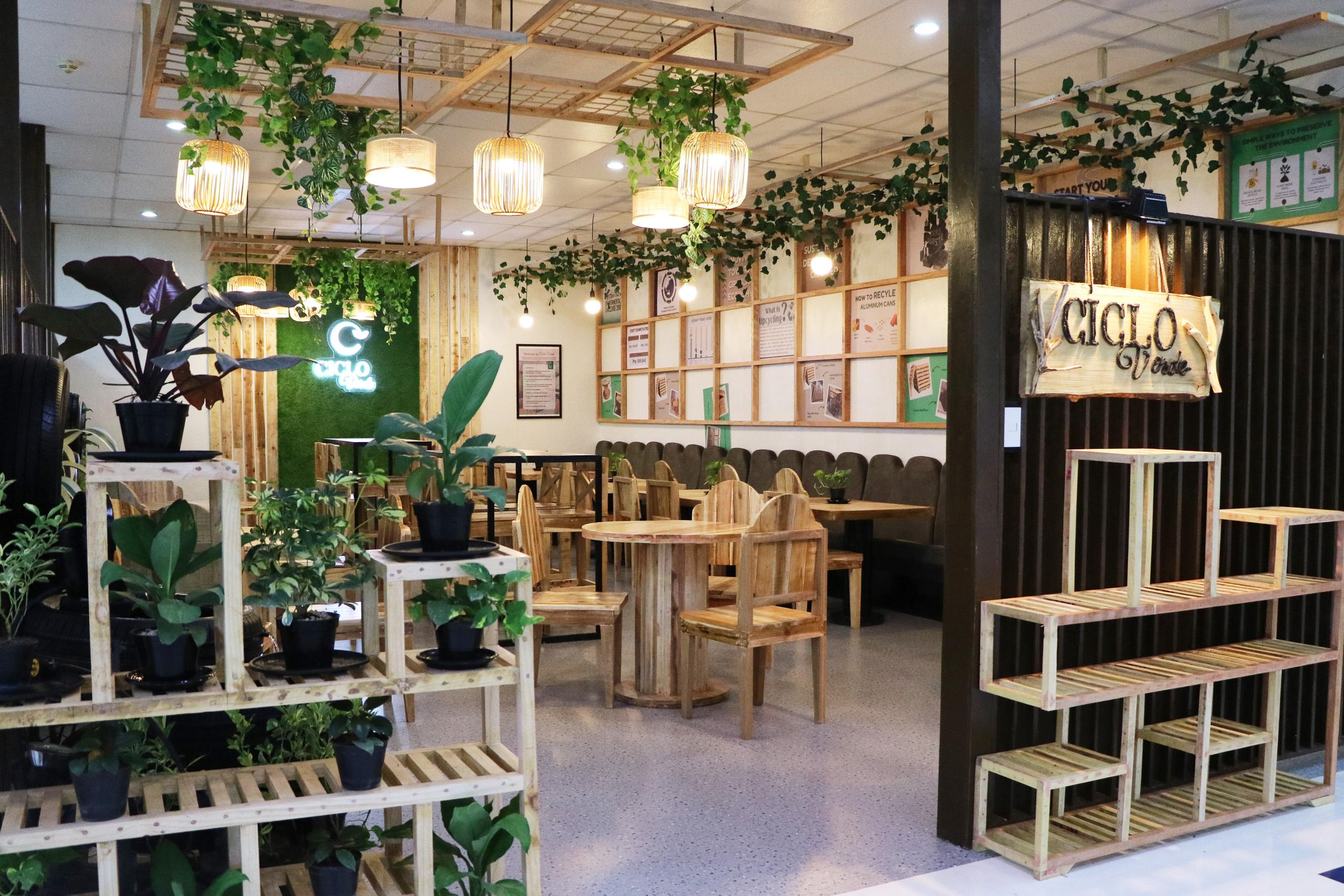
Ciclo Verde is TMP's sustainable dining facility featuring furnitures made from waste materials
In response to global climate change and resource depletion concerns, Toyota is advancing initiatives focused on vehicle life cycle management and effective waste handling to minimize resource use throughout its operations and across all stages of vehicle life.
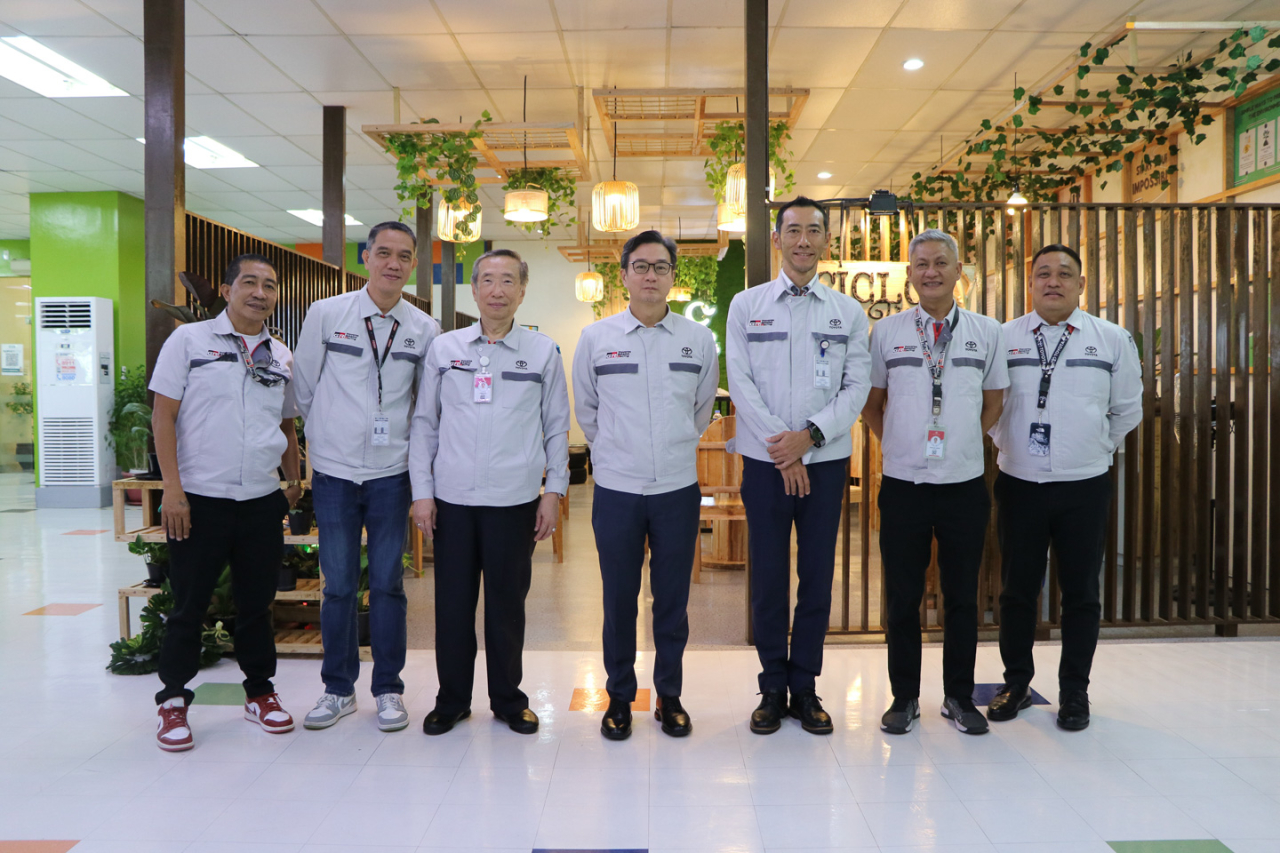
Toyota Motor Philippines Corporation (TMP), a leading mobility company and automotive manufacturer, has recently unveiled a new facility constructed using upcycled materials from its manufacturing plant. This project highlights TMP’s commitment to reducing resource consumption and managing manufacturing waste more efficiently.
TMP’s approach includes upcycling manufacturing by-products, complementing its existing waste reduction efforts such as process and vehicle design enhancements, recycling, proper waste segregation, and the elimination of single-use plastics.
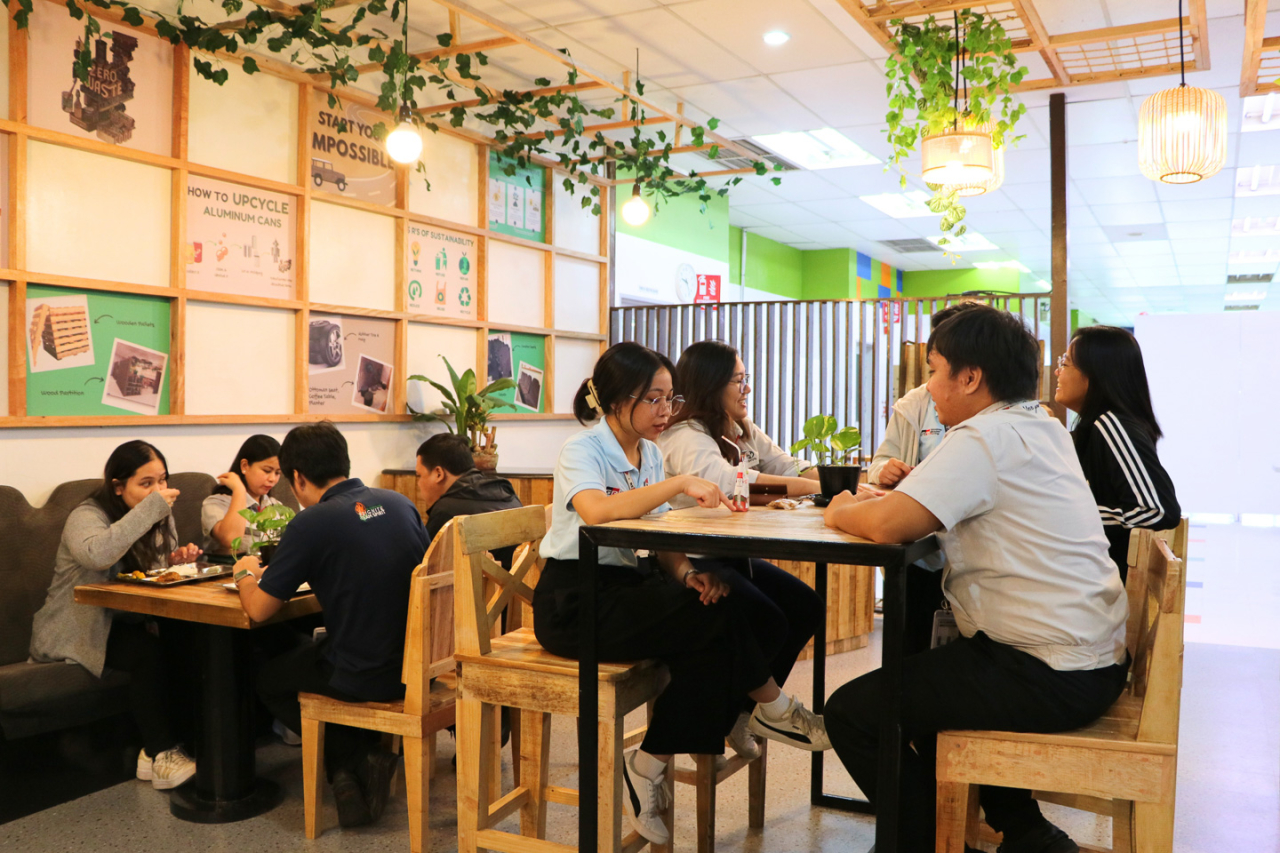
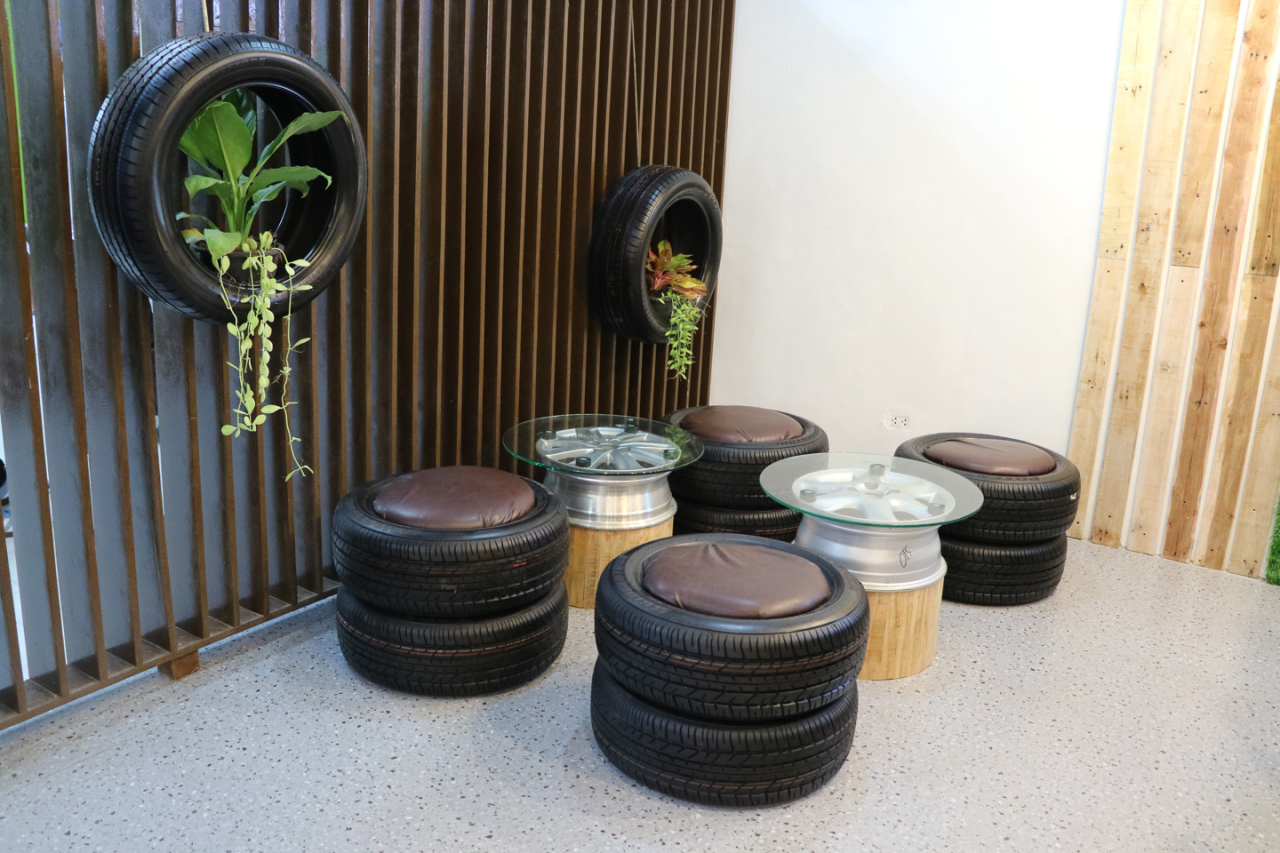
For example, during its 36th anniversary, TMP introduced the ‘Ciclo Verde’—a sustainable dining facility featuring functional furniture made from waste materials sourced from its Santa Rosa City, Laguna plant. The facility’s dining tables and high bar tables are crafted from wire spools and metal tubes, while chairs, plant racks, and wall partitions are made from wooden pallets. Scrapped car seats are transformed into a long couch, and rubber tires and mags are repurposed into a water fountain, ottomans, a coffee table, and wall decorations.
Additionally, TMP promotes sustainability across its local network by encouraging dealers and suppliers to adopt eco-friendly practices in alignment with the Toyota ECO Dealership Program and Toyota Green Purchasing Guidelines.
Globally, Toyota’s waste reduction and resource efficiency strategies are detailed in ‘Challenge No. 5: Establishing a Recycling-Based Society and Systems,’ part of the ‘Toyota Environmental Challenge 2050’ launched in 2015. The company is also focusing on End-of-Life Vehicle (ELV) management through developing dismantling facilities and enhancing HEV battery recovery and recycling.
Through these efforts, Toyota aims to eliminate waste pollution, extend the life of vehicle parts, and work towards carbon neutrality and climate change mitigation.
Related Posts
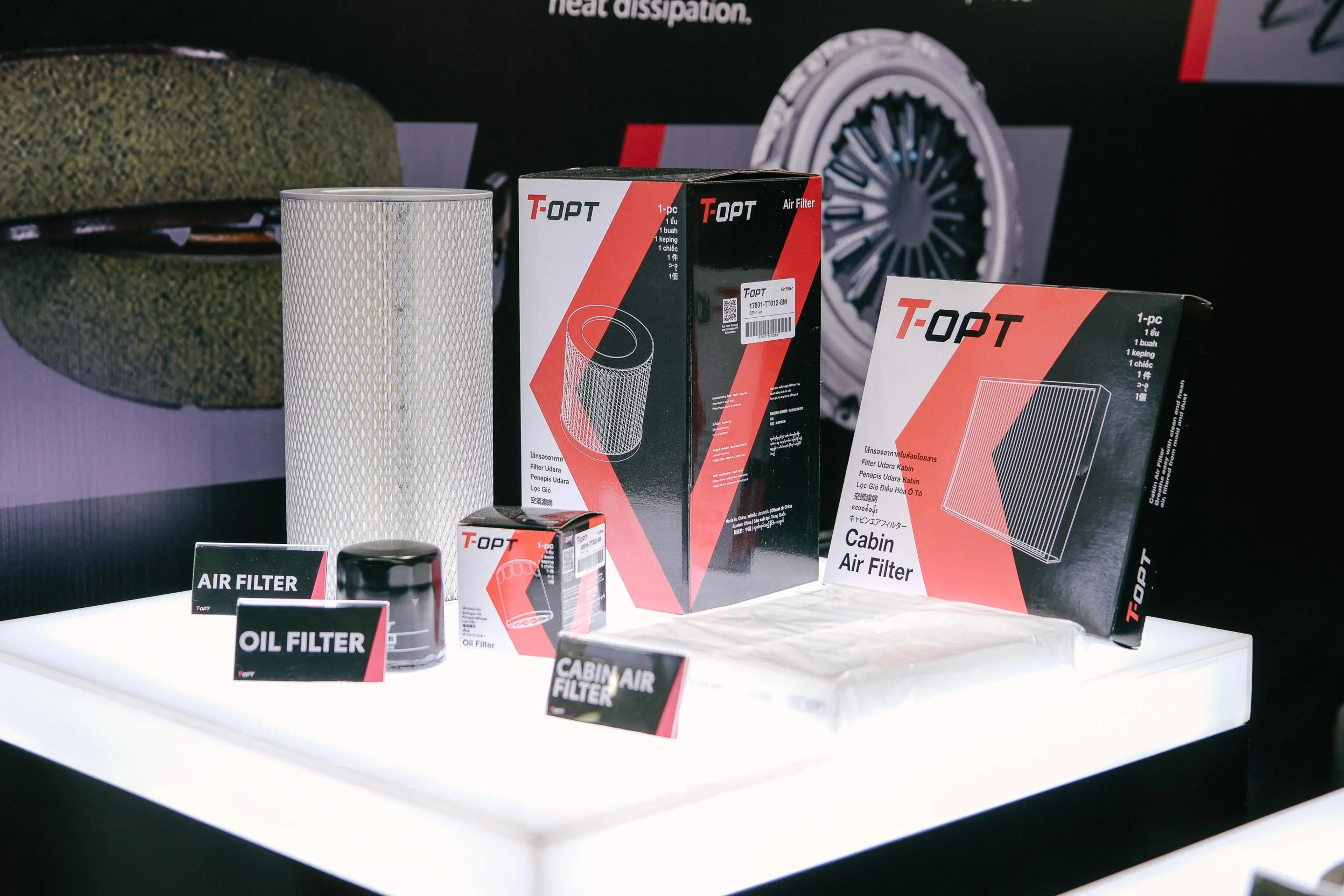
Toyota PH launches T-OPT aftermarket brand at MIAS 2026
Toyota Motor Philippines officially introduces T-OPT, which is their latest premium regional aftermarket parts brand

MIAS 2026: GWM Tank 700 PHEV makes first overseas market debut in PH
The GWM Tank Hi4-Z PHEV arrives in PH just weeks after it debuted in the PRC
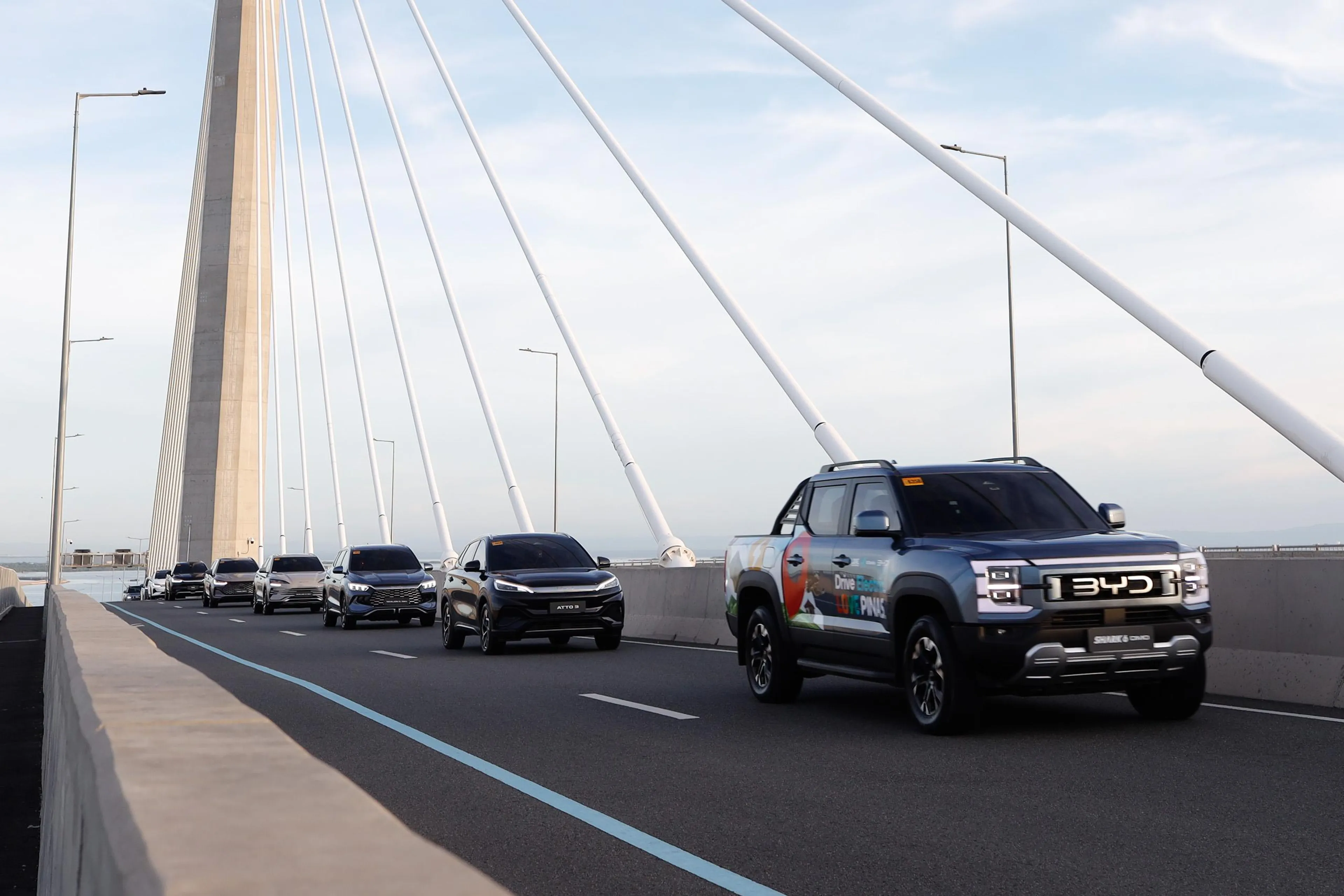
BYD “Drive Electric, Love Pinas” campaign sets two Guinness World Records
BYD and Department of Tourism’s “Drive Electric, Love Pinas” campaign makes it to Guinness World Records
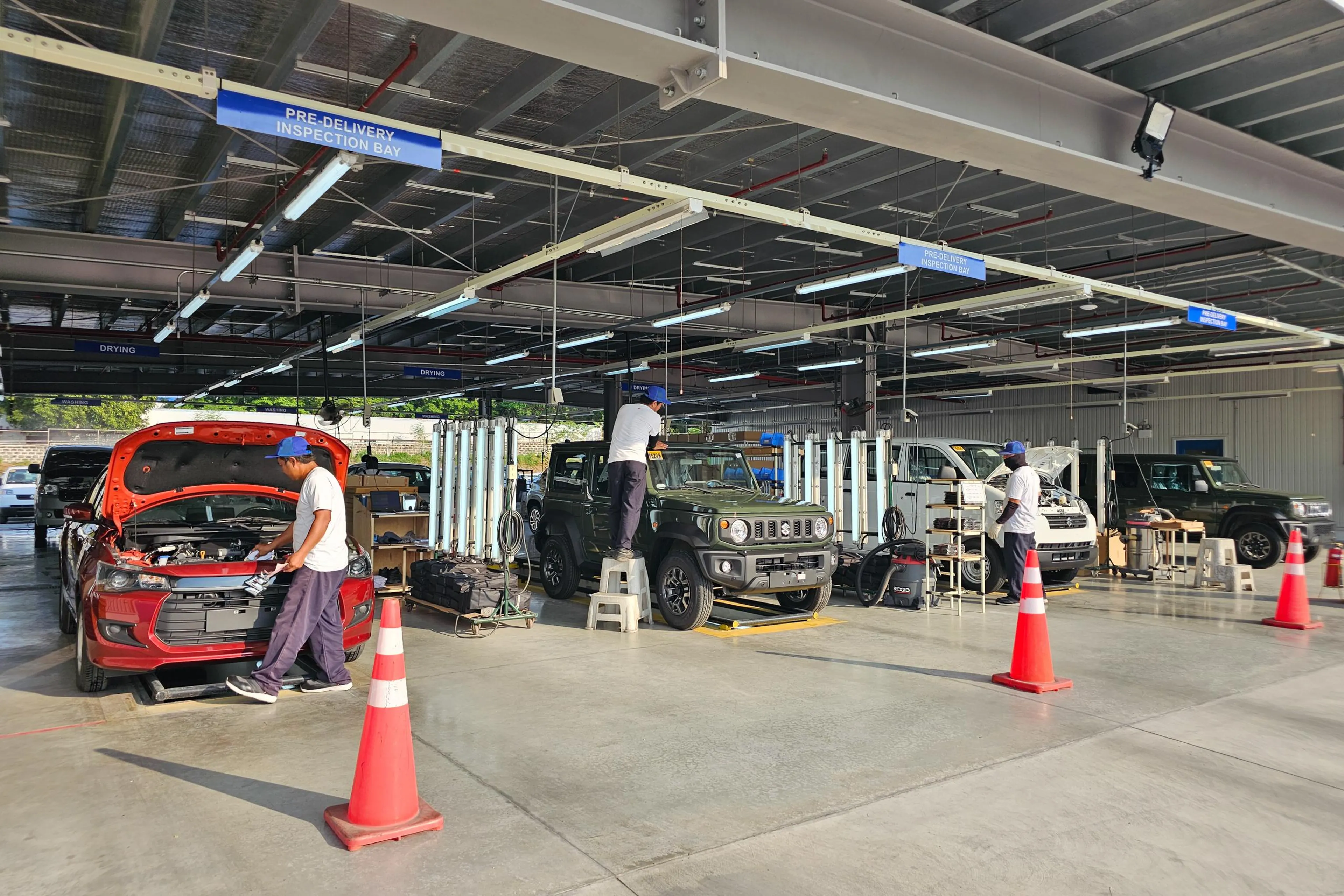
Suzuki Philippines expands Laguna pre-delivery inspection facility
The upgrade lets SPH meet demand while upholding global quality standards
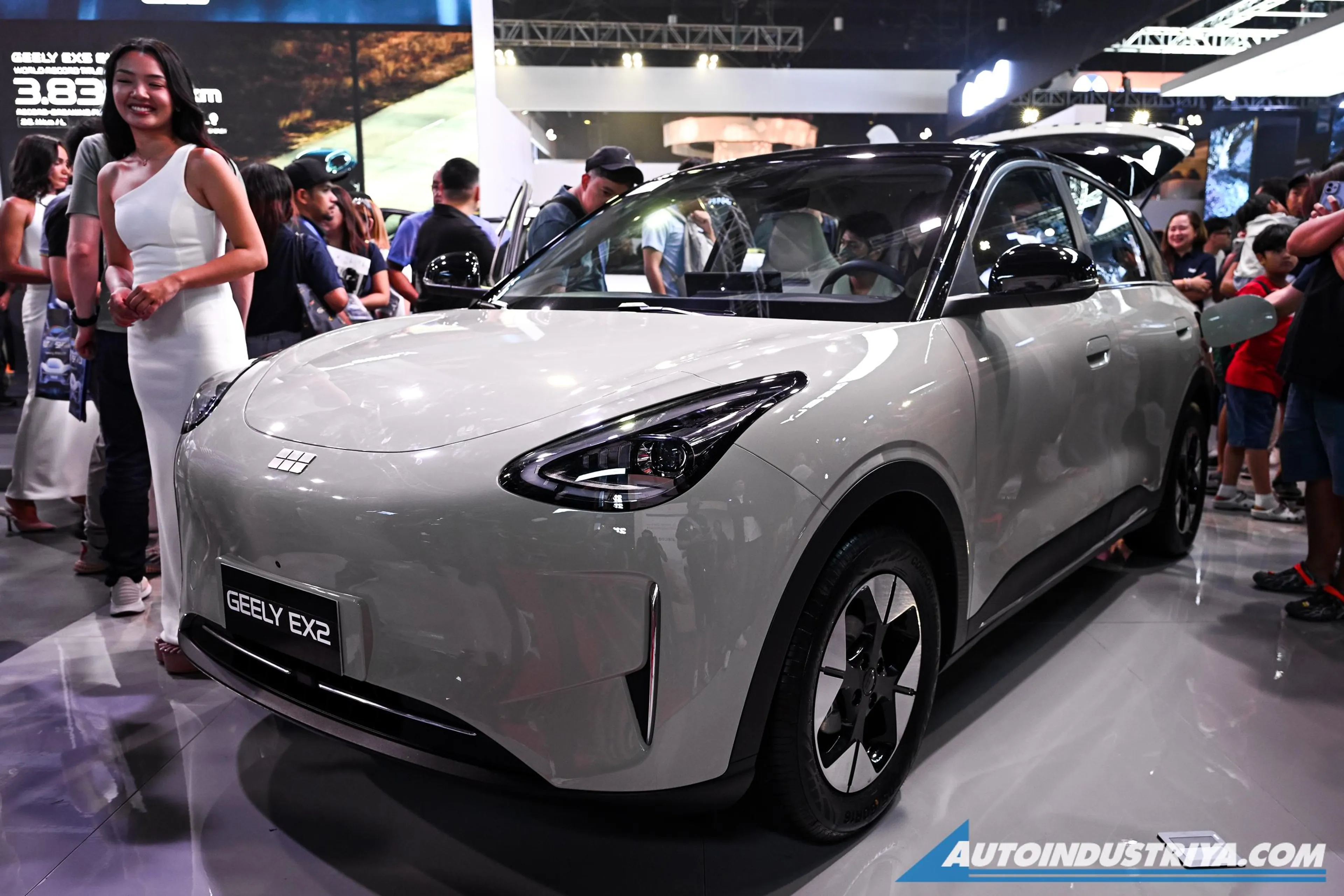
MIAS 2026: Geely PH previews EX2 EV to rival BYD Dolphin
Geely previews the EX2 at 2026 Manila International Auto Show; could start at PHP 950K
MIAS 2026: Jaecoo J5 HEV is priced to compete; starts at PHP 999K
OJPH wants to stir the B-SUV market with the J5 HEV