
Toyota developing EV Hilux with hydrogen fuel cell technology
TMUK secures funding for making an electric Hilux with fuel cells, will it be successful?

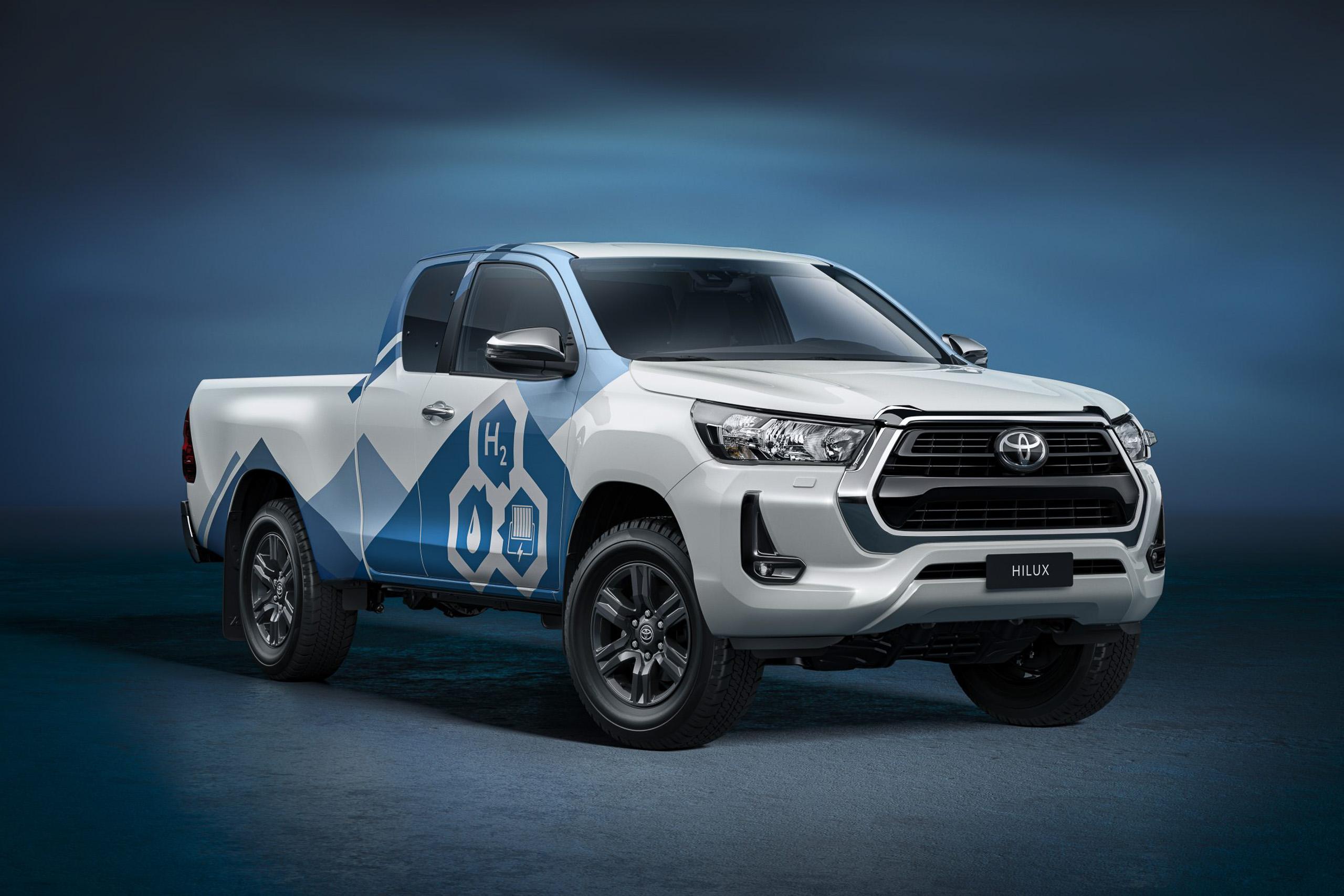
Toyota is bent on building more zero-emissions vehicles for the public. But instead of relying solely on electric vehicles (EVs), the automaker is also looking at hydrogen fuel cells (FCEV) to make the dream of zero emissions from vehicles a reality.
Sure, they already have the Mirai as their best example of hydrogen fuel cell EV technology. However, Toyota is also looking at making it feasible for one of its most popular commercial vehicles to date, the Hilux.
Toyota Motor Manufacturing UK (TMUK) has secured government funding and is leading a consortium to develop a prototype hydrogen fuel cell-powered version of the Hilux at the company’s UK factory in Burnaston, Derbyshire.
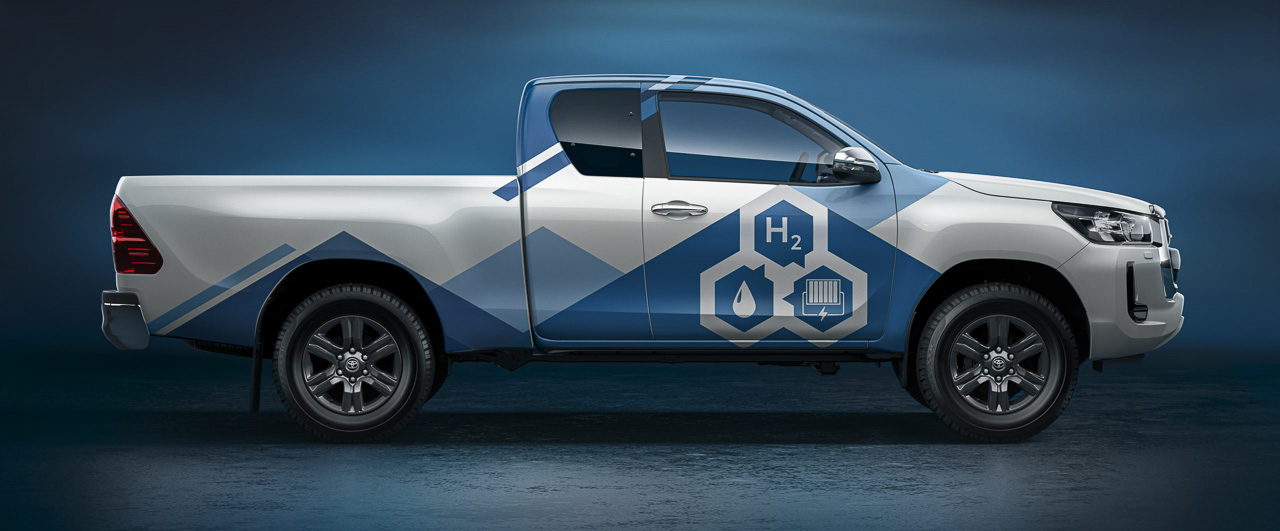
The funding will cover the development of a hydrogen fuel cell electric Hilux and it will be a collaborative work alongside highly-skilled UK-based technical engineering partners such as Ricardo, ETL, D2H, and Thatcham Research. The project itself will make use of components derived from Toyota’s second-generation fuel cell system as featured in the latest Mirai in order to transform the Hilux into an EV.
Within the scope of the funding bid, initial prototype Hilux vehicles will be produced at Burnaston during 2023. Once successful performance results have been conducted, the intention is to prepare the vehicle for small series production. This presents an opportunity for Toyota to investigate further the possibility of applying the brand’s fuel cell tech in a vehicle segment that is popular with a number of industry groups while also helping reduce emissions.
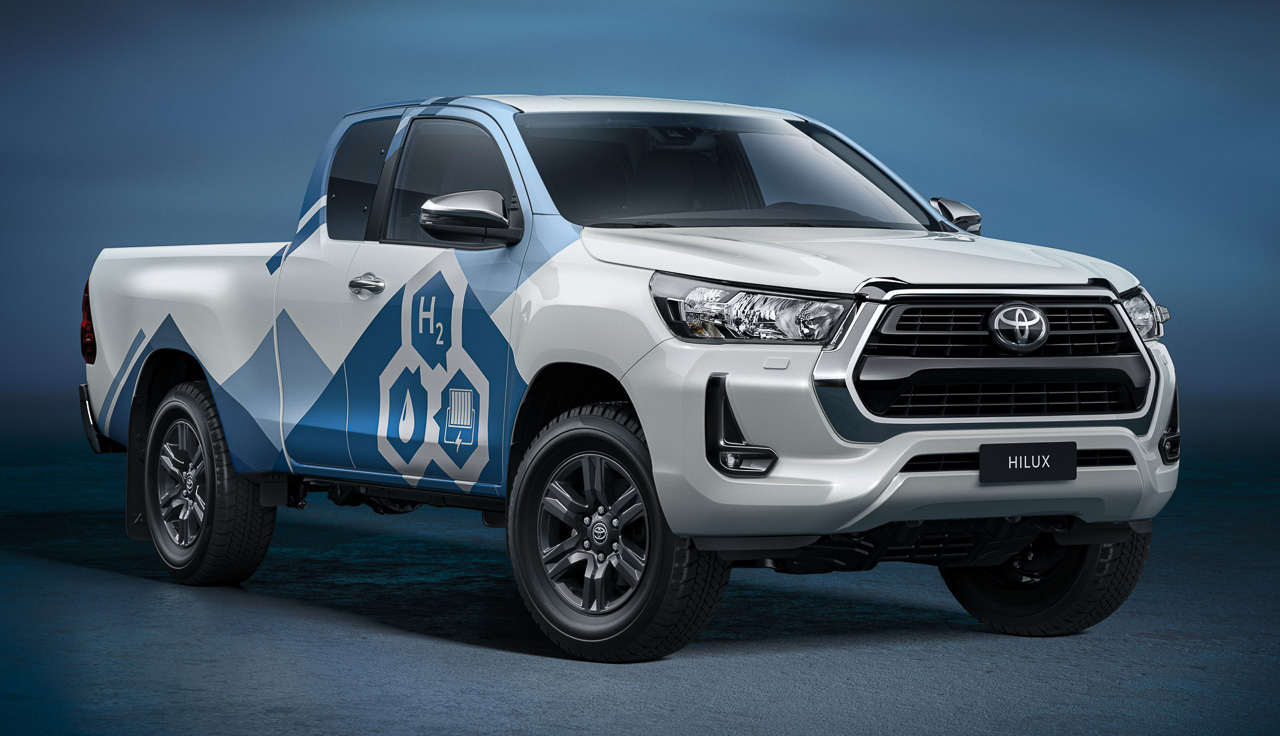
“The UK is one of the key markets for pickup trucks and an important market for Toyota. This funding represents a tremendous opportunity to develop a zero-emission solution in a critical market segment. We would like to thank the UK Government for the funding that will enable the consortium to investigate the development of a fuel cell powertrain for the Toyota Hilux, supporting our carbon neutrality ambition,” said Matt Harrison, Toyota Motor Europe president and CEO.
With TMUK working on an EV Hilux powered by fuel cell technology, could Toyota make this type of propulsion available to other markets once testing is complete? And will it serve as a viable alternative to the more tried-and-tested battery-electric vehicles (BEVs)? Let us know what you think in the comments.
Related Posts
Toyota PH launches T-OPT aftermarket brand at MIAS 2026
Toyota Motor Philippines officially introduces T-OPT, which is their latest premium regional aftermarket parts brand
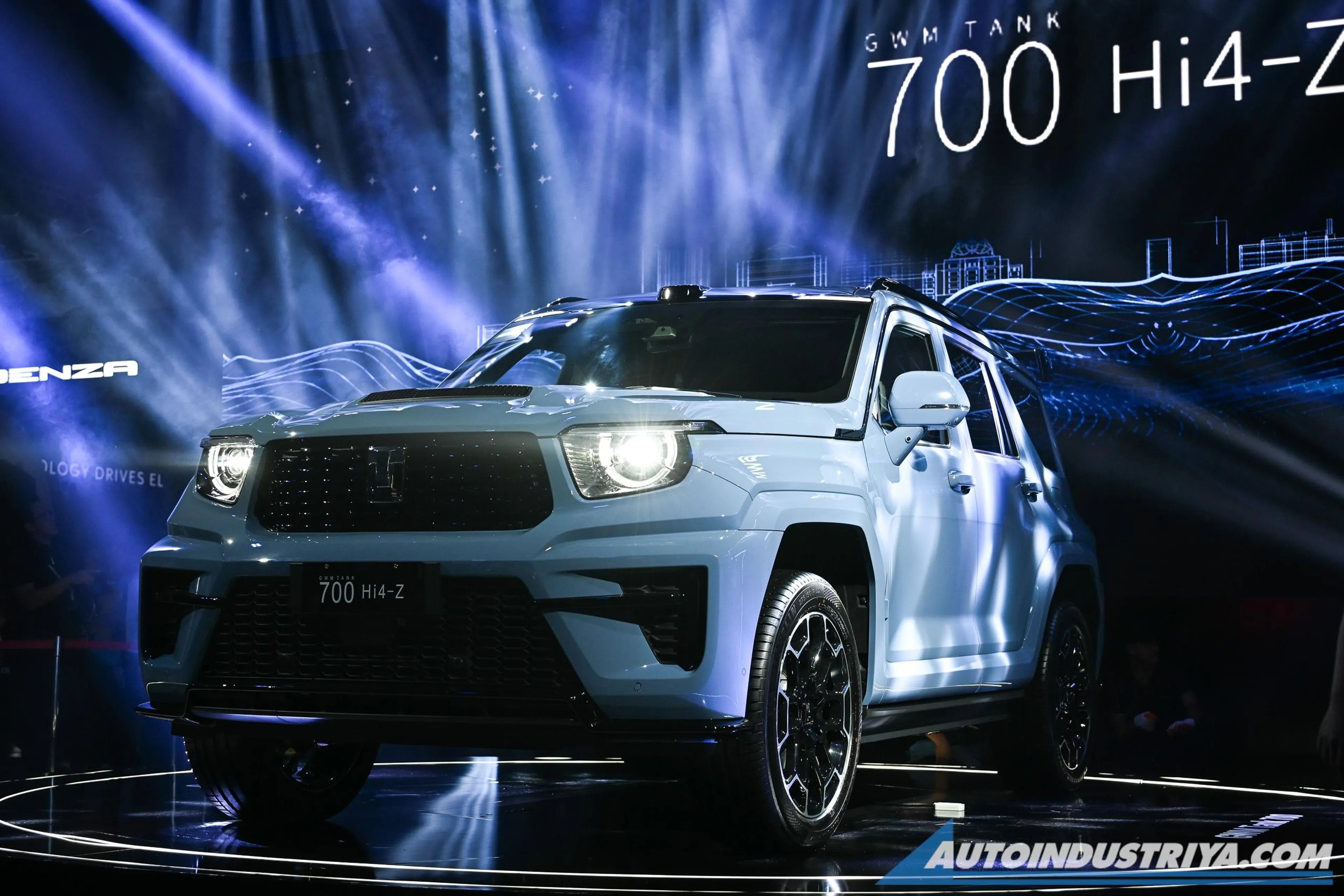
MIAS 2026: GWM Tank 700 PHEV makes first overseas market debut in PH
The GWM Tank Hi4-Z PHEV arrives in PH just weeks after it debuted in the PRC
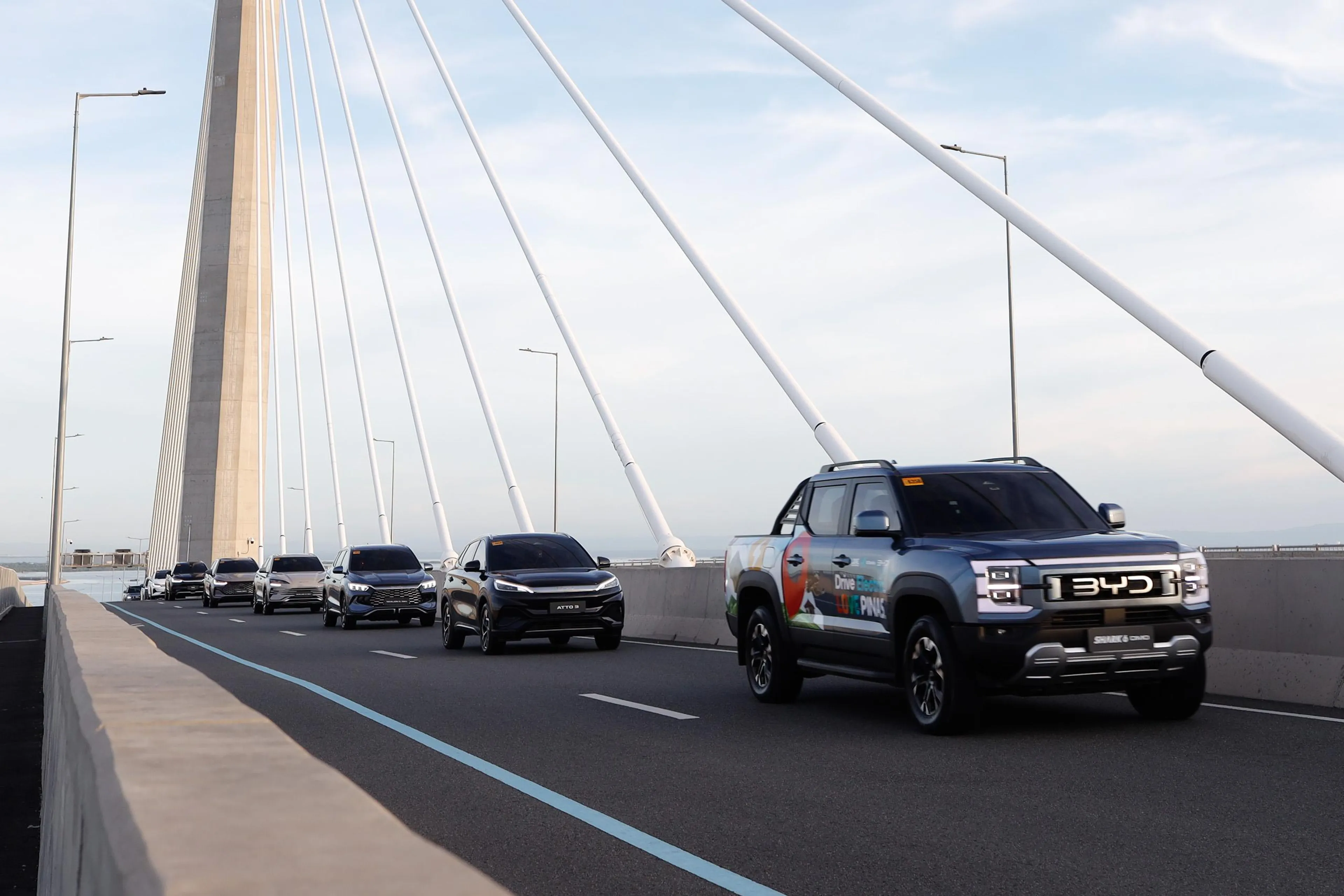
BYD “Drive Electric, Love Pinas” campaign sets two Guinness World Records
BYD and Department of Tourism’s “Drive Electric, Love Pinas” campaign makes it to Guinness World Records
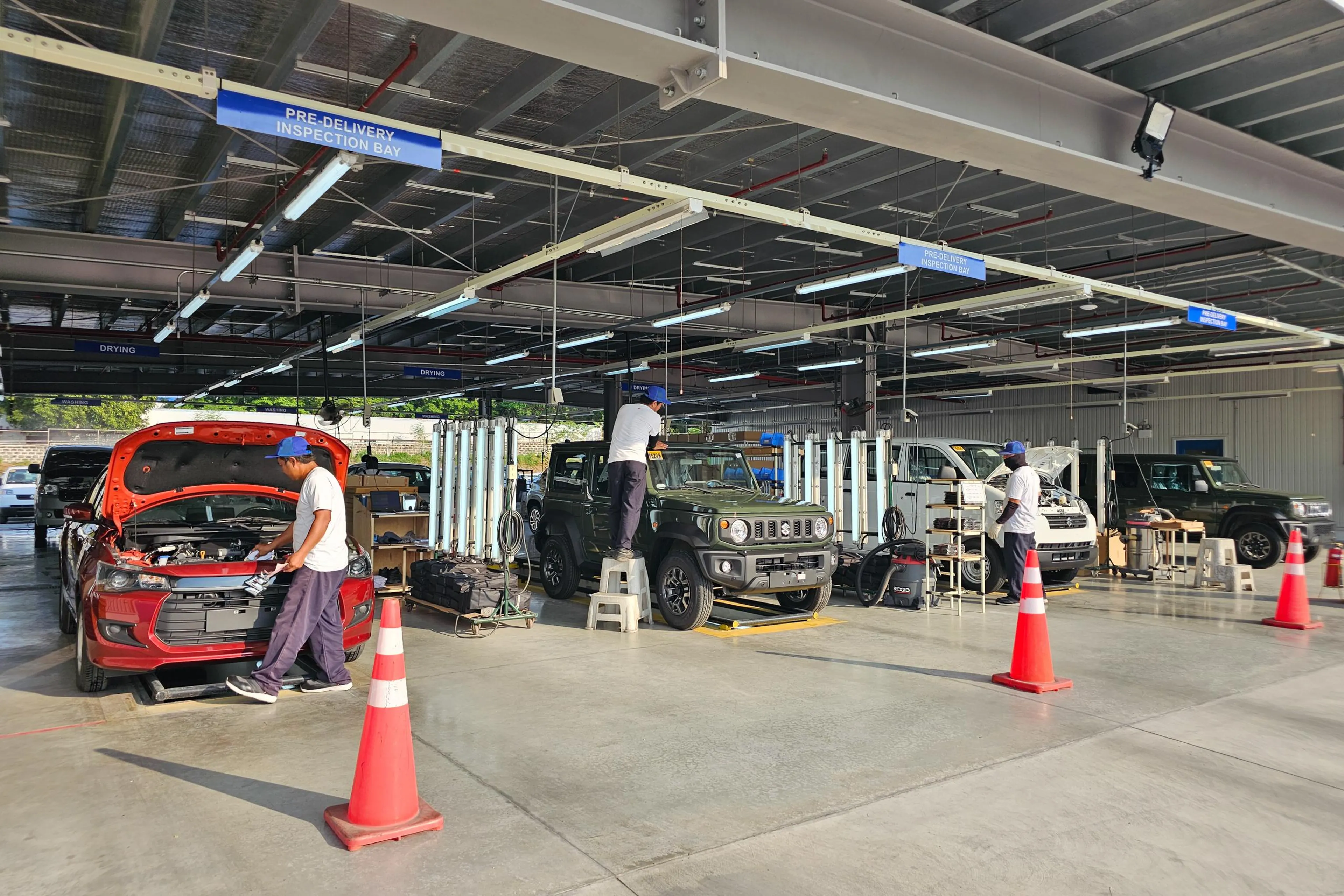
Suzuki Philippines expands Laguna pre-delivery inspection facility
The upgrade lets SPH meet demand while upholding global quality standards
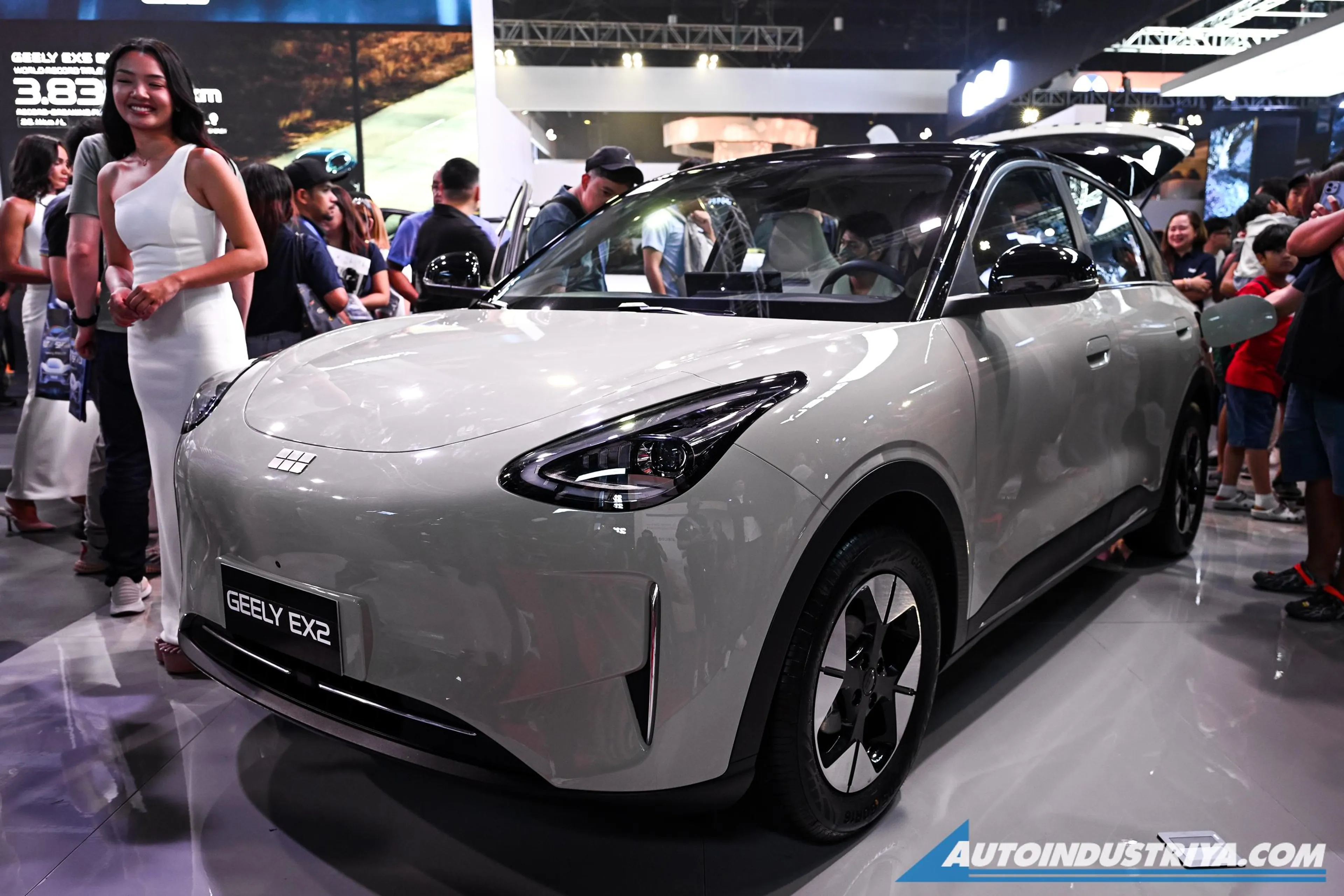
MIAS 2026: Geely PH previews EX2 EV to rival BYD Dolphin
Geely previews the EX2 at 2026 Manila International Auto Show; could start at PHP 950K
MIAS 2026: Jaecoo J5 HEV is priced to compete; starts at PHP 999K
OJPH wants to stir the B-SUV market with the J5 HEV