
Solon wants to revive Philippine vehicle manufacturing industry
Government support, tax incentives, and mandatory Pinoy-made vehicle fleet for government agencies

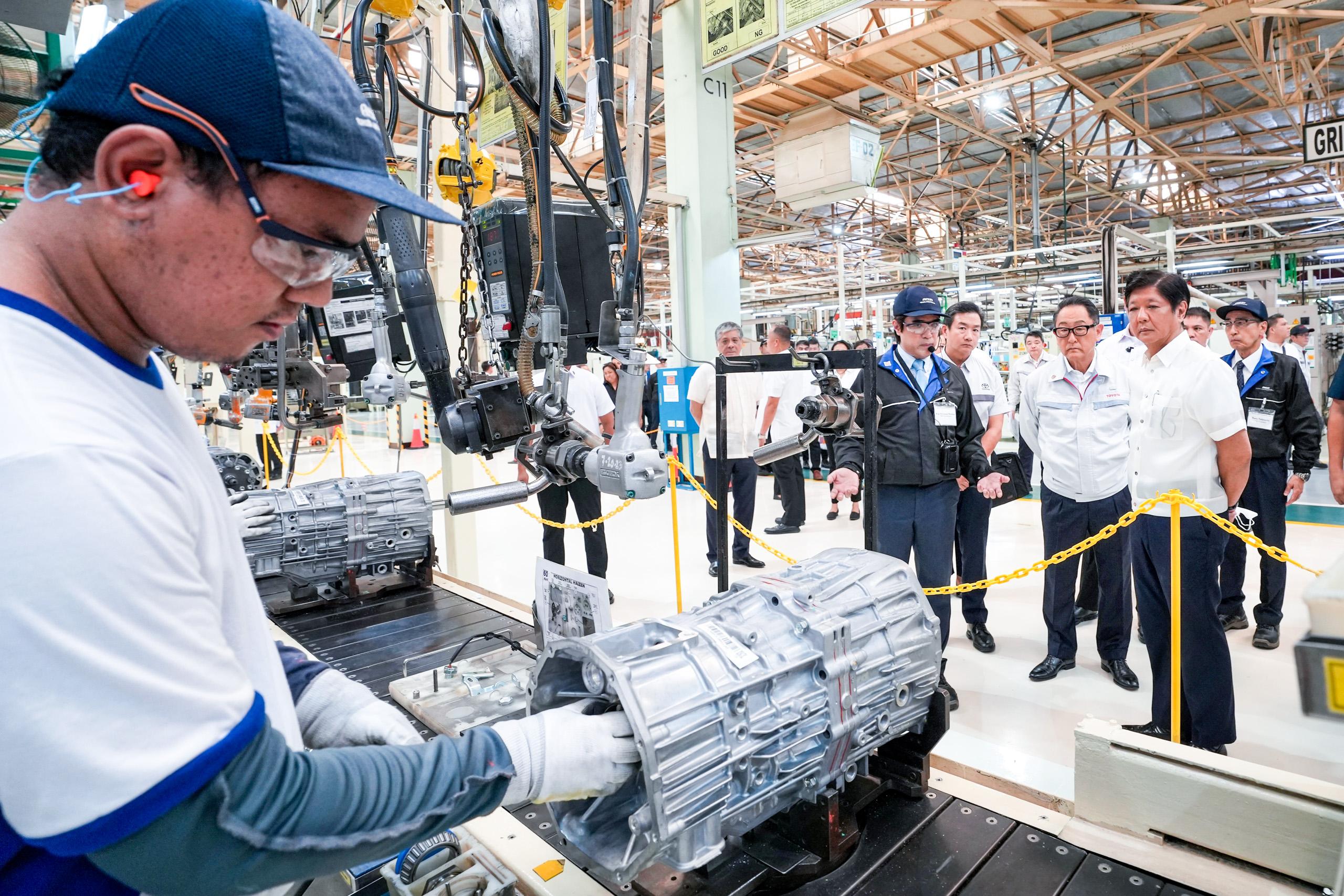
Decades ago, the Philippines was one of Asia’s major hubs in the automotive and its parts manufacturing industry, creating thousands of jobs and infusing the economy with billions in export revenue. Unfortunately, years of political neglect, rising taxes, and expensive manufacturing costs have made the country lag behind our ASEAN neighbors—way behind.
Now, a lawmaker wants to revive this industry, proposing a law that will “enhance and elevate motor vehicle production to make way for more employment opportunities” and to have a “competitive motor vehicle manufacturing industry that will significantly contribute to the Gross Domestic Product (GDP) of the country.”
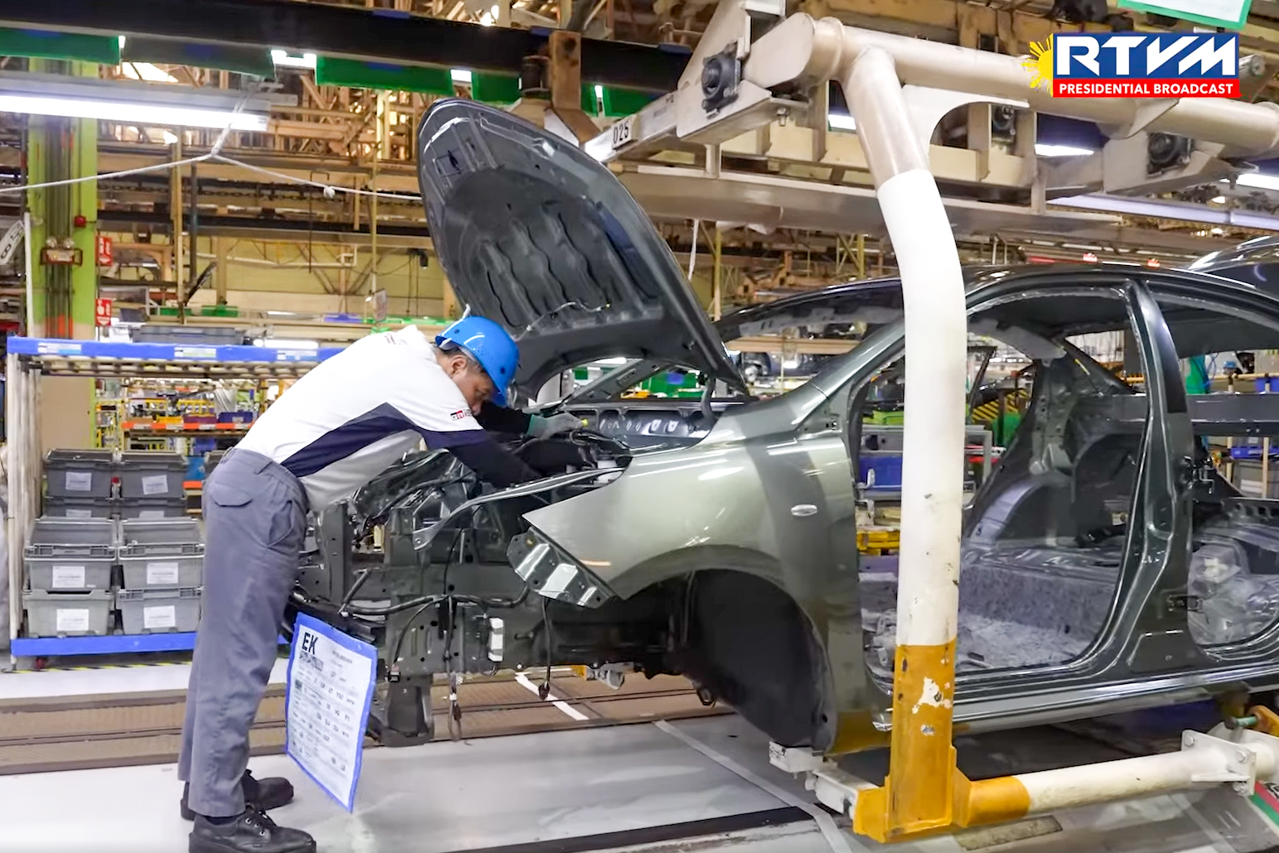
PMVMI Law
To revitalize the nation’s automotive and parts manufacturing sector and foster greater competitiveness within ASEAN, Senator Mark Villar has introduced Senate Bill (SB) 3004, or the Philippine Motor Vehicle Manufacturing Industry (PMVMI) Act.
SB 3004 outlines key pillars to revive the country’s automotive and parts industry:
1) National Roadmap
The bill calls for a “National Motor Vehicle Manufacturing Development Roadmap,” which will be a six-year plan to guide the industry’s growth, including targets for manufacturing and its exports.
2) Government support
The Department of Trade and Industry (DTI), through its Board of Investments (BOI), will be the lead agency. These agencies will create a new office—the Motor Vehicle Industry Development Office (MVIDO), to help implement this. Additionally, a Motor Vehicle Manufacturing Development Council (MVMDC) will also be established. This council will include government officials from various departments, including finance, transportation, energy, science and technology, etc., along with representatives from the private sector and academic institutions.
Their role is to discuss issues, recommend solutions, and ways to make the Philippines a stronger production and export hub in the ASEAN region.
3) Incentives
The motor vehicle and component manufacturing industries will be considered priority investment sectors, meaning they could receive tax incentives and other government support programs to encourage investors from both local and foreign.
4) Buy Pinoy
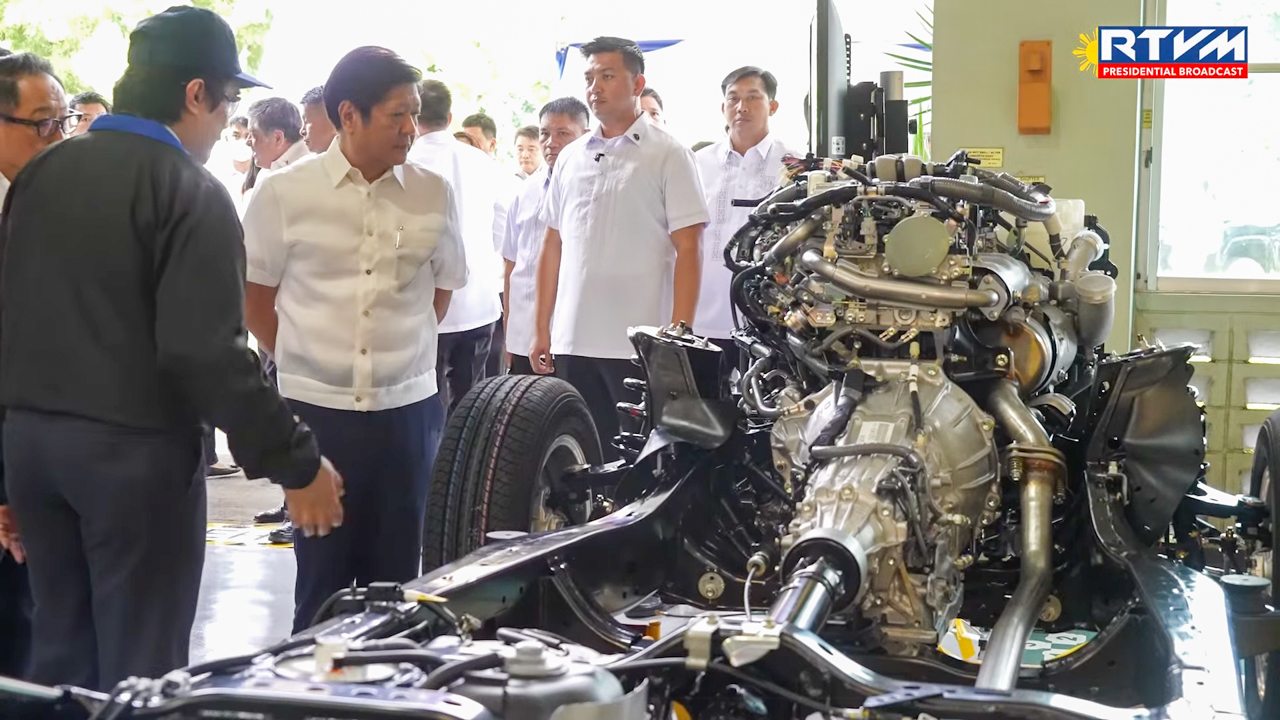
The bill mandates that government agencies, on national, local, and government-owned and controlled corporations (GOCCs) to prioritize buying or leasing vehicles that are made in the Philippines. This means at least 50% of their vehicle fleet should be domestically manufactured, unless suitable local options aren’t available, like specialized use vehicles for emergency and defense use.
The full text of SB 3004 can be viewed here. Given the government’s now zero-tariff policy on US-made products (with the policy specifics published soon), do you believe a stronger local automotive manufacturing sector would be beneficial, especially in this context?
Related Posts
Toyota PH launches T-OPT aftermarket brand at MIAS 2026
Toyota Motor Philippines officially introduces T-OPT, which is their latest premium regional aftermarket parts brand
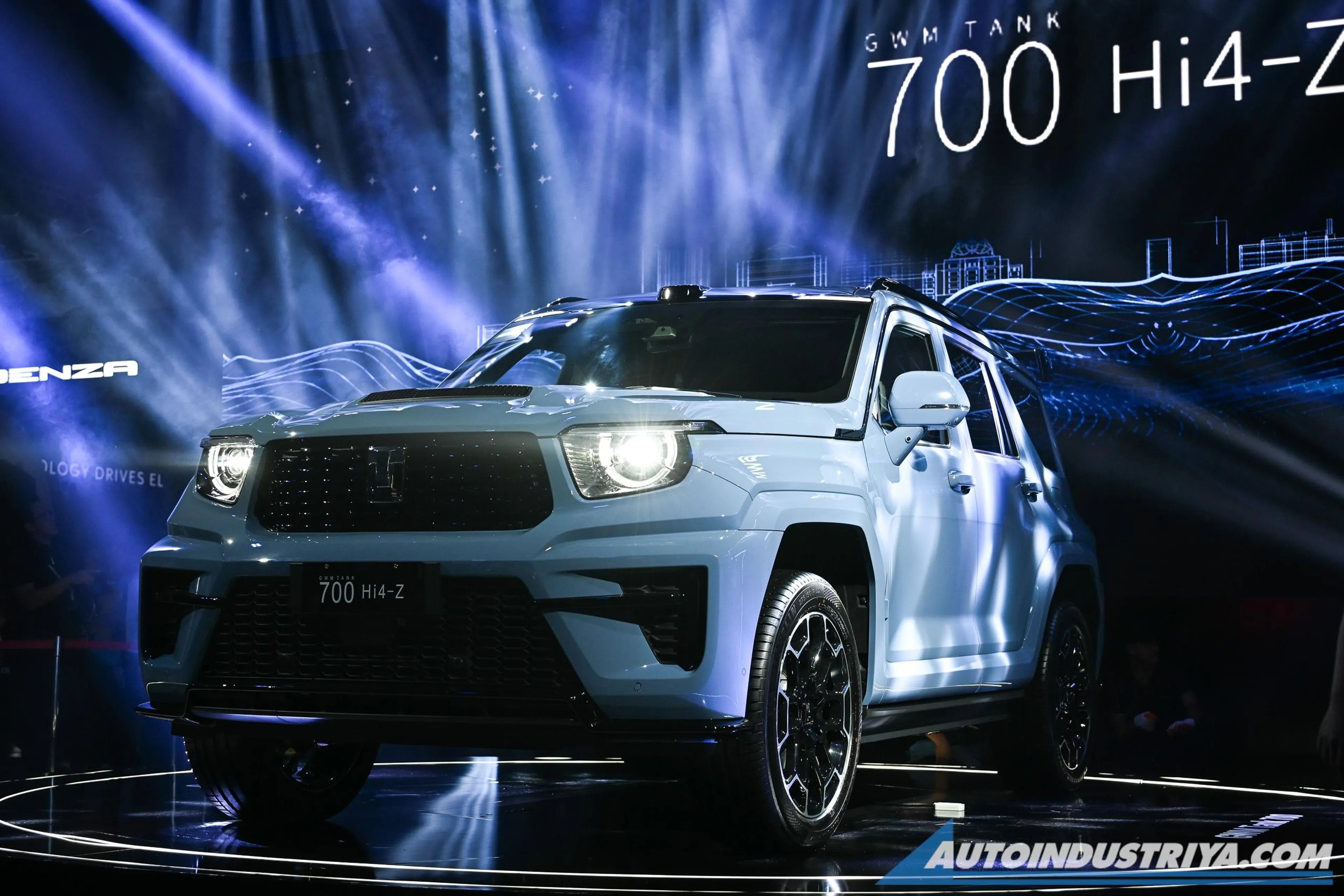
MIAS 2026: GWM Tank 700 PHEV makes first overseas market debut in PH
The GWM Tank Hi4-Z PHEV arrives in PH just weeks after it debuted in the PRC
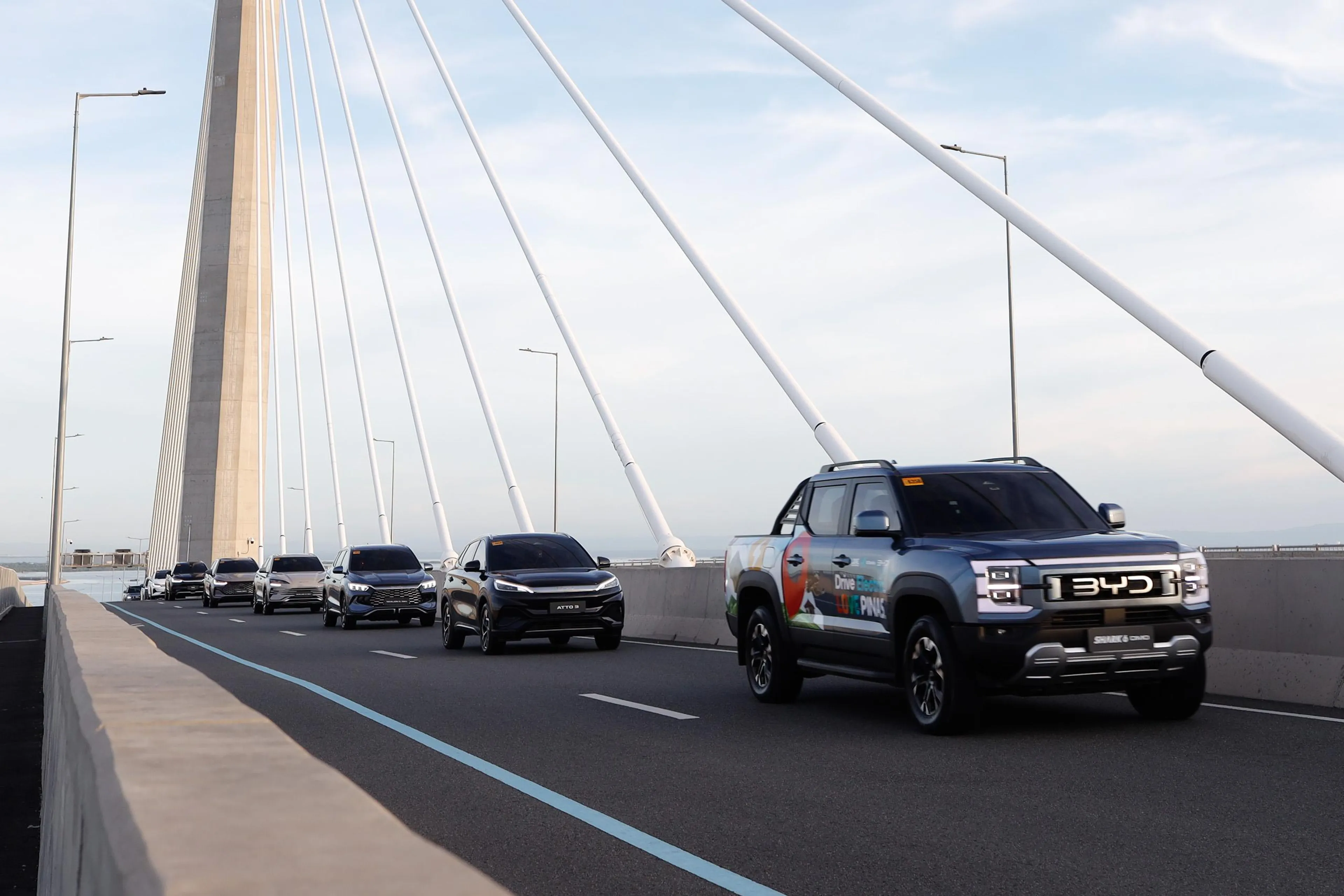
BYD “Drive Electric, Love Pinas” campaign sets two Guinness World Records
BYD and Department of Tourism’s “Drive Electric, Love Pinas” campaign makes it to Guinness World Records
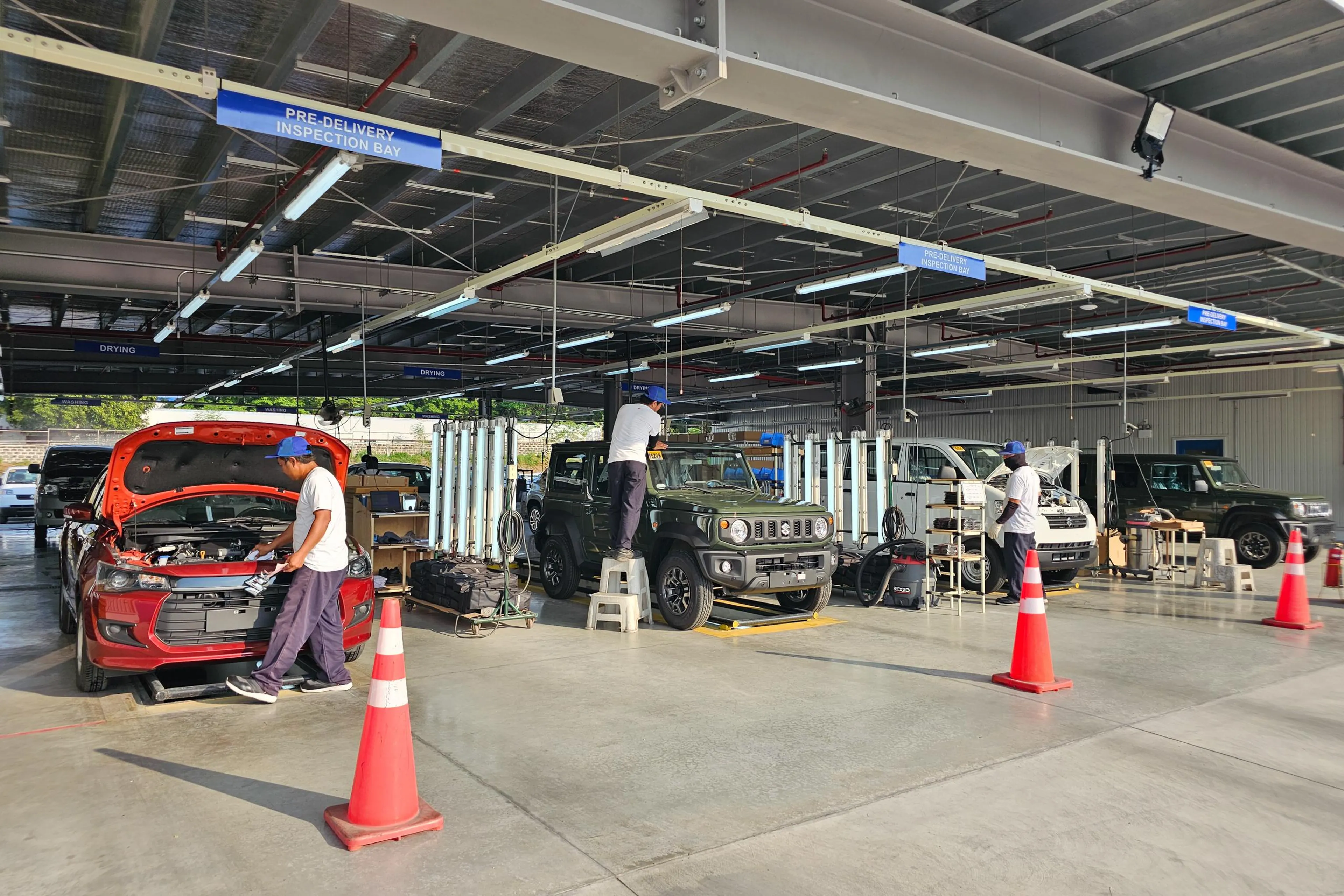
Suzuki Philippines expands Laguna pre-delivery inspection facility
The upgrade lets SPH meet demand while upholding global quality standards
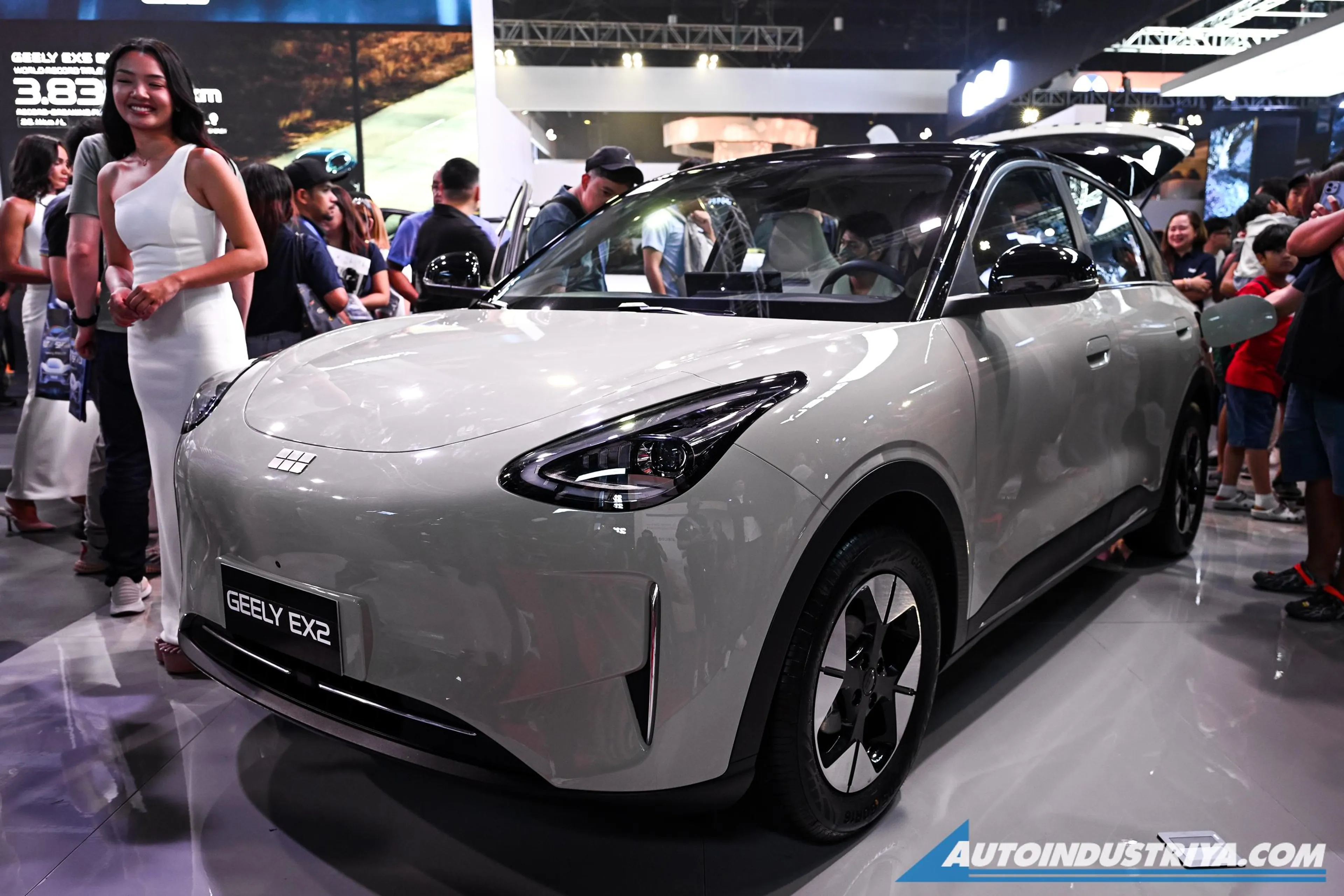
MIAS 2026: Geely PH previews EX2 EV to rival BYD Dolphin
Geely previews the EX2 at 2026 Manila International Auto Show; could start at PHP 950K
MIAS 2026: Jaecoo J5 HEV is priced to compete; starts at PHP 999K
OJPH wants to stir the B-SUV market with the J5 HEV