
Report: Honda wanted Nissan to abandon e-Power hybrid system
More details about Nissan and Honda's merger deal falling apart reveal vast differences between the two companies

Last week, Nissan and Honda confirmed they have ended merger talks. The deal between the two automakers fell through due to differences between management, as well as reports that Honda wanted Nissan to become a subsidiary rather than an equal partner. With both brands no longer interested in merging, what went wrong?
Based on a recent report by The Japan News, one of the major clash points between the two automakers was about hybrid technology. According to a senior Nissan executive, Honda told the embattled automaker to restructure its business and abandon its current hybrid technology called “e-Power”. This apparently struck a nerve with Nissan as it hurt their pride as one of the pioneer brands to introduce a hybrid powertrain.
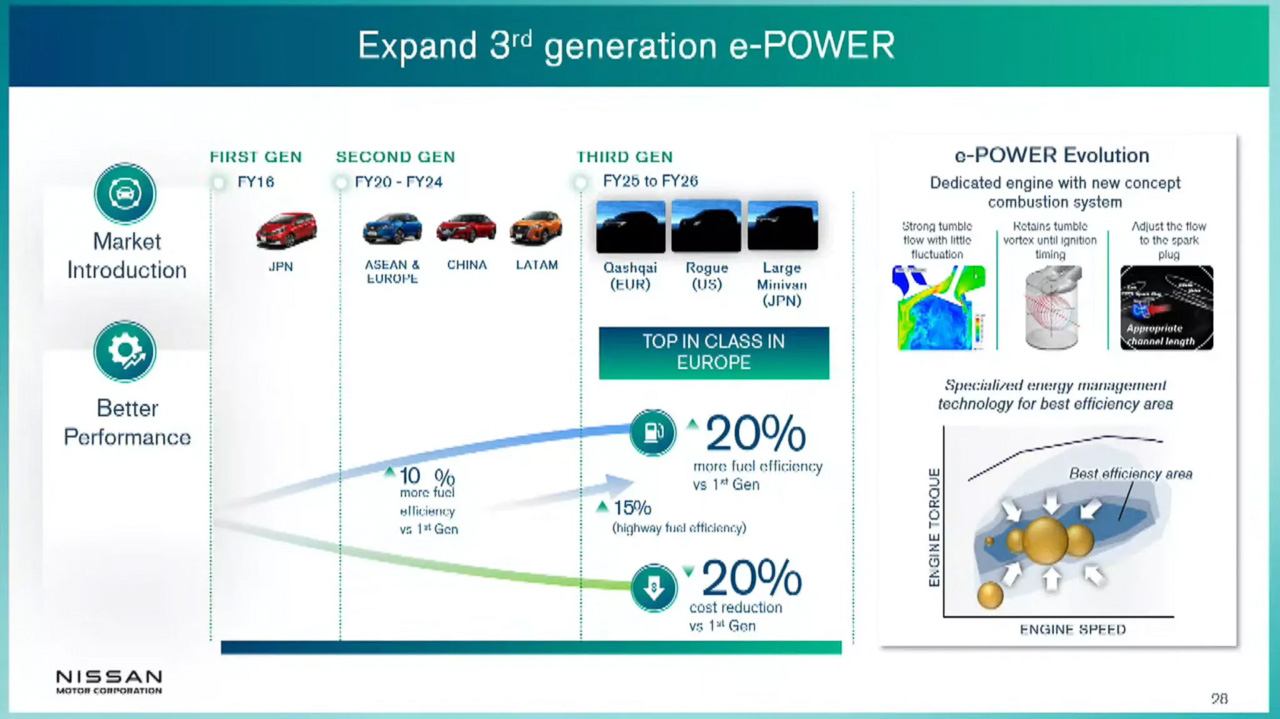
This eventually became one of the major points wherein the merger deal between Nissan and Honda fell apart. That's because Honda wanted Nissan to use its e:HEV system in making new hybrid electric vehicles (HEVs). Nissan wanted no part in using Honda's hybrid system as they are set to introduce the latest generation e-Power system in the next few years.
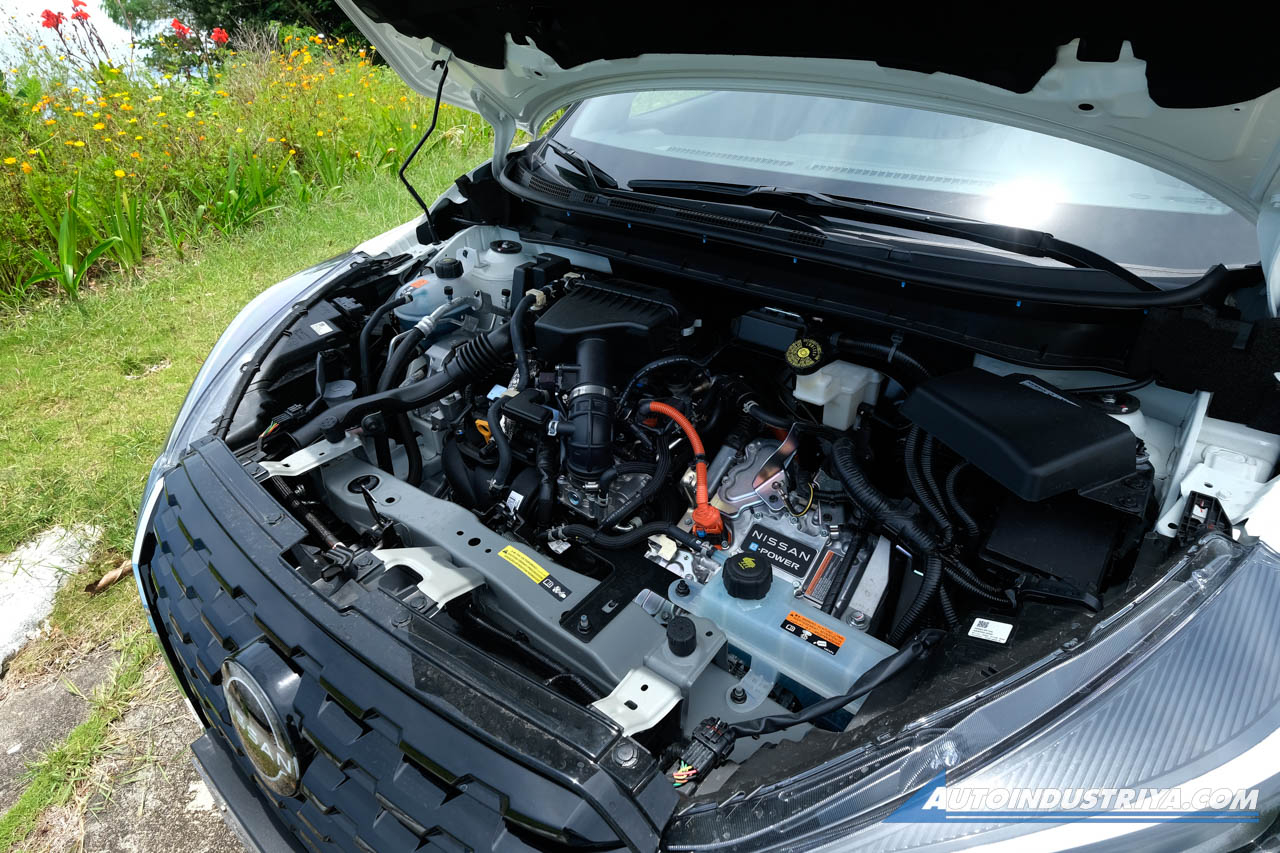
In review, Nissan's e-Power hybrid system consists of an electric motor, an internal combustion engine (ICE), and a battery pack. Unlike typical parallel hybrid systems used by Honda and Toyota, Nissan's e-Power is a series hybrid wherein the engine does not directly power the wheels. Instead, the ICE serves as an onboard generator that recharges the battery and provides an extra boost to the motor while on the move.
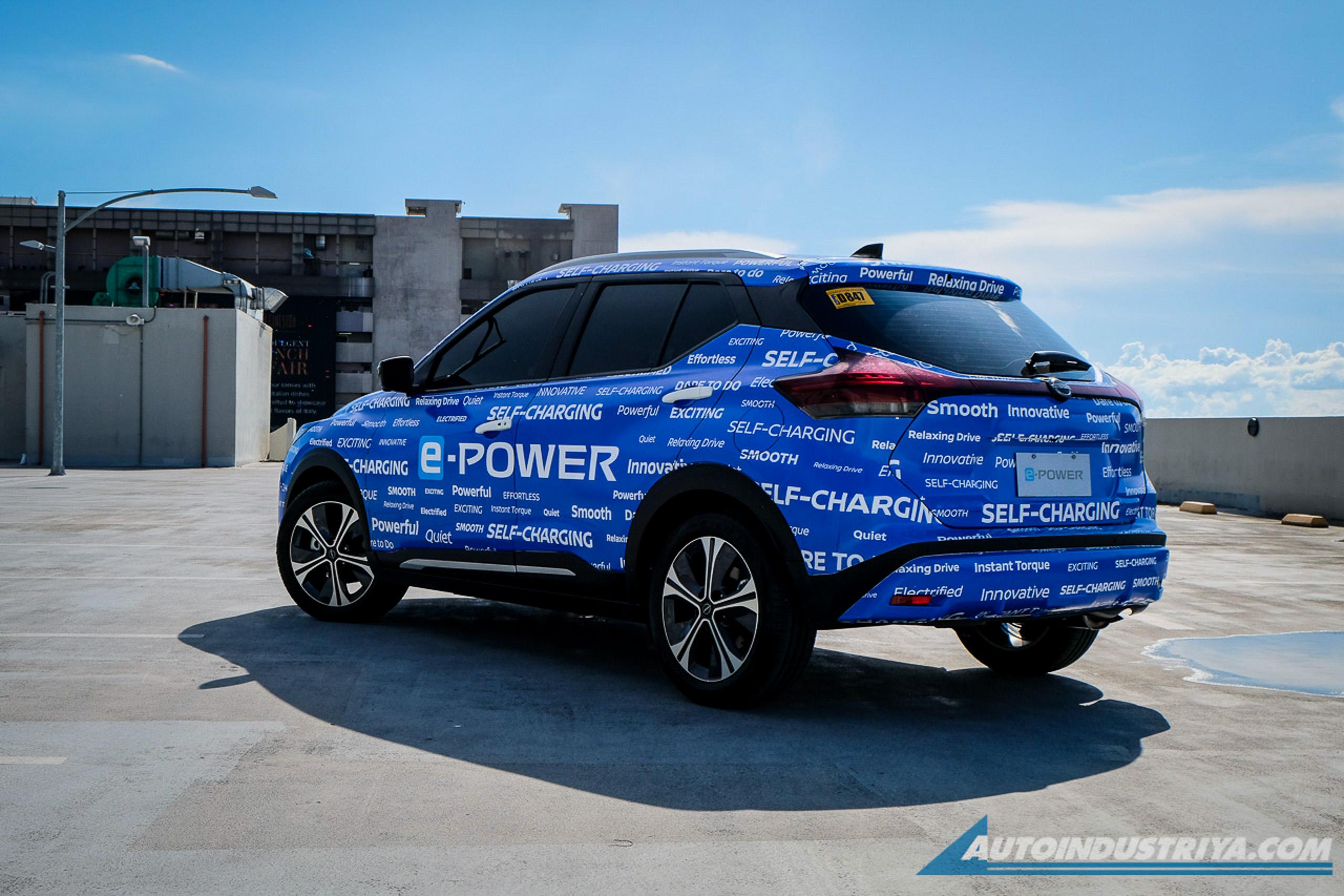
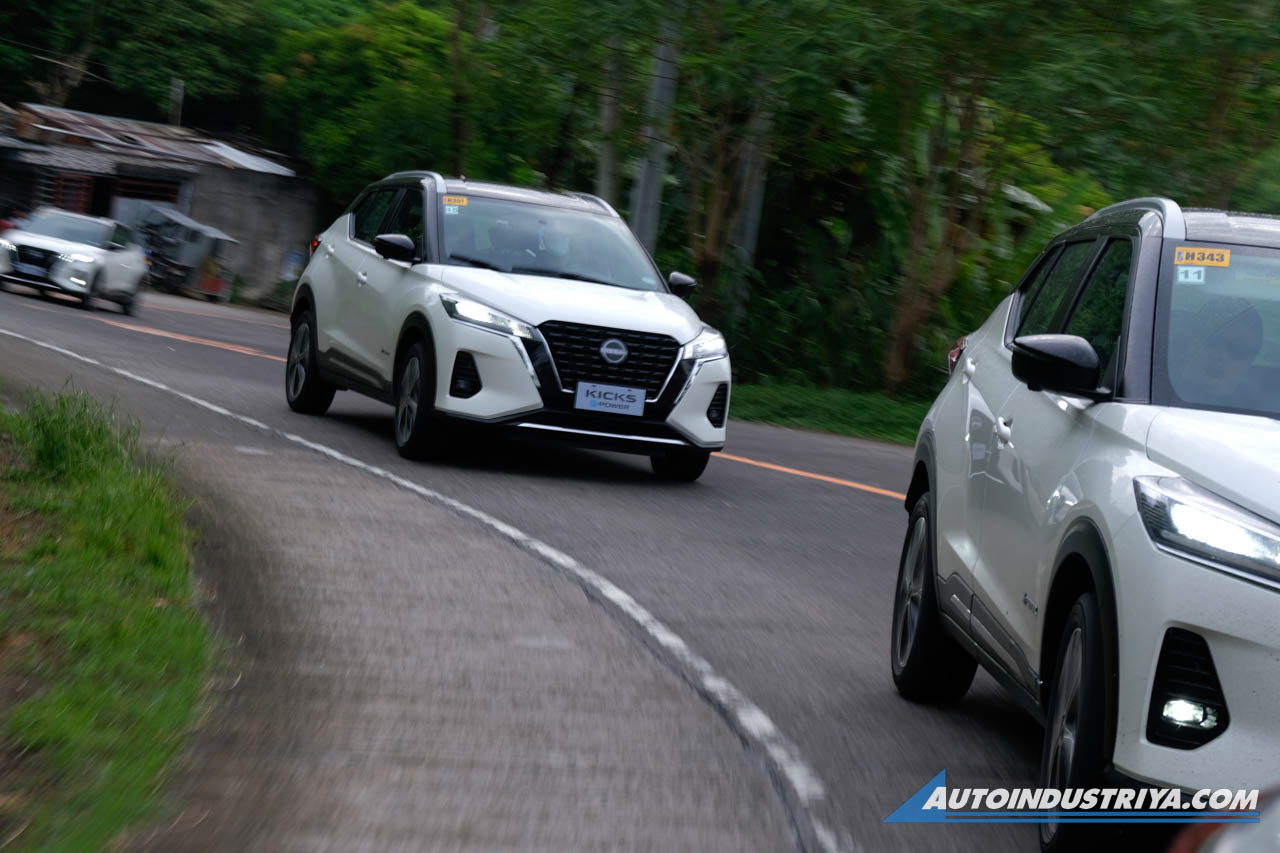
Nissan has seen success in the brand's hybrid system when they started selling the Kicks e-Power in the Philippines in 2022. The company even previewed the X-Trail e-Power during last year's Philippine International Motor Show (PIMS) although no exact timeline has been revealed for its eventual launch. Other markets in the region have also started selling e-Power models to attract customers who are looking for a hybrid vehicle.
Unfortunately for Nissan, they have been lagging in terms of electrification for the past several years. Add to that the growing competition from Chinese automakers that continue to put out new HEVs, plug-in hybrids (PHEVs), and EVs, Nissan needs to catch up with the times.
With Nissan sticking to its EV and e-Power systems, can the Japanese automaker keep up with the rest of the automotive world? And will they be able to find a suitable partner to move forward with their future electrification plans?
Related Posts
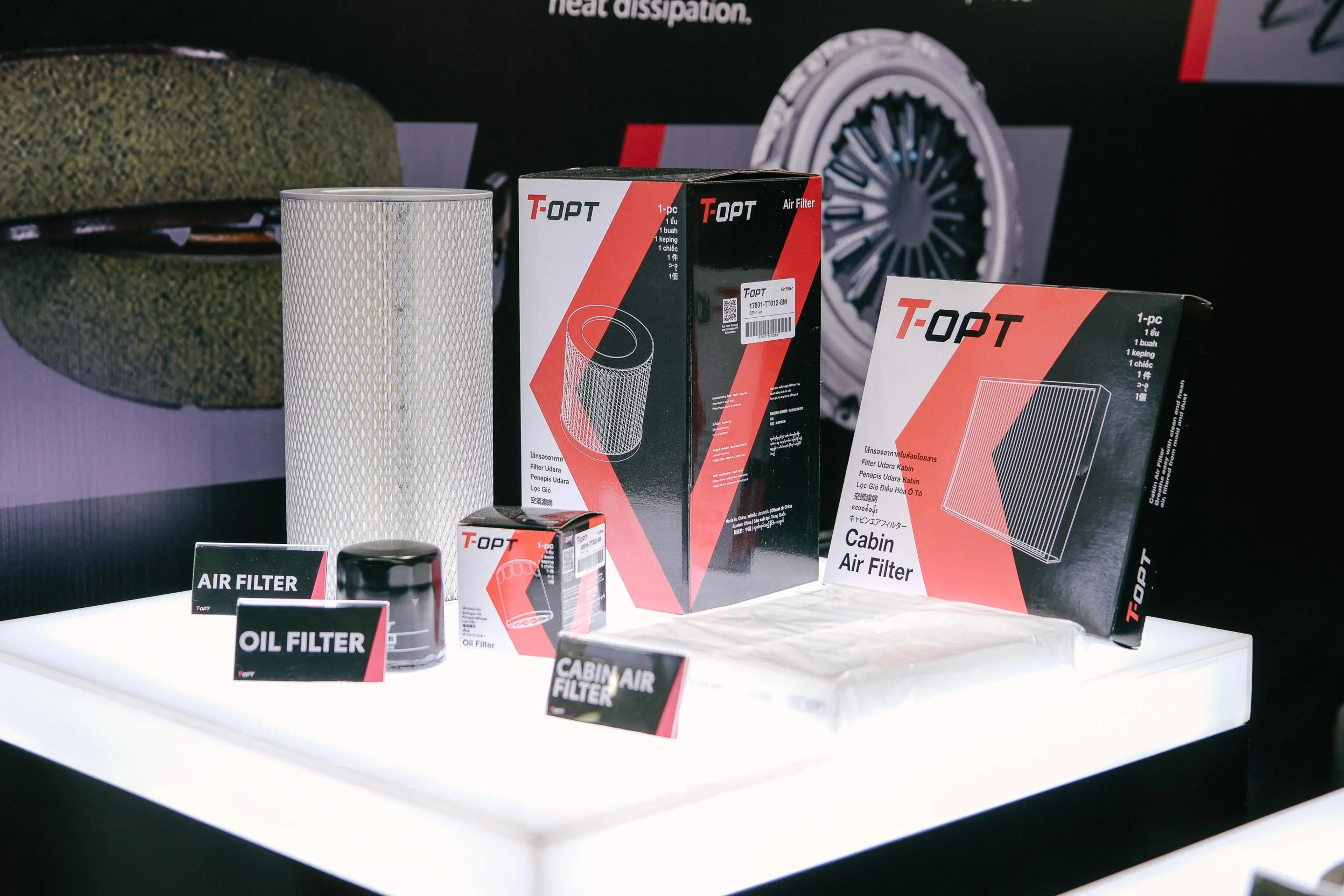
Toyota PH launches T-OPT aftermarket brand at MIAS 2026
Toyota Motor Philippines officially introduces T-OPT, which is their latest premium regional aftermarket parts brand
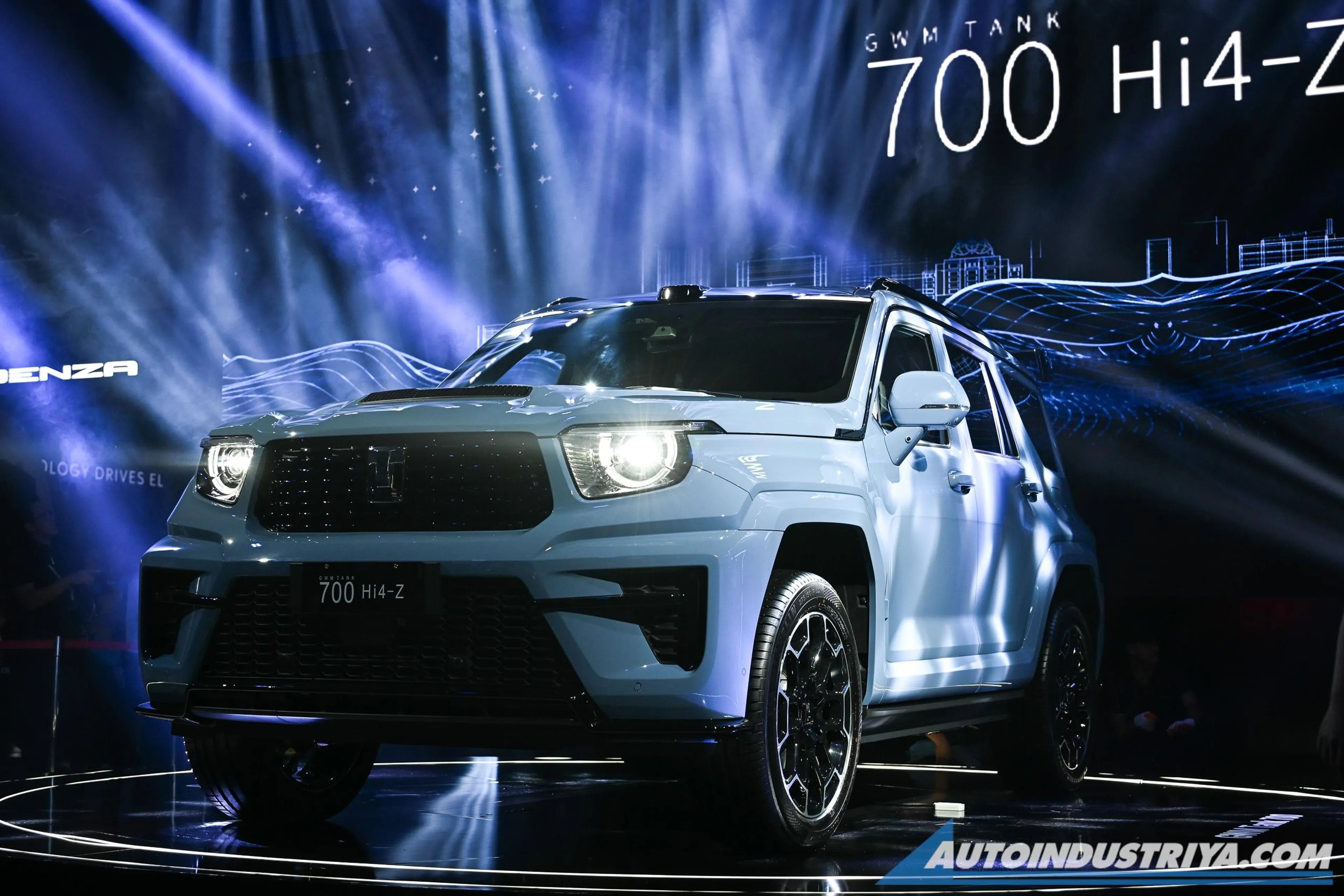
MIAS 2026: GWM Tank 700 PHEV makes first overseas market debut in PH
The GWM Tank Hi4-Z PHEV arrives in PH just weeks after it debuted in the PRC
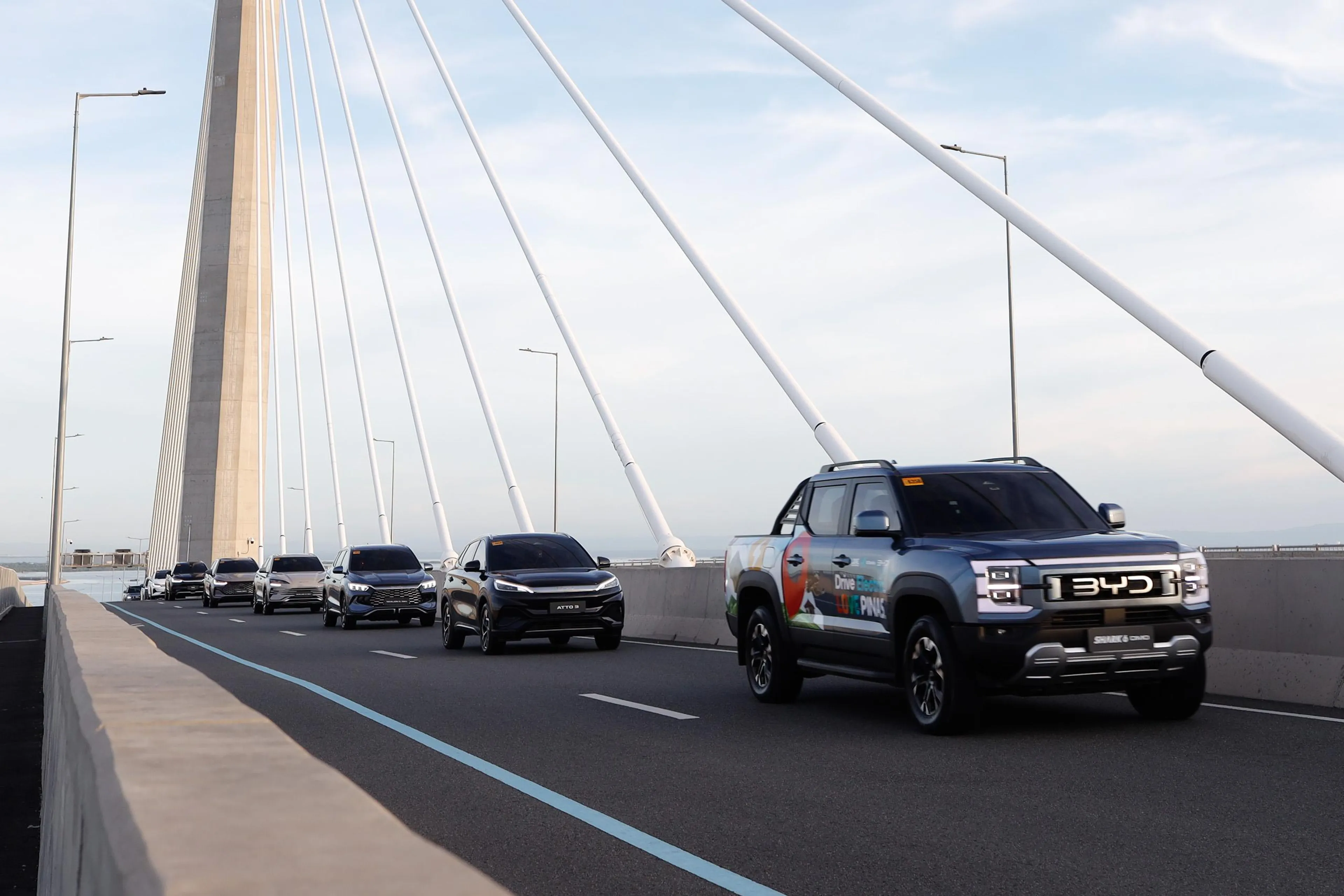
BYD “Drive Electric, Love Pinas” campaign sets two Guinness World Records
BYD and Department of Tourism’s “Drive Electric, Love Pinas” campaign makes it to Guinness World Records
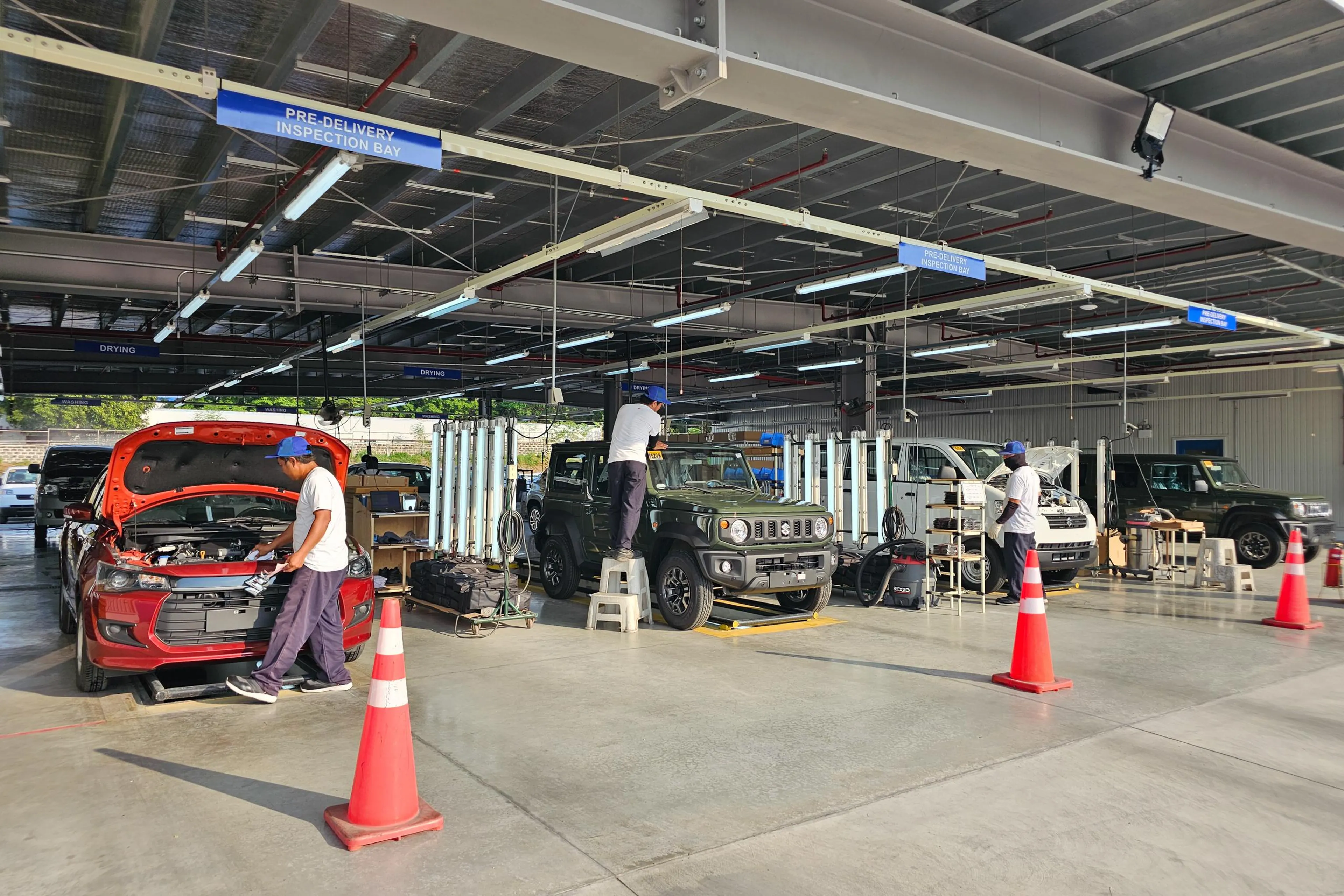
Suzuki Philippines expands Laguna pre-delivery inspection facility
The upgrade lets SPH meet demand while upholding global quality standards
MIAS 2026: Geely PH previews EX2 EV to rival BYD Dolphin
Geely previews the EX2 at 2026 Manila International Auto Show; could start at PHP 950K
MIAS 2026: Jaecoo J5 HEV is priced to compete; starts at PHP 999K
OJPH wants to stir the B-SUV market with the J5 HEV