
Price cap sanction against Russia could send oil prices surging
More sanctions against Russia could result in continuing fuel price hikes

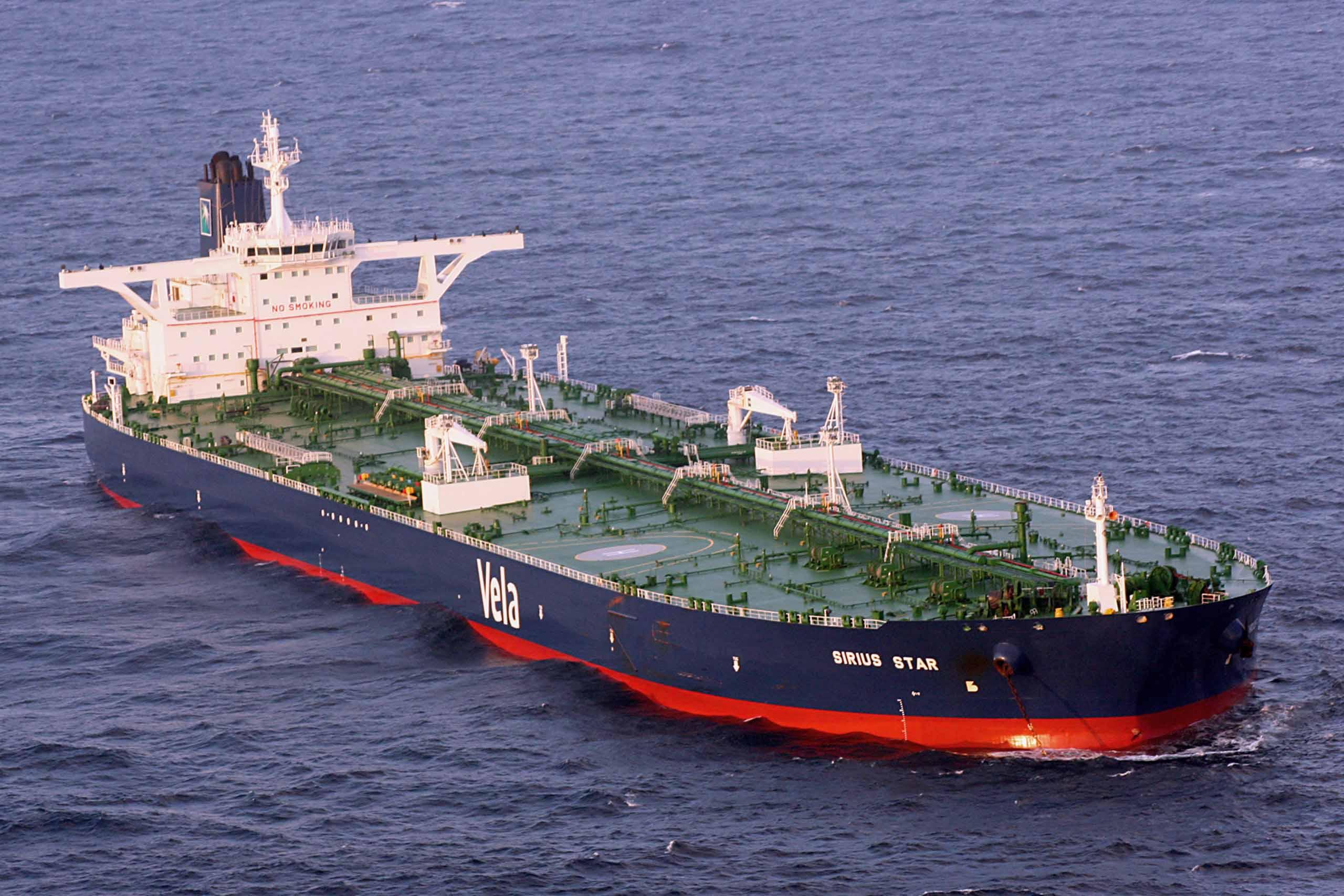
Better tighten your belts everyone as another oil price hike could happen next week.
While some might say that oil prices will eventually have to come down, the current situation might see another increase in pump prices next Tuesday. Earlier today, oil prices surged after members of G7 countries (Group of Seven) agreed to impose more sanctions against Russia.
One of the sanctions the G7 countries are discussing is putting a price cap on Russian oil in order to ease up on inflation, as well as reduce dependence on Russian fuel. By setting a limit on how much the country can charge for its oil, members of the G7 hope that it will reduce Moscow's revenues while still allowing more oil supply to reach the global market.
This is not the first time that an organization has tried to limit Russia's revenues amidst the ongoing conflict with Ukraine. Earlier this month, the European Union (EU) imposed a ban on Russian oil in an effort to “stop Russia's war machine and cut financing of the country's military capacity” as said by the union.
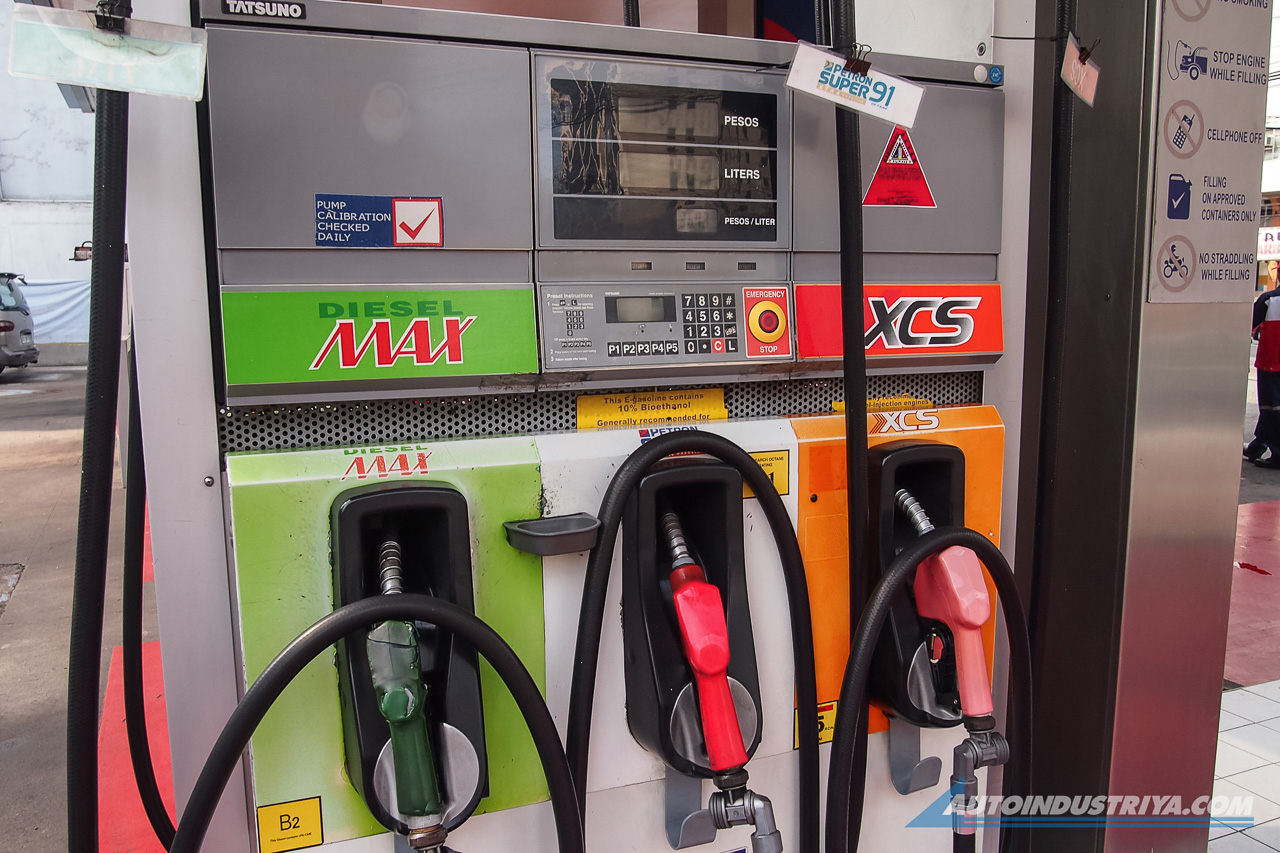
G7 countries such as Germany, Italy, France, and the US say that the price cap will put more pressure on Russia as the country continues its attack on Ukraine. But as mentioned earlier, this development has already caused a rise in oil prices.
As of this writing, the price of Brent crude oil per barrel is at USD 117.05. Meanwhile, West Texas Intermediate priced crude oil per barrel at USD 109.5. While they may not be as expensive as before, the price cap sanction means that the global energy crisis might worsen still.
More importantly, experts warn that the price cap sanction against Russia might backfire. In retaliation against the proposed price cap, Russia could decide to greatly reduce energy exports to other countries which would send oil prices skyrocketing. In fact, countries like Germany and Italy are already feeling the effects of the oil supply crisis due to the EU banning Russian oil.
On the other hand, France has called for other oil-producing nations to increase their production in order to reduce the dependence on oil coming from Russia. France even called for negotiations to allow the return of oil from Iran and Venezuela back to the global market in order to help overcome the ongoing energy crisis.
With no signs of the high fuel prices coming down anytime soon, motorists might have no other choice but to save every drop of fuel they have before another (possible) price hike hits next week.
Related Posts
Toyota PH launches T-OPT aftermarket brand at MIAS 2026
Toyota Motor Philippines officially introduces T-OPT, which is their latest premium regional aftermarket parts brand

MIAS 2026: GWM Tank 700 PHEV makes first overseas market debut in PH
The GWM Tank Hi4-Z PHEV arrives in PH just weeks after it debuted in the PRC

BYD “Drive Electric, Love Pinas” campaign sets two Guinness World Records
BYD and Department of Tourism’s “Drive Electric, Love Pinas” campaign makes it to Guinness World Records
Suzuki Philippines expands Laguna pre-delivery inspection facility
The upgrade lets SPH meet demand while upholding global quality standards

MIAS 2026: Geely PH previews EX2 EV to rival BYD Dolphin
Geely previews the EX2 at 2026 Manila International Auto Show; could start at PHP 950K

MIAS 2026: Jaecoo J5 HEV is priced to compete; starts at PHP 999K
OJPH wants to stir the B-SUV market with the J5 HEV