
Nissan to stop vehicle production at historic Oppama plant
Nissan is making strides to mitigate its finances and reduce costs under its recovery plan

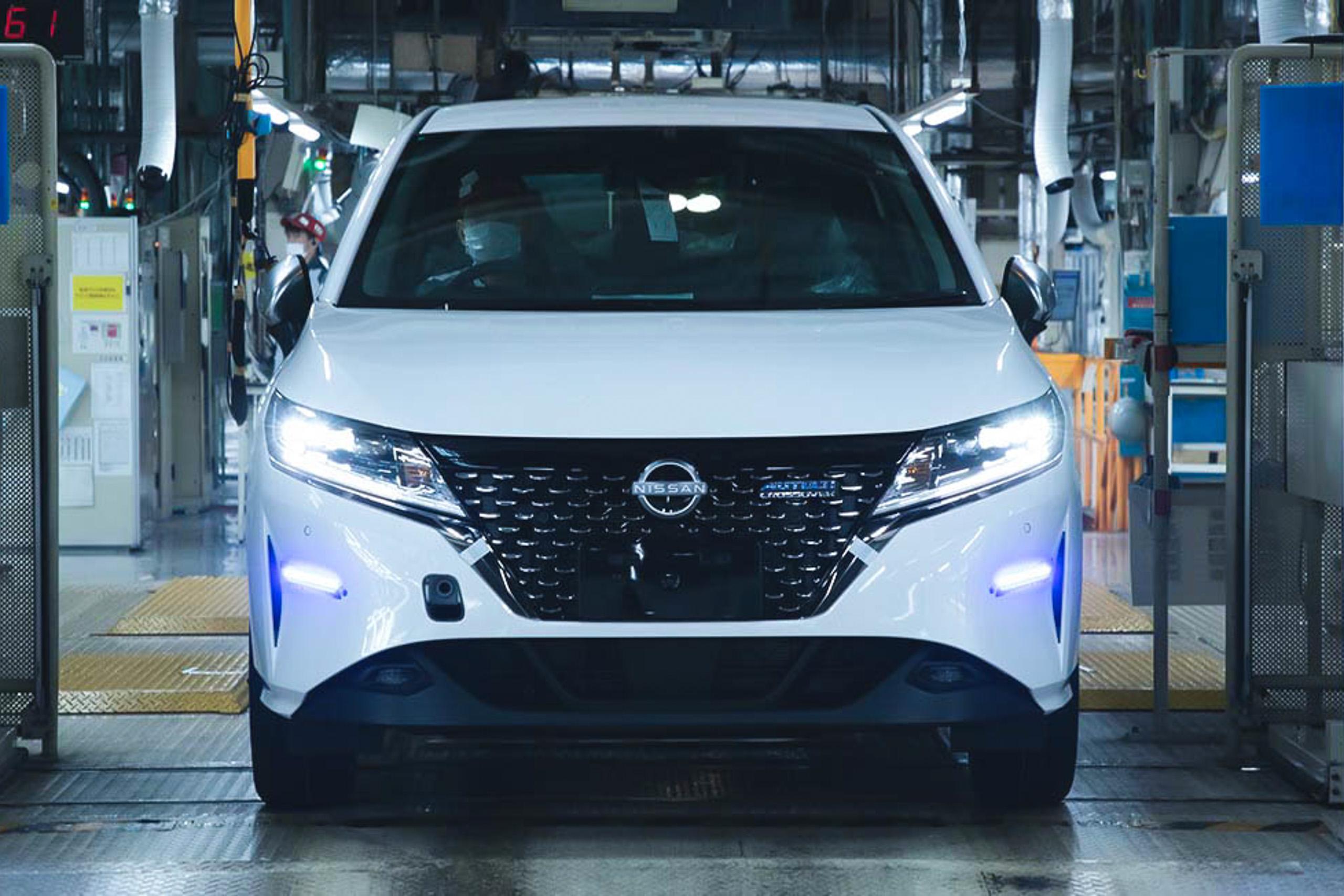
Nissan continues to navigate through a financial storm as the company raises several plans to mitigate its troubles via its recovery plan dubbed Re:Nissan.
One of its major steps in its global restructuring is to transfer and integrate vehicle production at its historic Oppama plant located in the Oppama District, to Nissan Motor Kyushu Co. Ltd. in the Fukuoka Prefecture.
According to Nissan CEO Ivan Espinosa, the decision to cease vehicle production at the Oppama plant was a difficult one, given the facility's historic importance for the Nissan brand.
“Today, Nissan made a tough but necessary decision. It wasn’t easy—for me or for the company—but I believe it’s a vital step toward overcoming our current challenges and building a sustainable future. The Oppama Plant is a proud part of our history, and its legacy will endure. I want to sincerely thank our employees, the local community, and our partners who have supported this plant with dedication and heart. We will continue to operate in the Oppama area with strong support for the local community, as we carry forward the spirit of the Oppama plant and work to restore Nissan’s true value,” said Espinosa.
Vehicle production at the said facility will stop at the end of the fiscal year 2027. This will result in both current and future models scheduled for production at Oppama being manufactured at the Nissan Motor Kyushu factory. However, this doesn't mean the Oppama factory will cease operations altogether. In fact, Nissan will explore a wide range of options to determine the most appropriate path forward.
More importantly, Employees currently working at the Oppama plant will remain employed until the end of fiscal year 2027. To address concerns regarding employment and work arrangements beyond that point, the company will establish clear policies, communicate them to affected employees, and initiate discussions with the union promptly once decisions are finalized. There was also a report by Nikkei Asia that Foxconn could use Nissan's Oppama plant to produce EVs. With the factory capable of producing 240,000 vehicles annually, it would make sense to save vehicle production at the Oppama plant.
Under the company's recovery plan, Nissan plans to reduce its global production capacity from 3.5 million units (excluding China) to 2.5 million units, while maintaining a plant utilization rate of approximately 100%. To achieve this, the company has been considering consolidating its production sites from 17 to 10.
Nissan has concluded that transferring and consolidating vehicle production from the Oppama Plant to Nissan Motor Kyushu is the most effective solution. This is based on production capacity, cost efficiency, and investment potential. This transfer is expected to significantly reduce manufacturing costs in Japan, strengthen plant competitiveness, improve product profitability, and support Nissan’s long-term growth. The related costs are under assessment and will be disclosed during the upcoming first quarter financial announcement.
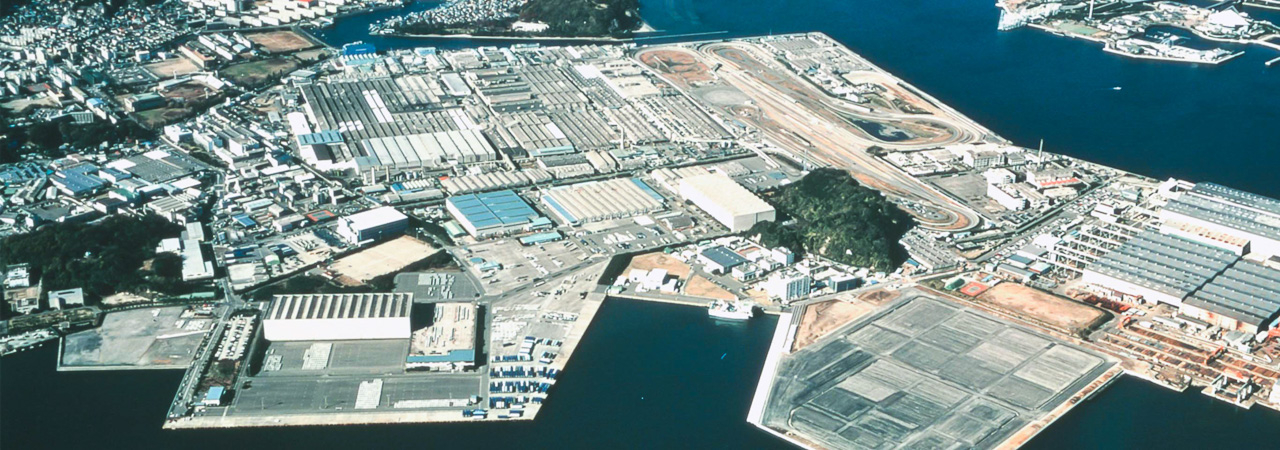
The Nissan Oppama plant first began operations in 1961 and serves as an important factory not only for the automaker but also for the community and its local partners. To date, it has produced over 17.8 million vehicles and has delivered Nissan vehicles worldwide. It currently employs approximately 2,400 employees and produces the Note and Note Aura.
The Oppama factory first began producing the Datsun Bluebird and achieved a cumulative production of 5 million units by 1978. This was then followed in 1992 when the factory was able to reach a cumulative production of 10 million units. In 2001, the factory began building the March, and was followed by the Cube in 2003.
In 2007, Nissan completed the GRANDRIVE, a multi-purpose complex and proving ground that can also host vehicle technical evaluations and hospitality events. In that same year, the Oppama plant achieved 15 million cumulative production units. Nissan then started production of the Leaf in 2010, although the company did close vehicle production at the Oppama plant's Line 2. Fast forward to 2016, the Oppama plant began production of the first generation Note e-Power, and was followed by the Note Aura, which began production in 2021.
Related Posts
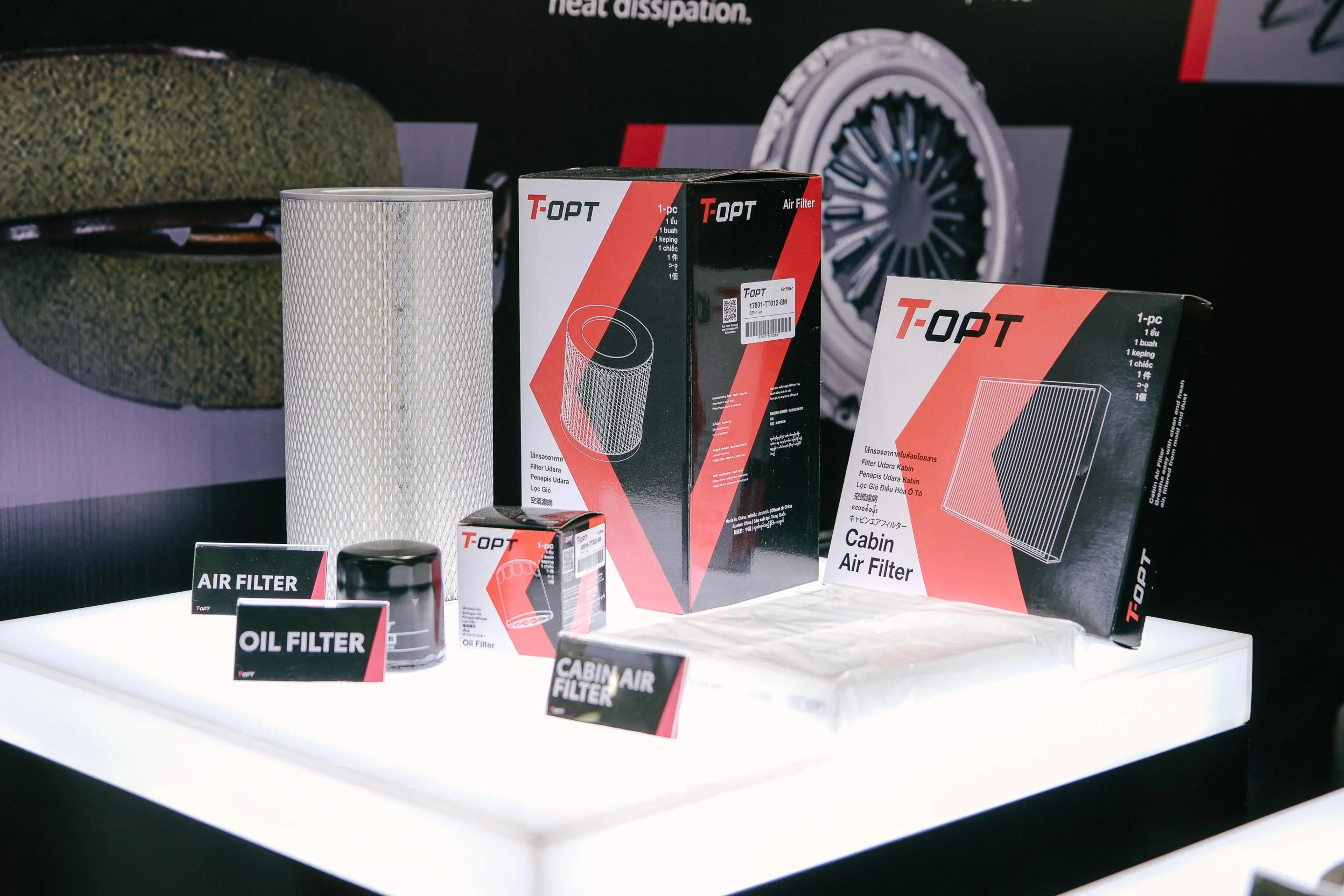
Toyota PH launches T-OPT aftermarket brand at MIAS 2026
Toyota Motor Philippines officially introduces T-OPT, which is their latest premium regional aftermarket parts brand

MIAS 2026: GWM Tank 700 PHEV makes first overseas market debut in PH
The GWM Tank Hi4-Z PHEV arrives in PH just weeks after it debuted in the PRC

BYD “Drive Electric, Love Pinas” campaign sets two Guinness World Records
BYD and Department of Tourism’s “Drive Electric, Love Pinas” campaign makes it to Guinness World Records
Suzuki Philippines expands Laguna pre-delivery inspection facility
The upgrade lets SPH meet demand while upholding global quality standards
MIAS 2026: Geely PH previews EX2 EV to rival BYD Dolphin
Geely previews the EX2 at 2026 Manila International Auto Show; could start at PHP 950K
MIAS 2026: Jaecoo J5 HEV is priced to compete; starts at PHP 999K
OJPH wants to stir the B-SUV market with the J5 HEV