
Solon wants 'boundary system' removed
The bill states that the DOTr and the LGUs will become operators of PUVs

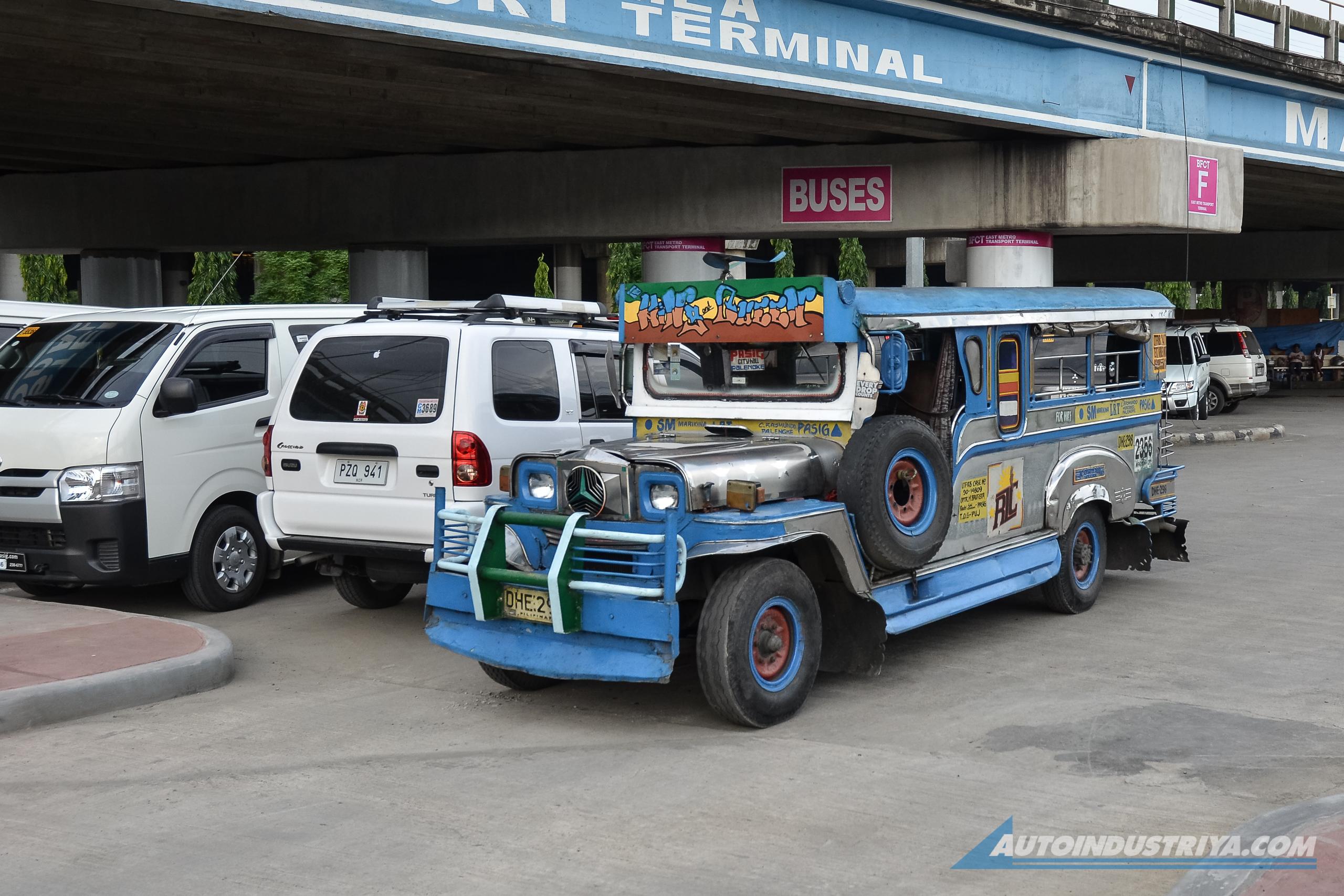
If there is one word in public transportation that encompasses the revenue system between PUV drivers and operators, it's the word "boundary". Generally speaking, the boundary is the amount that the hired driver has to remit to the owner/operator at the end of the work day. Anything beyond that is after gas and toll will become his / her income for the day.
As you can imagine that style of public transport operator business model, promotes an unhealthy, almost cutthroat, competition amongst the drivers. This type of vying for fares arguably leads to potentially recklessness on the road.
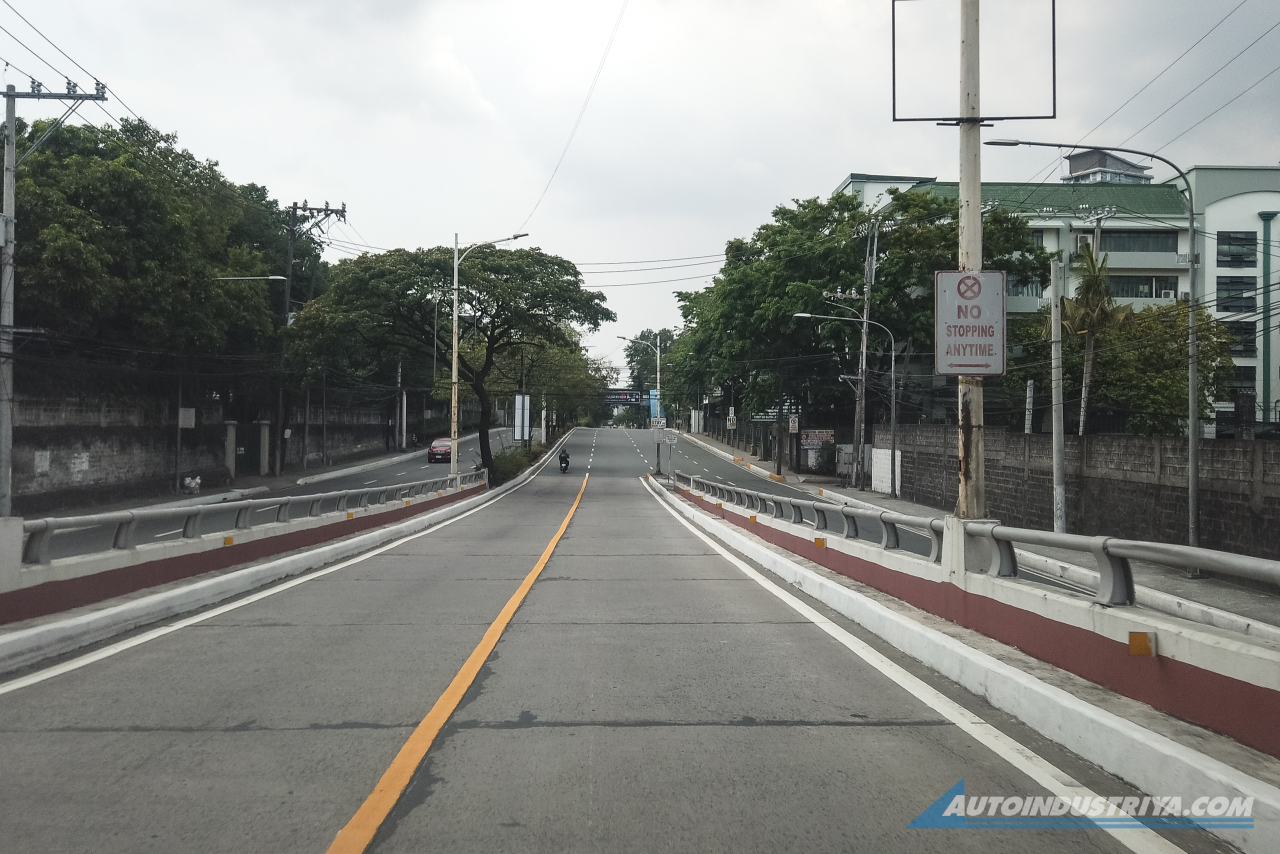
That is what House Bill 727 wants to change.
Representative Ron P. Salo authored a bill where drivers will no longer be bound to the boundary system. One of the aspects of this proposed bill is to remove the existing boundary system and replace it with monthly wages for drivers. They will instead be treated as regular employees instead of independent contractors. The bill's aim is to motivate drivers to be more disciplined on the road.
He cited that under service contracts, the government will contract out to operators or drivers the routes that need to be serviced. The bill says that the government will identify the routes, stops number of frequencies, quality of service, and the type and quality of the vehicle used among others.
He says that if we pay the operators or drivers based on the period of operation or the kilometers traveled, or both, with incentives or penalties linked to performance. The revenue will be based on the quality of service and not just the headcount like before.
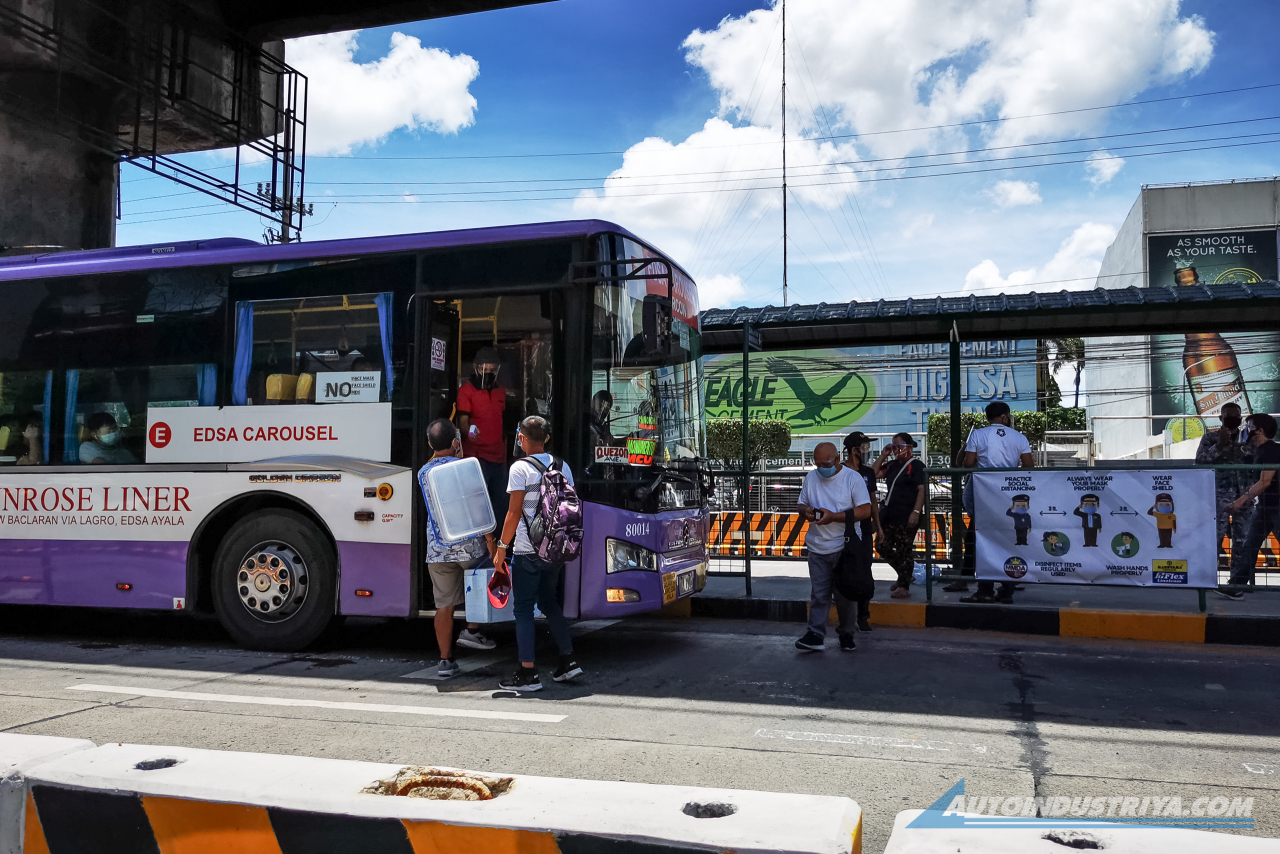
According to the proposed law, the only contracting bodies are the Department of Transportation (DOTr) and the Local Government Units (LGUs). The DOTr will be in charge of operations in bus and truck routes in the NCR, Metro Cebu, other metropolitan areas, or in inter-cities or inter-provinces. The LGUs will be responsible for operations within the province, and component municipalities, while city governments of highly urbanized cities shall serve as contracting authorities within the city.
The Land Transportation Office and Regulatory Board (LTFRB) will be tasked to come up with the guidelines for the service contract agreement between the government and the operator/driver. A fare rate will be decided on by both parties based on the current cost of fuel, cost of maintenance, decent living wages, and reasonable return of investment for the operators/drivers.
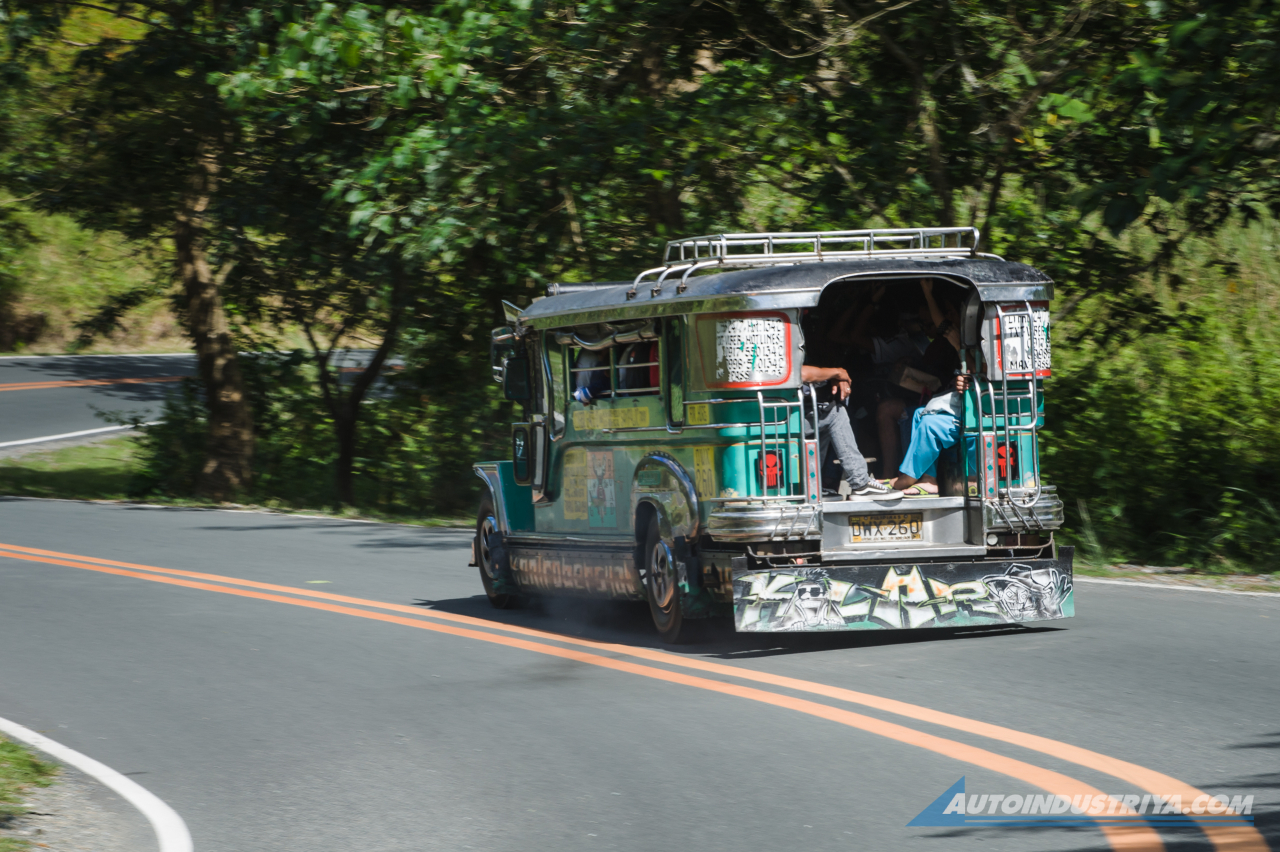
There are a lot of potential positives in this bill, but there will likely be a couple of loopholes. Do you think this could lead to safer roads and fewer accidents involving public transport vehicles? Let us know in the comments below.
Related Posts
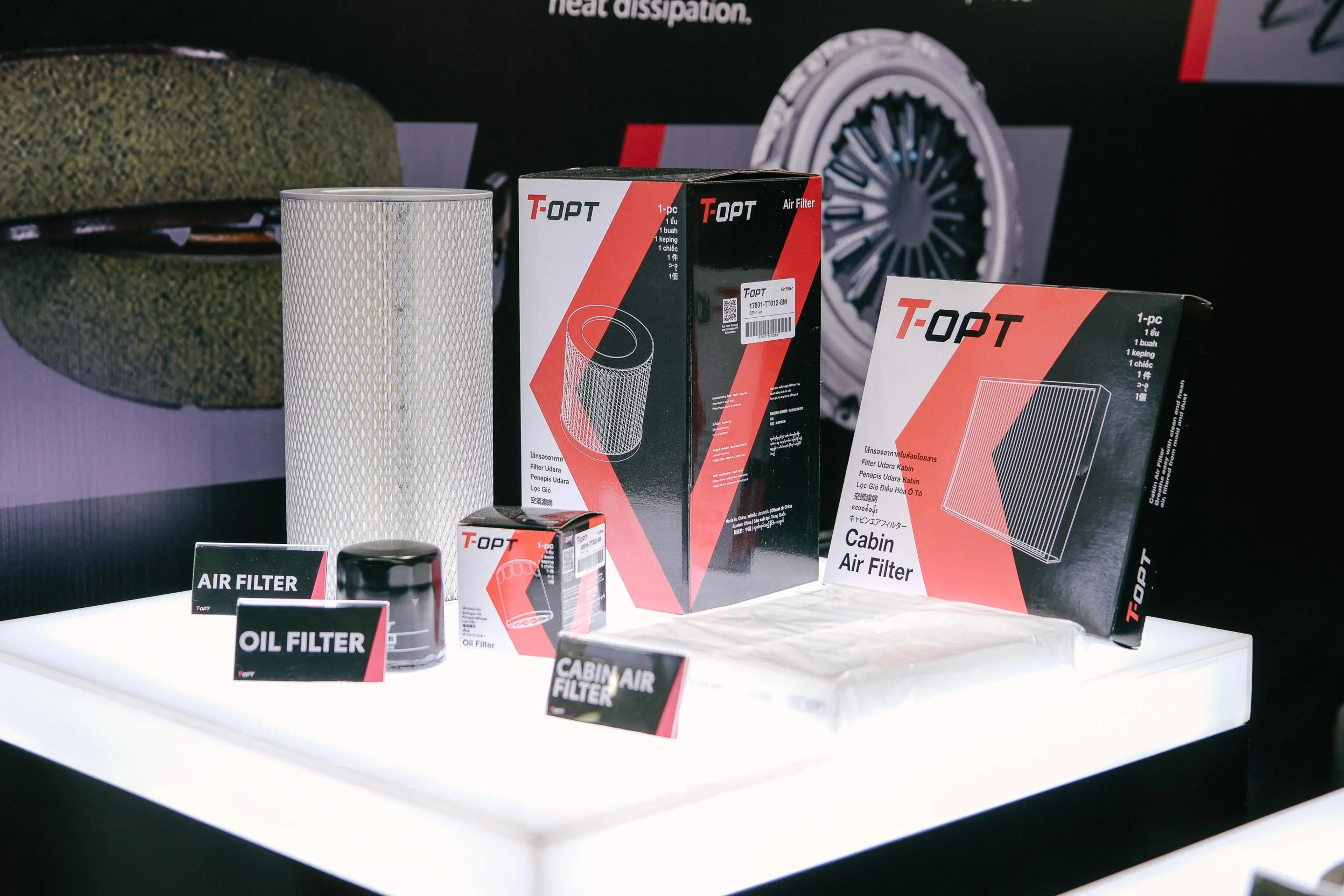
Toyota PH launches T-OPT aftermarket brand at MIAS 2026
Toyota Motor Philippines officially introduces T-OPT, which is their latest premium regional aftermarket parts brand

MIAS 2026: GWM Tank 700 PHEV makes first overseas market debut in PH
The GWM Tank Hi4-Z PHEV arrives in PH just weeks after it debuted in the PRC
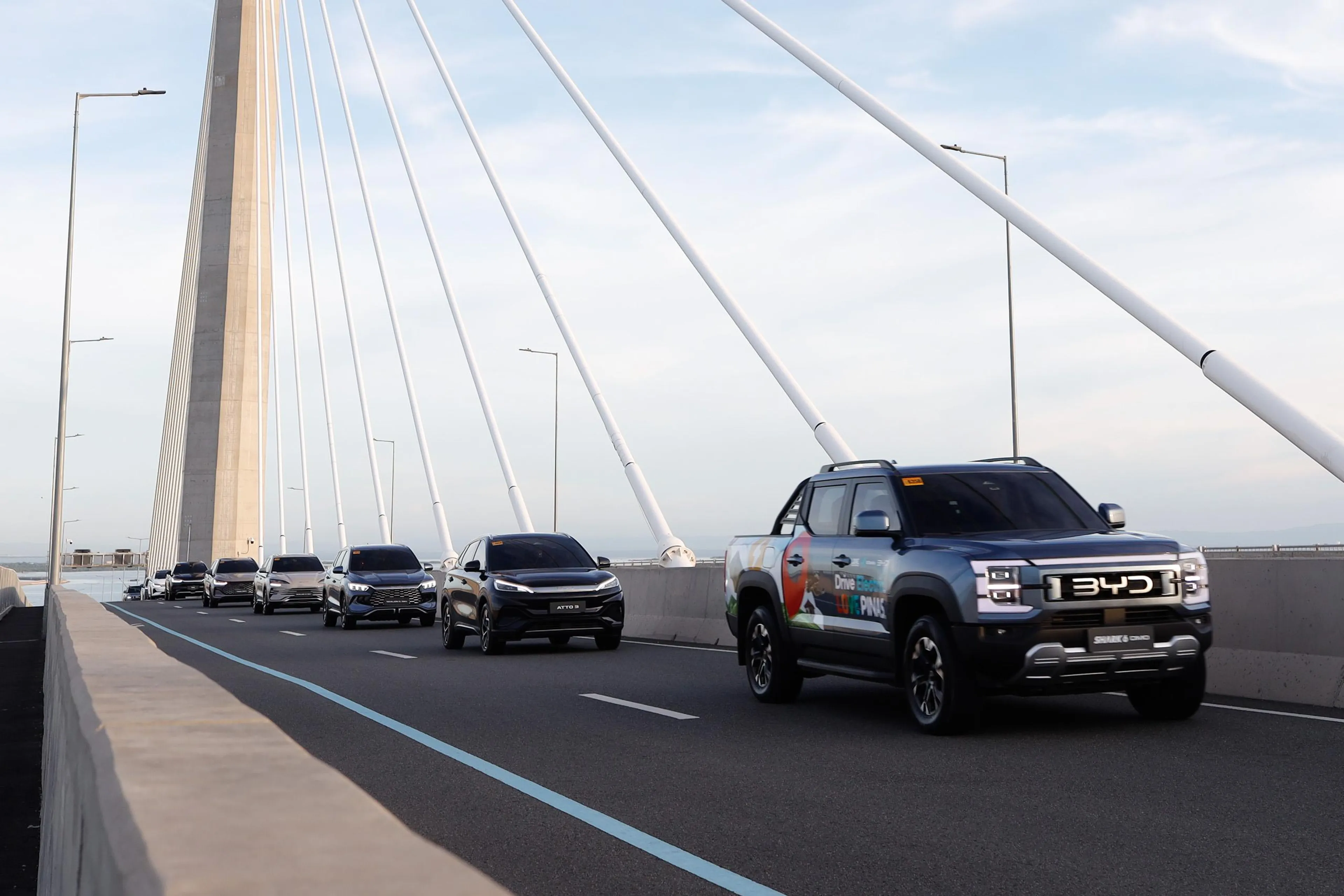
BYD “Drive Electric, Love Pinas” campaign sets two Guinness World Records
BYD and Department of Tourism’s “Drive Electric, Love Pinas” campaign makes it to Guinness World Records
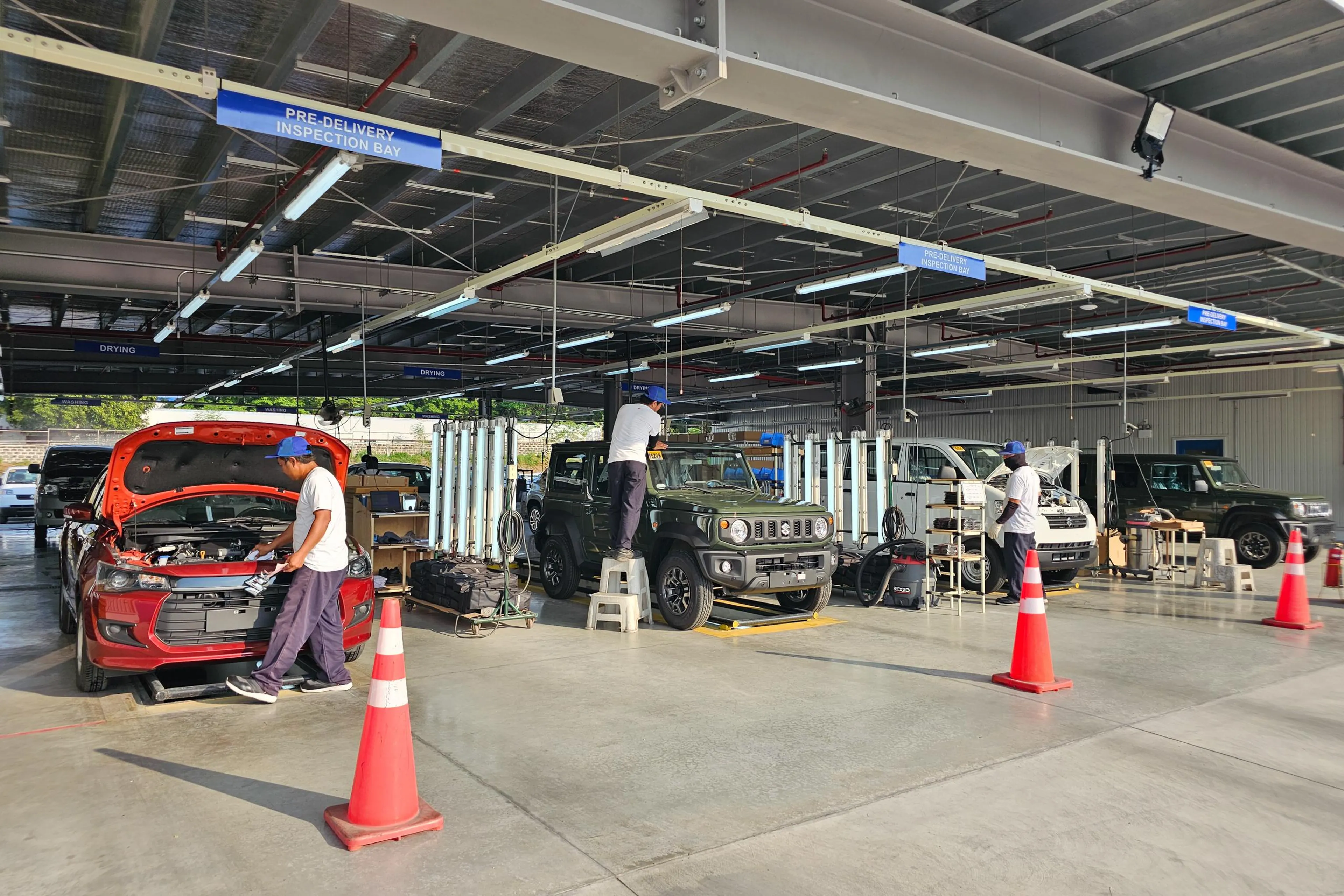
Suzuki Philippines expands Laguna pre-delivery inspection facility
The upgrade lets SPH meet demand while upholding global quality standards
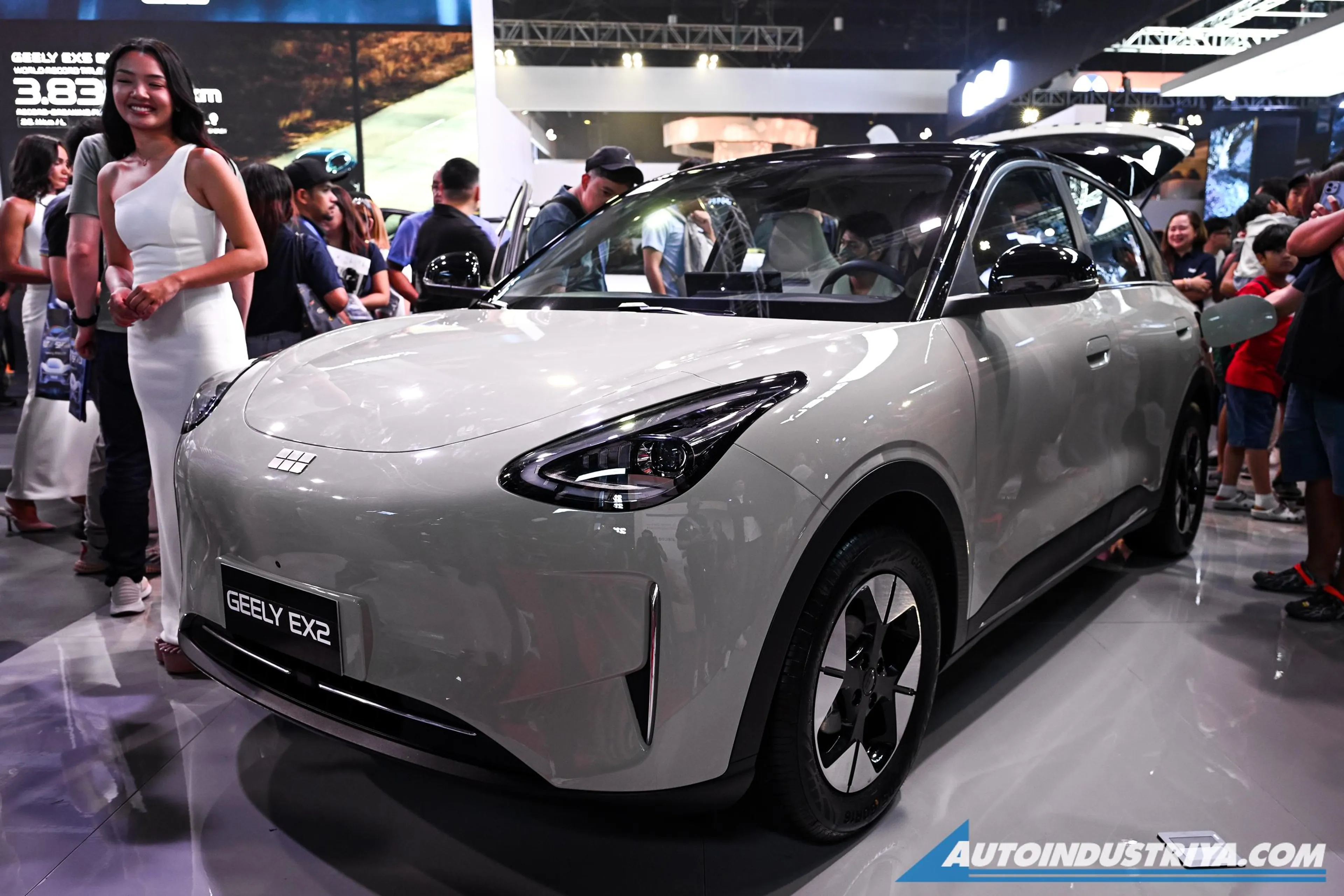
MIAS 2026: Geely PH previews EX2 EV to rival BYD Dolphin
Geely previews the EX2 at 2026 Manila International Auto Show; could start at PHP 950K

MIAS 2026: Jaecoo J5 HEV is priced to compete; starts at PHP 999K
OJPH wants to stir the B-SUV market with the J5 HEV