
LTO to distinguish EV, hybrid via license plate series
The 2nd and 3rd letters, motorcycle or motor vehicle, differentiate hybrids from EVs

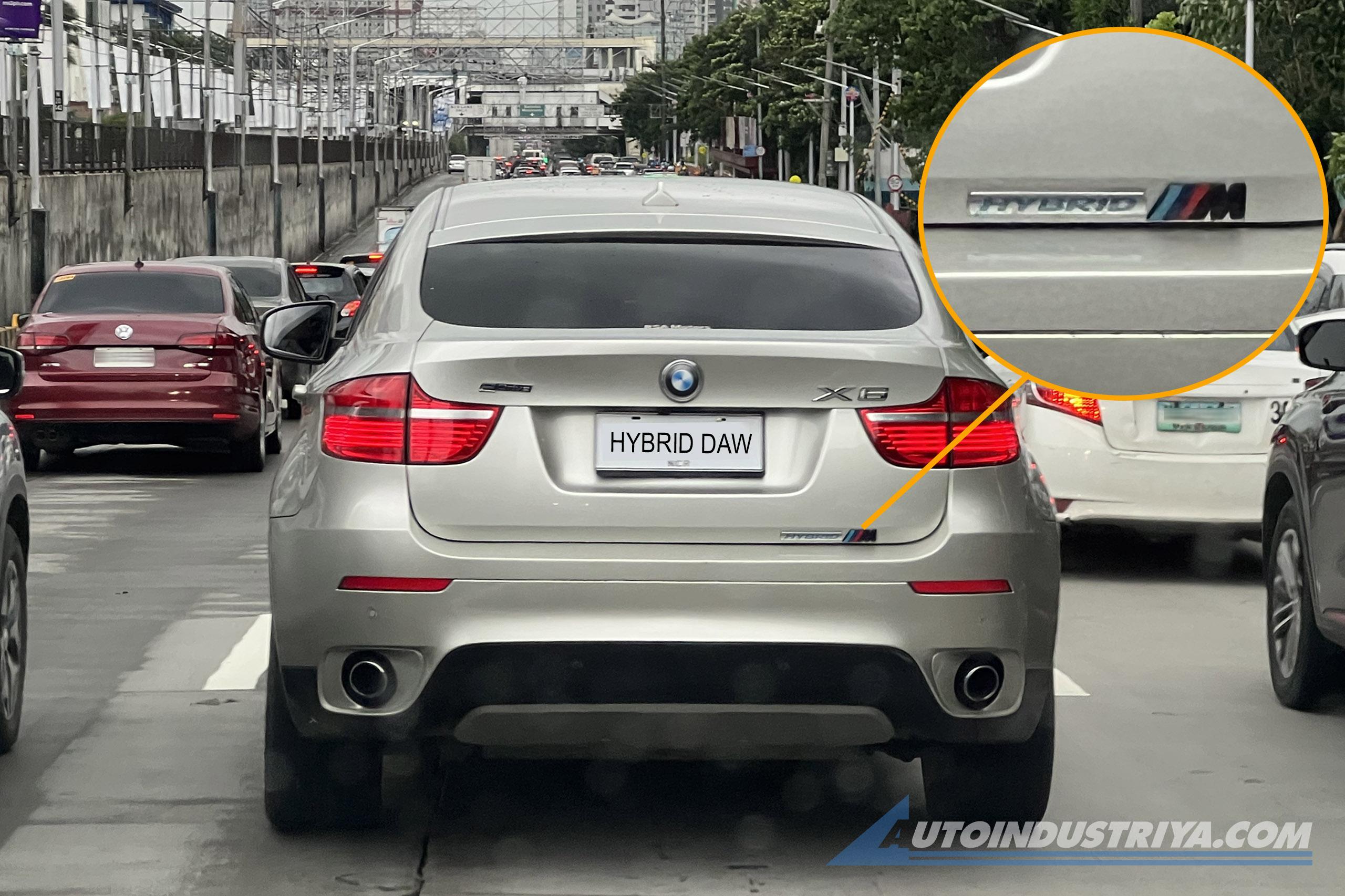
The auto industry is abuzz with the influx of electrified cars entering the market. We now have several hybrid, plug-in hybrid, and battery-electric vehicles available and running on Philippine roads.
As cars get more and more diverse, the Land Transportation Office (LTO) recently issued a memo differentiating private motor vehicles with classifications such as electric vehicles, hybrids, private trailers, and vintage models.
Hybrid and EV (electric vehicle) owners should be pretty stoked now. Their vehicles can easily be recognized as either a BEV (battery-electric vehicle) or PHEV (plug-in hybrid electric vehicle), HEV (hybrid electric vehicle), and even LEV (light electric vehicle) based on two letters on the license plate.
So, how does the regular Juan tell what kind of new energy vehicle you are in? LTO’s memo categorizes your electrified vehicle as either electric or hybrid. What sets them apart is just the middle letter in the alphanumeric series. EVs (electric vehicles) get any letter from A to M, while hybrids receive anything from N to Z. By itself, the second letter means nothing; conventional models will also have any of those. What makes it special is this third letter – like a Ph.D. after the last name, except this is just one letter. If you spot a V, W, X, Y, or Z before the four numbers, that vehicle is electrified, either fully or as a hybrid.
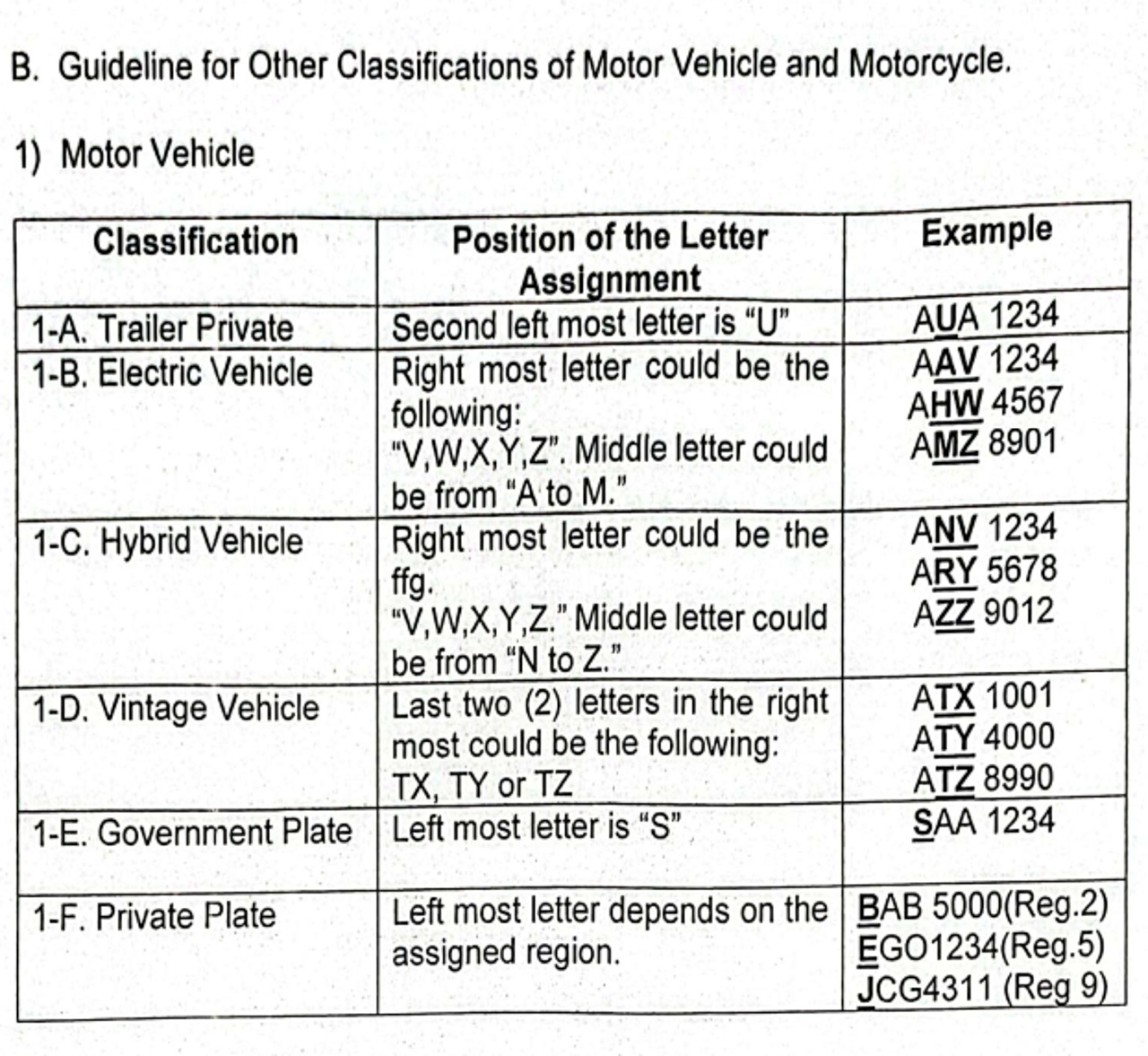
That is what traffic enforcers will be eyeing. Any of the last five letters of the alphabet tells them they cannot flag you down during "coding" days because that is one of your incentives as a new energy vehicle owner.
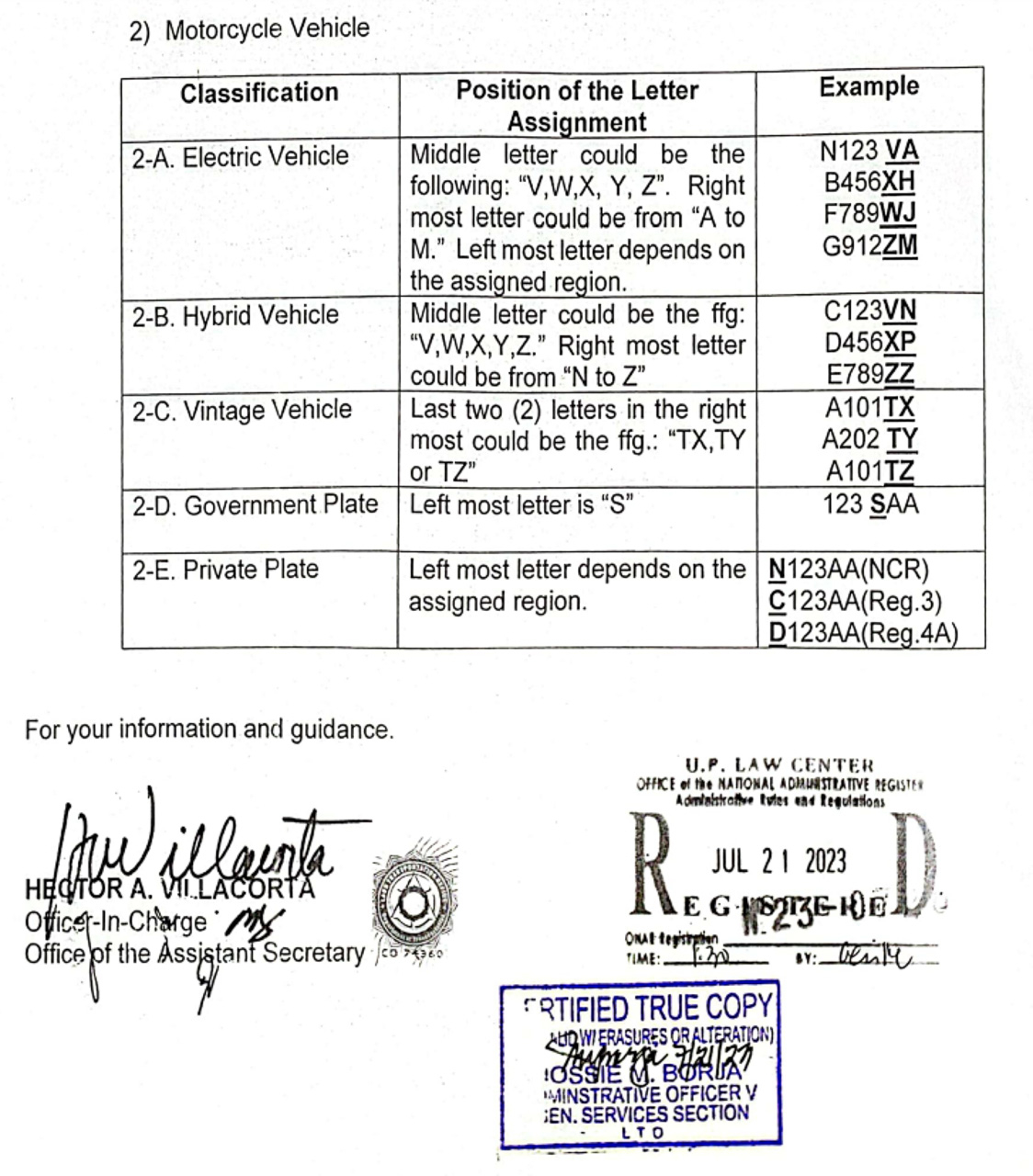
For motorcycles, the leftmost letter is followed by three numbers and the last two letters. The second letter is either V, W, X, Y, or Z for electrics and hybrids, but the last letter is a choice between A to M for electric-powered models and N to Z for hybrid units.
With a recent issuance from the Department of Energy (DOE) regarding their recognized hybrid, plug-in hybrid, and battery electric vehicles, concerned government agencies will be very busy ironing out policies. The DOE for their part, cited the EVIDA (Electric Vehicle Industry Development Act) implementing rules and regulations, to be categorized as an EV, PHEV, BEV, or LEV, the vehicle’s electric system must be able to move the vehicle forward.
As to how the LTO plans to identify (or re-identify) already registered and plated EVs, PHEVs, HEVs, and LEVs remains to be seen.
If you get flagged down for violating "coding", be patient and present your supporting documents to the apprehending officer.
Related Posts
Toyota PH launches T-OPT aftermarket brand at MIAS 2026
Toyota Motor Philippines officially introduces T-OPT, which is their latest premium regional aftermarket parts brand
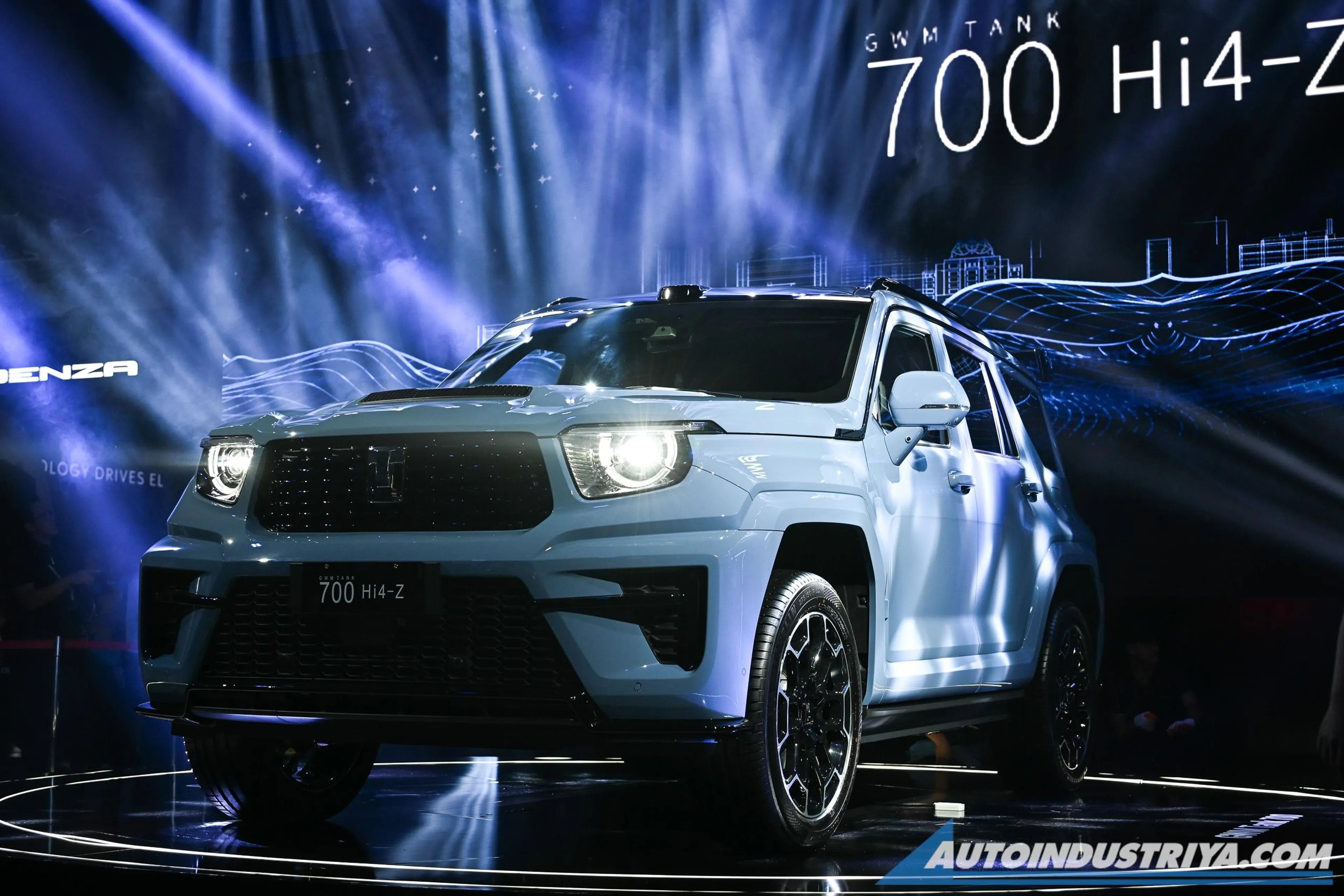
MIAS 2026: GWM Tank 700 PHEV makes first overseas market debut in PH
The GWM Tank Hi4-Z PHEV arrives in PH just weeks after it debuted in the PRC
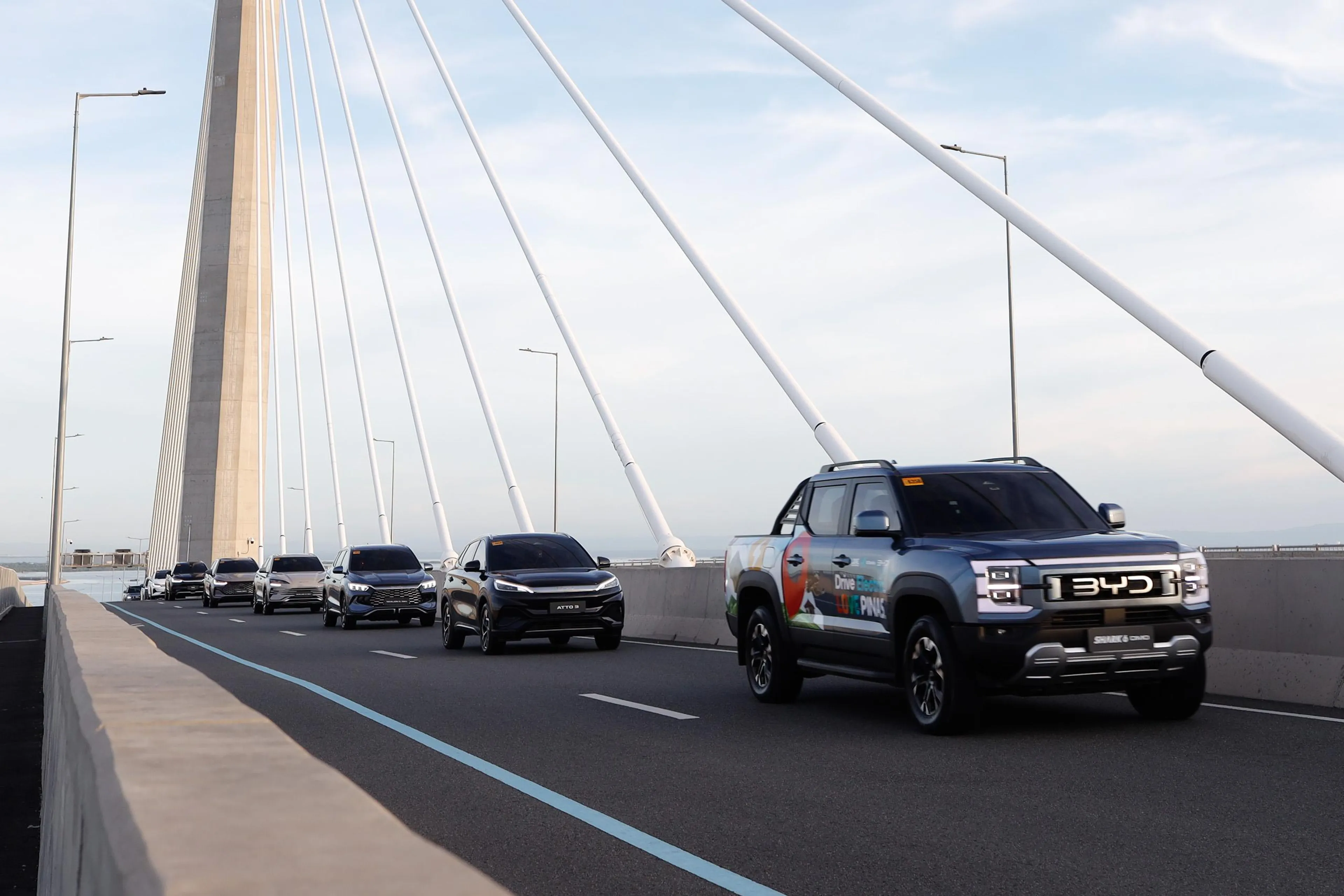
BYD “Drive Electric, Love Pinas” campaign sets two Guinness World Records
BYD and Department of Tourism’s “Drive Electric, Love Pinas” campaign makes it to Guinness World Records
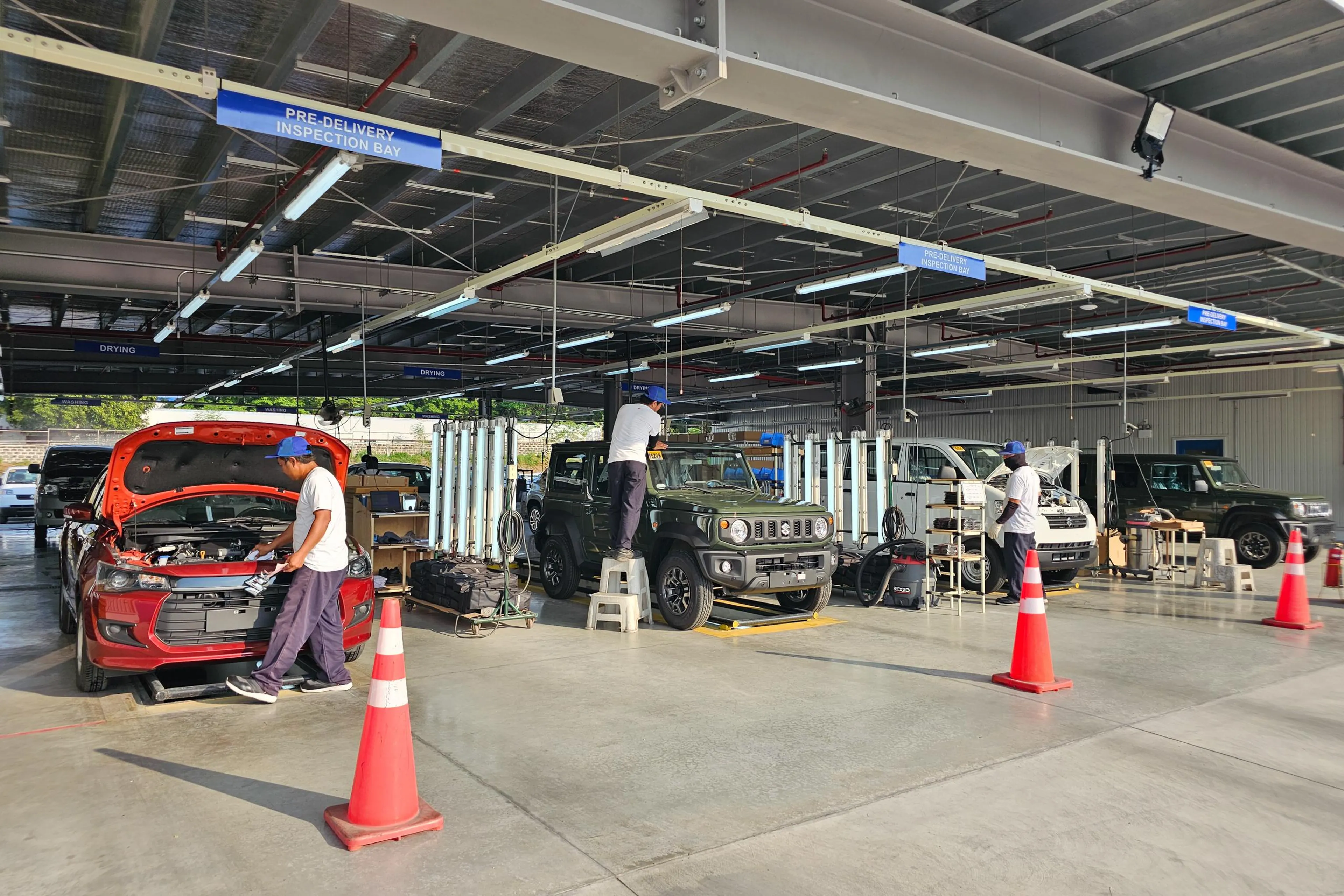
Suzuki Philippines expands Laguna pre-delivery inspection facility
The upgrade lets SPH meet demand while upholding global quality standards
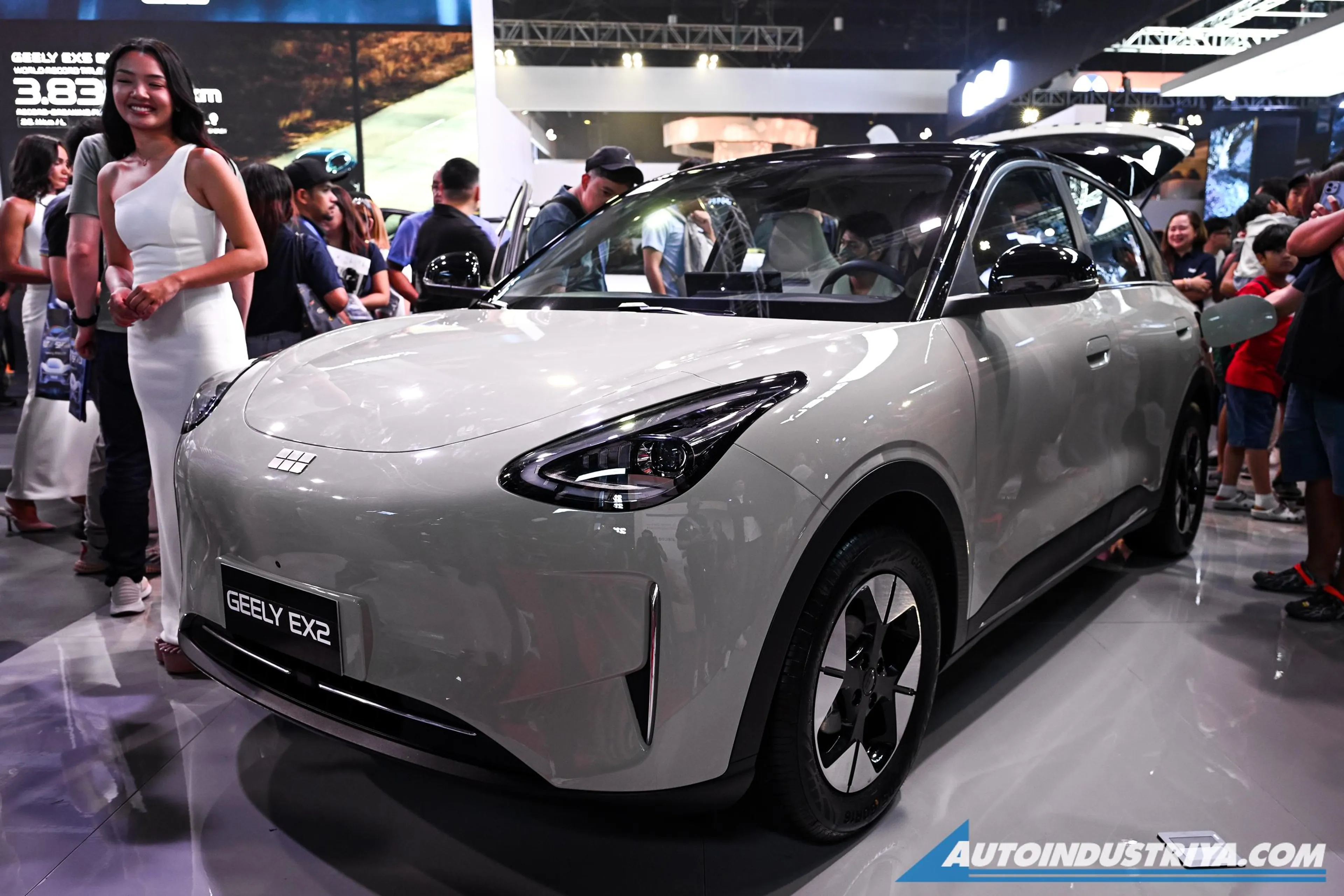
MIAS 2026: Geely PH previews EX2 EV to rival BYD Dolphin
Geely previews the EX2 at 2026 Manila International Auto Show; could start at PHP 950K
MIAS 2026: Jaecoo J5 HEV is priced to compete; starts at PHP 999K
OJPH wants to stir the B-SUV market with the J5 HEV