
Isuzu Multi-Fuel Engine debuts for multi-approach carbon neutrality
By simply modifying the ignition and fuel injection settings, Isuzu's Multi Fuel Engine can easily serve countless markets

Isuzu believes that a multi-pathway approach to producing fewer emissions is the best way to achieve carbon neutrality. From collaborating with brands like Toyota and Honda for hydrogen fuel-cell powered vehicles like the Giga Fuel Cell and the Erga FCV to launching EV versions of the Elf, Erga bus, and the D-Max, Isuzu wants to prove to everyone they are more than just about diesel power.
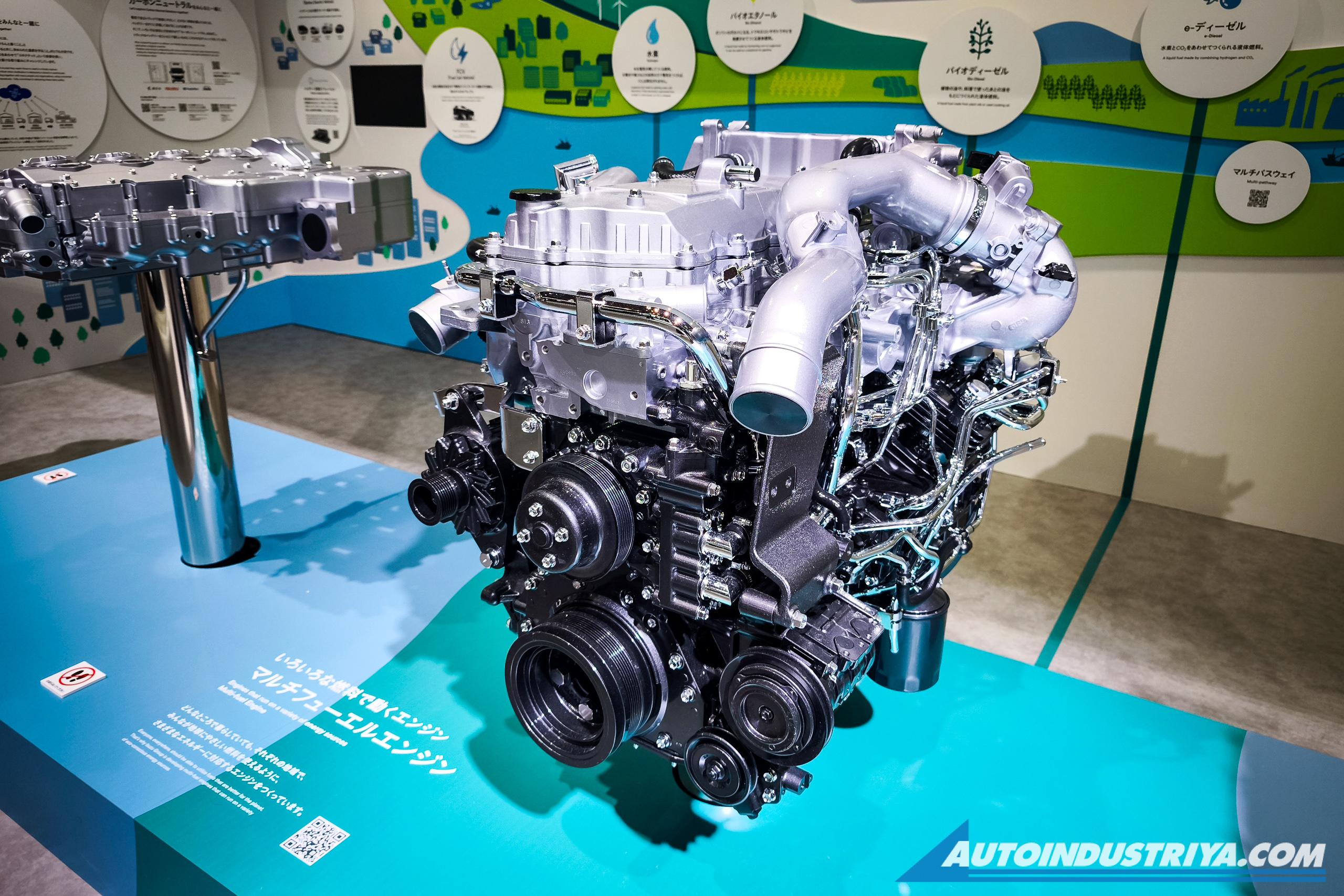
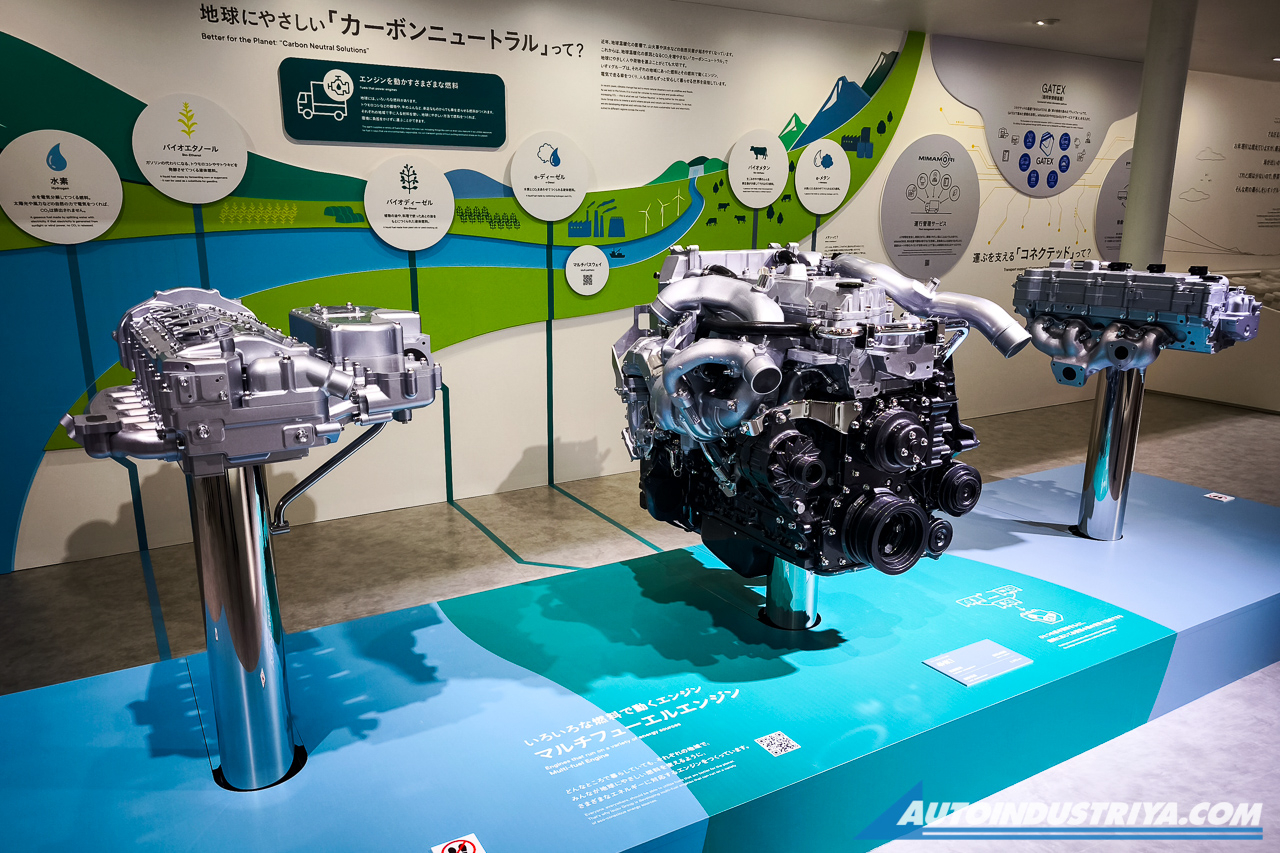
After giving us a glimpse of its newest piece of engine technology a few weeks ago, Isuzu Motors Limited (IML) has officially revealed the Multi-Fuel Engine. Designed specifically for commercial vehicles, the Isuzu Multi-Fuel Engine shares the same components as conventional Diesel engines, like the cylinder block and crankshaft.
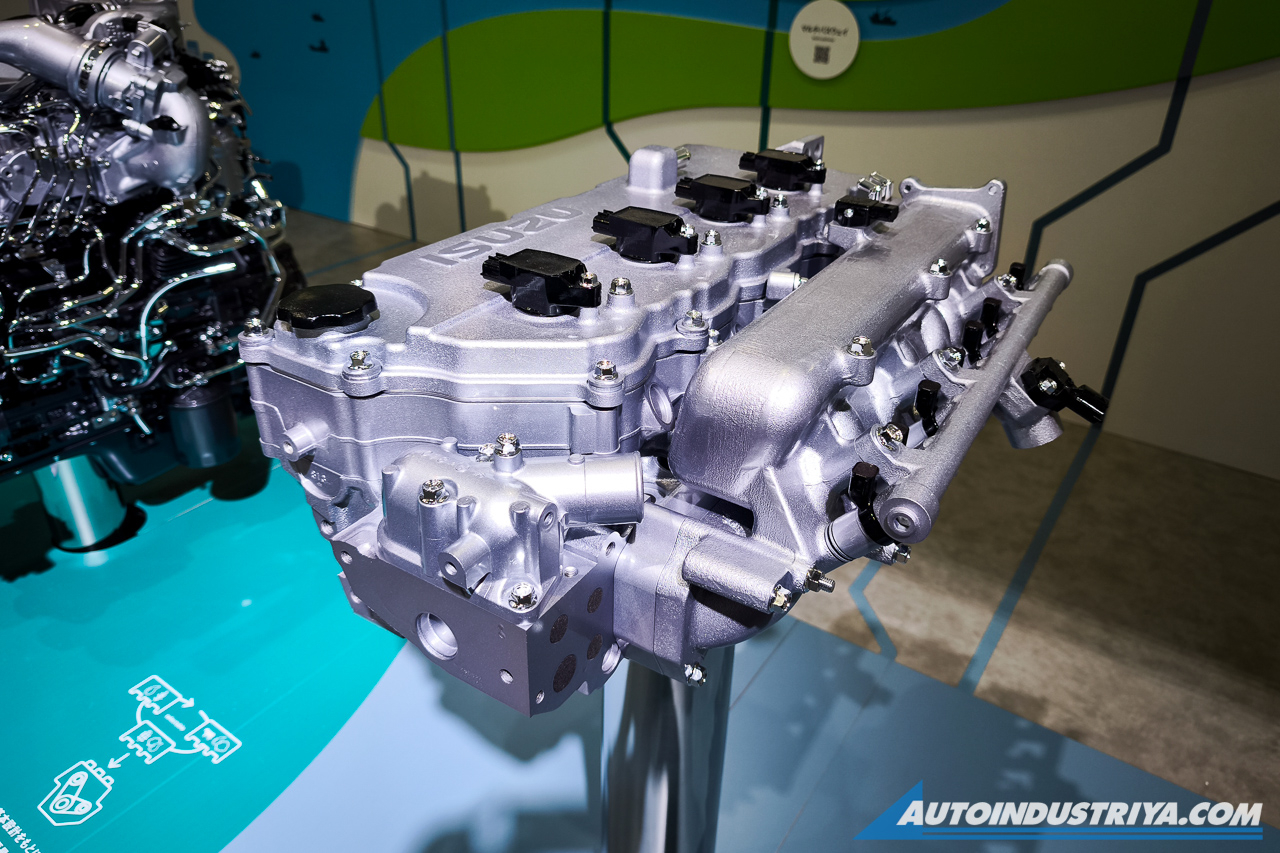
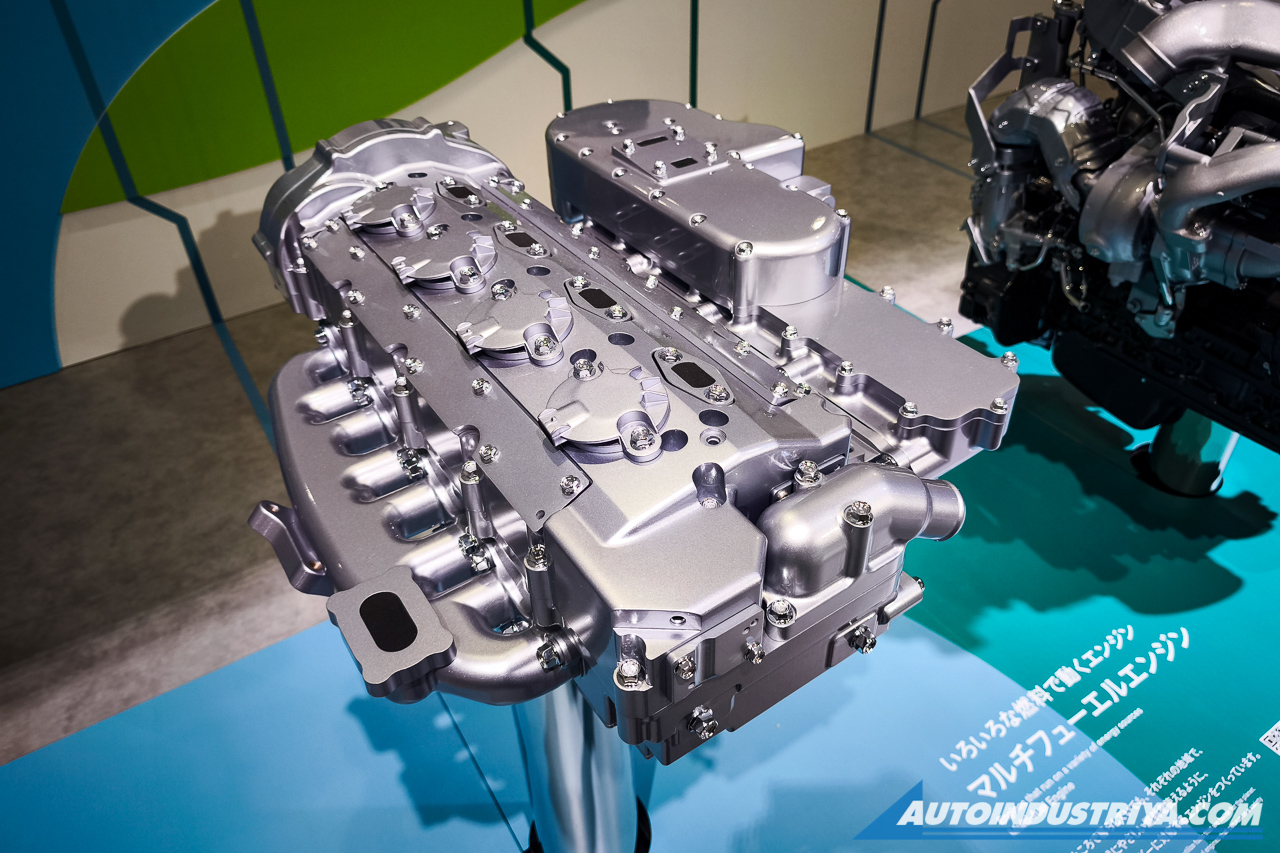
However, the Multi-Fuel Engine features modified ignition and fuel injection systems, depending on the type of fuel being used. This allows the engine to accept other kinds of fuel besides diesel, like compressed natural gas, hydrogen, biofuels, and even synthetic fuels. This translates to better customer compatibility, as well as the use of different kinds of fuels if the situation calls for it. More importantly, this allows logistics operators to use alternative fuels on the fly without having to do major modifications that can result in downtime.
While Isuzu is already making headway for electrified vehicles and fully-electric commercial vehicles, the company’s decision to introduce the Multi-Fuel Engine is a decisive one. With Isuzu catering to the world market by having various commercial vehicles, having a Multi-Fuel Engine will help both Isuzu and its customers achieve more without having to make drastic changes to the powertrain or chassis.
In today’s fast-paced world, having an engine that can accept different kinds of fuels without stopping means more deliveries, less downtime, and the ability for Isuzu to offer an engine suitable for various markets. With commercial vehicles still the core business of Isuzu, the Multi-Fuel Engine can be used by different kinds of models without making major modifications.
The only question now is, can this type of technology be converted for other Isuzu vehicles like the D-Max, mu-X, without jacking up the prices? We’re keeping our fingers crossed that Isuzu can do it in the near future.
Related Posts
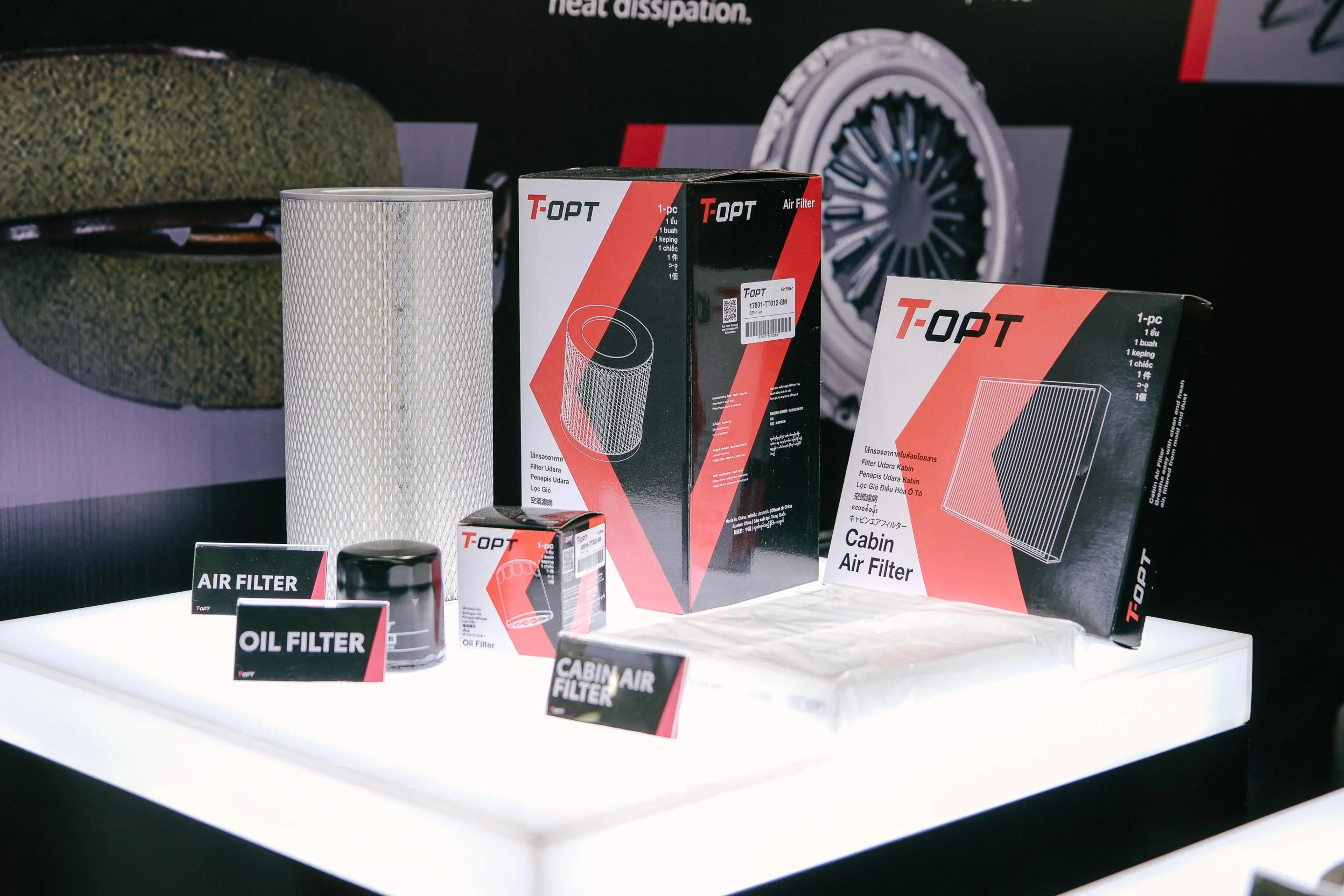
Toyota PH launches T-OPT aftermarket brand at MIAS 2026
Toyota Motor Philippines officially introduces T-OPT, which is their latest premium regional aftermarket parts brand
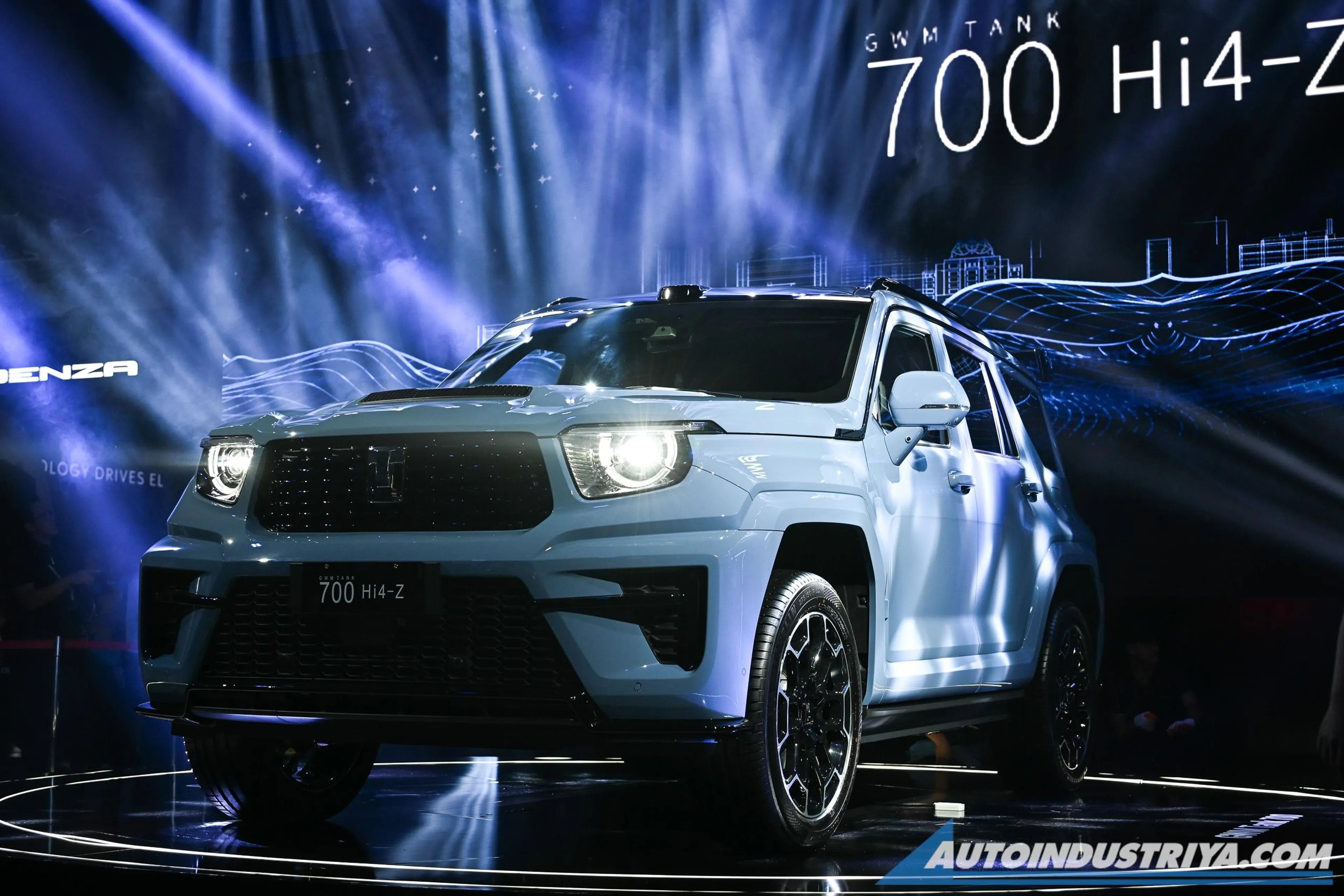
MIAS 2026: GWM Tank 700 PHEV makes first overseas market debut in PH
The GWM Tank Hi4-Z PHEV arrives in PH just weeks after it debuted in the PRC

BYD “Drive Electric, Love Pinas” campaign sets two Guinness World Records
BYD and Department of Tourism’s “Drive Electric, Love Pinas” campaign makes it to Guinness World Records

Suzuki Philippines expands Laguna pre-delivery inspection facility
The upgrade lets SPH meet demand while upholding global quality standards
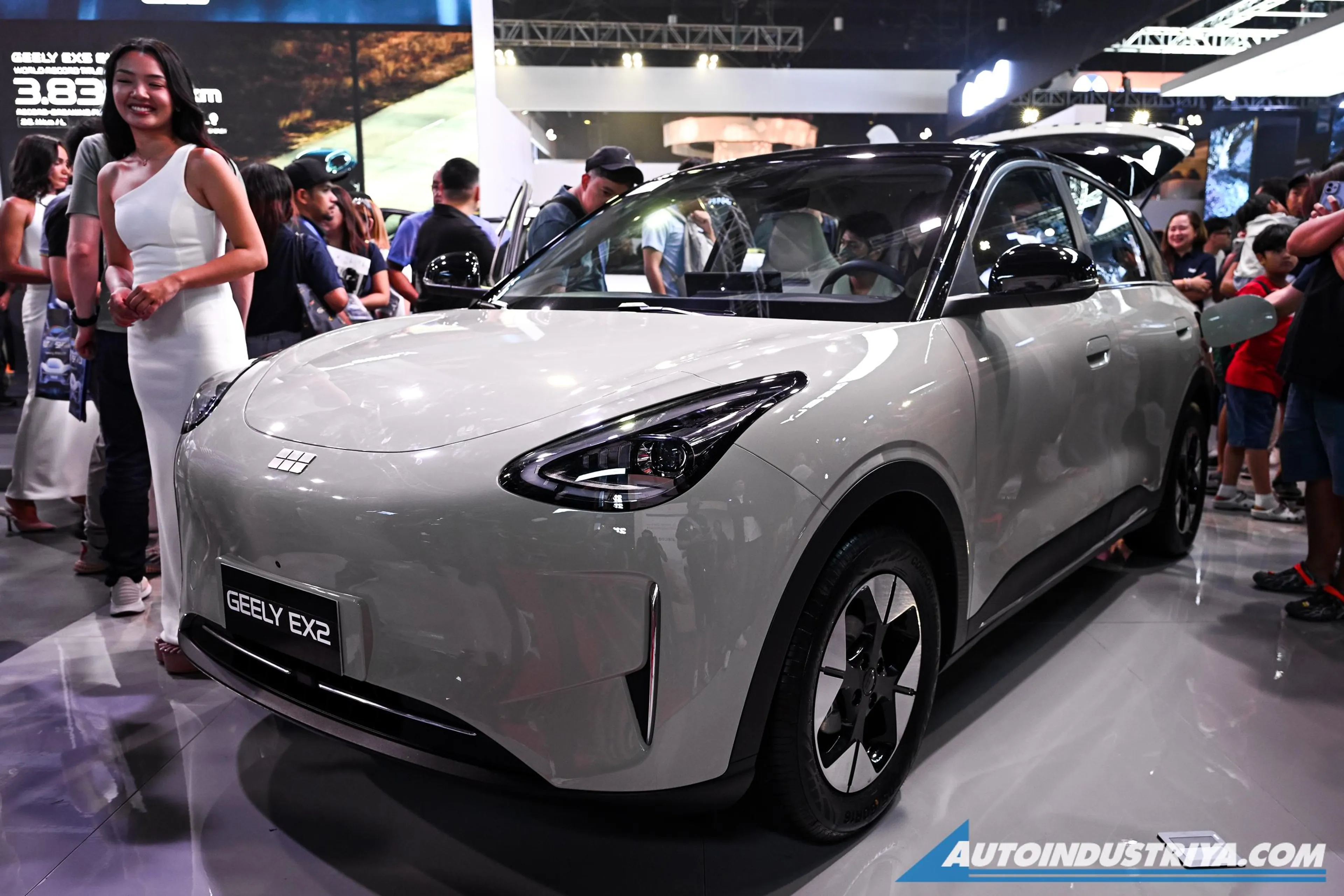
MIAS 2026: Geely PH previews EX2 EV to rival BYD Dolphin
Geely previews the EX2 at 2026 Manila International Auto Show; could start at PHP 950K
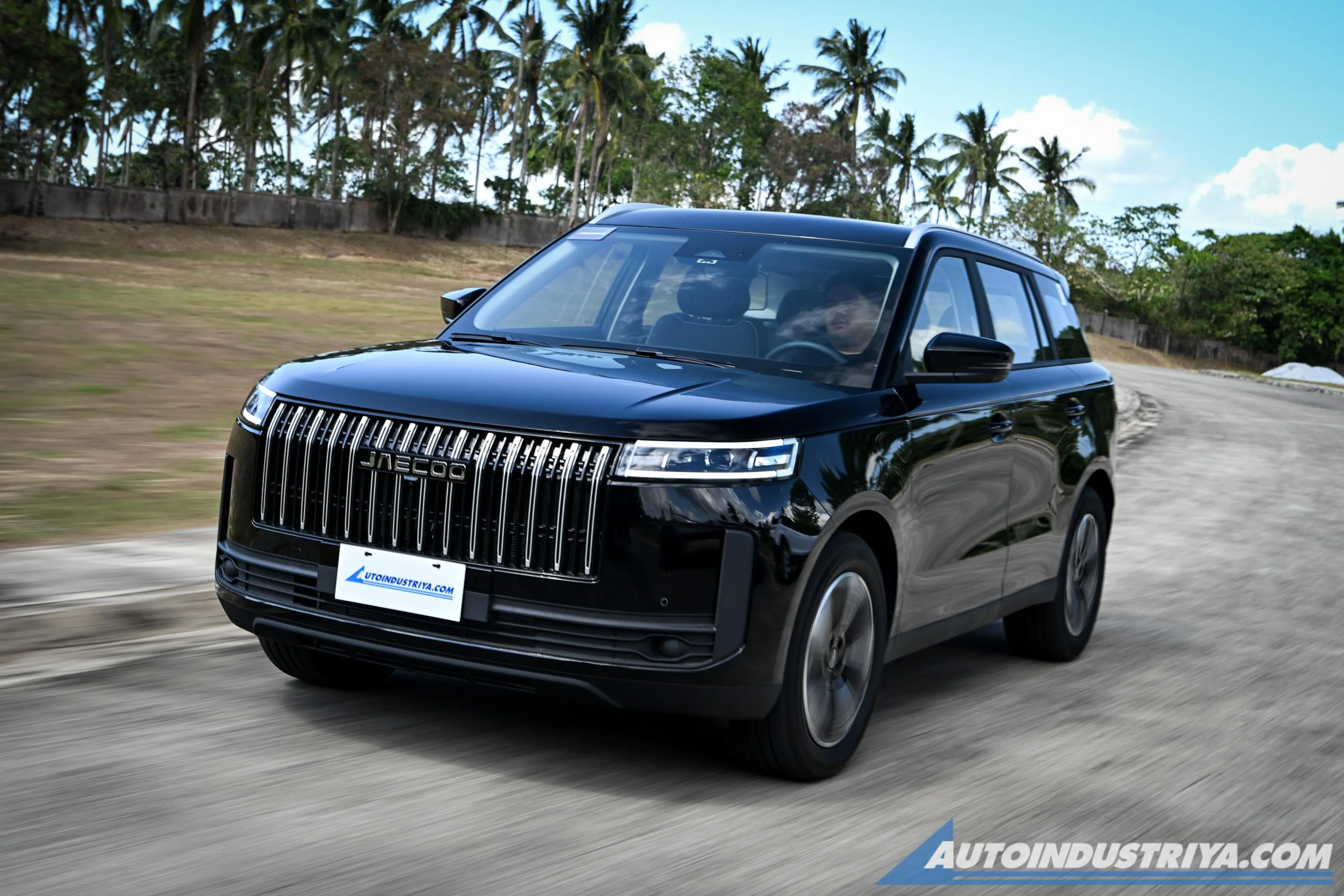
MIAS 2026: Jaecoo J5 HEV is priced to compete; starts at PHP 999K
OJPH wants to stir the B-SUV market with the J5 HEV