
IMV Origin: Toyota's DIY mobility solution for the developing world
Simplicity, modularity, and ruggedness are at the core of Toyota's mobility solution for countries without pavement

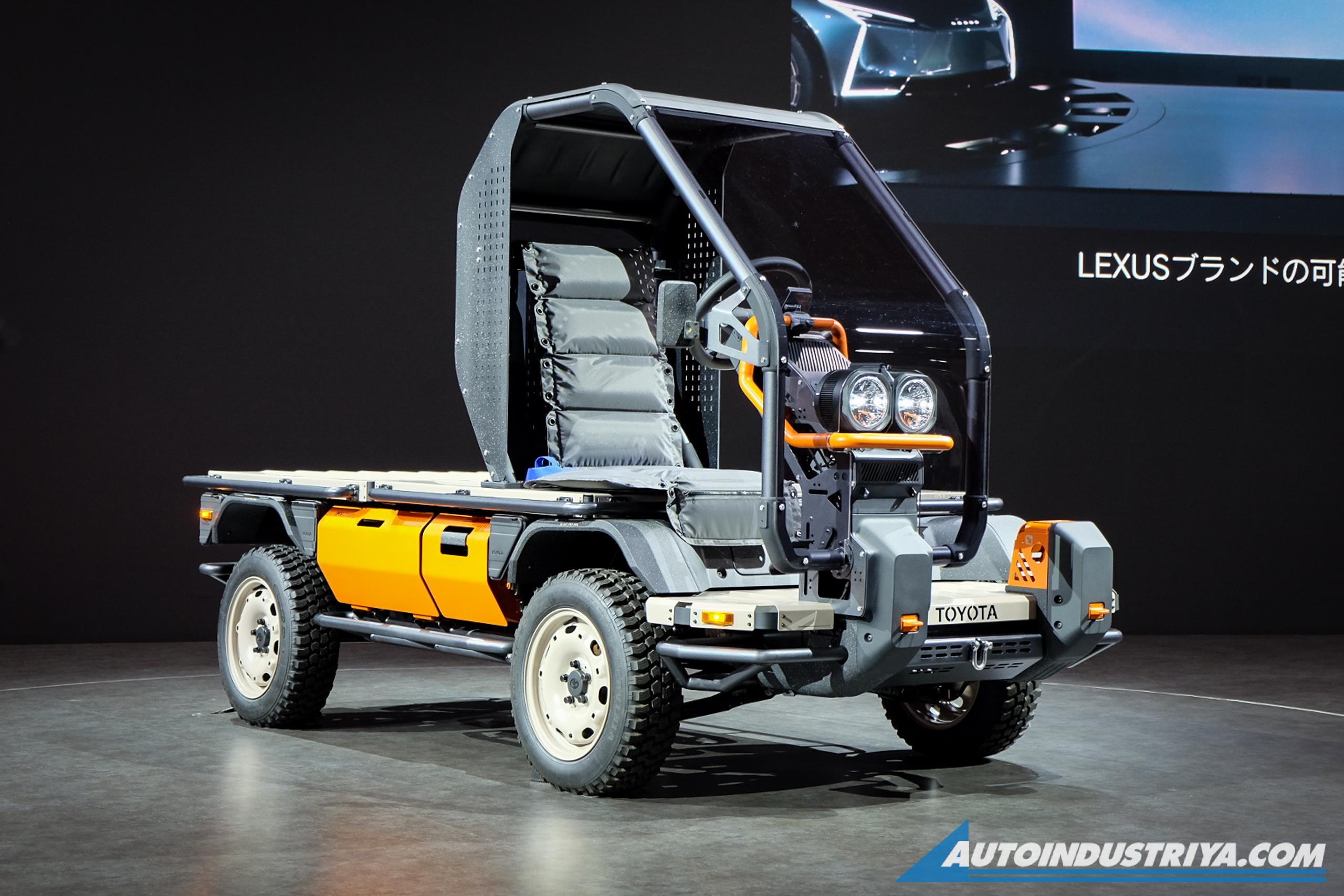
Everyone has a different need when it comes to mobility. A solution that works in Tokyo may not work so well in Manila, nor would it work in places like Africa. There is no one size fits all solution, which is why Toyota went to the Japan Mobility Show (JMS) with that mission in mind: showcase solutions that fit us… all of us, individually.
That was the idea behind IMV Origin; a vehicle geared for regions that have roads (or no roads) that demand ruggedness, but require a different level of end-user customizability.
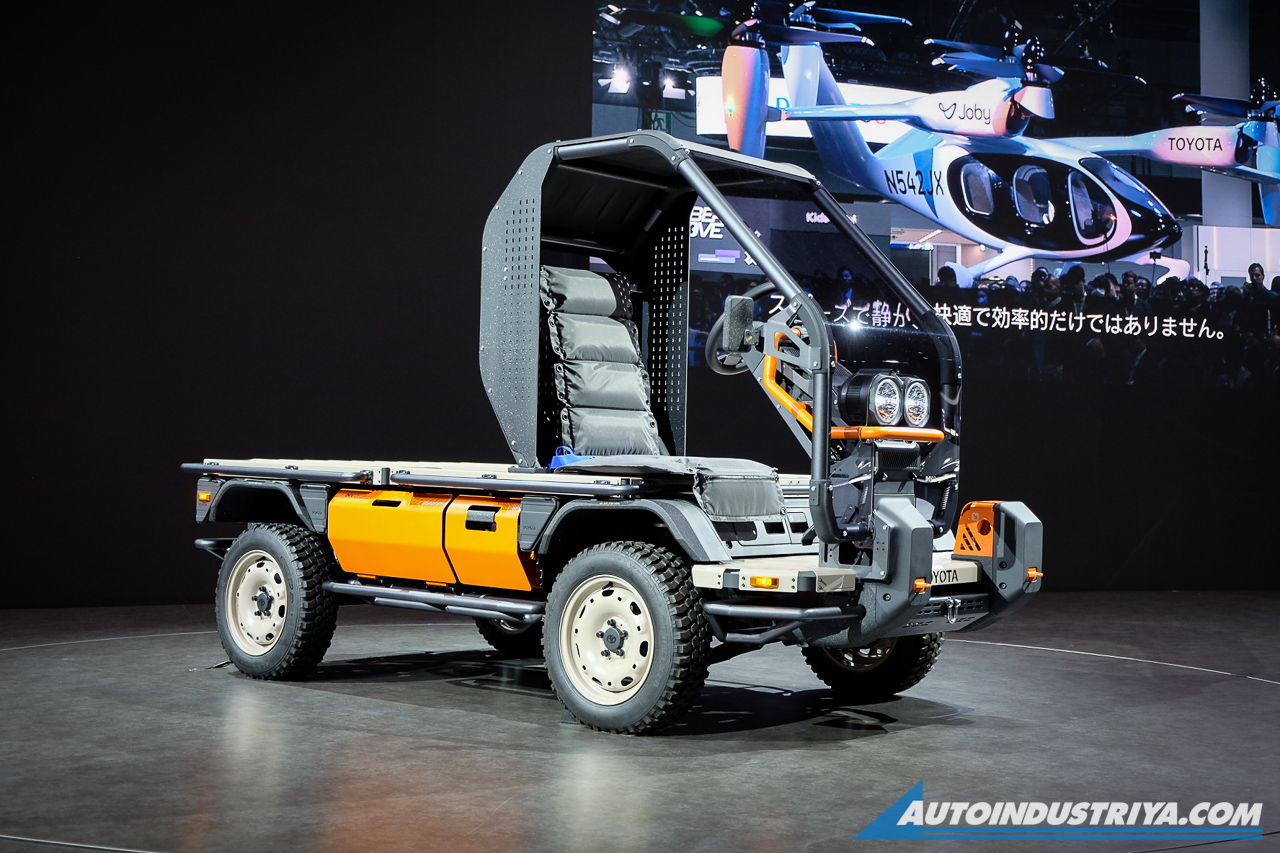
It’s a flat truck built around the concept of simplicity; just sheetmetal atop a chassis that houses all the things a vehicle needs like the suspension, drive unit, steel wheels, all-terrain tires and more. And instead of a double seat cab, it instead comes with a tubular roll-cage with a plexiglass windscreen, simple pedals, simple steering wheel, an off-the-shelf pair of motorcycle headlights, and a set of waterproof inflated cushions (similar to the inflated packaging padding in your Amazon order) buttoned onto the tubular roll-cage. For entertainment, you get a phone holder up front.
If you thought the IMV Origin reminds you of Lego Technic, then you’re not alone because that’s the idea: the key to the vehicle is its modularity. If made into production reality, will arrive in a flat-pack box like it just came from Ikea, and it will be about 70% complete.
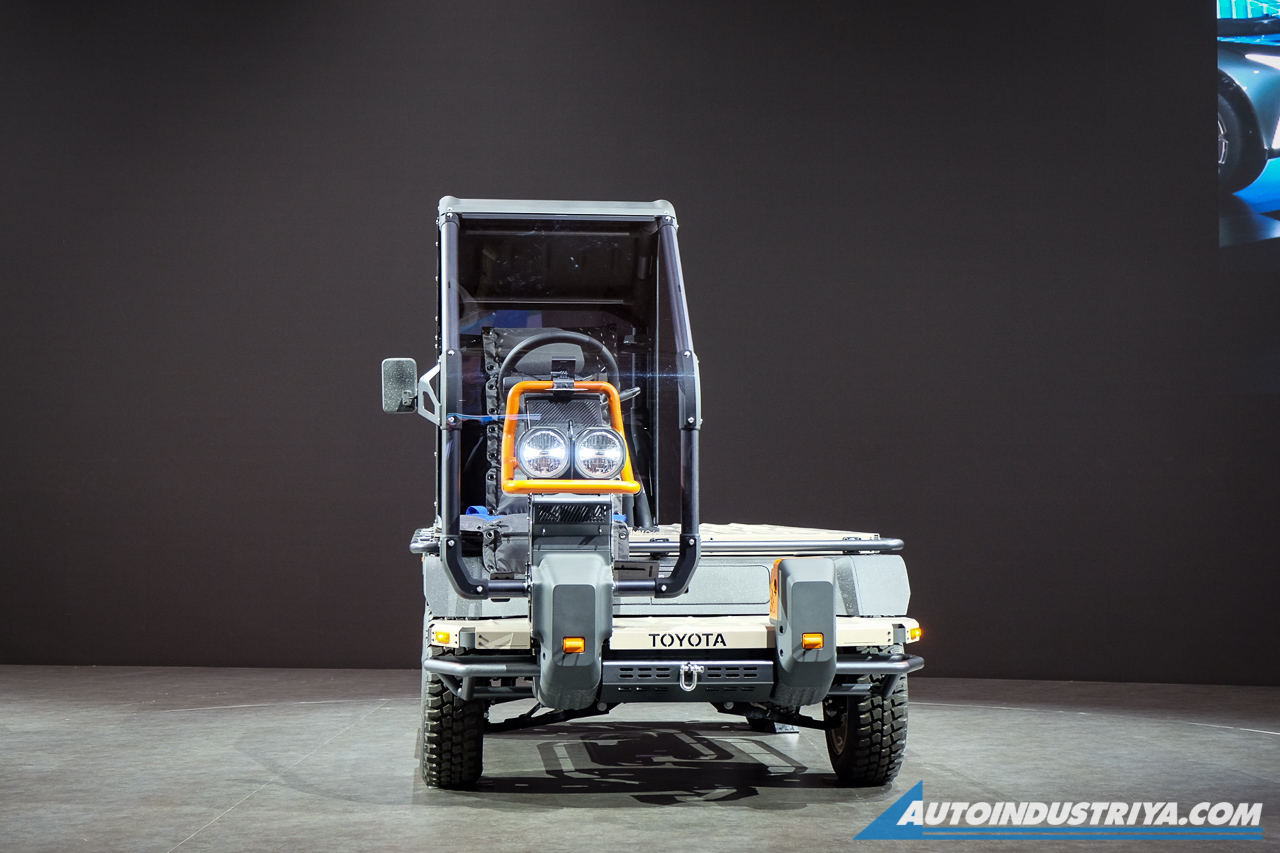
The end-user (you) will be tasked to configure it how you like based on your purposes. You can do that by utilizing many threaded holes on the flat deck that bolt directly to the frame of the vehicle. That means you can use whatever pre-fabricated body structure Toyota may have that could transform the flat platform into something like a pick-up truck. An end-user could conceivable even have some custom panels made, like maybe even a closed box or other kind of specialized body; all they would need to do is to make sure the bolt holes line up with the threaded points on the deck.
Toyota envisions a variety of powertrains that could propel the vehicle from ICE, PHEV, or possibly even BEV, depending on the need. And given the ruggedized 4x4 capable nature of the IMV Origin, it could potentially transform the developing world with its truly unique approach to end-user customizability and modularity. The only thing we can’t really expect from it is any kind of high NCAP rating.
The only question is whether Toyota will actually produce it. We certainly hope they would, and we also hope they price it right. The whispers at the Toyota booth say the target will be around USD 7,000 for a production model of the IMV Origin.
Related Posts
Toyota PH launches T-OPT aftermarket brand at MIAS 2026
Toyota Motor Philippines officially introduces T-OPT, which is their latest premium regional aftermarket parts brand
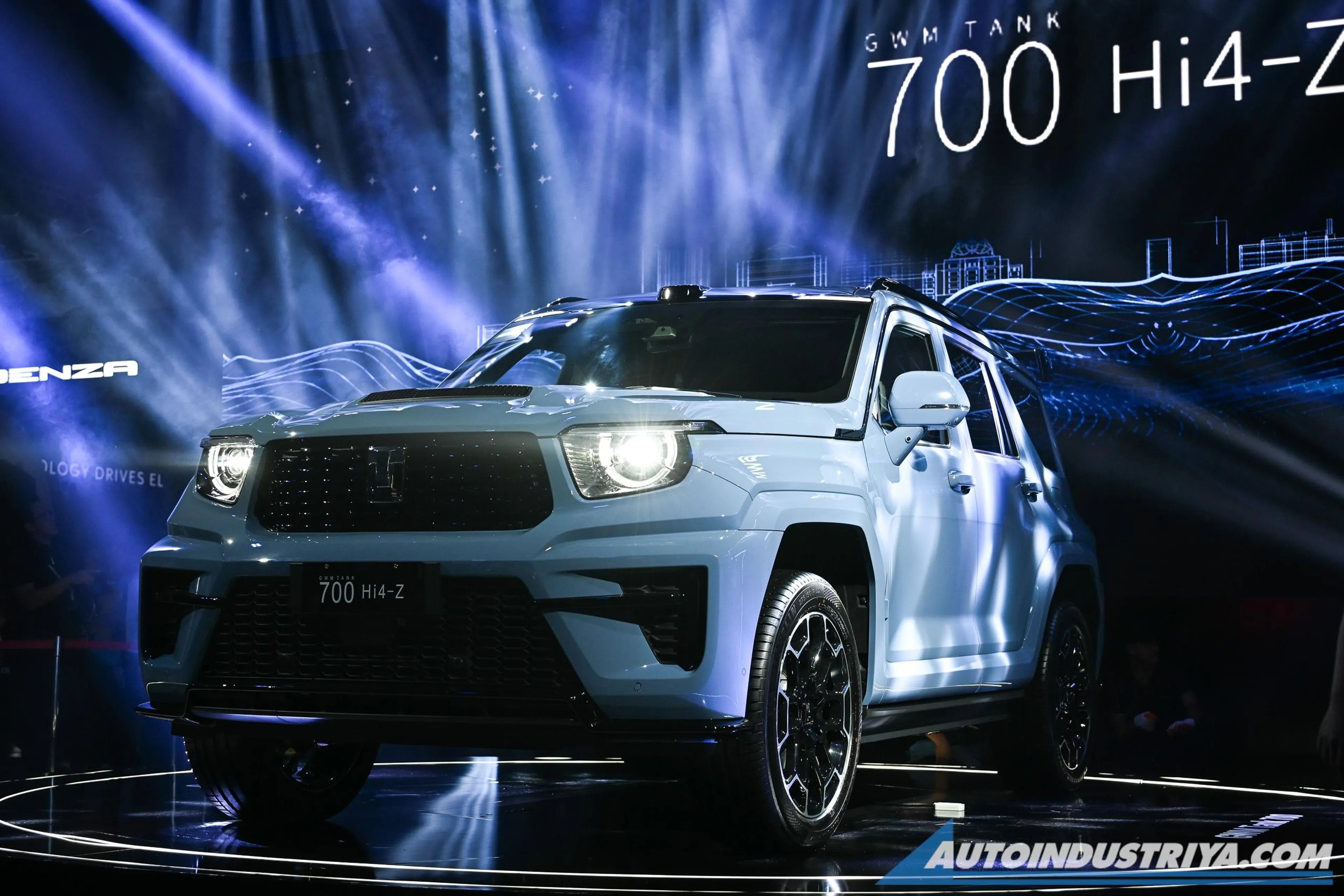
MIAS 2026: GWM Tank 700 PHEV makes first overseas market debut in PH
The GWM Tank Hi4-Z PHEV arrives in PH just weeks after it debuted in the PRC
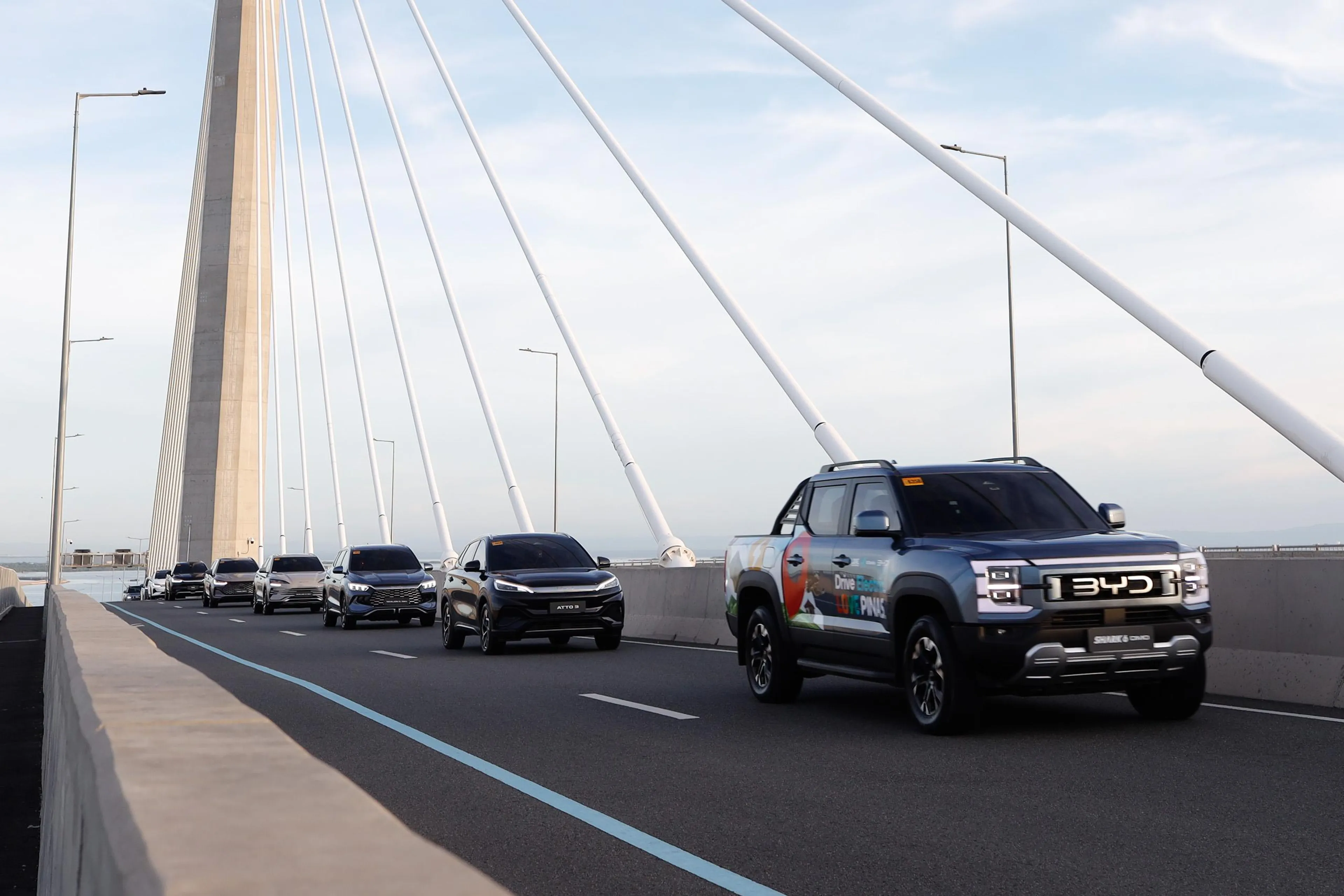
BYD “Drive Electric, Love Pinas” campaign sets two Guinness World Records
BYD and Department of Tourism’s “Drive Electric, Love Pinas” campaign makes it to Guinness World Records
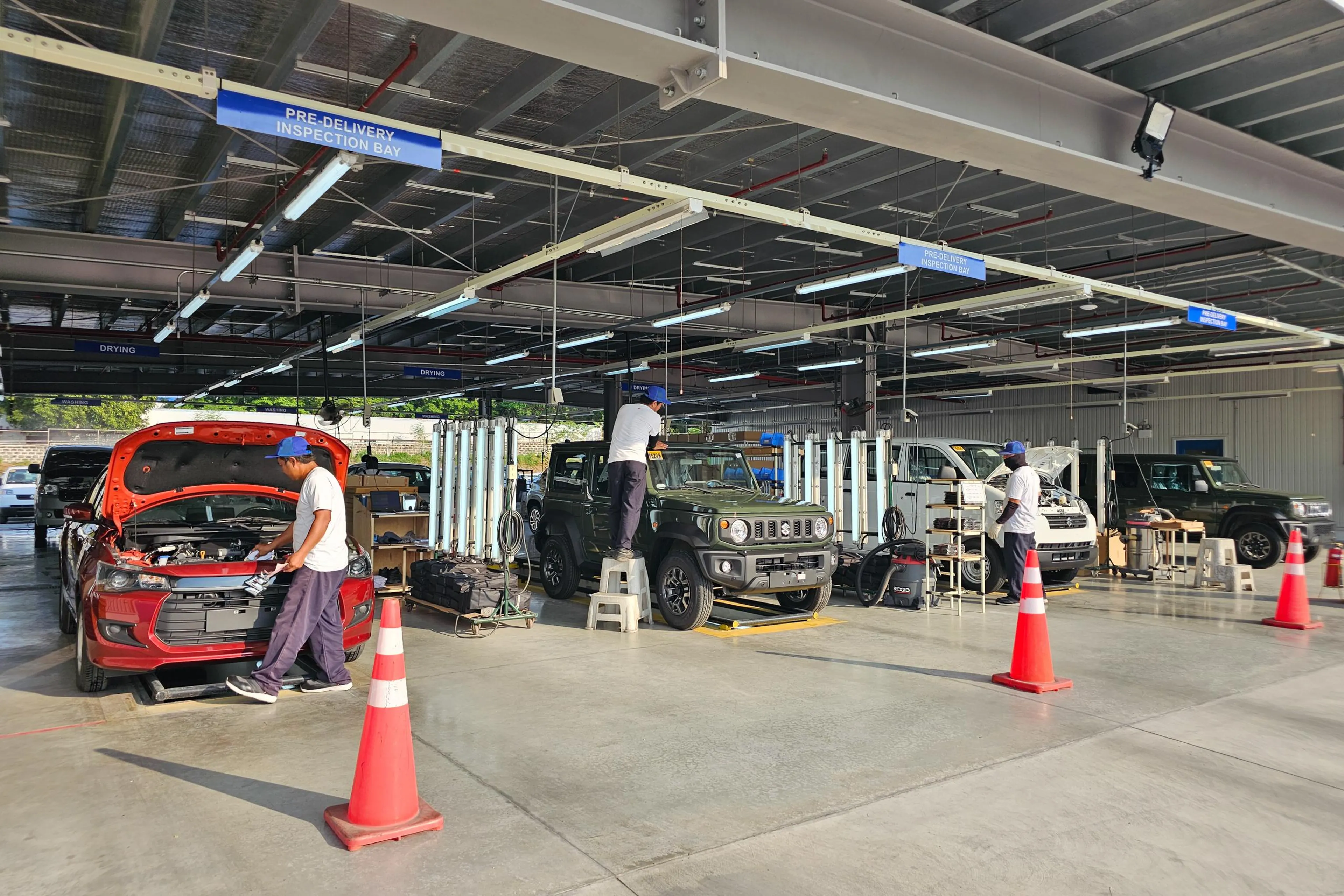
Suzuki Philippines expands Laguna pre-delivery inspection facility
The upgrade lets SPH meet demand while upholding global quality standards
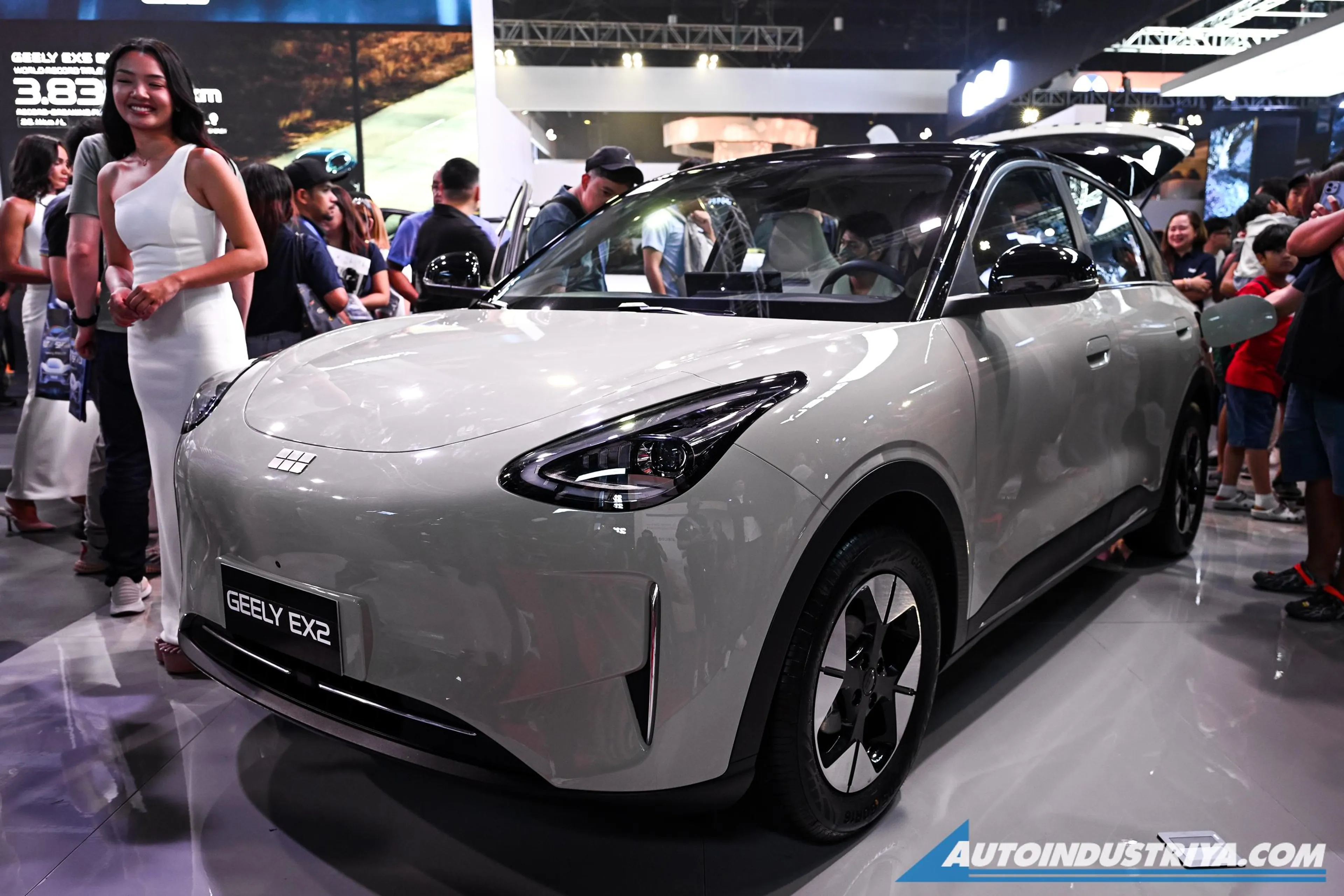
MIAS 2026: Geely PH previews EX2 EV to rival BYD Dolphin
Geely previews the EX2 at 2026 Manila International Auto Show; could start at PHP 950K
MIAS 2026: Jaecoo J5 HEV is priced to compete; starts at PHP 999K
OJPH wants to stir the B-SUV market with the J5 HEV