
How the 1997 GM EV1 shaped modern EVs today
1997 General Motors EV1 and its innovations paved the way for today's electric vehicles.

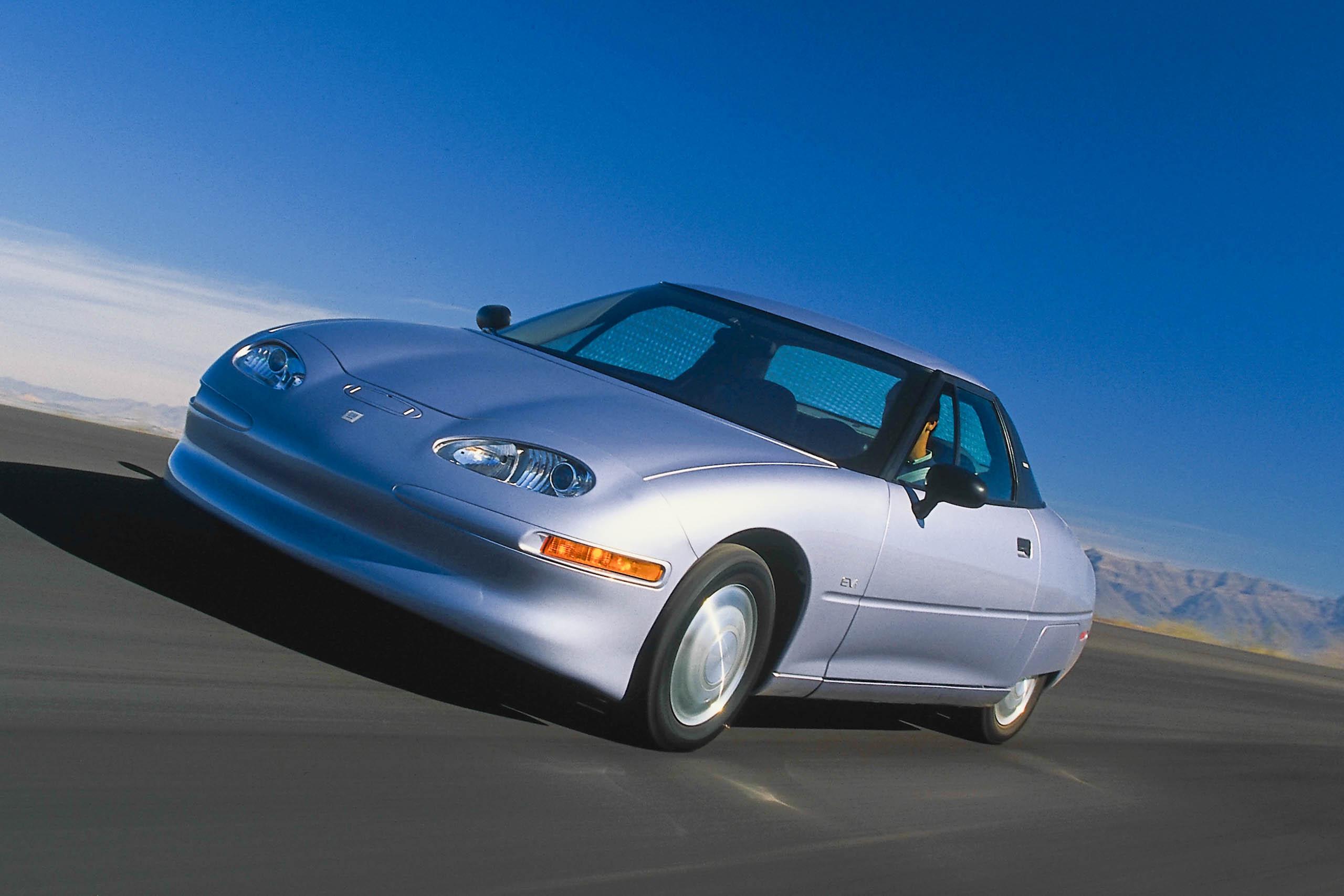
Decades before Teslas and hybrids transformed the automotive world, GM was already ahead of its time with a fully electric car. Launched in 1997, the EV1 became the first modern, mass-produced electric vehicle from a major American automaker, engineered from the ground up to run purely on electricity, not a retrofit or concept.
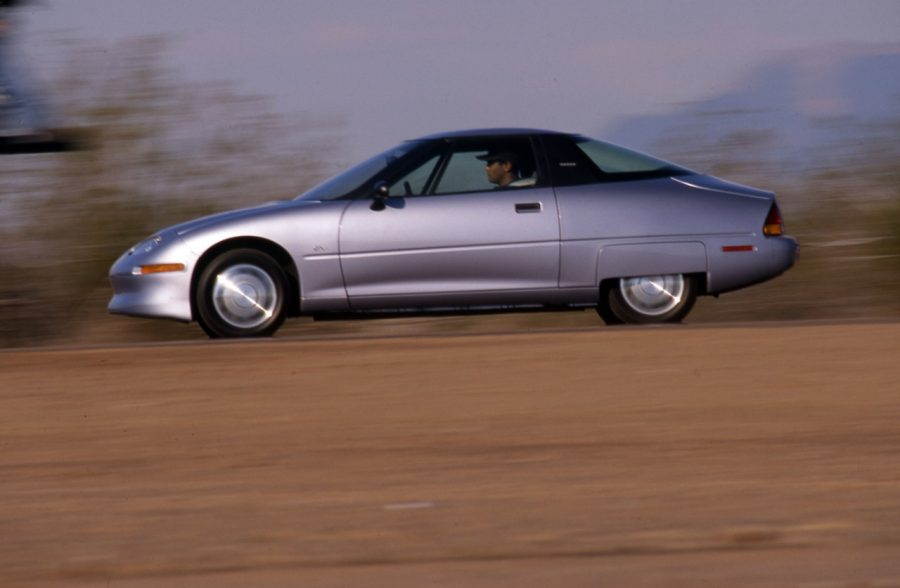
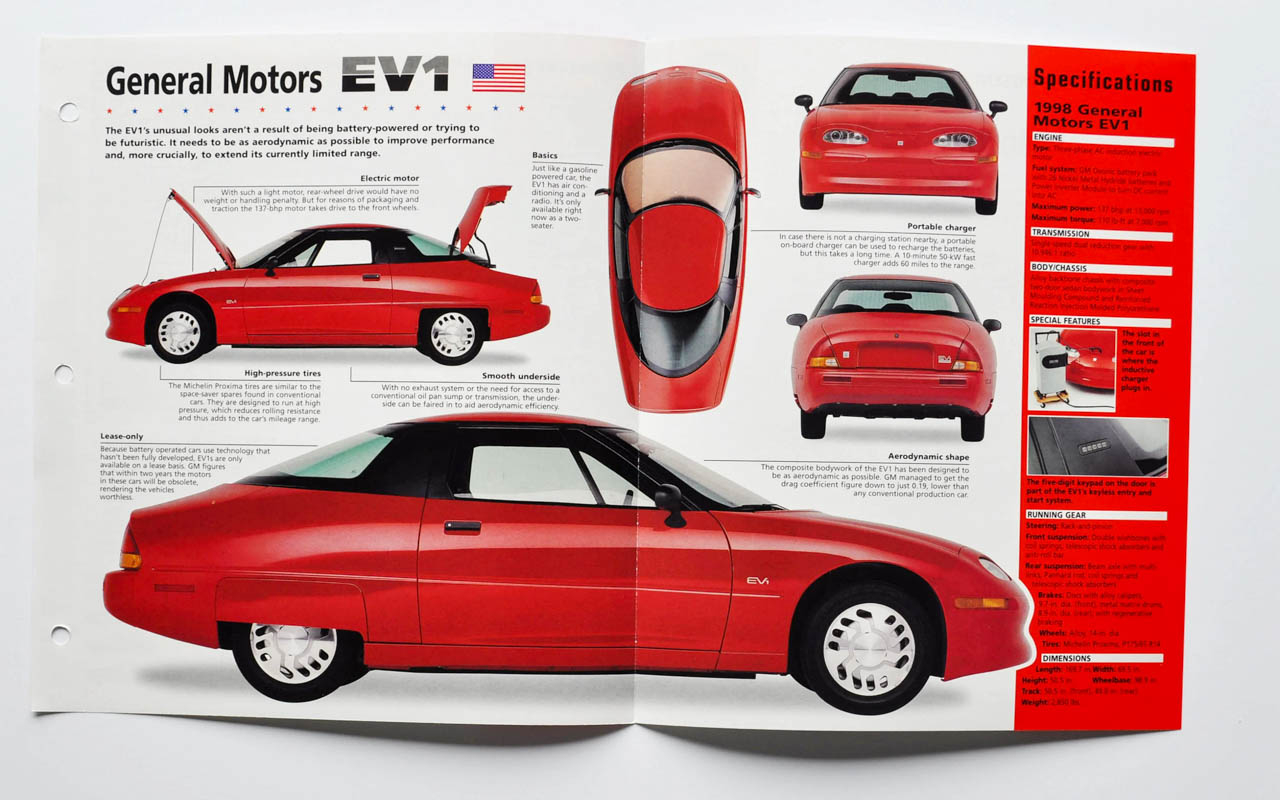
With just 135 PS and 150 Nm of torque from a single front-mounted AC induction electric motor, the EV1 may seem modest by today’s standards. Offering a range of 112 to 145 km on a single charge from a 16.5 kWh lead-acid battery, it nonetheless laid the groundwork for future electric vehicles that continue to shape the industry.
From extreme aerodynamics and lightweight plastic body panels to hidden antennas, the EV1 introduced technologies decades ahead of their time, many of which now underpin today’s electric vehicles.
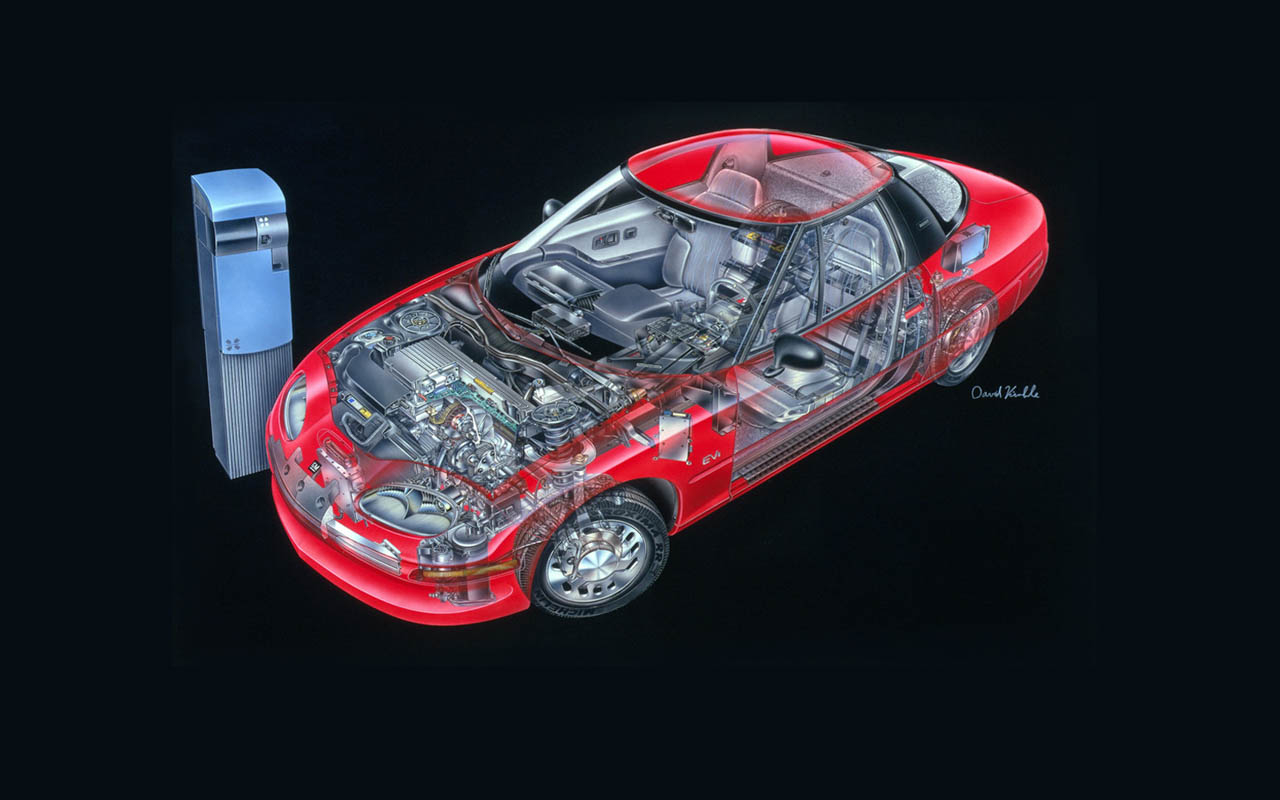
Among the innovations pioneered by GM’s engineering team that have reshaped both electric vehicles and internal combustion cars are: advanced power electronics and cooling systems, electrohydraulic (electric) power steering, heat pump HVAC, low-rolling-resistance tires, and inductive charging, now commonly used in mobile phones and other devices.
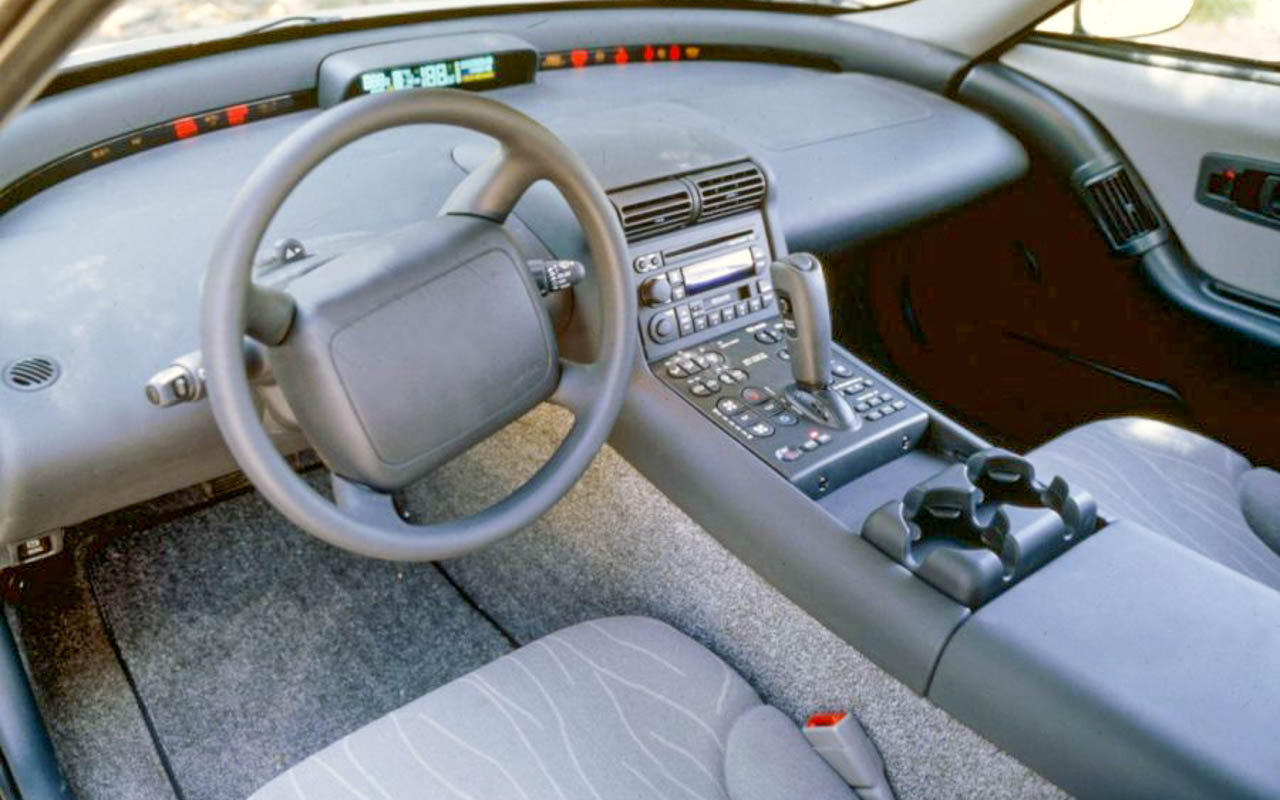
The EV1 also introduced electric-defrost windshields, keyless console ignition, drive-by-wire acceleration and braking, electric parking brakes, regenerative braking with friction blending, cabin preconditioning, and a tire pressure monitoring system.
Under the hood, IGBTs replaced MOSFETs as the primary voltage-controlled switch, enabling more efficient power delivery from the battery to the motor while reducing energy wasted as heat.
Many of these technologies are now standard across the automotive industry, a testament to the EV1 team’s vision and ingenuity.
In 1999, the groundbreaking program came to a sudden end, after just over 1,000 EV1s had been built. What’s more, all the cars were only leased at a special facility in Lansing, Michigan, not sold; even Jay Leno was denied the chance to buy one.
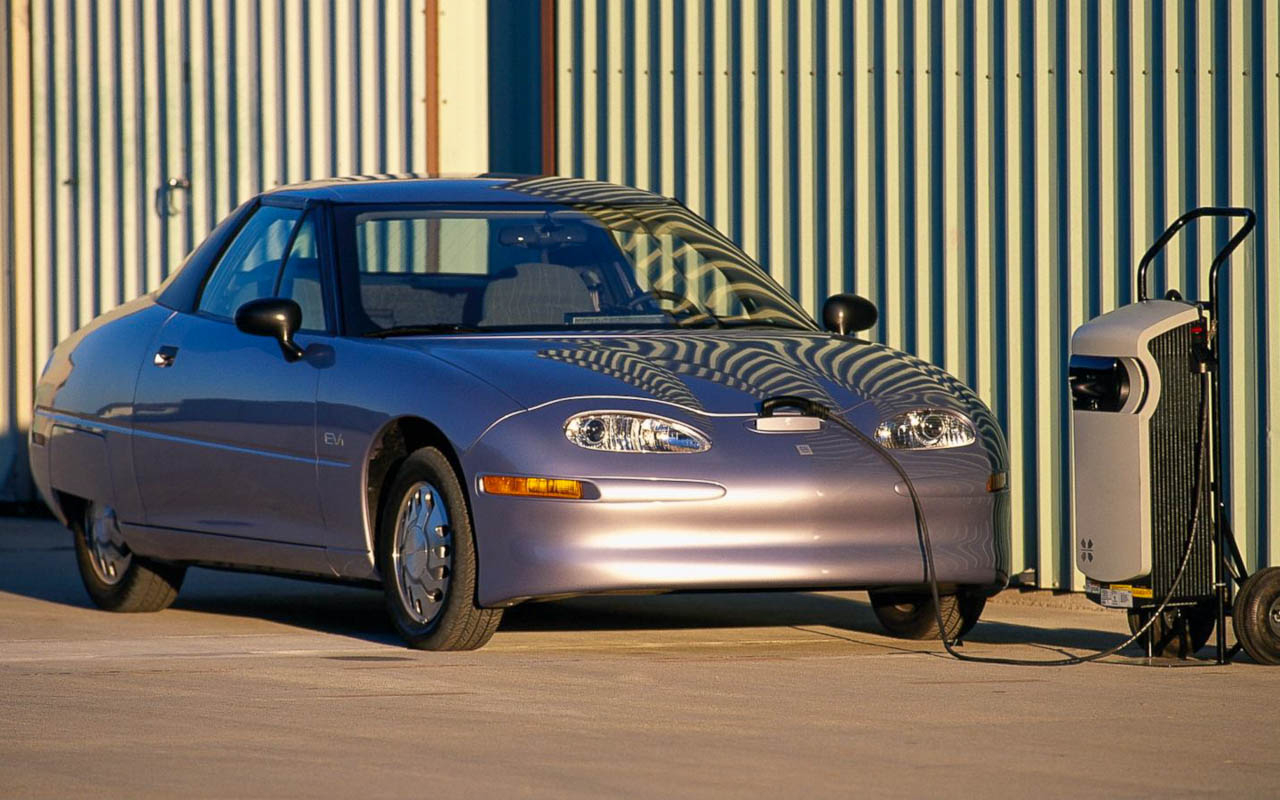
The reason: General Motors treated the EV1 as a high-cost experimental program rather than a commercial product, aiming to control the technology and limit liability. GM feared high maintenance costs, potential battery failures, and doubted the technology’s long-term viability, leading to its demise.
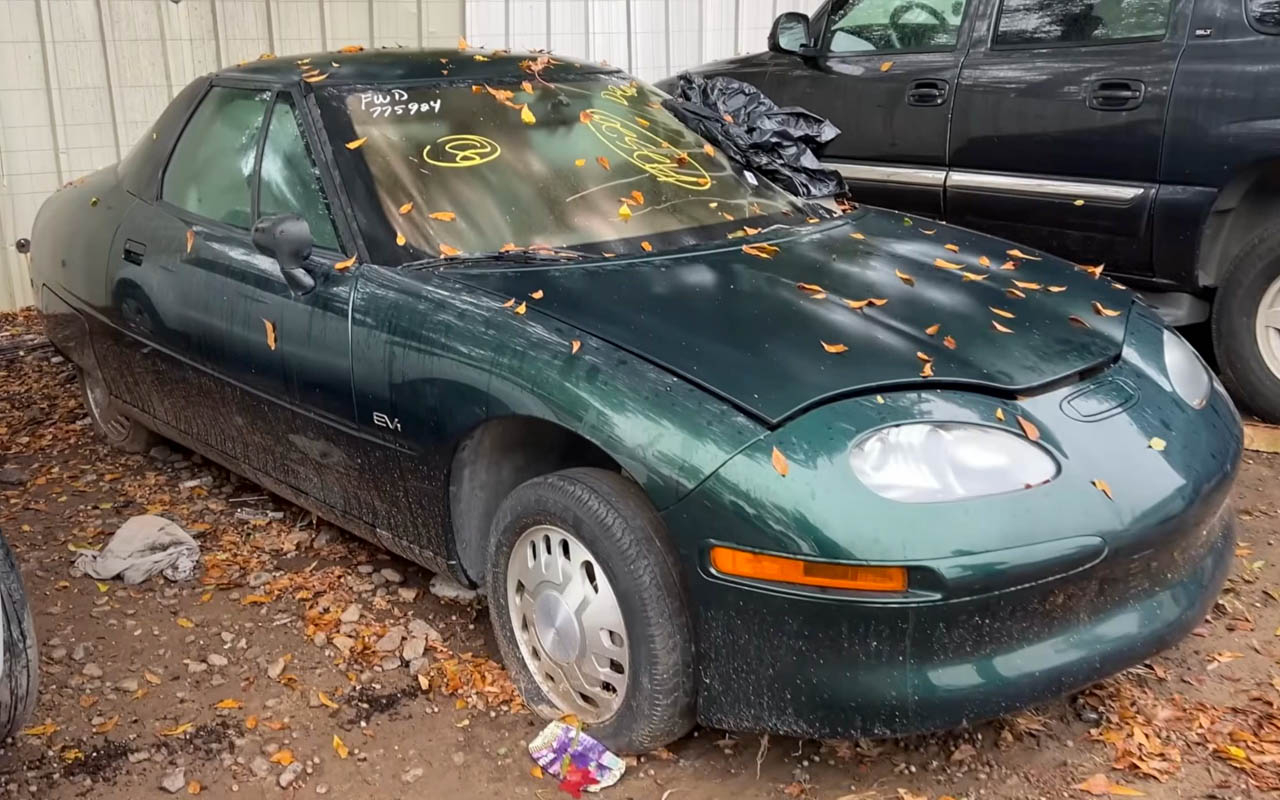
Ultimately, most EV1s were crushed, ending the program and preventing ongoing support. But somehow, one particular EV1 with VIN# 212 recently ended up in an impound lot and was quickly sold for over $100,000, marking the first public sale of an EV1. Billy Caruso, Jared Pink of Questionable Garage, and a team of enthusiasts launched “Project V212” to restore it for the EV1’s 30th anniversary in November 2026.
GM took notice and supported the effort, inviting the team to its campus in Warren, Michigan, for donor parts and guidance from original EV1 engineers. Even GM President Mark Reuss joined, helping the crew gather parts and sharing insights into the EV1’s legacy.
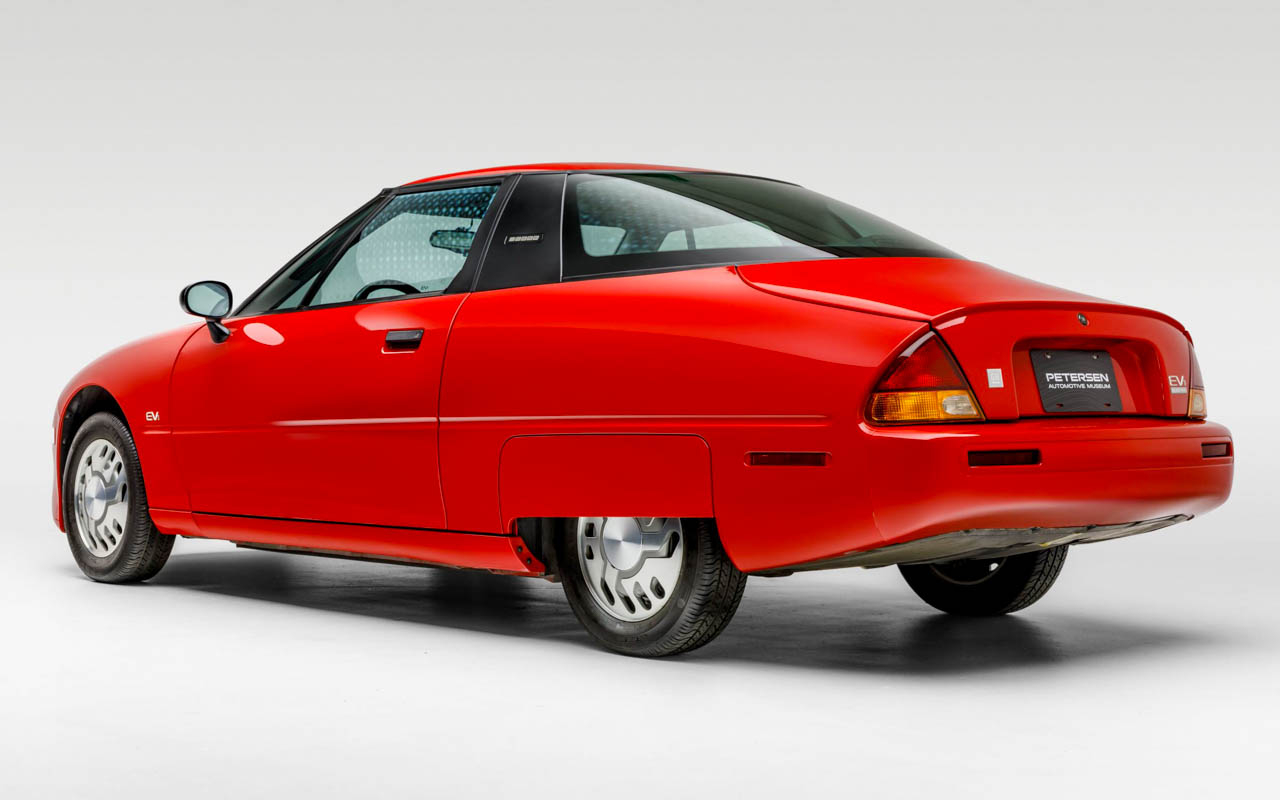
More than just a car, the EV1 proves that GM had envisioned an electric future decades ago. Today, GM offers a range of EVs from its brands, such as Chevrolet, Cadillac, and GMC, as it continues to develop next-generation technologies, such as lithium manganese-rich (LMR) battery technology, and expand its public charging network.
Could this reveal how tomorrow’s vehicles will move in an energy-constrained world? Share your thoughts with us.
Related Posts
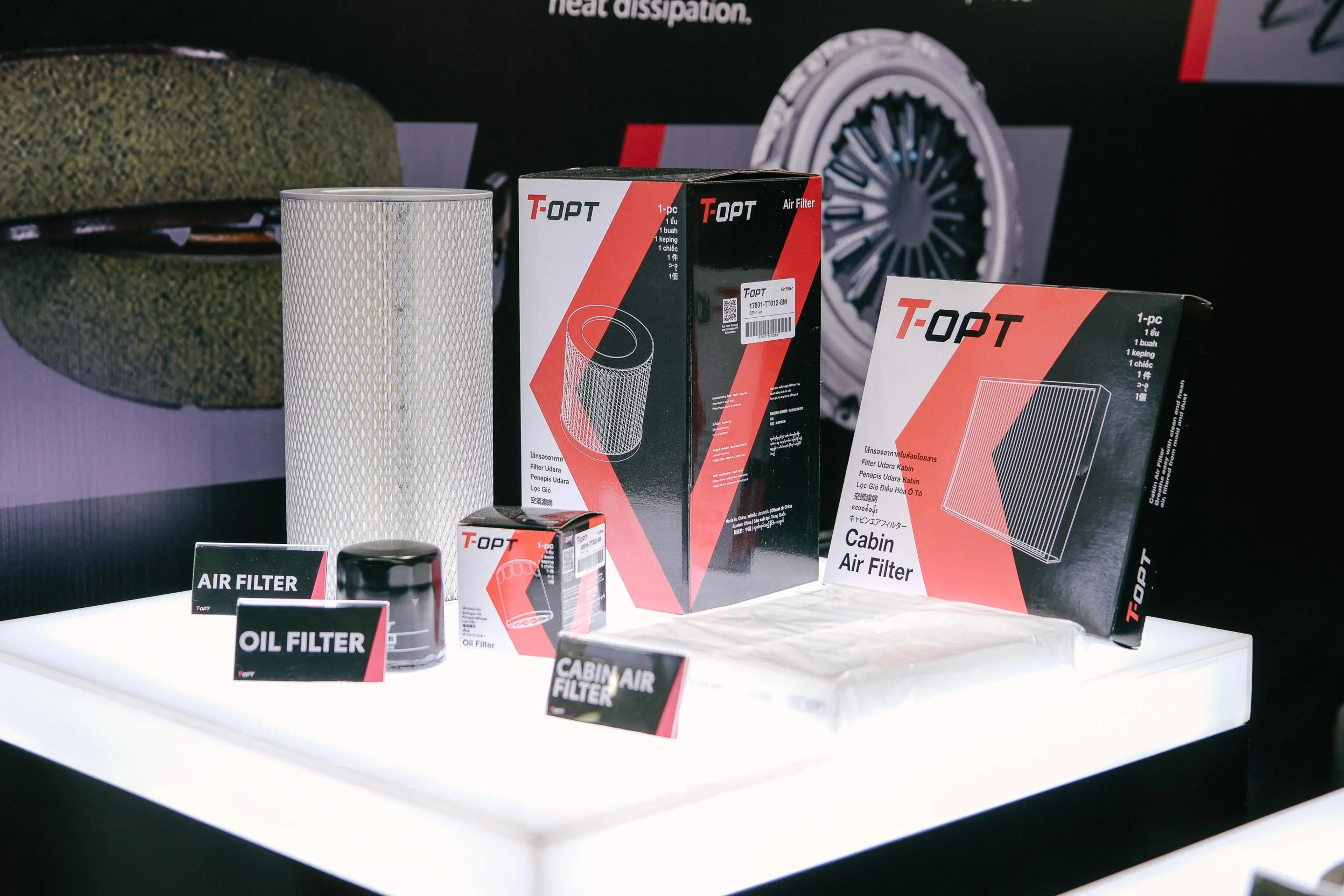
Toyota PH launches T-OPT aftermarket brand at MIAS 2026
Toyota Motor Philippines officially introduces T-OPT, which is their latest premium regional aftermarket parts brand
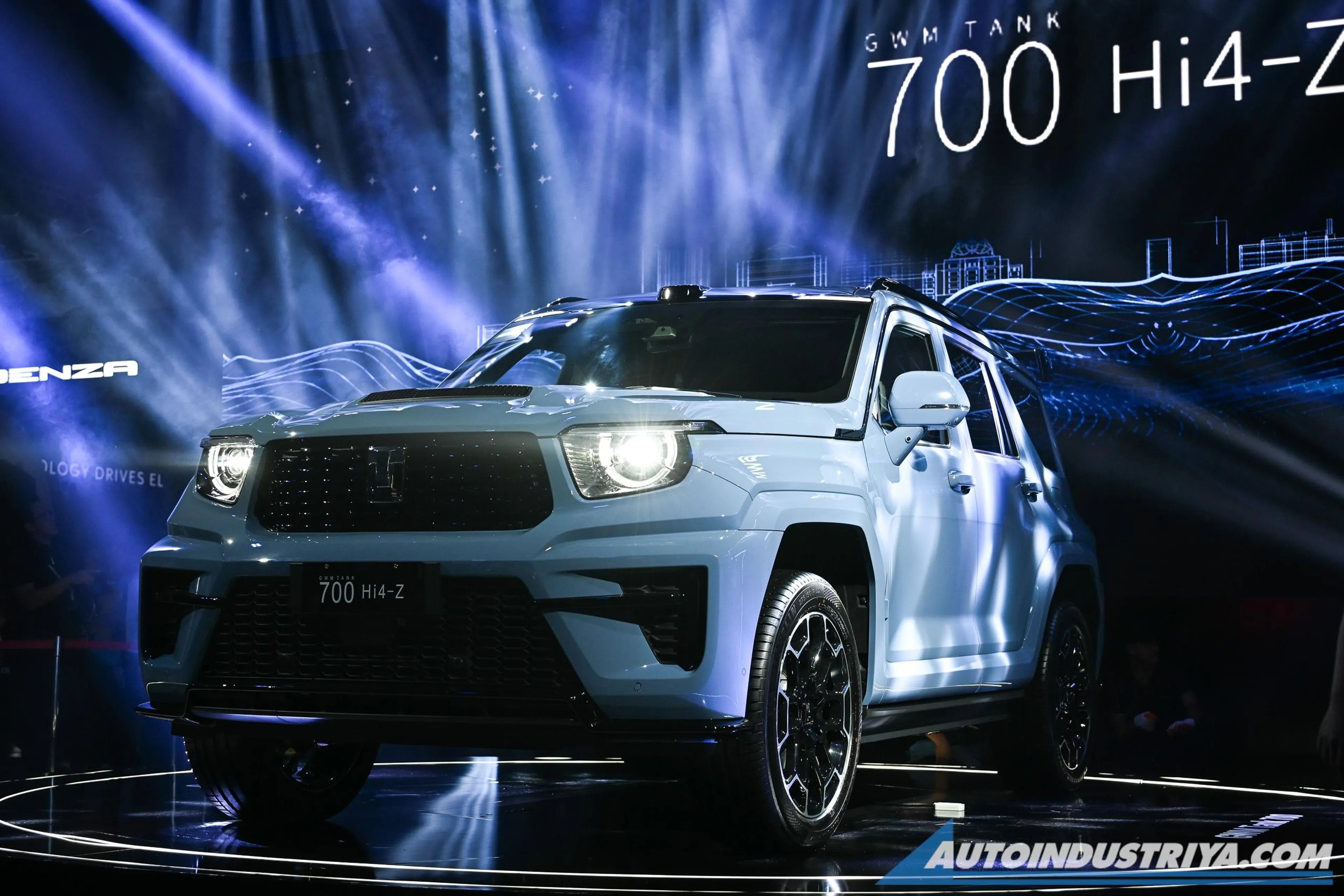
MIAS 2026: GWM Tank 700 PHEV makes first overseas market debut in PH
The GWM Tank Hi4-Z PHEV arrives in PH just weeks after it debuted in the PRC
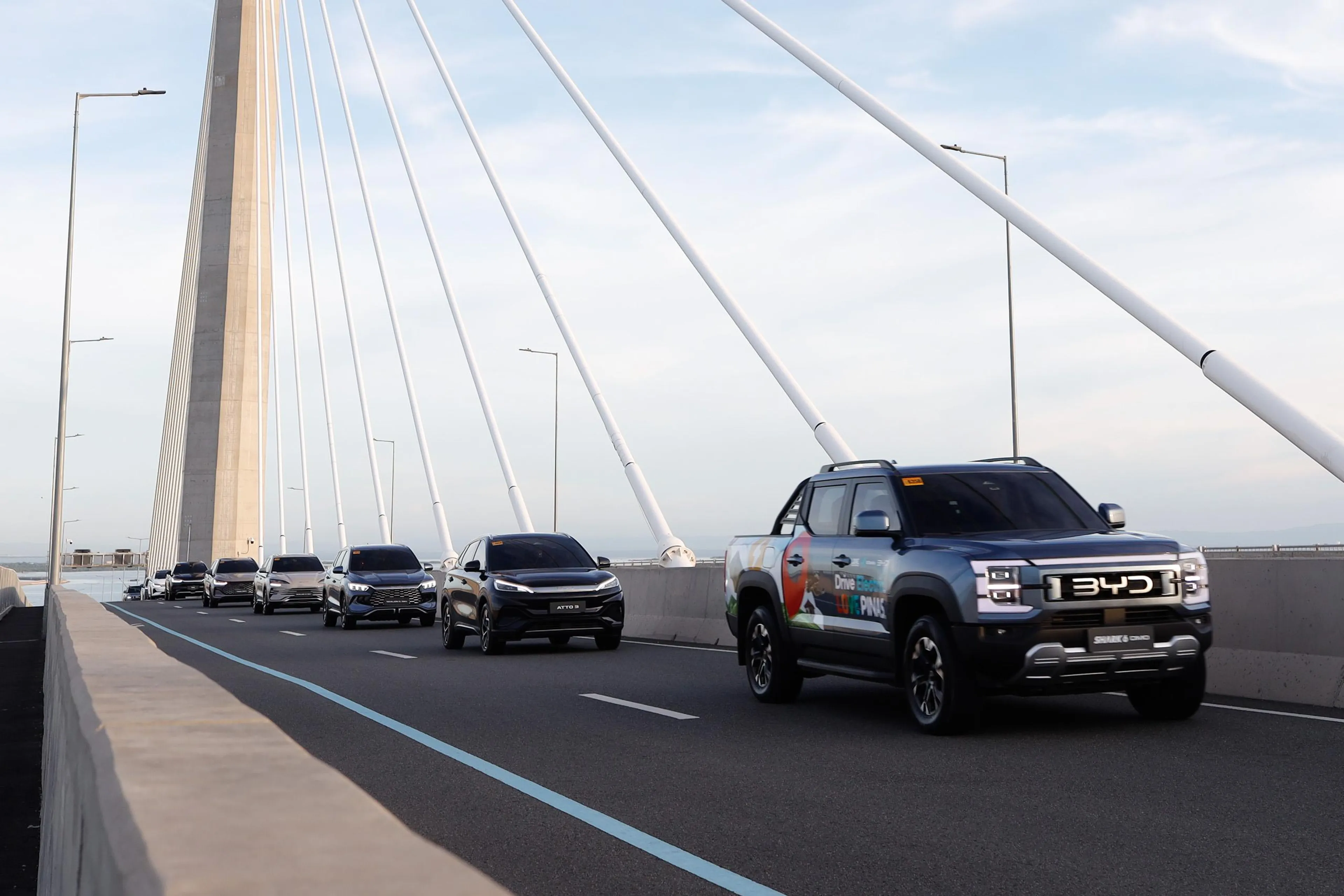
BYD “Drive Electric, Love Pinas” campaign sets two Guinness World Records
BYD and Department of Tourism’s “Drive Electric, Love Pinas” campaign makes it to Guinness World Records
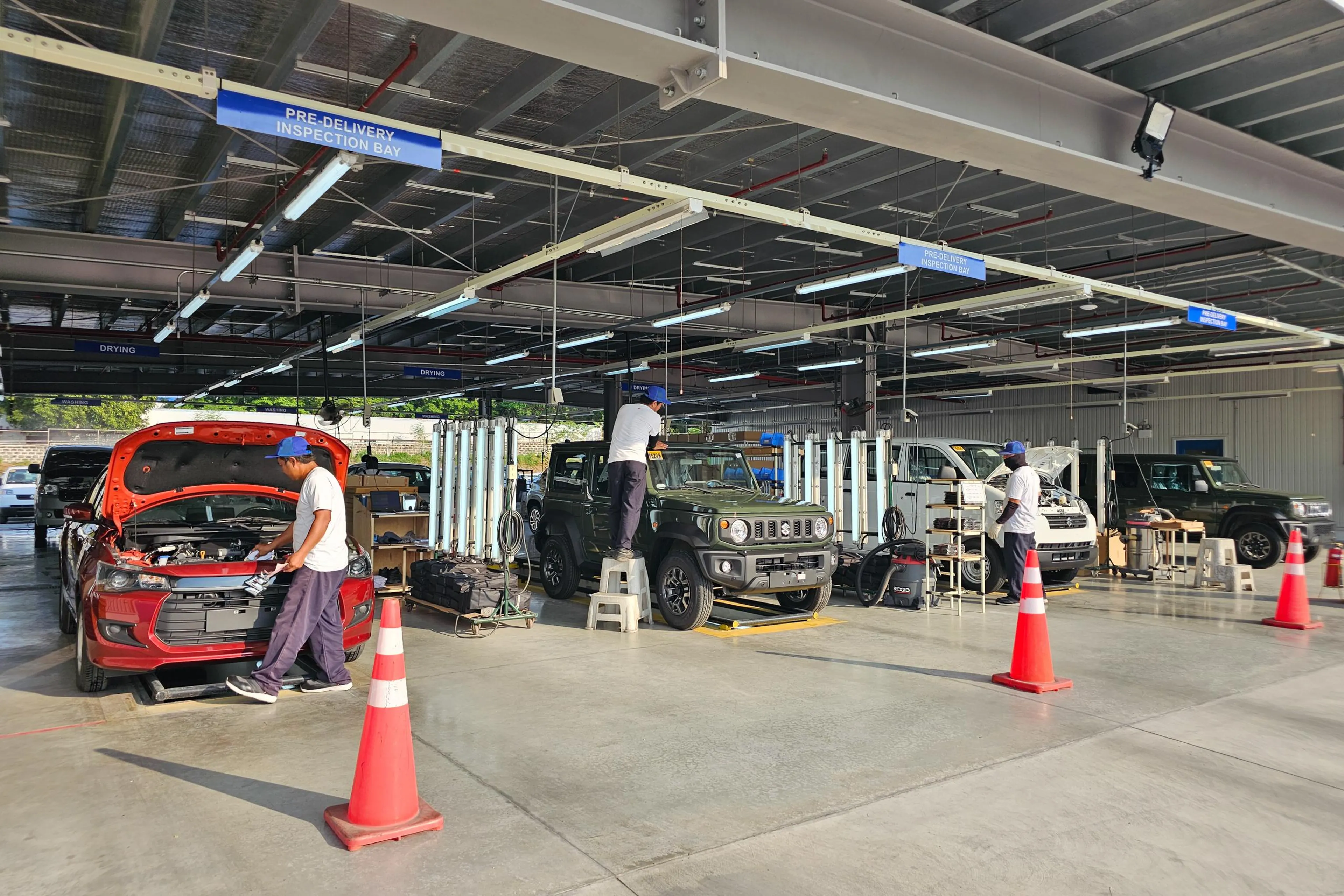
Suzuki Philippines expands Laguna pre-delivery inspection facility
The upgrade lets SPH meet demand while upholding global quality standards
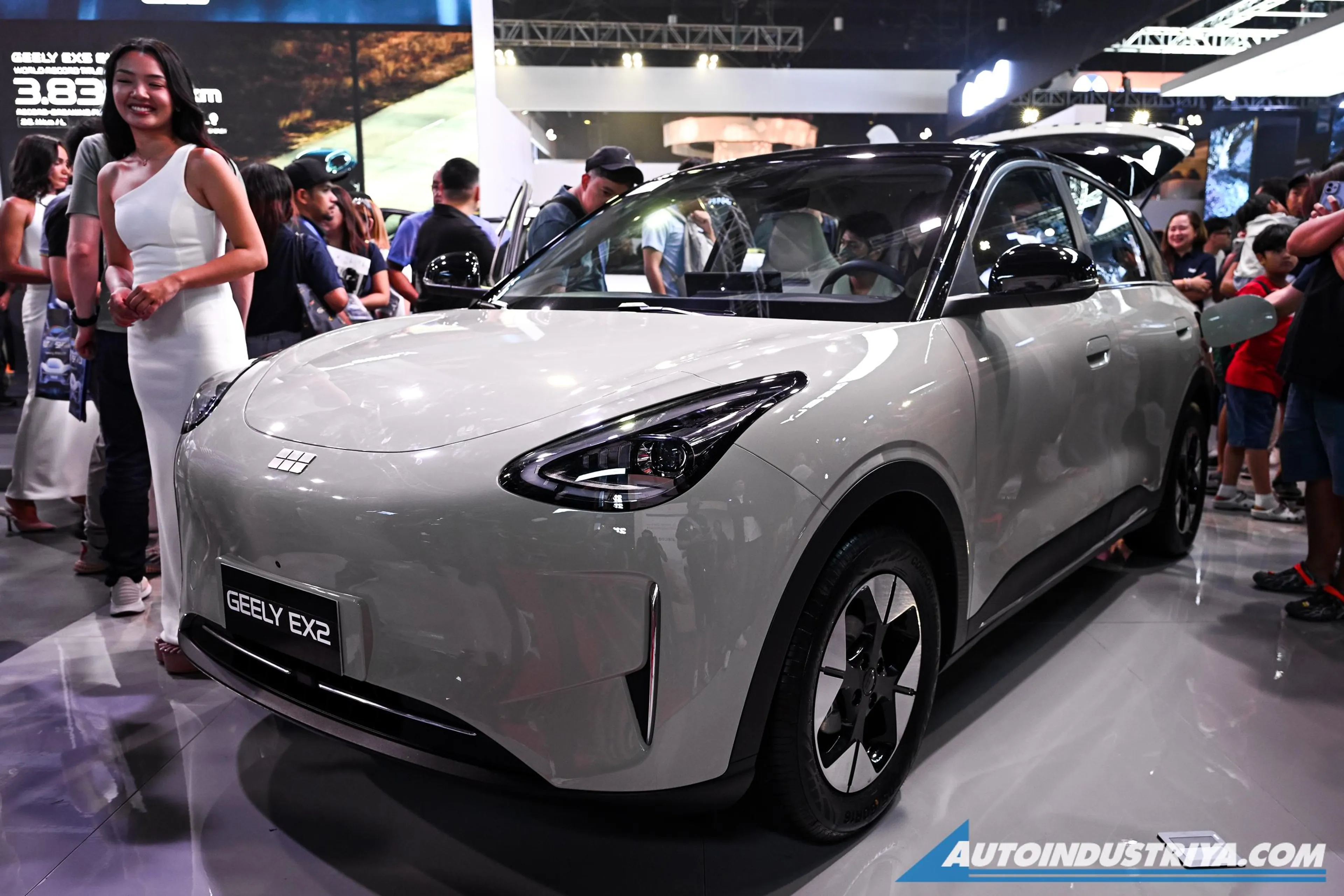
MIAS 2026: Geely PH previews EX2 EV to rival BYD Dolphin
Geely previews the EX2 at 2026 Manila International Auto Show; could start at PHP 950K
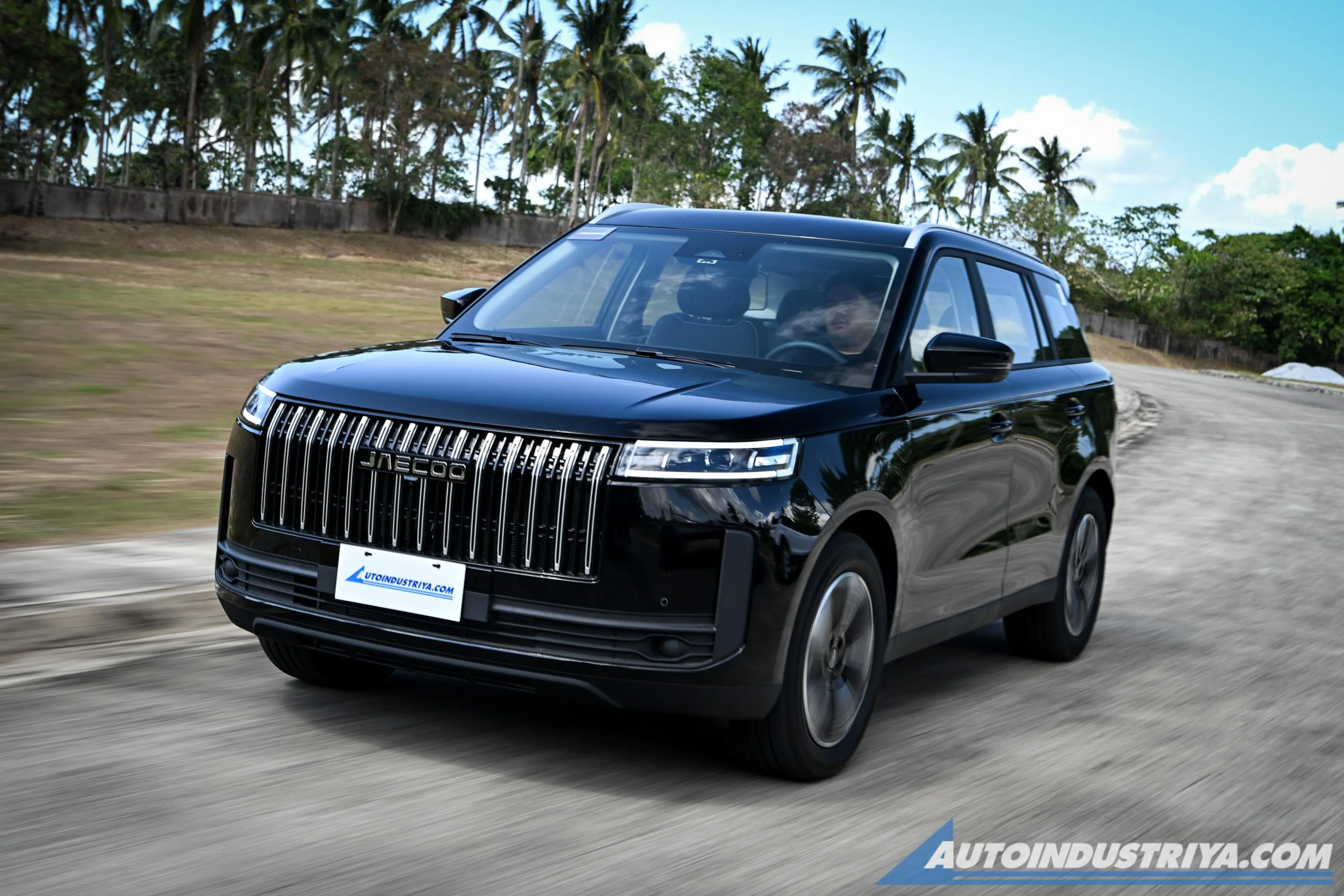
MIAS 2026: Jaecoo J5 HEV is priced to compete; starts at PHP 999K
OJPH wants to stir the B-SUV market with the J5 HEV