
Geely launches satellites to help guide self-driving vehicles
Geely's new satellites will guide vehicles and enable true, safe autonomous driving

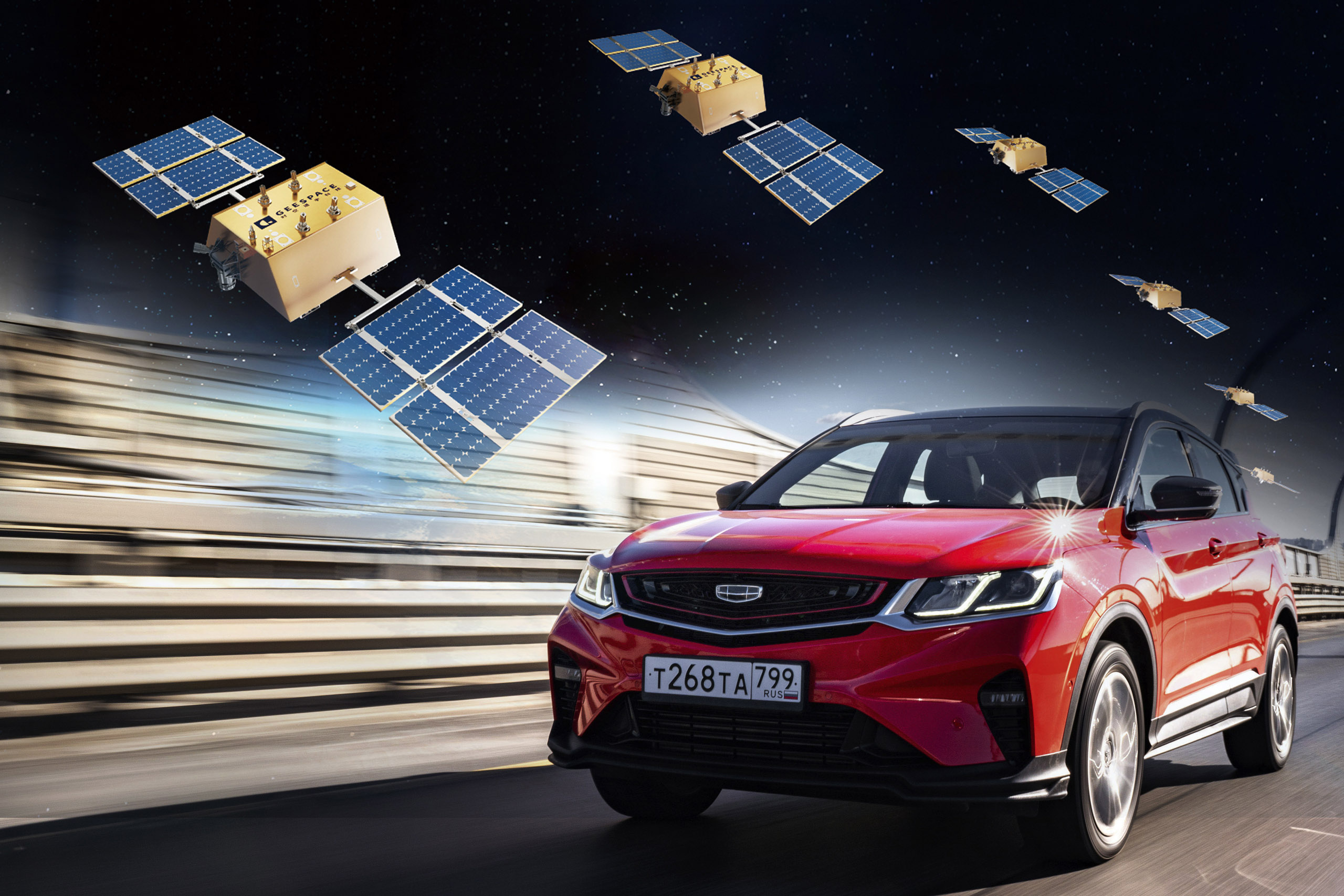
Geely's dream of making self-driving cars has inched closer to reality. This comes after the company's subsidiary Geespace launched its first 9 satellites into low earth orbit (LEO). Launched from the Xichang Satellite in the Sichuan province, the GeeSAT-1 satellites will form a constellation called Geely Future Mobility which will serve an important role in the company's autonomous vehicles.
But what purpose will these satellites serve in Geely's self-driving automobiles? They will provide centimeter-accurate precise positioning and connectivity support for use by Geely. The automaker claims that this will enable true, safe autonomous driving to guide vehicles. In addition, the satellites will also help with logistics and drone navigation, among other things.
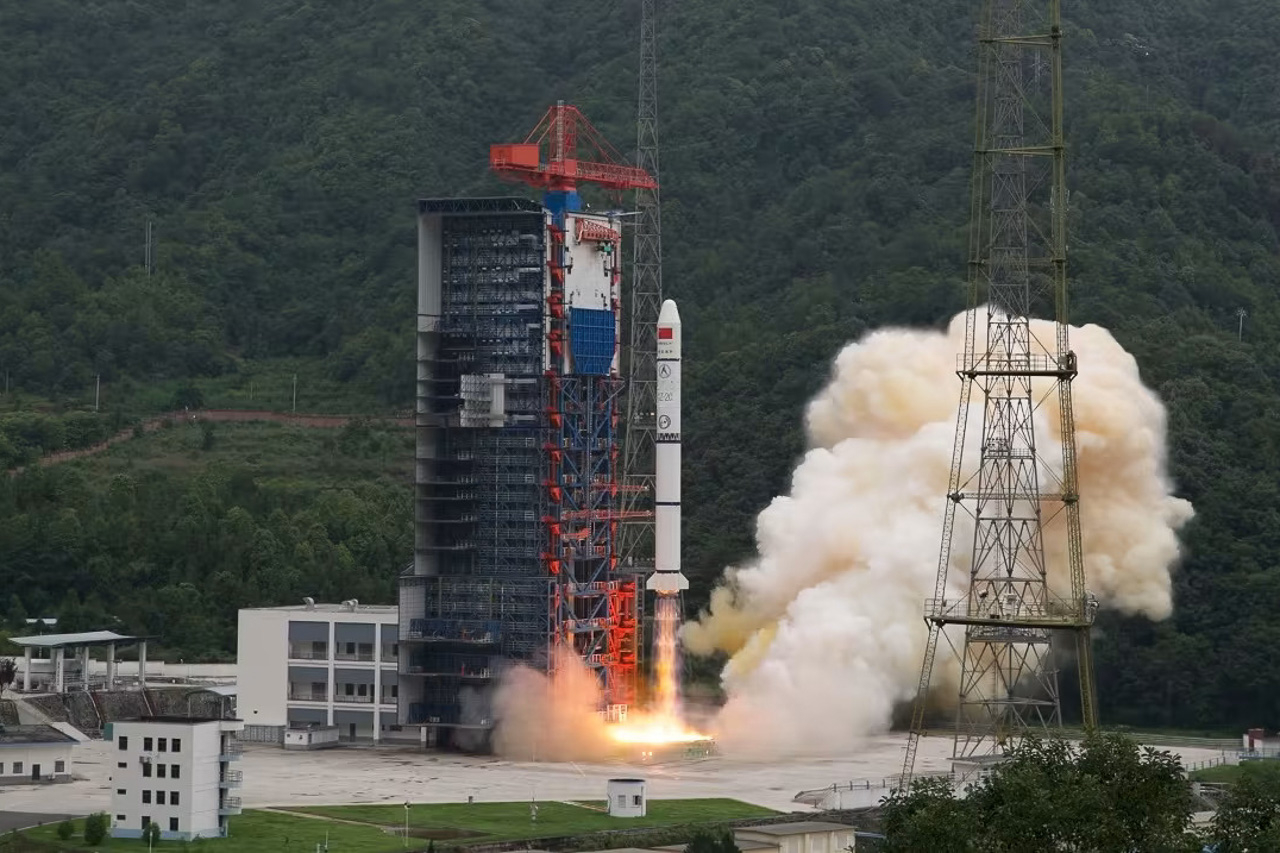
With the successful launch of Geespace's first satellites, the company is set to become one of the world's first providers of combined commercial Precise Point Positioning and Real-Time Kinematic Services (PPP-RTK). The satellites will have an operating lifespan of 5 years. After which, the satellites will propel themselves into the earth's atmosphere where they will disintegrate without any space debris.
“By establishing the Geely Future Mobility Constellation, Geespace is positioning itself to meet future user demands for high-precision positioning, space-based communication, and remote sensing services. In addition, by offering Geespace’s expertise and capabilities in commercial satellite production, AIT services, and satellite support infrastructure services to customers, new opportunities to develop have been opened in various sectors including smart mobility, consumer electronics, unmanned systems, smart cities, and environmental protection,” said Tony Wang, CEO and Chief Scientist of Geespace.
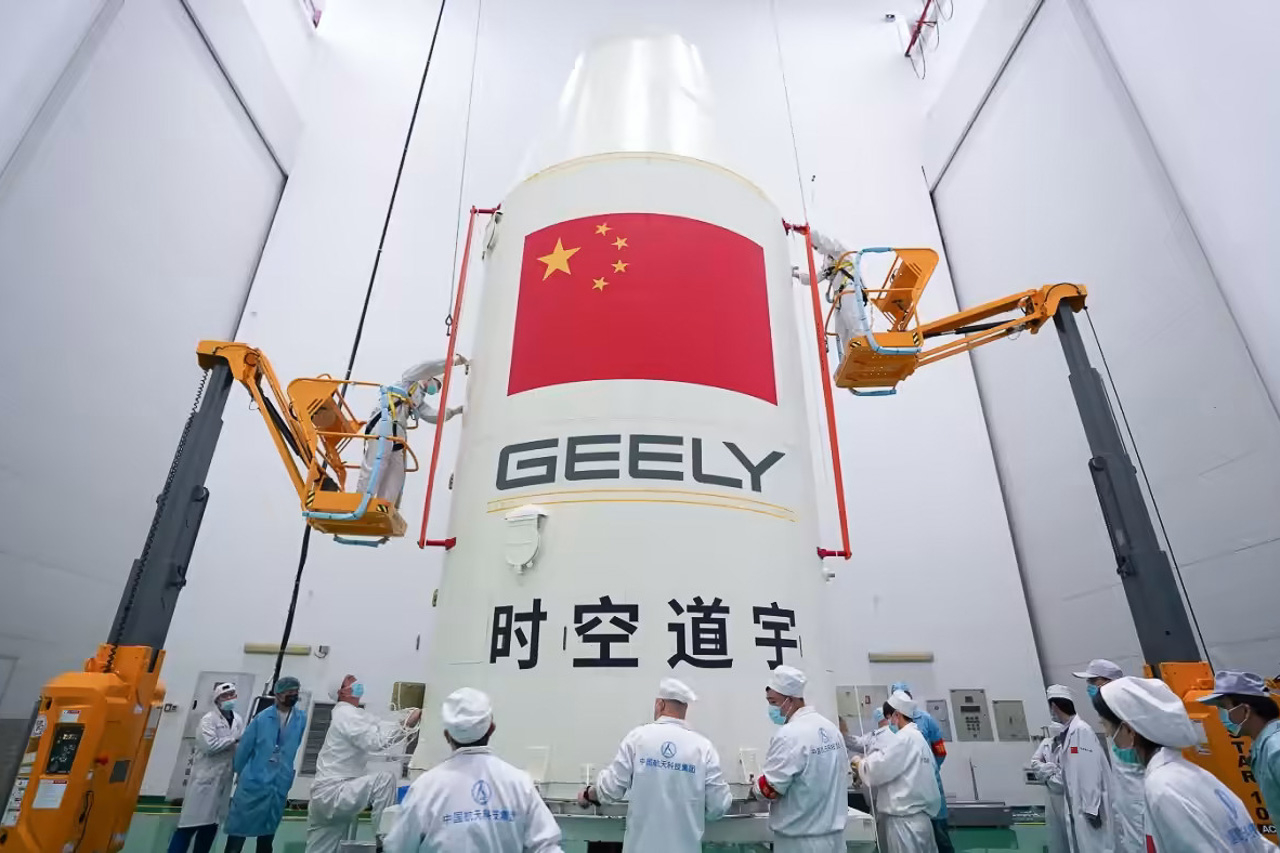
The Geely Future Mobility constellation will consist of a total of 240 satellites, with the first phase consisting of 72 satellites that are expected to be placed in orbit by 2025. The second phase will follow and will consist of 168 satellites.
In the coming years, we won't be surprised if Geely begins testing and offering self-driving vehicles. Heck, the automaker might already be busy developing autonomous systems for models like the Coolray, Okavango, and even the Azkarra.
Related Posts
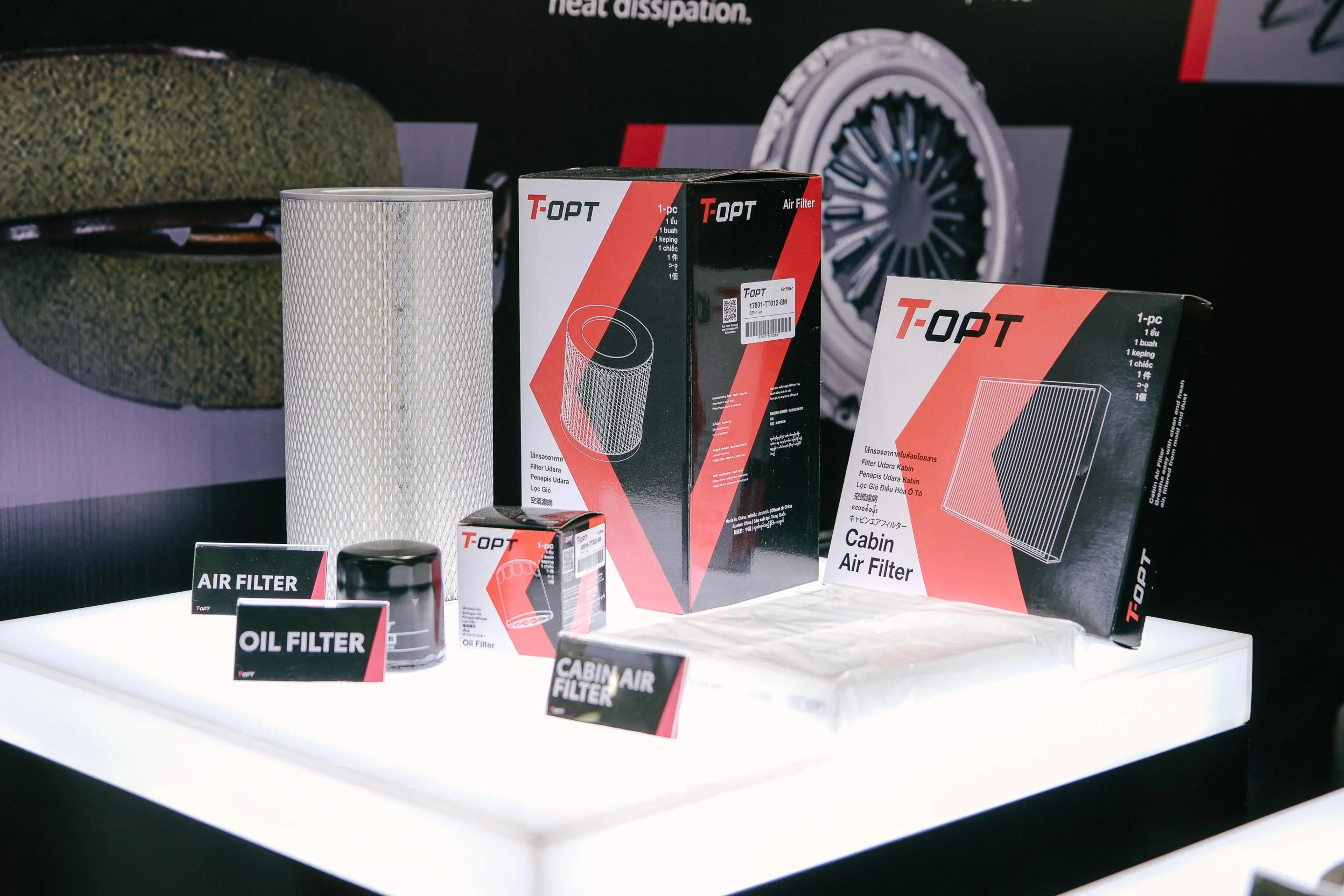
Toyota PH launches T-OPT aftermarket brand at MIAS 2026
Toyota Motor Philippines officially introduces T-OPT, which is their latest premium regional aftermarket parts brand
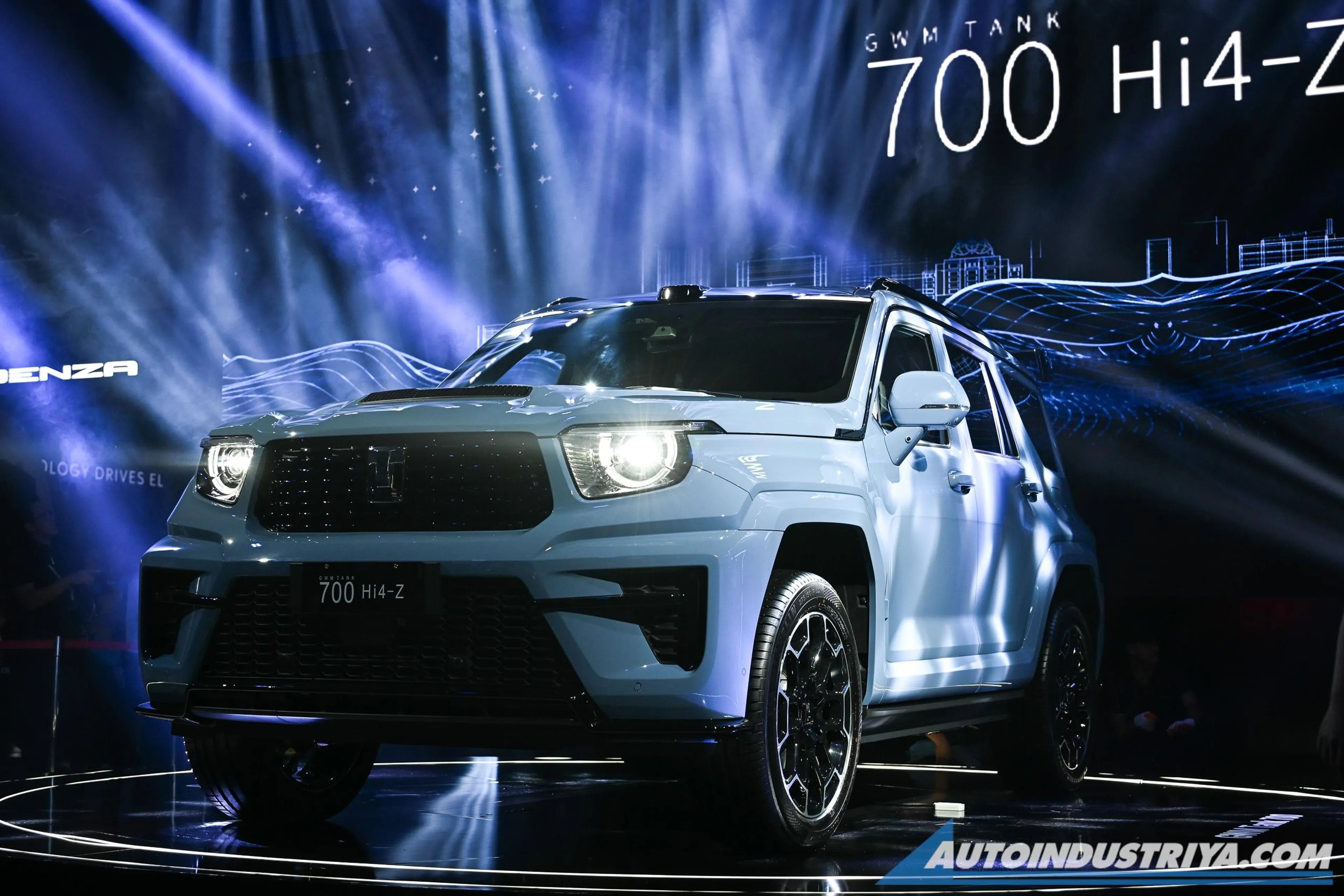
MIAS 2026: GWM Tank 700 PHEV makes first overseas market debut in PH
The GWM Tank Hi4-Z PHEV arrives in PH just weeks after it debuted in the PRC
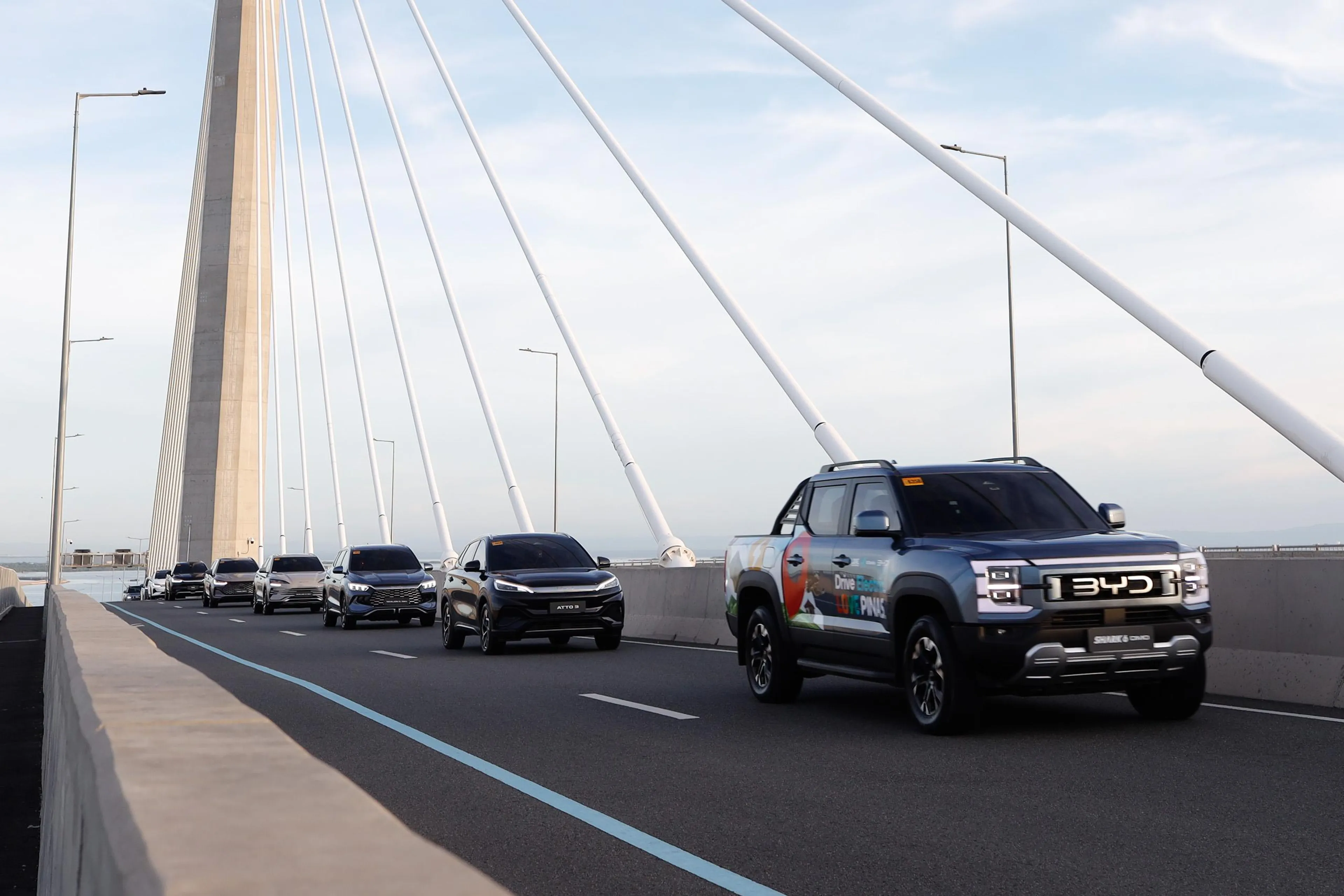
BYD “Drive Electric, Love Pinas” campaign sets two Guinness World Records
BYD and Department of Tourism’s “Drive Electric, Love Pinas” campaign makes it to Guinness World Records
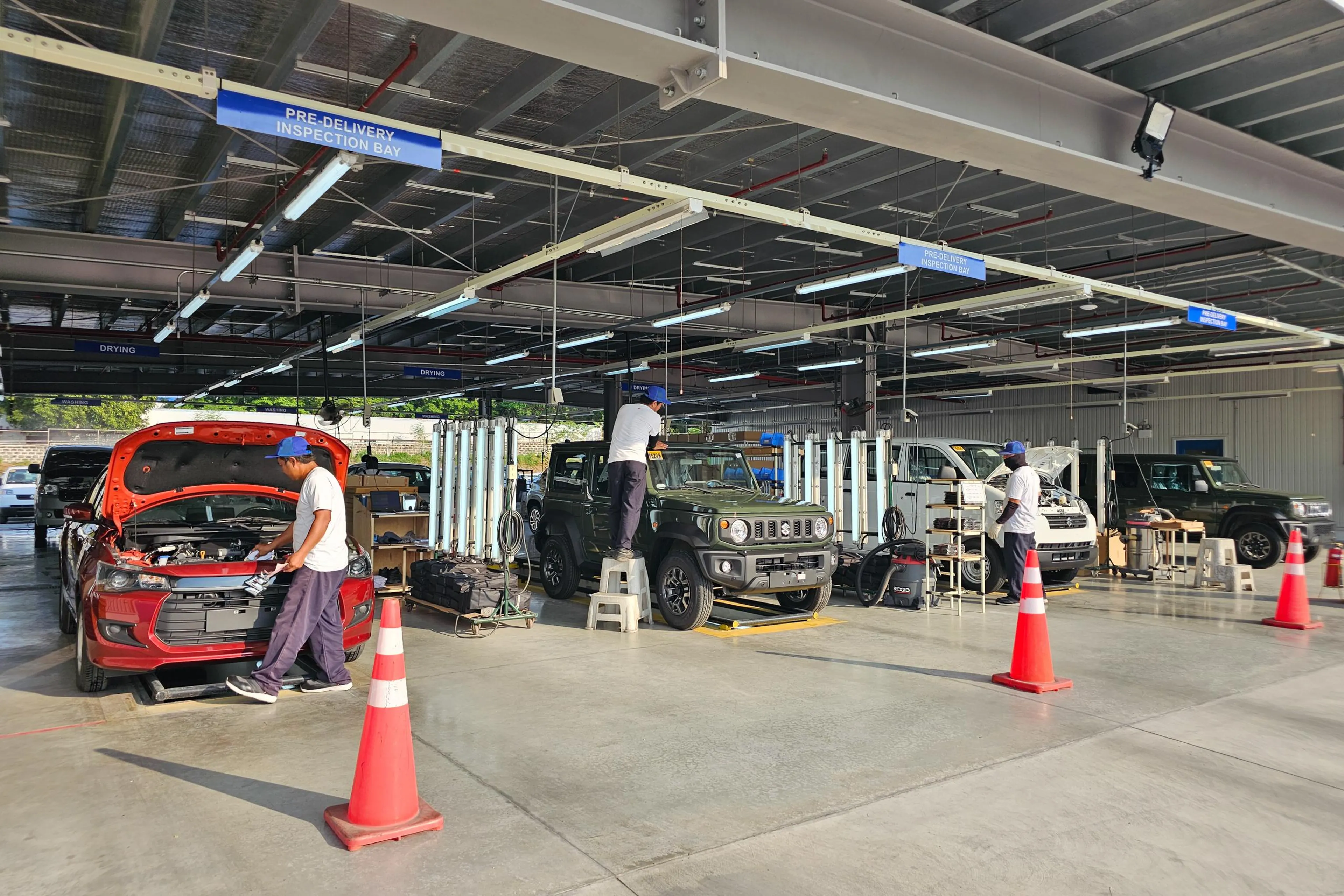
Suzuki Philippines expands Laguna pre-delivery inspection facility
The upgrade lets SPH meet demand while upholding global quality standards
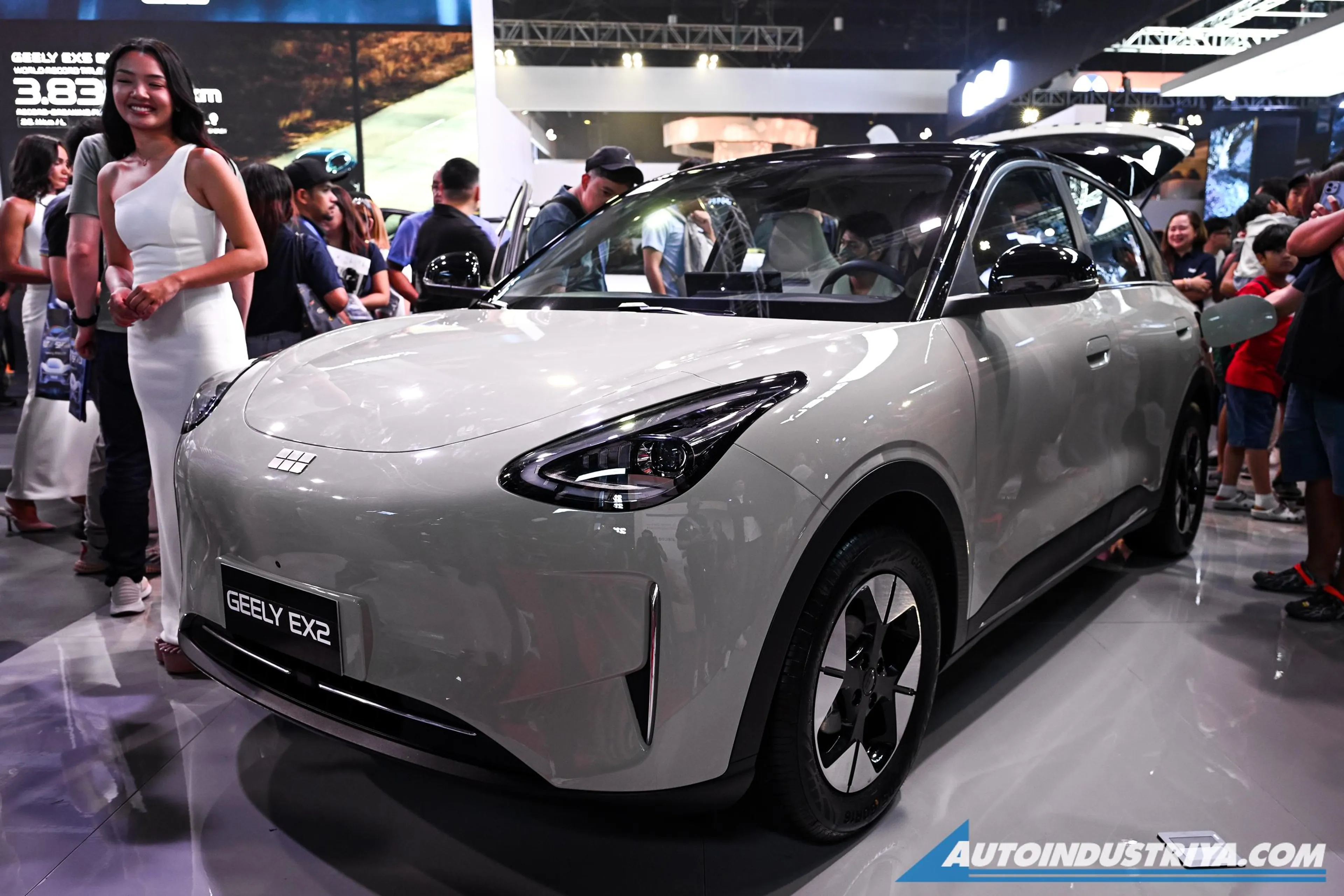
MIAS 2026: Geely PH previews EX2 EV to rival BYD Dolphin
Geely previews the EX2 at 2026 Manila International Auto Show; could start at PHP 950K
MIAS 2026: Jaecoo J5 HEV is priced to compete; starts at PHP 999K
OJPH wants to stir the B-SUV market with the J5 HEV