
Finally, Mercedes-AMG launches 2023 One hypercar
F1-powered One hypercar has 1063 PS and reaches 352 km/h

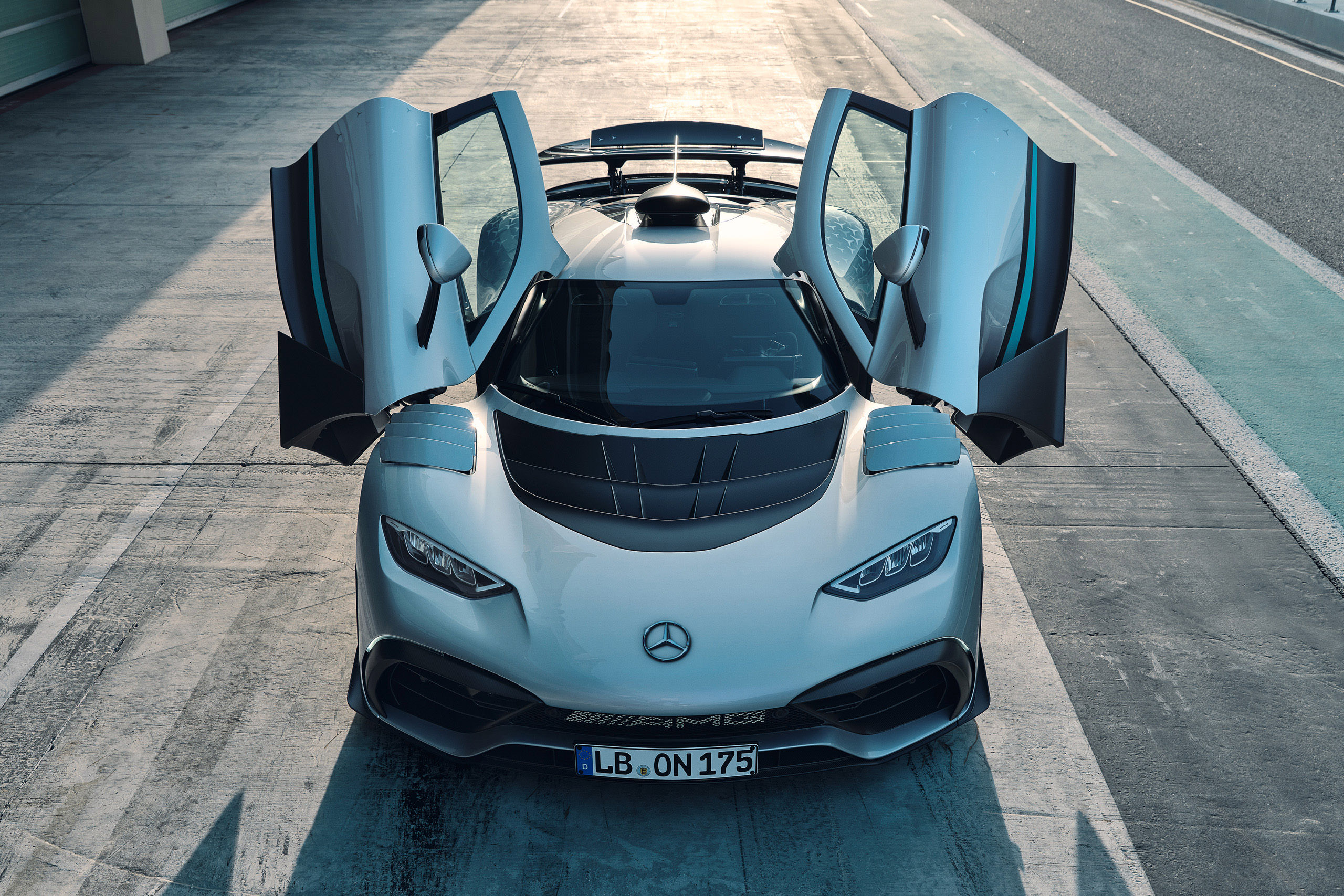
Well, it's been a long time coming for Mercedes-AMG but they finally came up with the final production version of the One hypercar.
How long? Well, back when it was conceived, the iPhone 8 just came out, the late Kobe Bryant has just retired from the NBA, and Lewis Hamilton cared more about collecting championships than jewelry. It's that long.
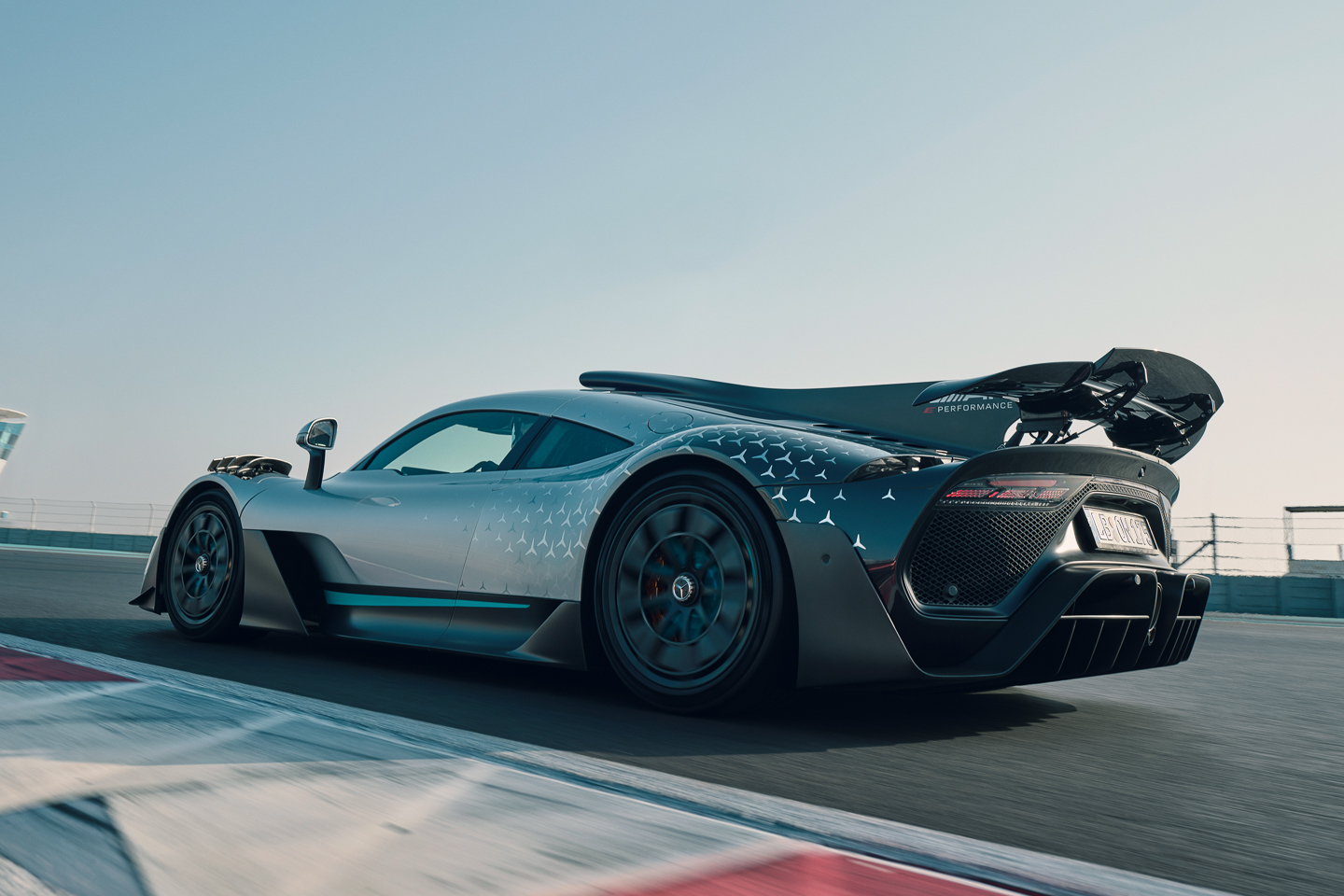
But now we finally have the finished product – a two-seater, road-legal Mercedes-AMG Formula One car.
As far as looks are concerned, it's no different from the car Mercedes-AMG revealed back in the 2017 Frankfurt Motor Show, except that it grew an active rear wing. Even the interior was largely unchanged. So what took Mercedes-AMG so long to produce the final production version?
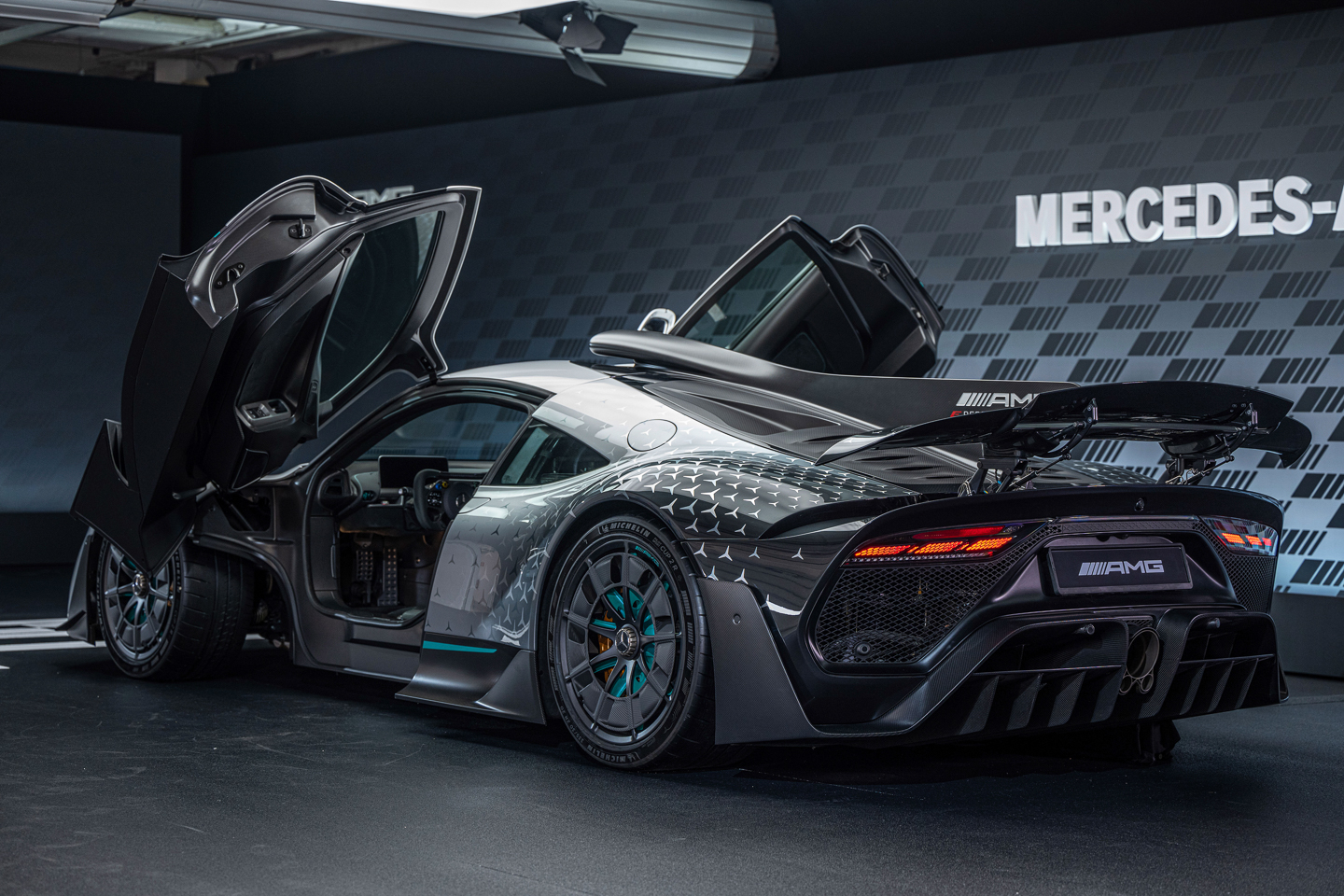
Without a doubt, the long-awaited hypercar's defining part was its engine. From the get-go, we've known that it was going to have the 1.6-liter V6 turbo from Mercedes-AMG's F1 car, complete with its energy recovery systems like the MGU-K and MGU-H. This was where the guys at Mercedes-AMG had all their troubles. The complex unit sure had a lot of teething issues before becoming suitable for use on the road, and that includes lowering the idle rpm from 5,000 to 1,600, and its rev limit to 11,000 rpm.
It's been capped, of course, to preserve the engine to last at least 50,000 kilometers before needing a rebuild. And unlike the F1 car, the One hypercar gets more electric motors. Not two, not three, but four of them. One on the engine, one on the turbo, and two up front, effectively making the hypercar all-wheel-drive, and a max power output of 1,063 PS.
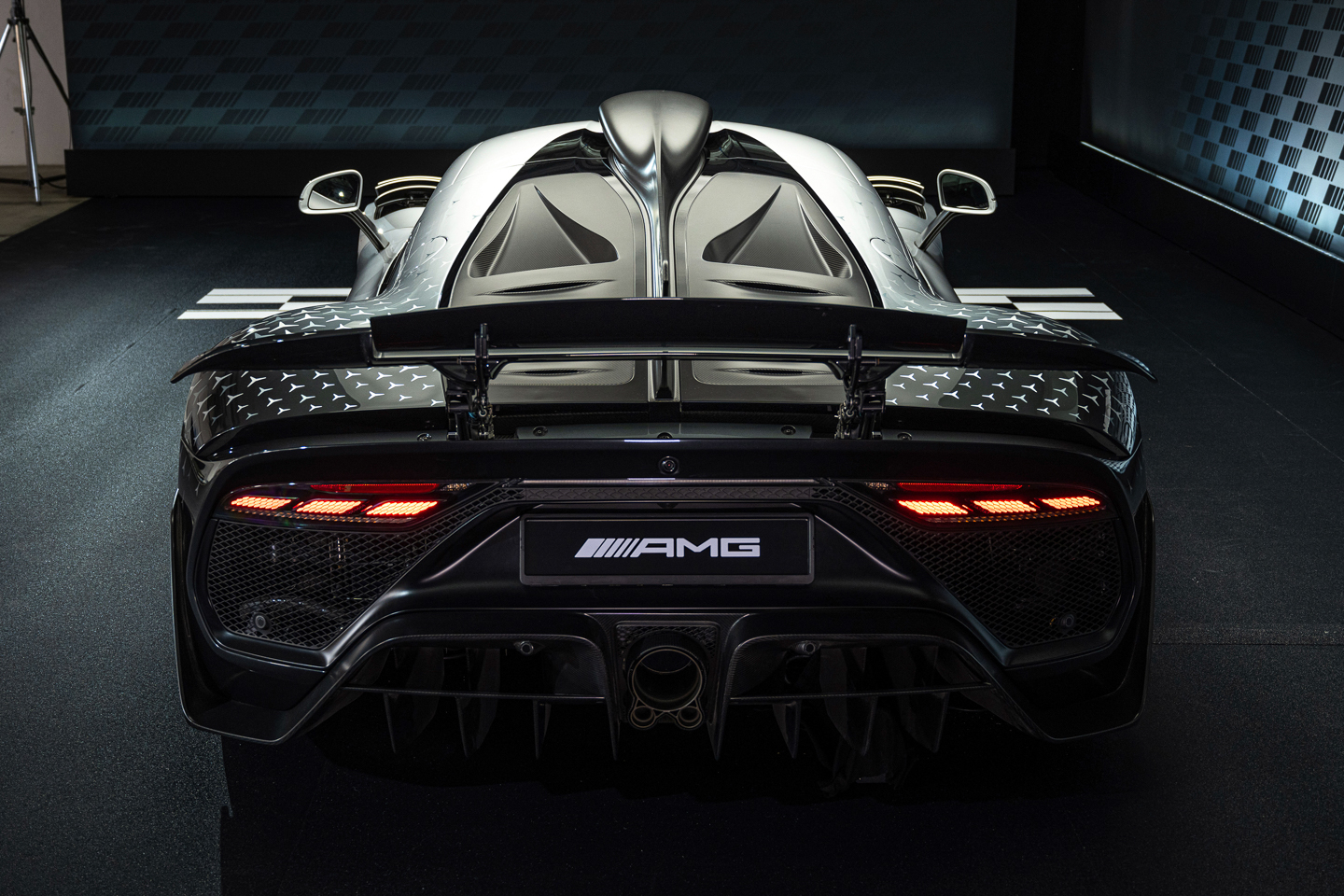
According to Mercedes-AMG, the One hypercar can accelerate from a standstill and reach 100 km/h in 2.9 seconds, 200 km/h in 7 seconds flat, 300 km/h in 12.9 seconds, and reach its “limited” top speed of 352 km/h.
All well and good from the performance standpoint, then. But what about its hybrid side? Disappointingly, the One hypercar is capable of an all-electric range of just 17 kilometers. It's no better than a Porsche 918 Spyder that could do 19 kilometers, and that came out way back in 2013, back in the era of the “Holy Trinity of Hypercars”.
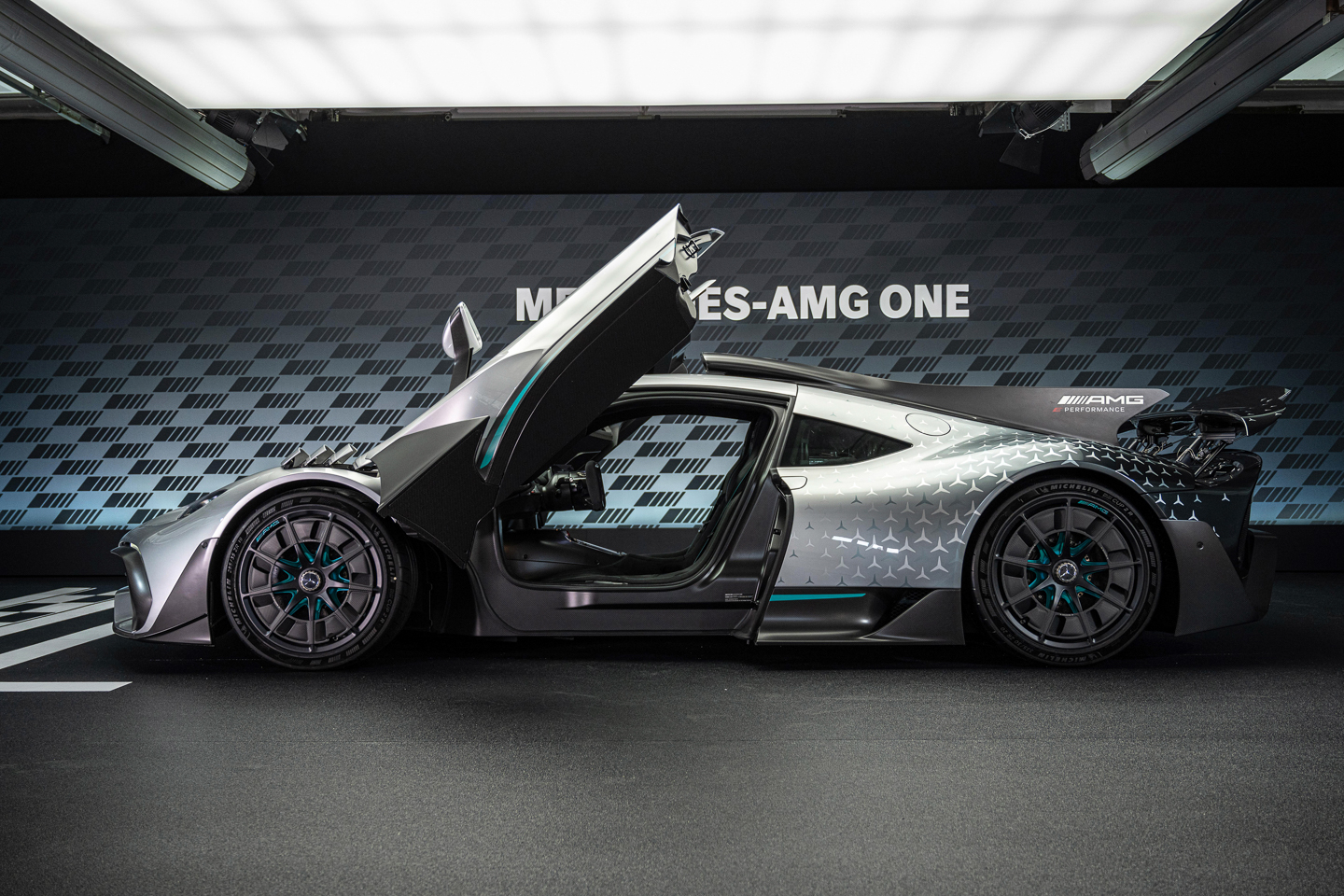
In addition, the One hypercar weighs 1,695 kg, which puts it at a huge weight disadvantage to its modern-day rivals, the Gordon Murray T50 and the Aston Martin Valkyrie. Not to mention, the Rimacs are already here, offering more power, and they're fully electric. So where does it stand nowadays?
It would have had a nice four-way battle between the LaFerrari, the McLaren P1, and the Porsche 918 Spyder, but even back in 2017 when the One was conceived, that ship has already sailed. Don't get us wrong, Mercedes-AMG still achieved an amazing feat to adopt a complex F1 engine for road use. But the question remains: Is the Mercedes-AMG One hypercar a case of too little, too late? Let us know in the comments.
Related Posts
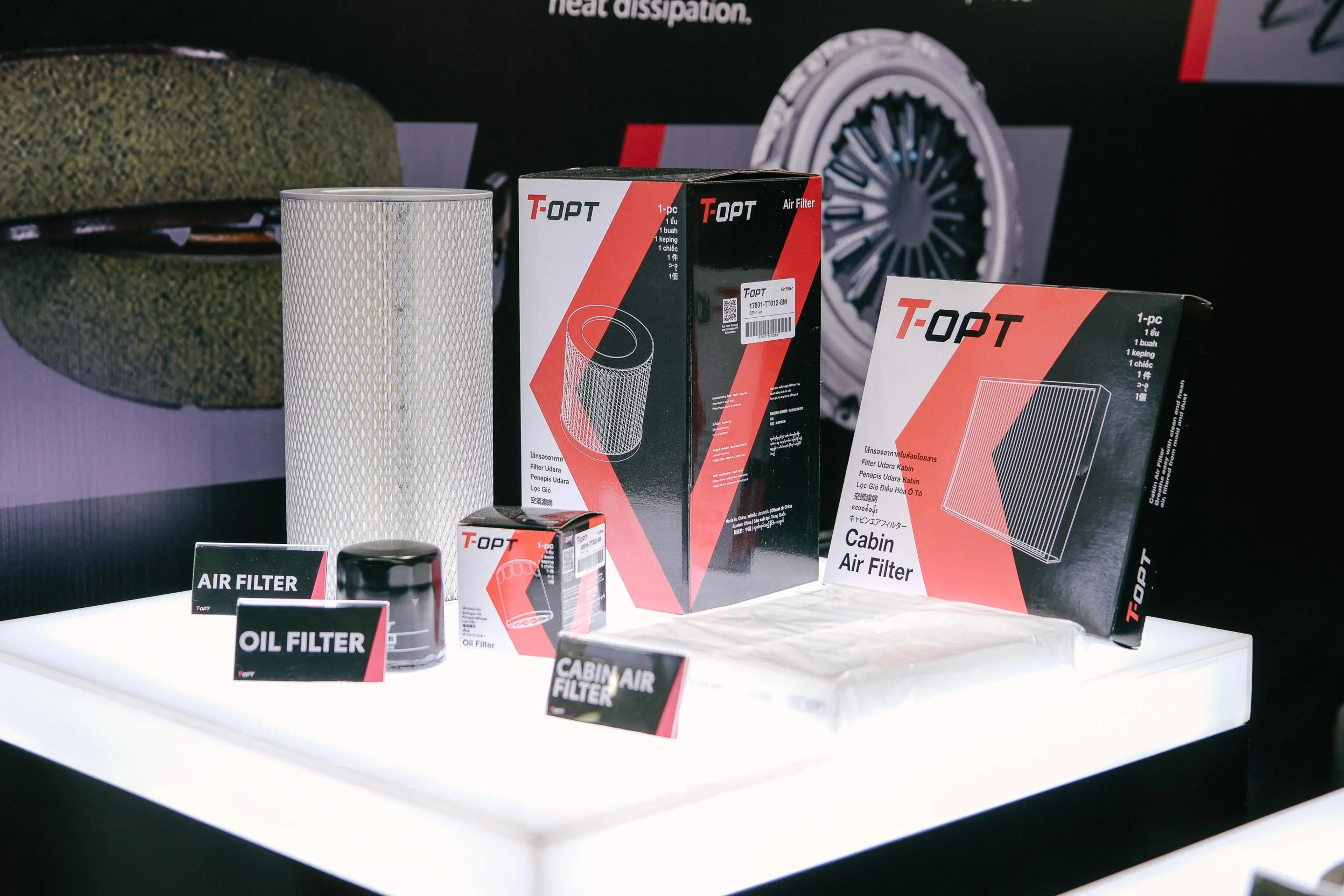
Toyota PH launches T-OPT aftermarket brand at MIAS 2026
Toyota Motor Philippines officially introduces T-OPT, which is their latest premium regional aftermarket parts brand
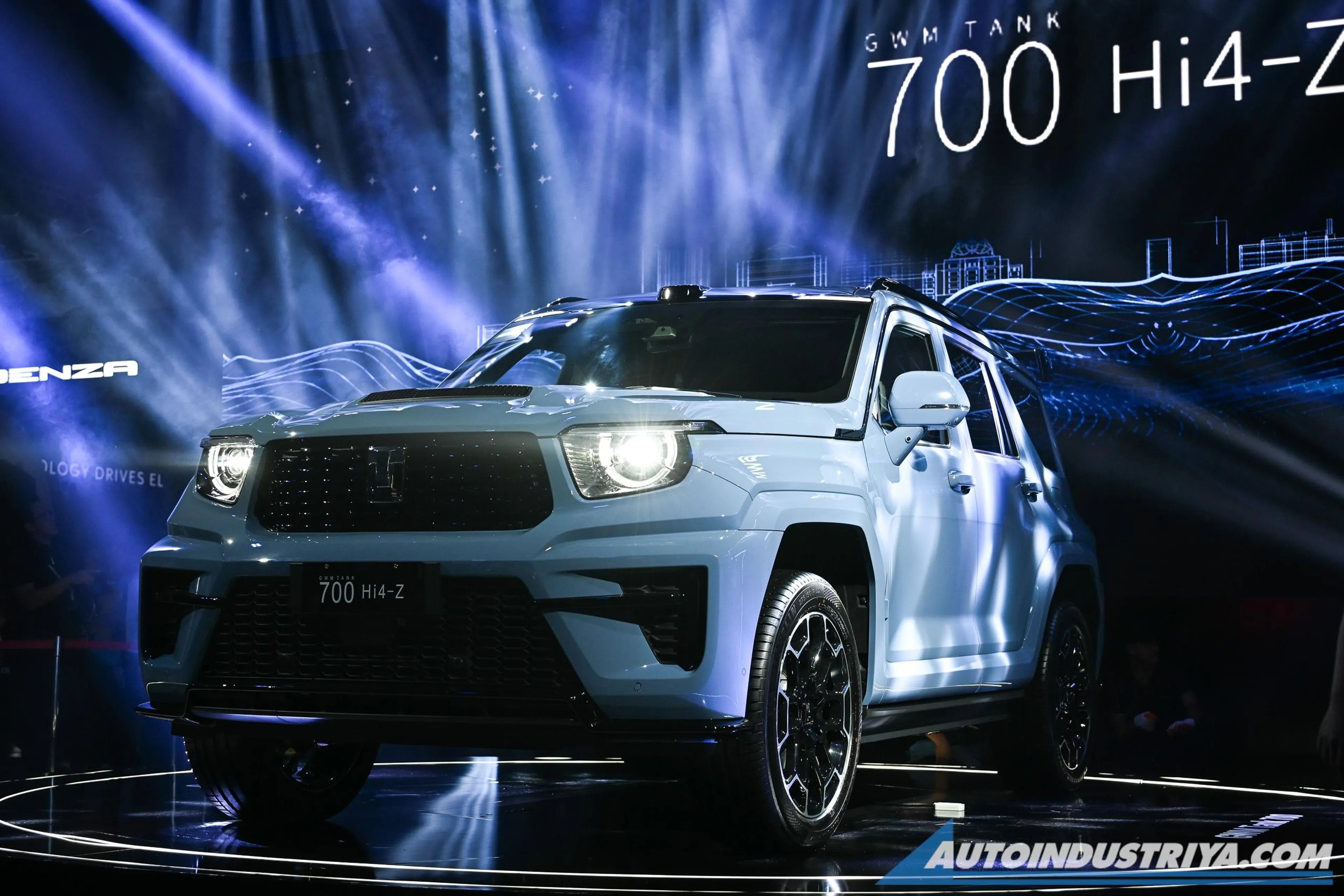
MIAS 2026: GWM Tank 700 PHEV makes first overseas market debut in PH
The GWM Tank Hi4-Z PHEV arrives in PH just weeks after it debuted in the PRC
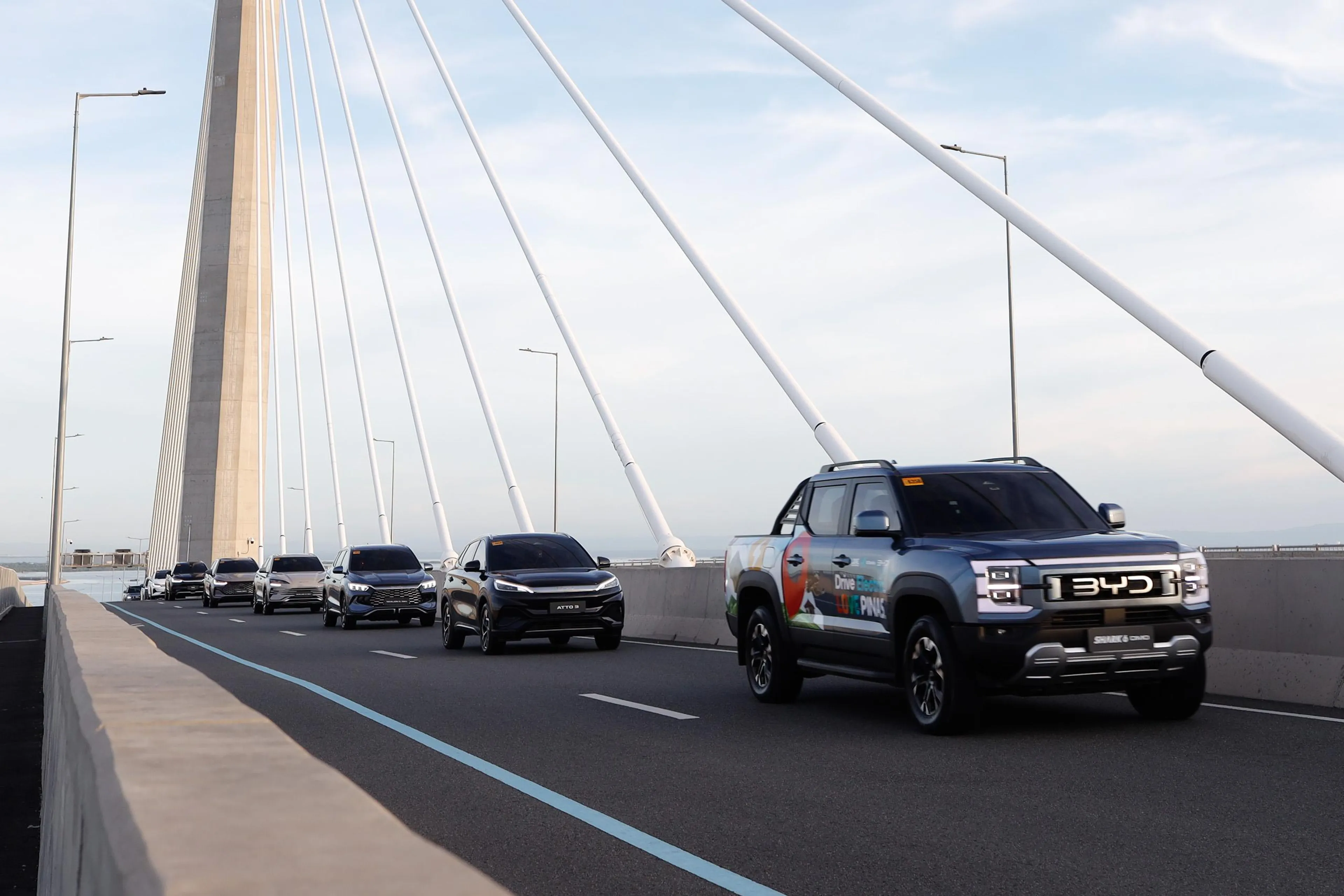
BYD “Drive Electric, Love Pinas” campaign sets two Guinness World Records
BYD and Department of Tourism’s “Drive Electric, Love Pinas” campaign makes it to Guinness World Records

Suzuki Philippines expands Laguna pre-delivery inspection facility
The upgrade lets SPH meet demand while upholding global quality standards
MIAS 2026: Geely PH previews EX2 EV to rival BYD Dolphin
Geely previews the EX2 at 2026 Manila International Auto Show; could start at PHP 950K
MIAS 2026: Jaecoo J5 HEV is priced to compete; starts at PHP 999K
OJPH wants to stir the B-SUV market with the J5 HEV