
DOTr imposes mandatory drug, DUI testing for PUV Drivers but...
We're in the Philippines, everything can be "fixed"

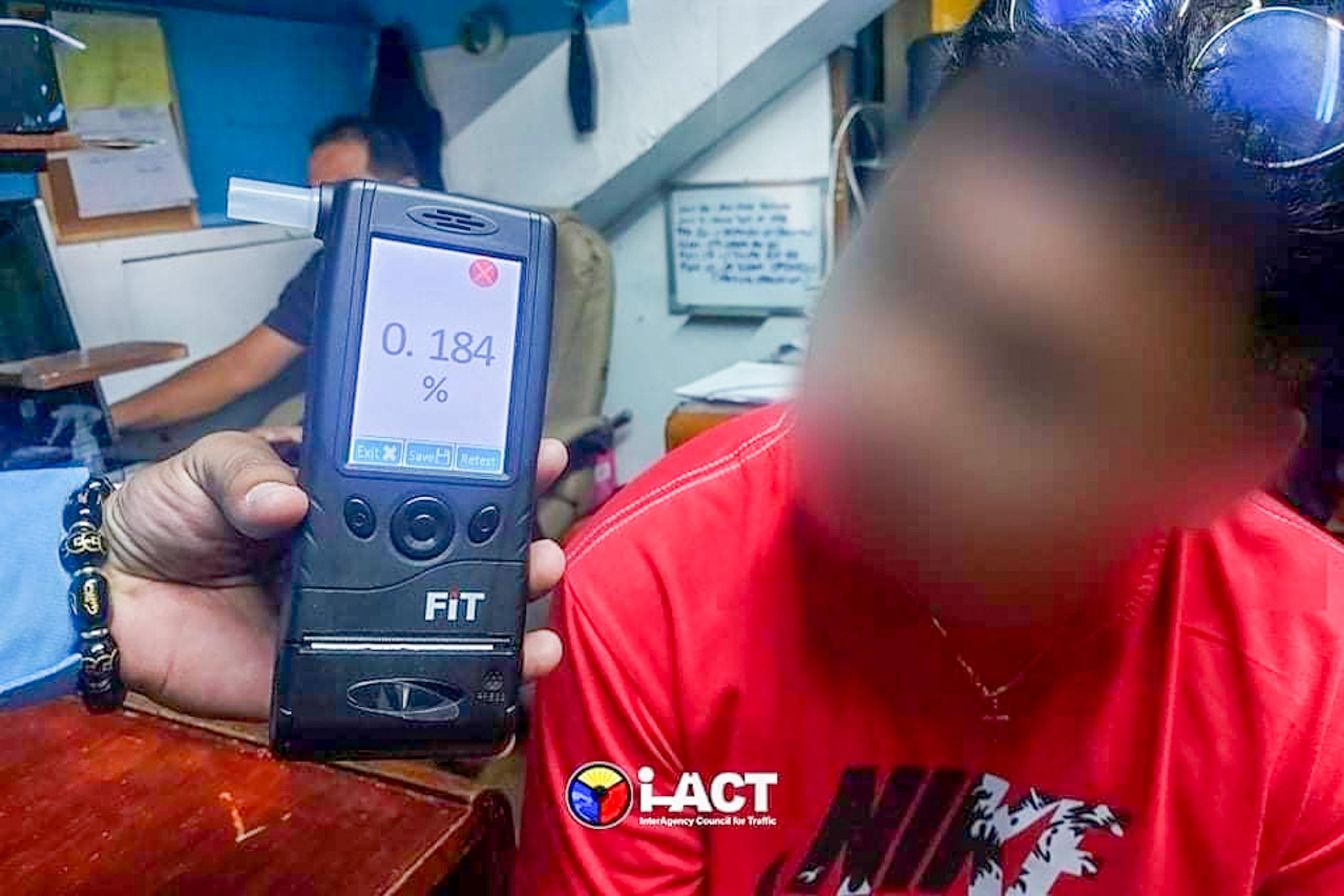
Following the recent tragic accidents in SCTEX and NAIA Terminal 1, Transportation Secretary Vince Dizon has issued Department Order (DO) No. 2025-008, which now requires mandatory drug testing and DUI testing for all Public Utility Vehicle (PUV) drivers, and that includes motorcycle taxi (MC taxi) riders.
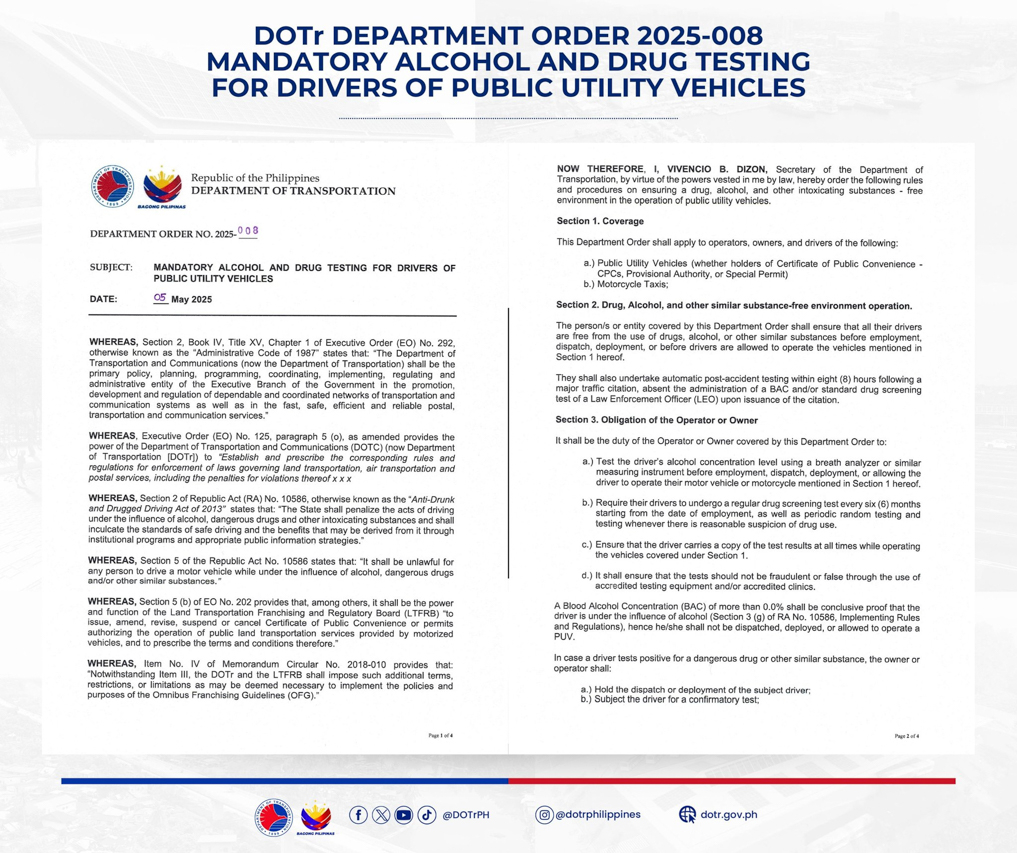
Loopholes may be present
Interestingly, the blood alcohol concentration testing a.k.a. DUI (driving under the influence) testing, which is commonly done with a breath analyzer, will be administered by PUV operators or owners before employment. What’s more interesting is that the new DO also requires DUI testing each time a PUV driver is dispatched for duty.
Under Section 3 (a) of the new DO, it reads:
“Test the driver’s alcohol concentration level using a breath analyzer or similar measuring instrument before employment, dispatch, deployment, or allowing the driver to operate their motor vehicle mentioned in Section 1 hereof.”
While the intention is commendable, it raises crucial questions: who will ensure the integrity of the DUI testing conducted between PUV operators and their drivers, especially when drivers are required to carry with them the test results at all times? Furthermore, what mechanism will guarantee that the breathalyzers used for alcohol testing are properly calibrated and free from tampering?
Prior to the passage of RA 10586, or the Anti-Drunk and Drugged Driving Act of 2013, mandatory drug testing was already in place for driver’s license applications and renewals. Unfortunately, the implementation was severely compromised by corruption and the involvement of fixers, and rendered the requirement ineffective in achieving its goal of preventing illegal drug-impaired driving, becoming instead a bureaucratic hurdle easily overcome for a fee, with no real impact on road safety.
Given the failures of past mandatory drug testing, the critical question now is: What specific mechanisms will be implemented to guarantee the effectiveness of this new drug testing regime and truly rid our streets of impaired drivers?
With PUV operators and owners solely responsible for the expenses of both alcohol and drug testing, the economic impact presents a challenge. The reality is that a driver off the road equates to lost income, and this lost income could pressure operators or owners to prioritize keeping their drivers working by compromising test results, with the help of fixers, of course.
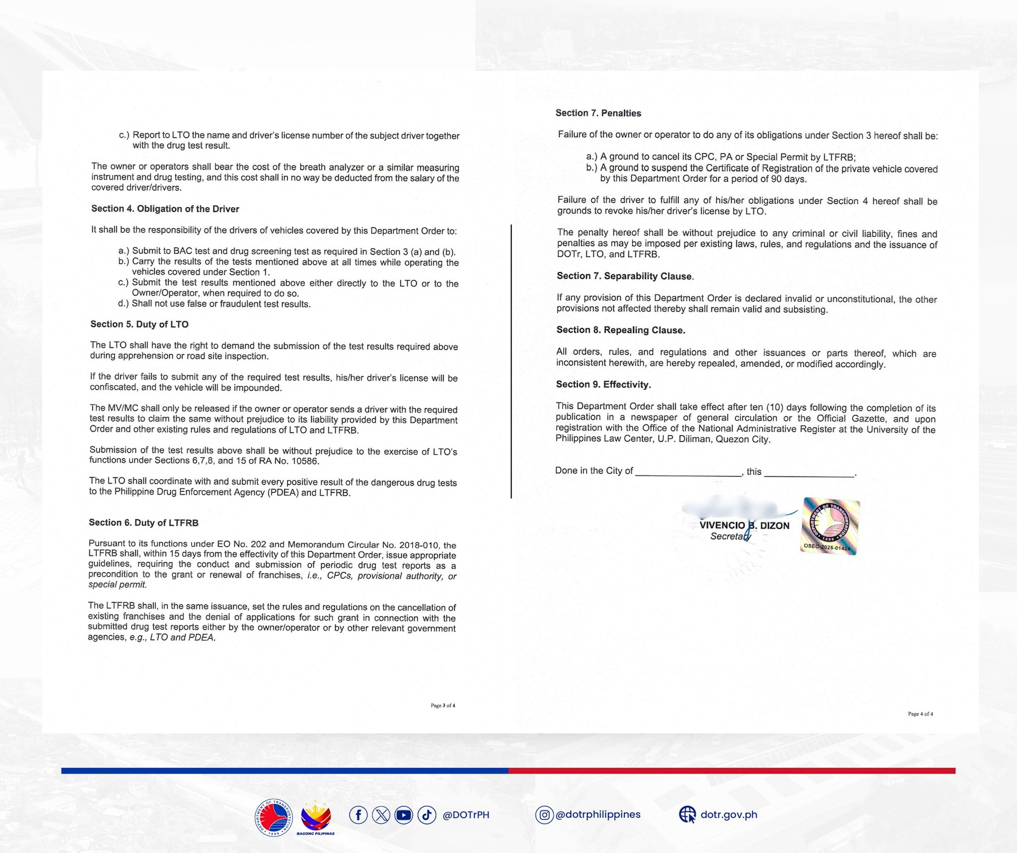
DO 2025-008 has also stated that PUV drivers who do not provide the necessary alcohol and drug test results upon demand by the LTO or LTFRB will be subject to driver’s license confiscation or revocation, as well as the impounding of their vehicle. The PUV operator or owner, on the other hand, may face suspension or cancellation of their permits.
DOTr’s new DO 2025-008 definitely has good intentions, no question about that. It’s the history of creative workarounds (insert: fixers) in the Philippines that suggests many PUV drivers and operators could find ways to circumvent these new requirements, making them mere formalities and another money-making scheme rather than keeping our roads safe.
Related Posts
Toyota PH launches T-OPT aftermarket brand at MIAS 2026
Toyota Motor Philippines officially introduces T-OPT, which is their latest premium regional aftermarket parts brand
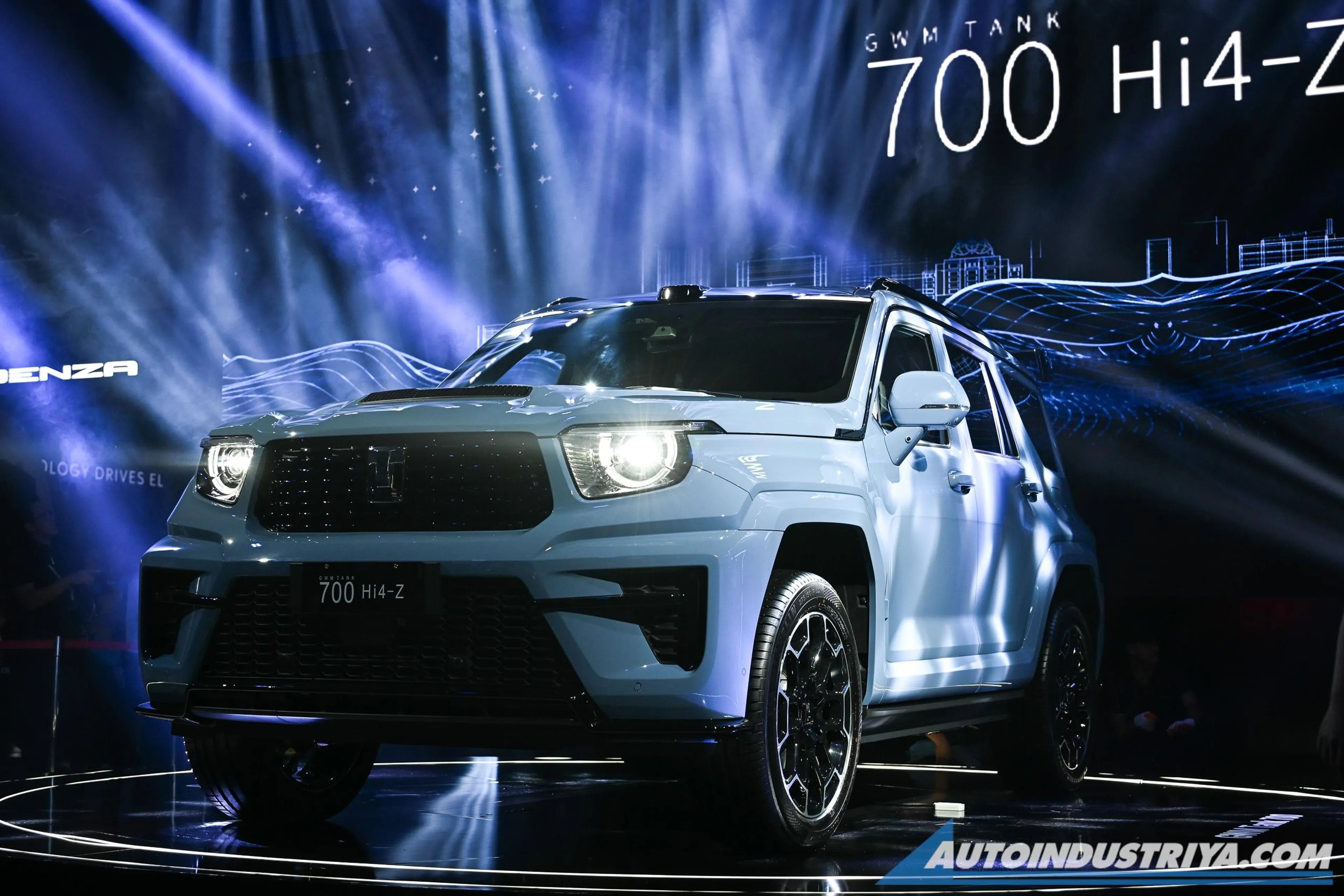
MIAS 2026: GWM Tank 700 PHEV makes first overseas market debut in PH
The GWM Tank Hi4-Z PHEV arrives in PH just weeks after it debuted in the PRC
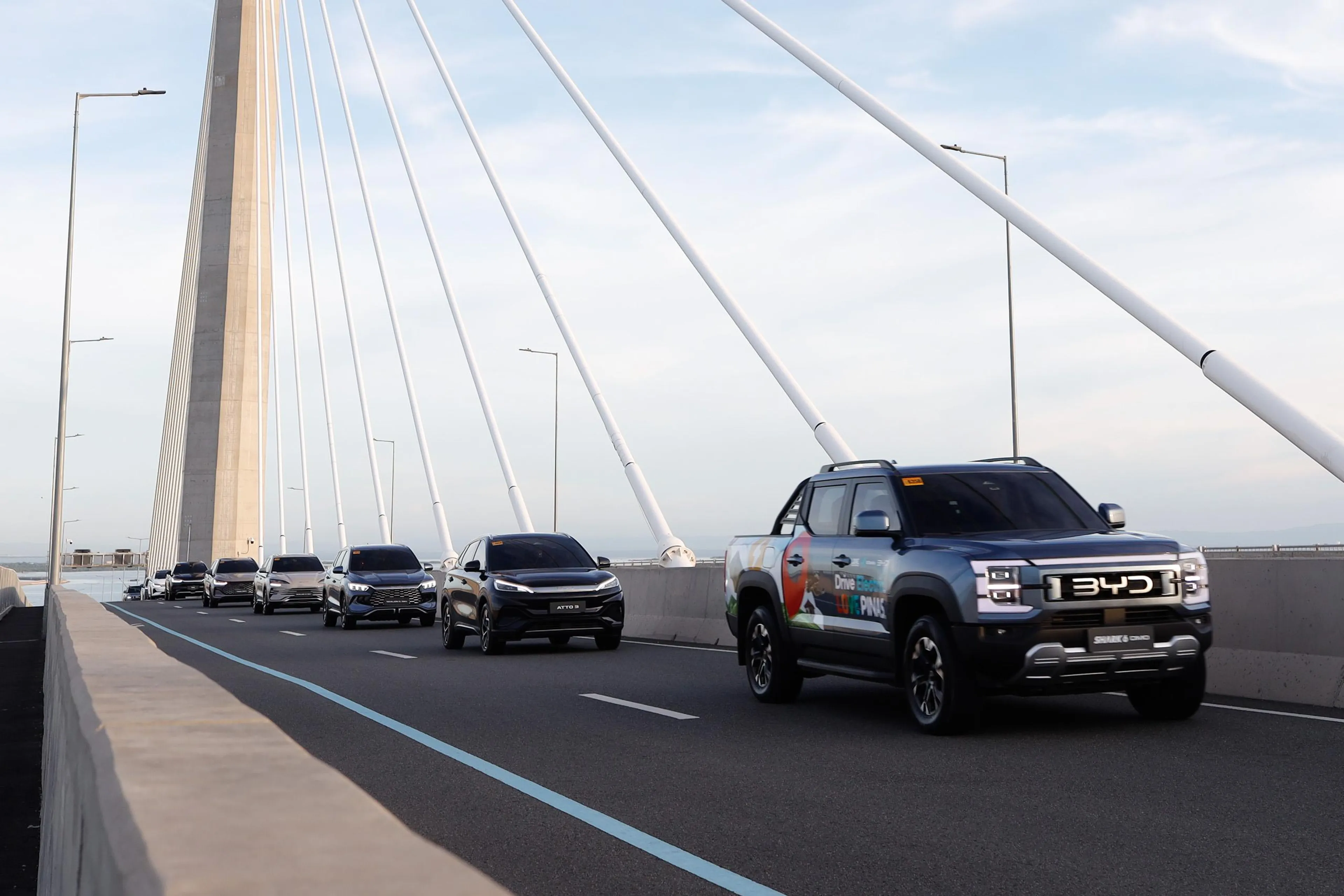
BYD “Drive Electric, Love Pinas” campaign sets two Guinness World Records
BYD and Department of Tourism’s “Drive Electric, Love Pinas” campaign makes it to Guinness World Records
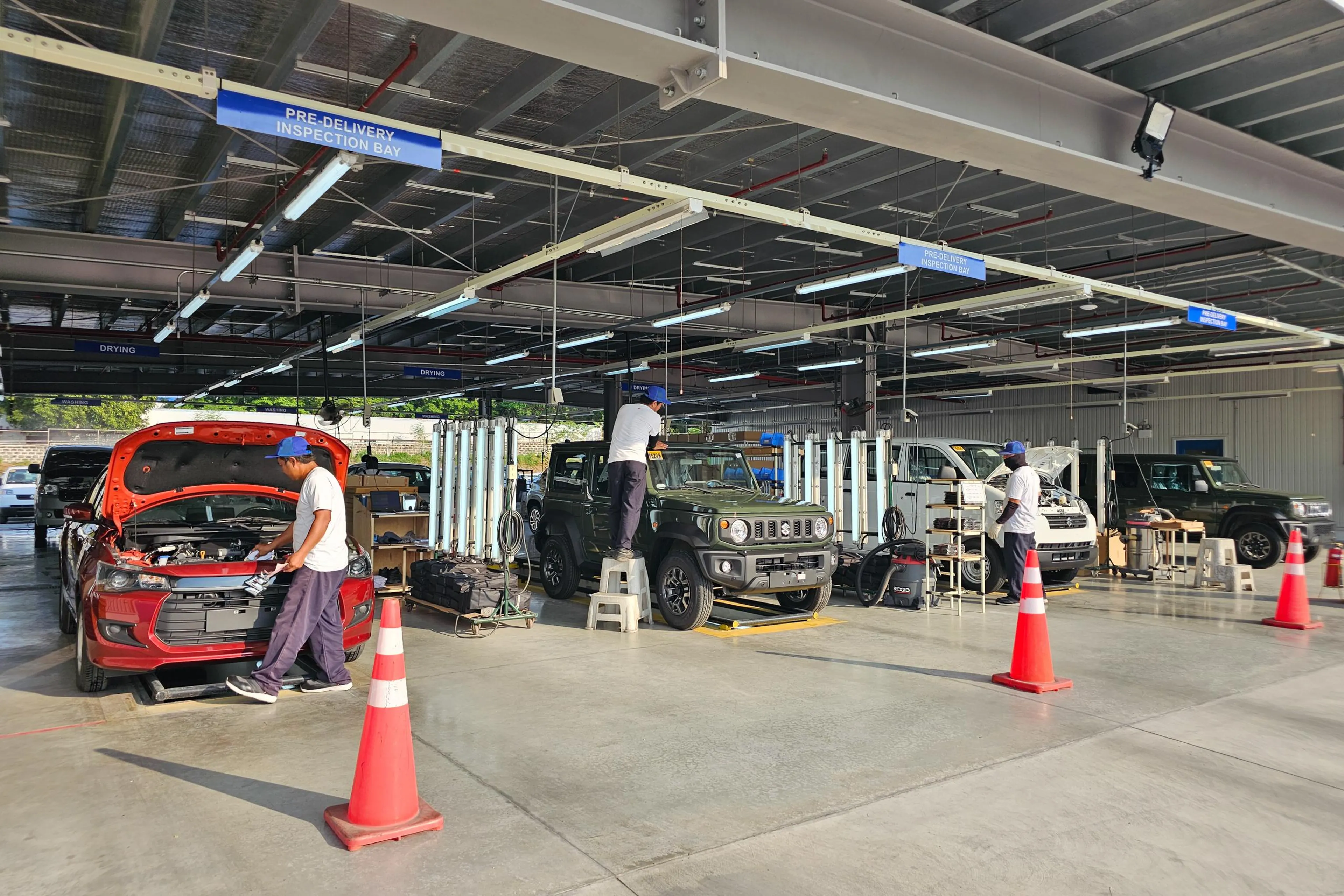
Suzuki Philippines expands Laguna pre-delivery inspection facility
The upgrade lets SPH meet demand while upholding global quality standards
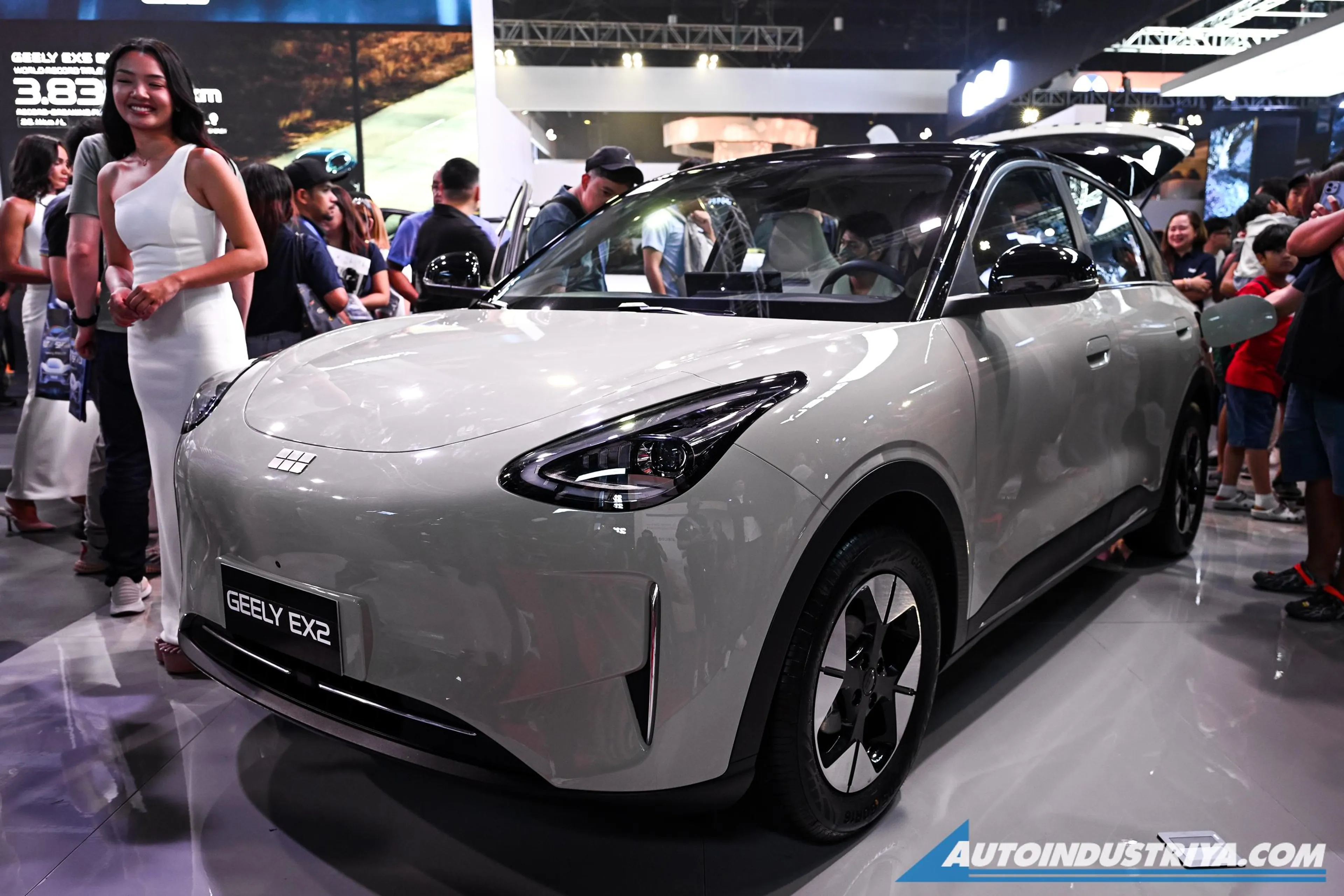
MIAS 2026: Geely PH previews EX2 EV to rival BYD Dolphin
Geely previews the EX2 at 2026 Manila International Auto Show; could start at PHP 950K
MIAS 2026: Jaecoo J5 HEV is priced to compete; starts at PHP 999K
OJPH wants to stir the B-SUV market with the J5 HEV