
BYD Atto 3: Euro NCAP found issues with the advanced driving aids
Advanced safety features in BYD Atto 3 found to perform unusually by EuroNCAP

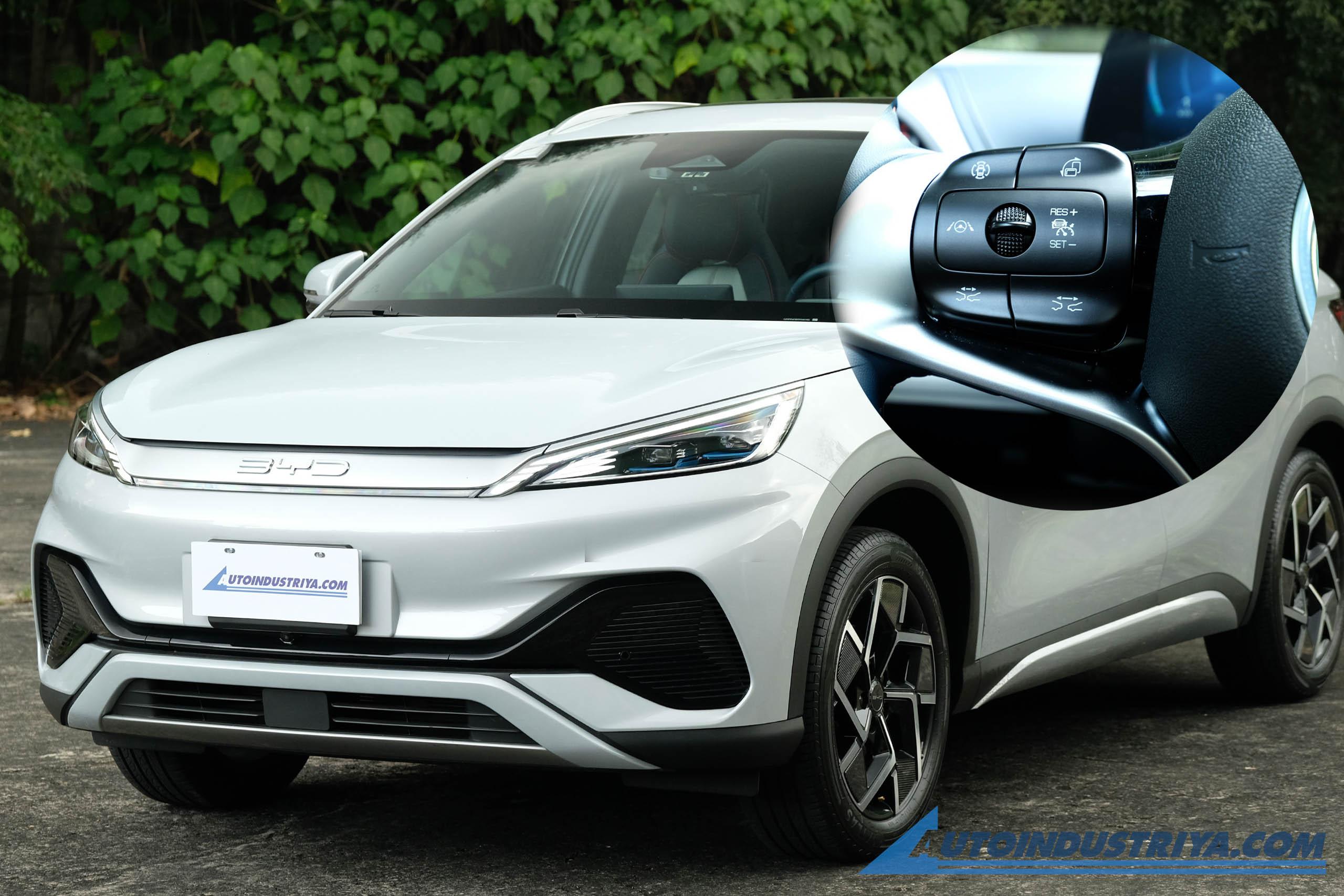
We have felt that advanced safety and autonomous-related features like adaptive cruise control, lane tracing, traffic sign recognition, and the like are novel, but chances are in the Philippines such features aren’t really essential. Often we think of such features as just neat gimmicks; useful when showing off, but generally only limited to certain toll expressways.
While we are happy to just leave it off 99% of the time, there are those that could really put such features to use like those who traverse those SCTEX, TPLEX, and Skyway 3 where the speed truly is limited to 60 km/h. That’s why safety test centers all over the world like EuroNCAP check out how these features perform.
Recently, EuroNCAP released the results of a test on these assisted driving features they had performed on a vehicle that we thought should pass with flying colors. But it didn’t. In fact, EuroNCAP gave the assisted features on the vehicle a Not Recommended rating.
The vehicle is the BYD Atto 3. Below is the report summary:
The BYD ATTO 3 provides modest levels of driver engagement and vehicle assistance. However, it is in the area of safety backup and, specifically, the lack of action which is taken in case of an unresponsive driver, that the car performs poorly. Overall, the system is Not Recommended for highway assistance.
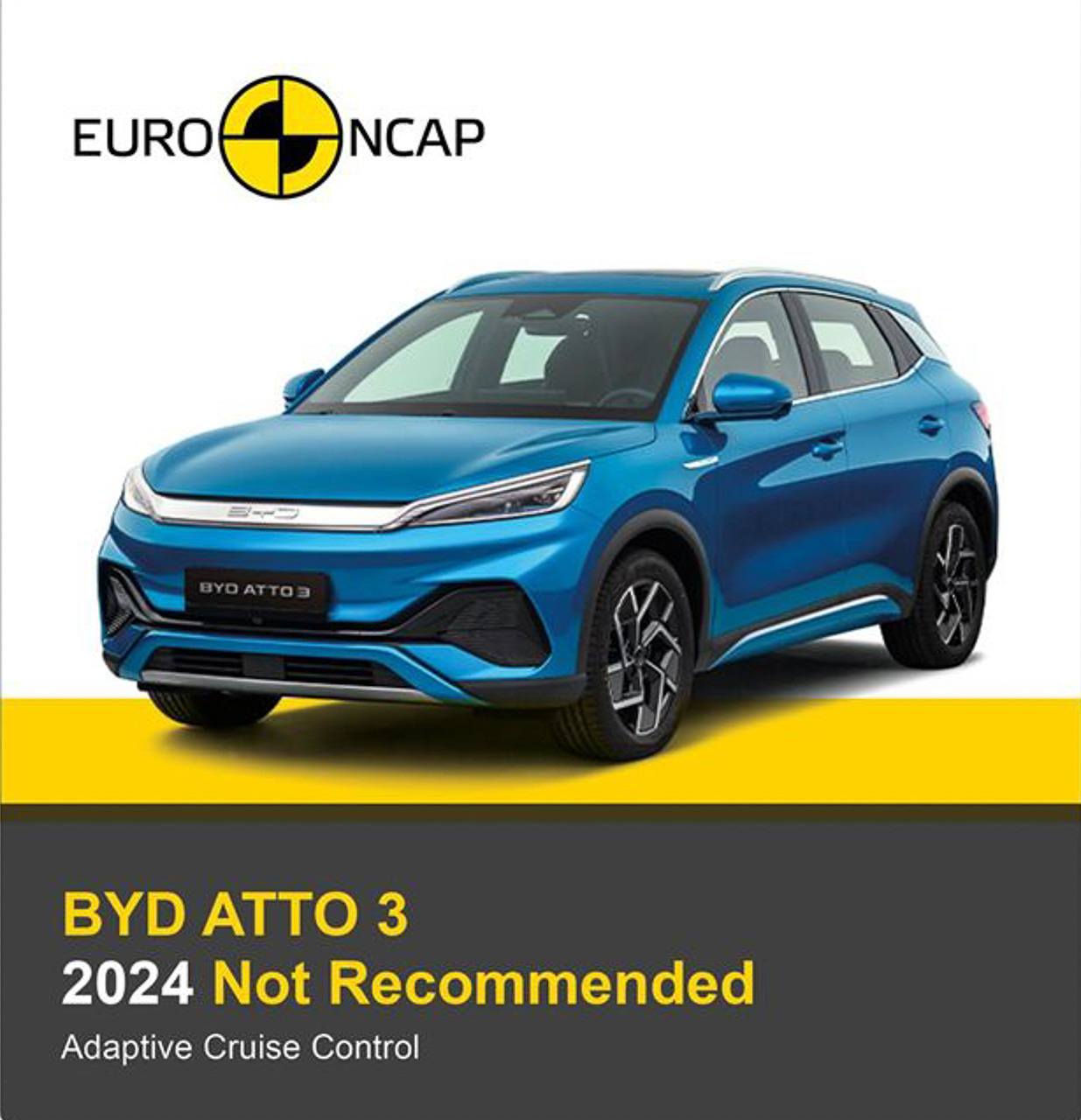
That doesn't mean that the Atto 3 is unsafe in the typical rating we know them for: crash testing. What they're saying is that these advanced safety features earn it a not recommended rating for the assisted driving function.
What EuroNCAP found is that when using features such as adaptive cruise, the speed limit detection system doesn’t react as expected to some temporary speed limits and conditional speed limits as may be found on some roads in Europe. They also spotted that the speed doesn’t adjust for curves and junctions, and the lane tracing/keep feature only works to keep the vehicle centered at the lowest speeds. They also found that the lane centering will disengage, but the adaptive cruise still functions which would be unusual.
What it effectively means is it’s still difficult to put your faith in the assisted driving feature set, and we imagine BYD’s engineers are now working out exactly what went wrong and how to enhance such features that make up the “DiPilot” system to get it to work properly and safely in the conditions found by EuroNCAP. As you can imagine, an advanced safety not working properly will be cause for concern if it happens in conjunction with other factors on the road.
More importantly, such features are also standard in other BYD models with the same or very similar software, sensors, control systems, and the like. We won’t be surprised if BYD publishes its own findings and perhaps an update for the systems.
Related Posts
Toyota PH launches T-OPT aftermarket brand at MIAS 2026
Toyota Motor Philippines officially introduces T-OPT, which is their latest premium regional aftermarket parts brand
MIAS 2026: GWM Tank 700 PHEV makes first overseas market debut in PH
The GWM Tank Hi4-Z PHEV arrives in PH just weeks after it debuted in the PRC
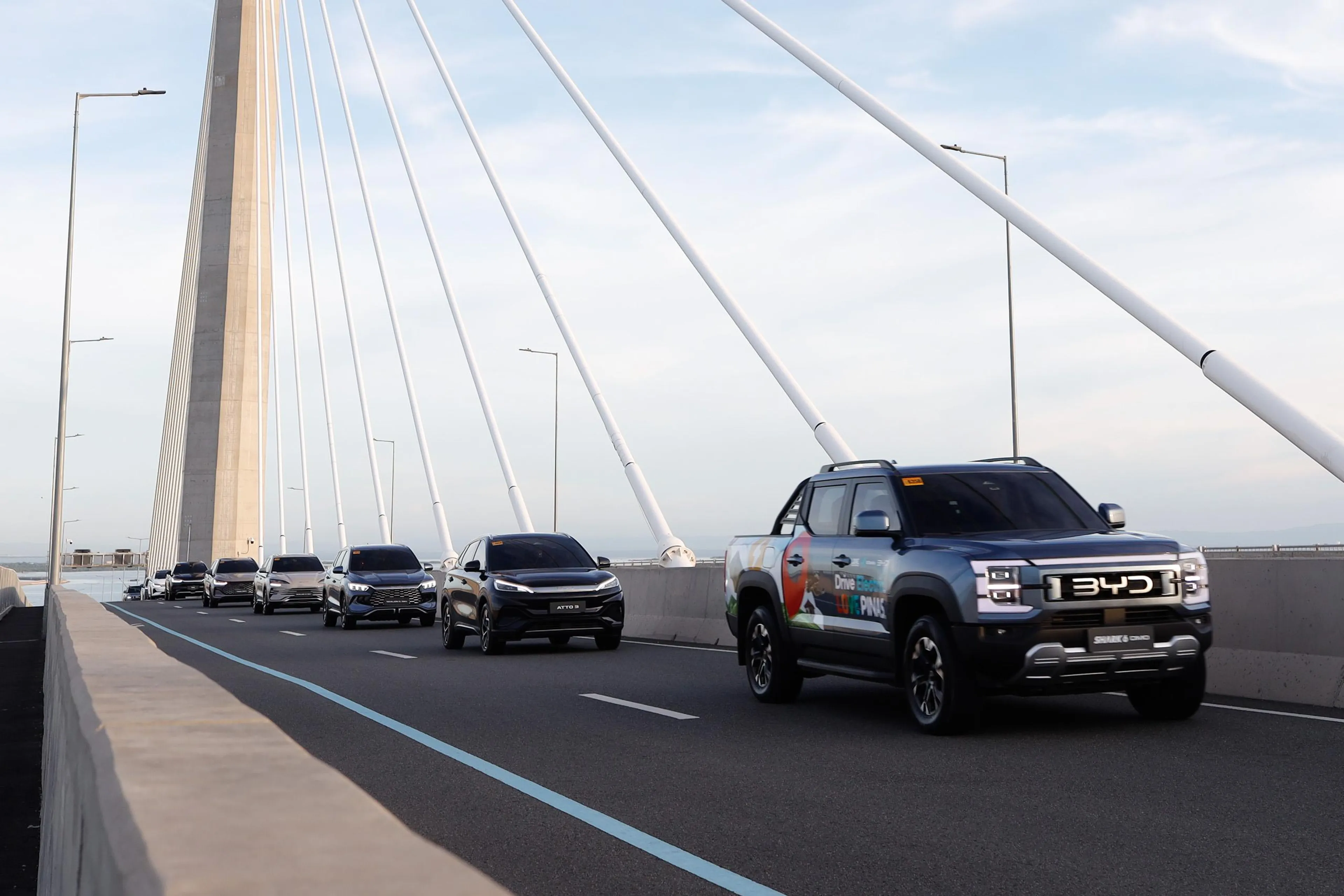
BYD “Drive Electric, Love Pinas” campaign sets two Guinness World Records
BYD and Department of Tourism’s “Drive Electric, Love Pinas” campaign makes it to Guinness World Records
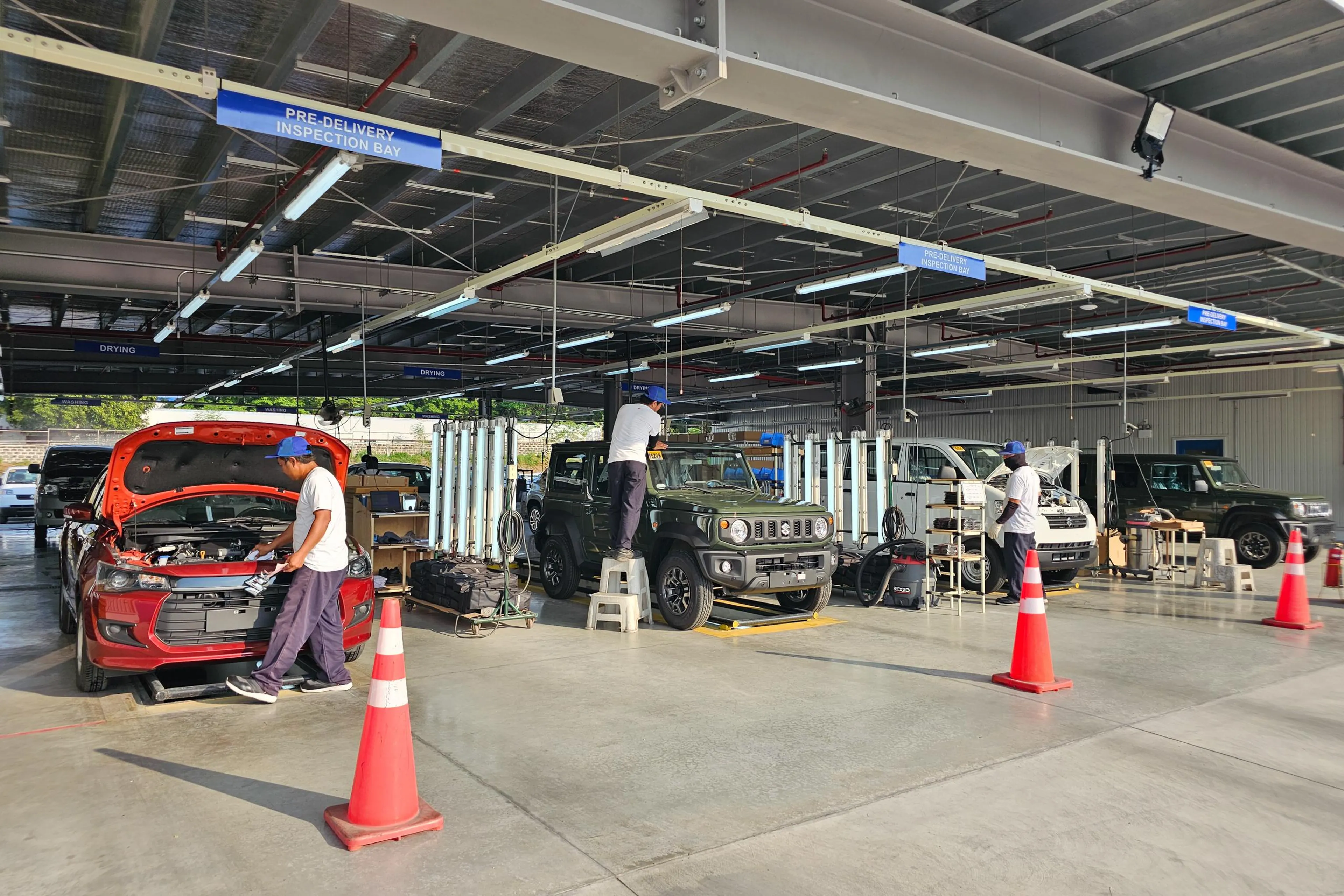
Suzuki Philippines expands Laguna pre-delivery inspection facility
The upgrade lets SPH meet demand while upholding global quality standards
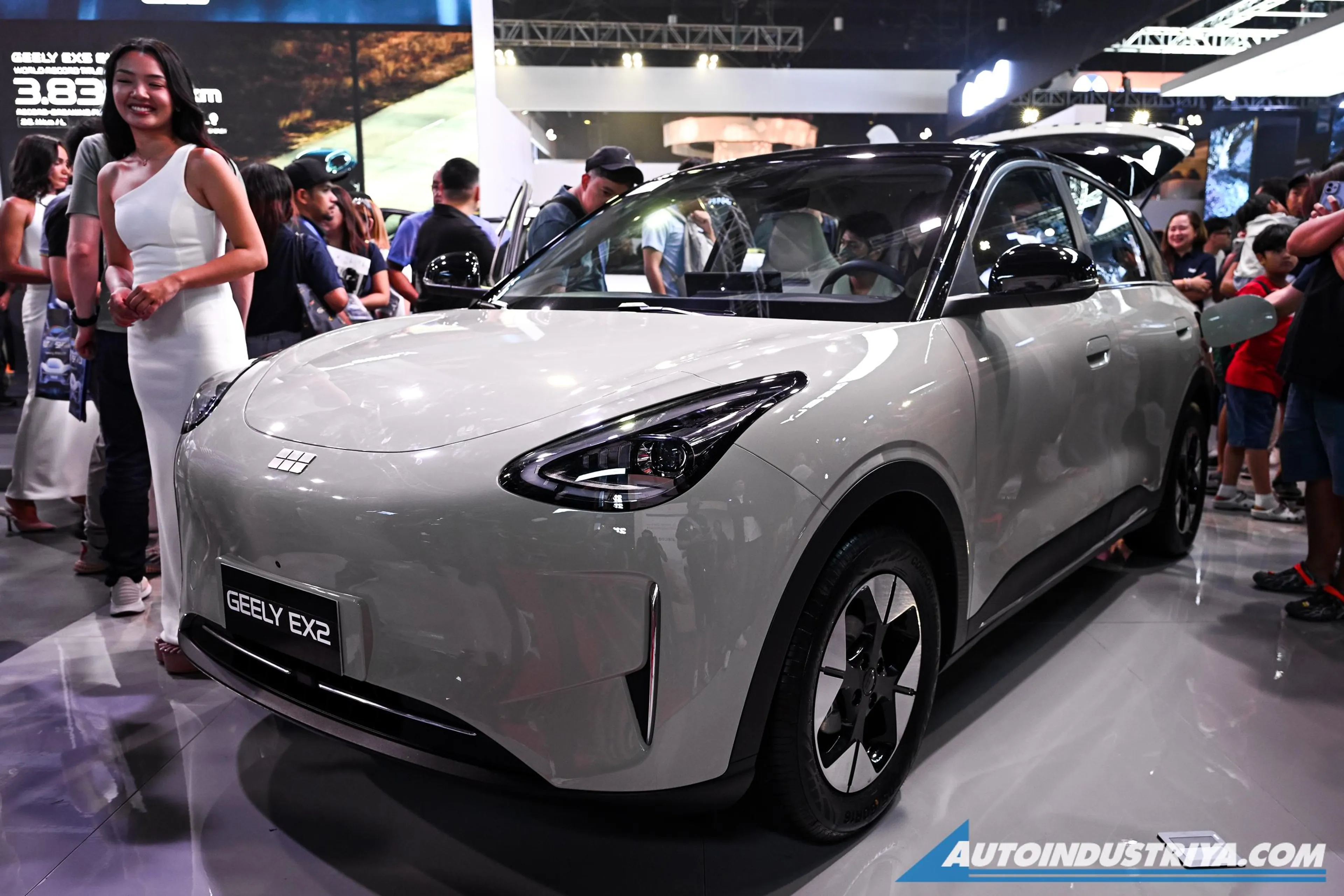
MIAS 2026: Geely PH previews EX2 EV to rival BYD Dolphin
Geely previews the EX2 at 2026 Manila International Auto Show; could start at PHP 950K
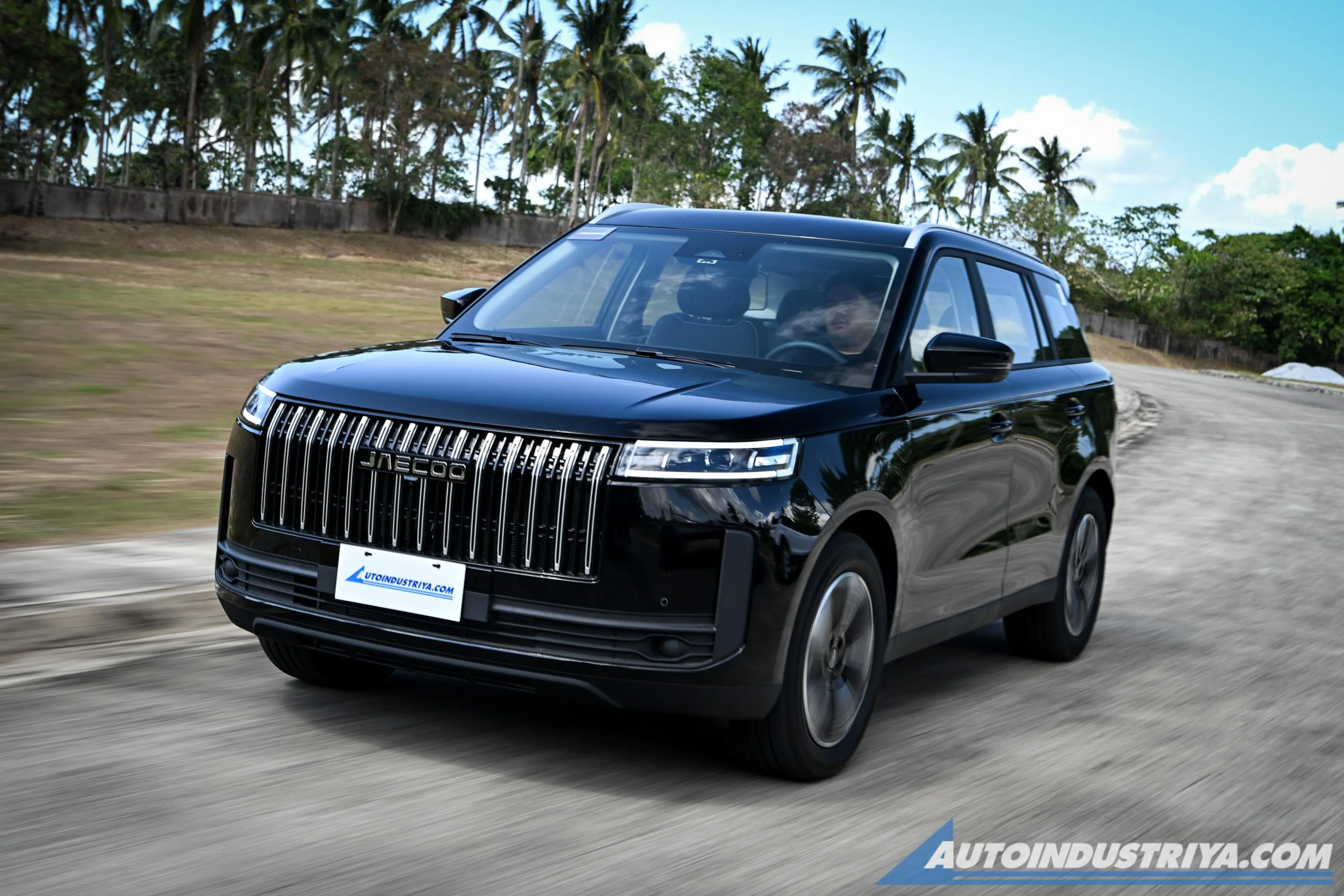
MIAS 2026: Jaecoo J5 HEV is priced to compete; starts at PHP 999K
OJPH wants to stir the B-SUV market with the J5 HEV