
1936 Toyoda AA: Why this car matters
Here's why the 1936 Toyoda AA holds profound historical significance, marking a major milestone in Japan's automotive industry

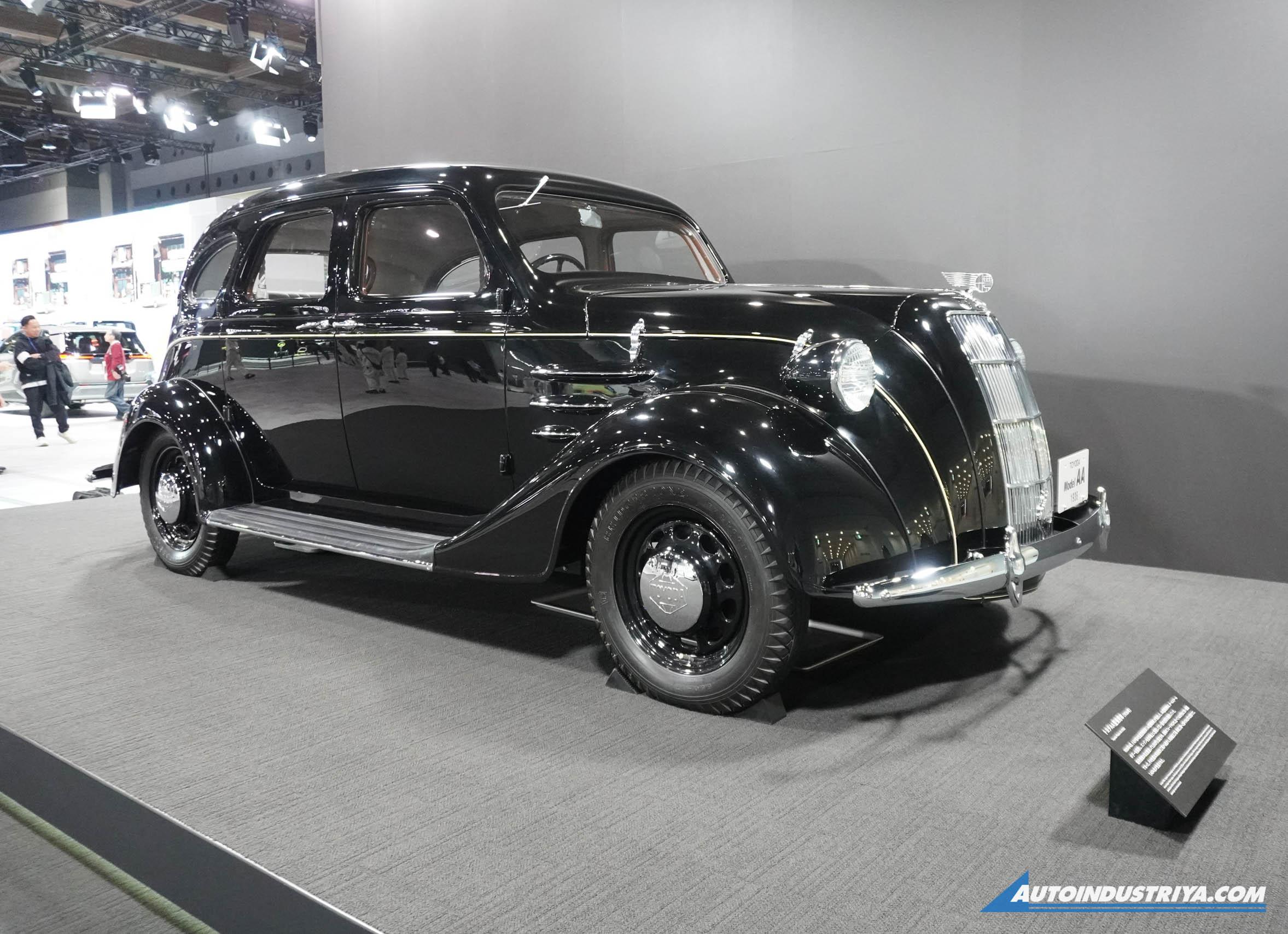
While most visitors were captivated by the dazzling display of cutting-edge vehicles at the recently concluded 2025 Japan Mobility Show, few noticed this pre-war model quietly commanding attention in Toyota’s Hall of History. While it may not boast of a custom Pininfarina body or an exotic 12-cylinder engine, the 1936 Toyoda AA nonetheless holds profound historical significance, marking a major milestone in Japan’s automotive industry. Here’s why it matters:
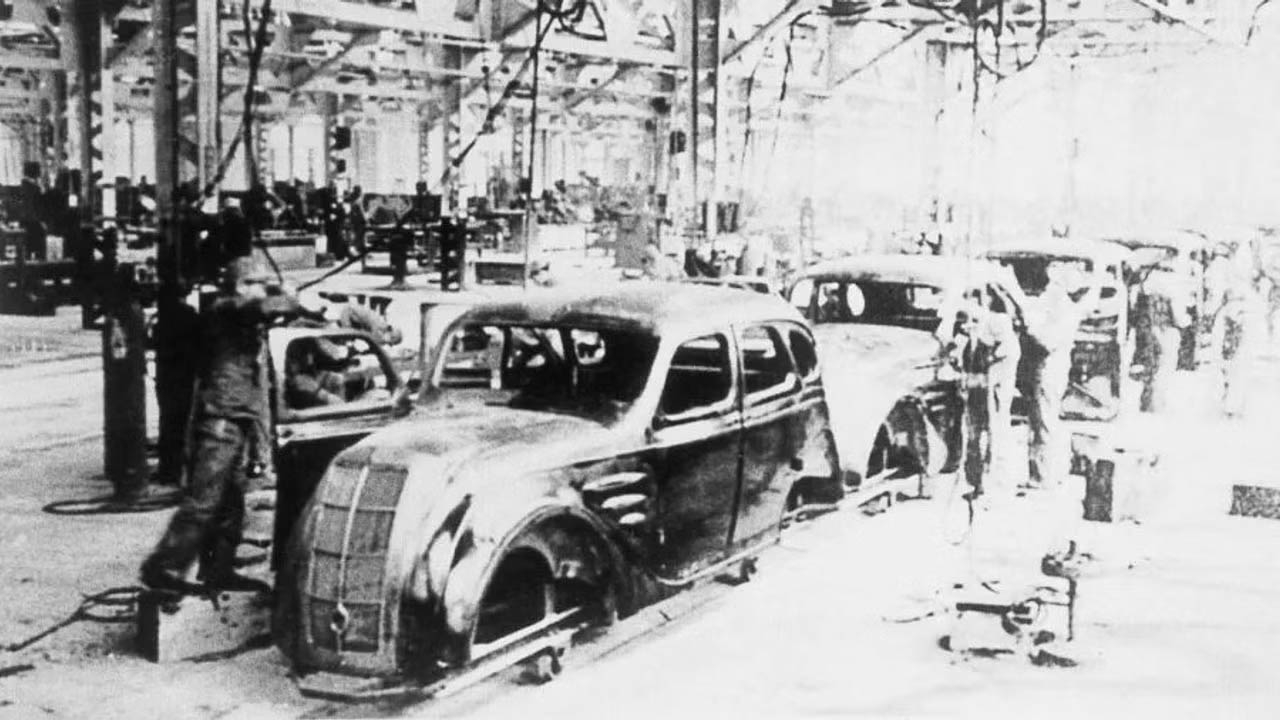
First Passenger Car by Toyoda (Later Toyota)
The AA Sedan was the first passenger car produced by Toyoda Automatic Loom Works, later known as Toyota Motor Corporation. Founded by Sakichi Toyoda, a textile machinery pioneer famed for the 1924 Toyoda Automatic Loom Type G, the company’s automotive venture was later led by his son, Kiichiro Toyoda, as a spin-off from the family loom business, marking a milestone in Toyota’s history.
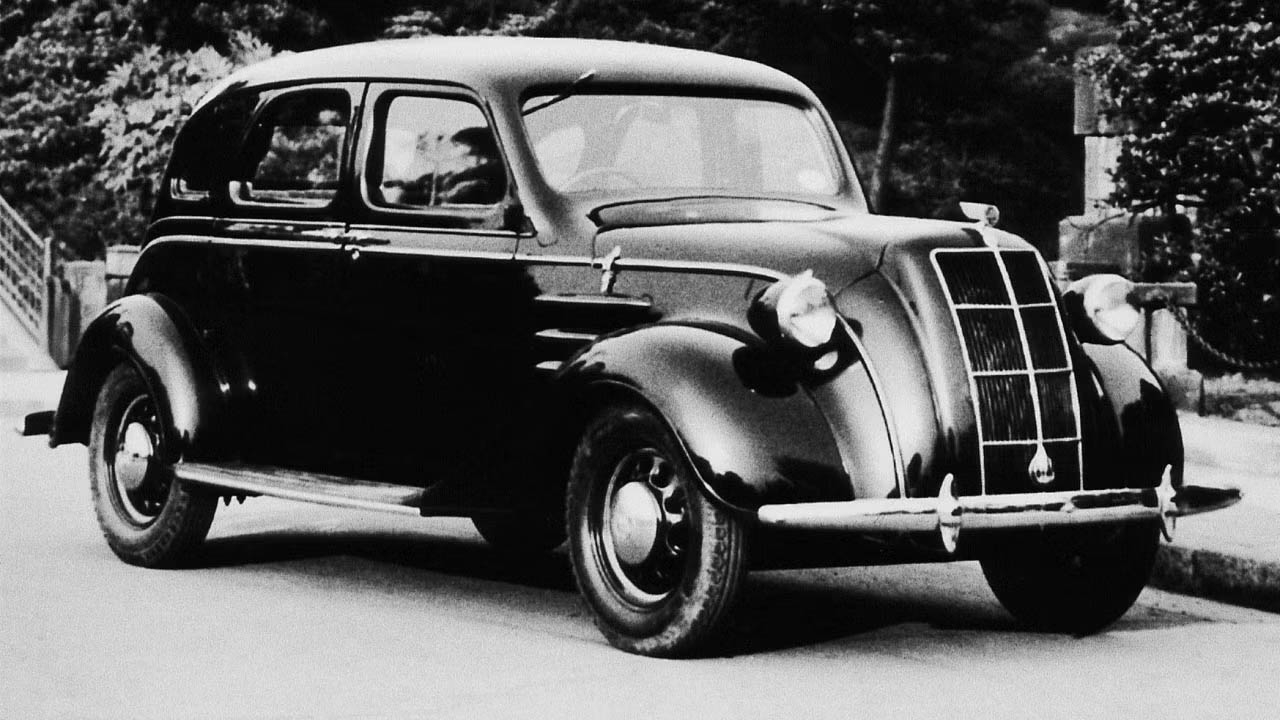
Symbol of Japanese Industrial Ambition
The car represented Japan’s effort to modernize its industry in the 1930s. It showcased that Japanese manufacturers could build vehicles comparable to Western cars, albeit initially based on foreign designs.
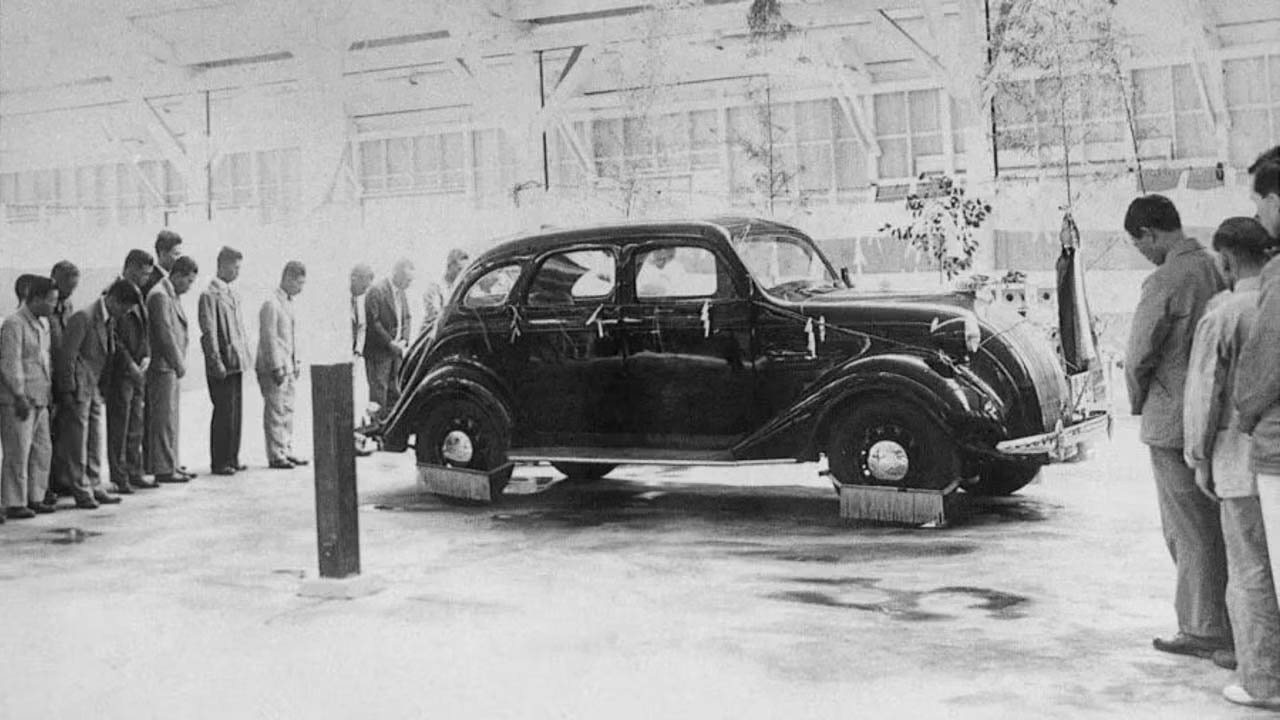
Design and Engineering
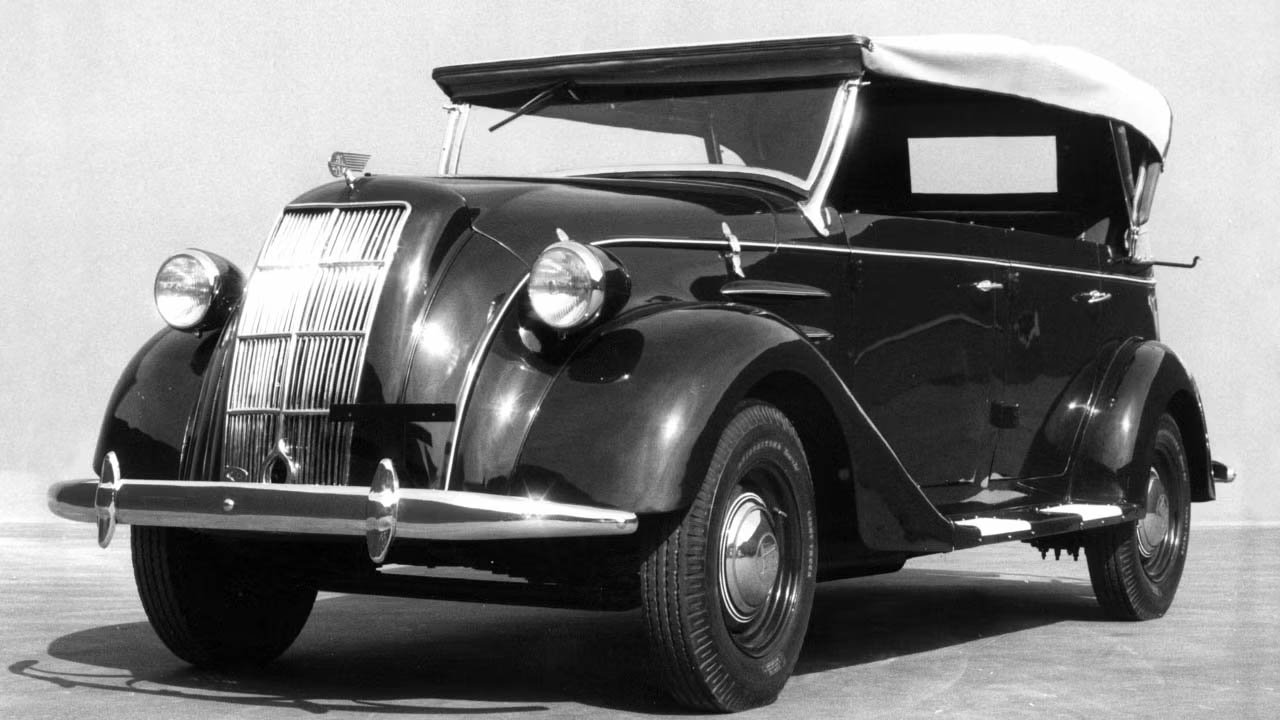
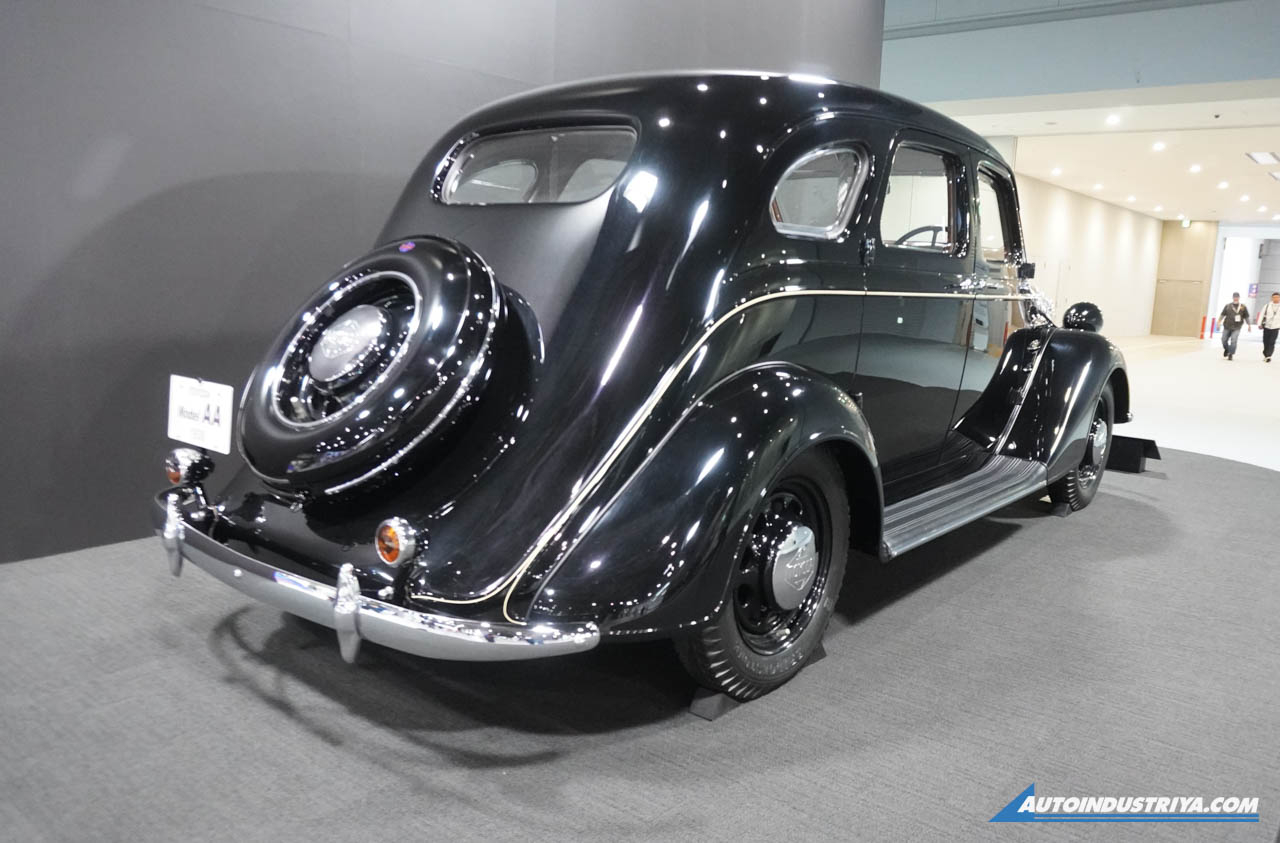
The AA was a six-cylinder sedan inspired by contemporary American cars such as the Chrysler Airflow. Reflecting the strong influence of Western technology on early Japanese automotive design, it demonstrated Toyoda’s ability to produce a fully functional, mass-producible car in Japan.
Limited Production but Cultural Impact
Only 1,404 Toyota AA units were produced between 1936 and 1943 due to the industrial and economic constraints on pre-war Japan. Despite its limited production, the AA became a symbol of Japan’s automotive beginnings and laid the foundation for Toyota’s later success.
Legacy
The Toyota AA set the stage for Toyota’s post-war automotive boom, eventually becoming one of the largest car manufacturers in the world.
Creating a Replica
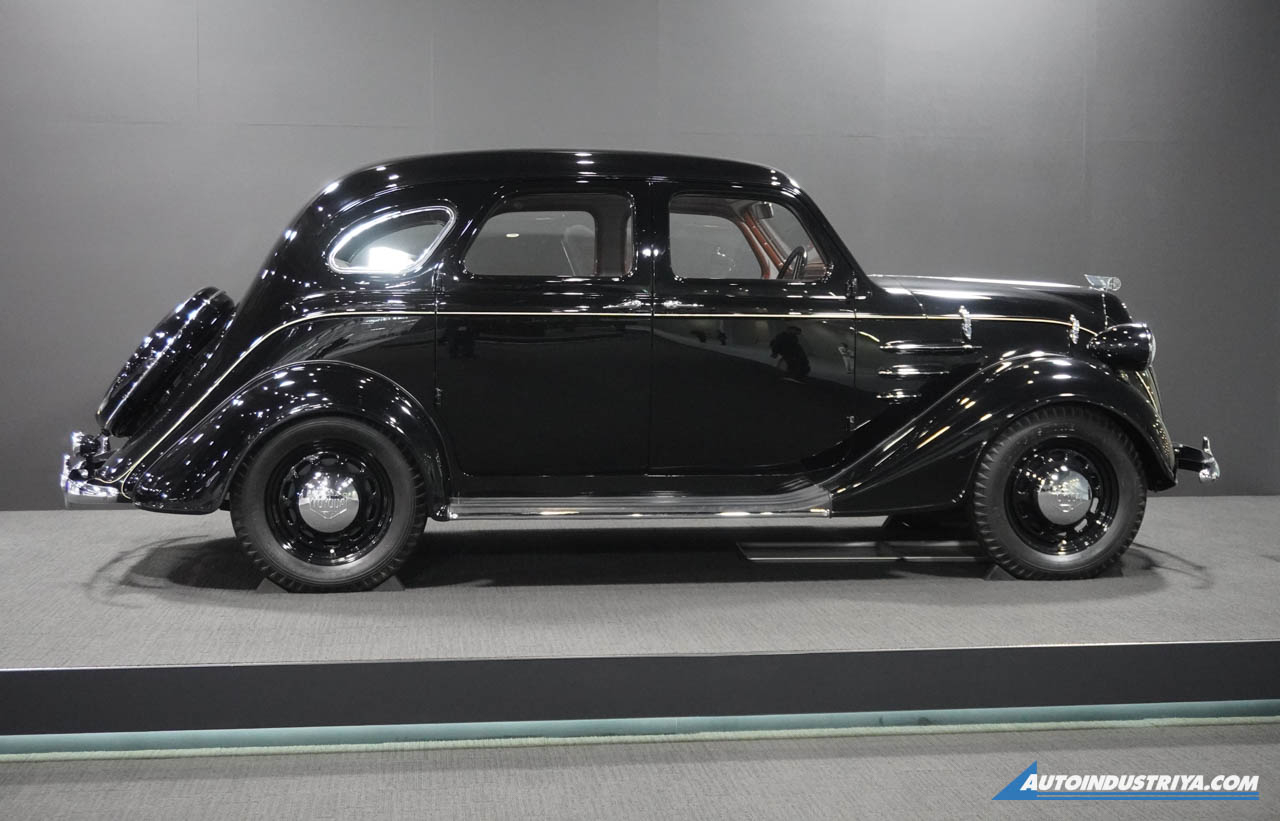
Even though over a thousand units were built between 1936 and 1943, no original Toyoda AA is known to survive. Toyota conducted a global search in 1987 for its 50th anniversary but found none. As a result, the company created a replica of the Toyota Automobile Museum using available blueprints and plans. Despite incomplete drawings and schematics, Toyota engineers persevered to recreate the vehicle that launched the company’s automotive journey.
AA Survivor
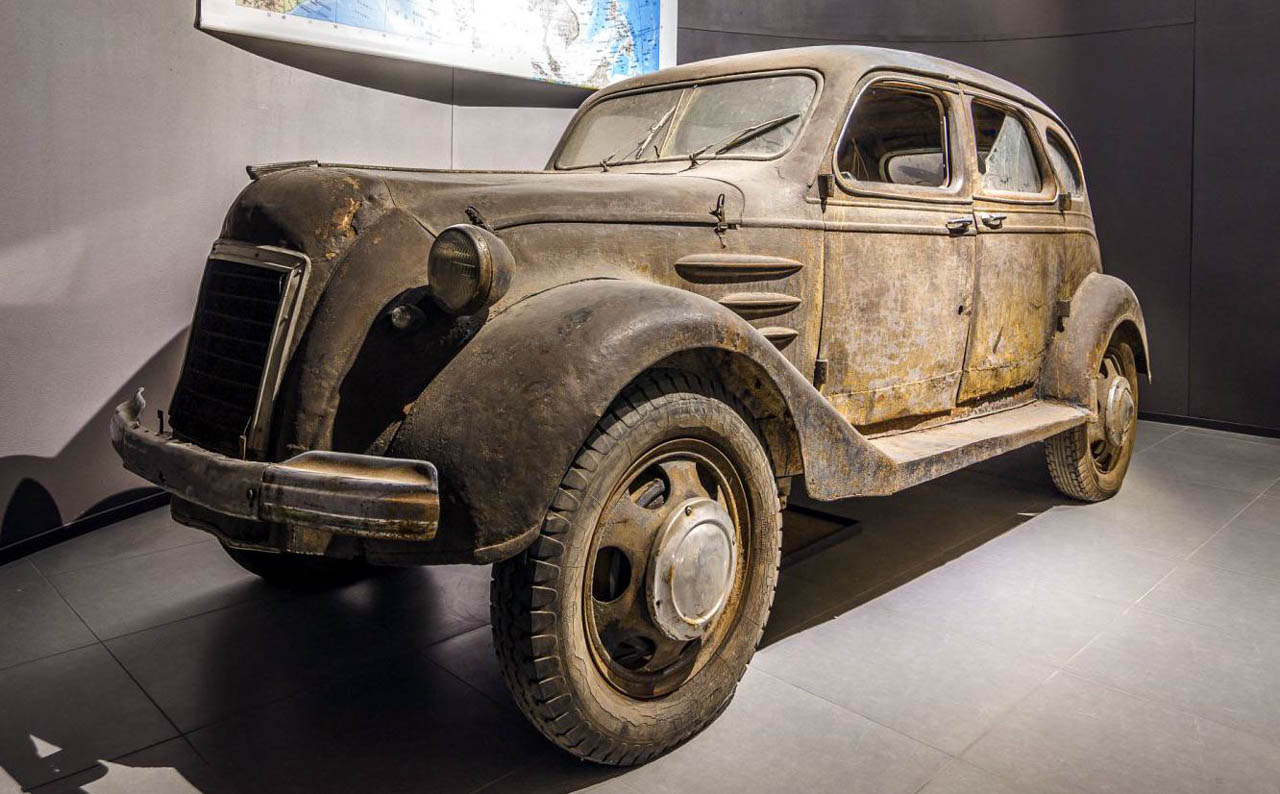
Until recently it was thought that none of these cars had survived, but in 2008, a heavily modified 1936 Toyoda AA, was discovered in a barn in Russia. Used as a farm vehicle, it was mistaken for a DeSoto Airflow. It wasn’t until the Louwman Museum in the Netherlands recognized the true identity of the car and eventually confirmed it to be the only known surviving AA and one of just 100 built in 1936. Heavily modified with Soviet truck components and left unrestored, it remains on display in its as-discovered condition in the Louwman Museum in the Netherlands.
What are your thoughts on Toyota’s decision to create a replica, and how do you view the historical significance of the Toyota AA?
Related Posts
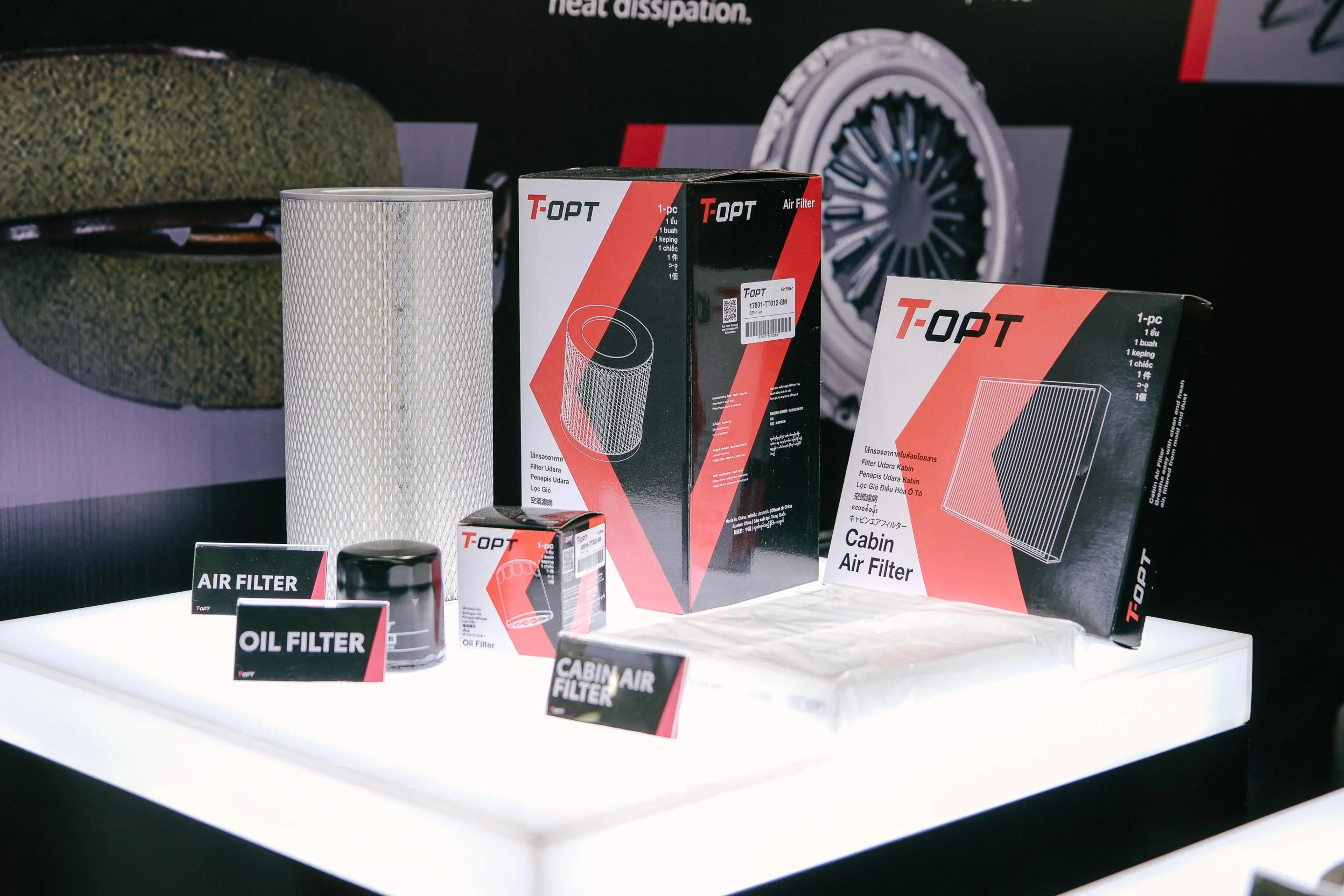
Toyota PH launches T-OPT aftermarket brand at MIAS 2026
Toyota Motor Philippines officially introduces T-OPT, which is their latest premium regional aftermarket parts brand
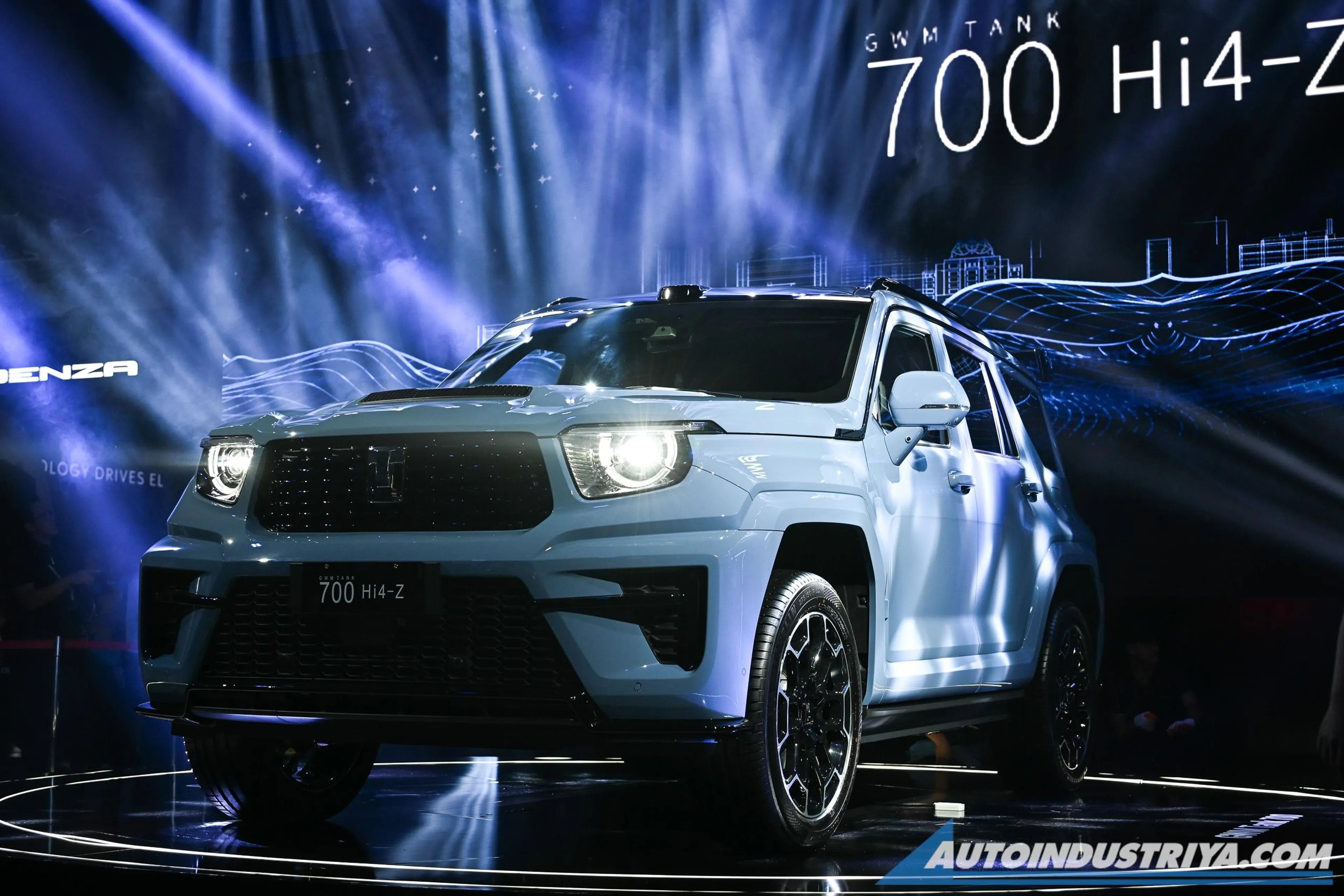
MIAS 2026: GWM Tank 700 PHEV makes first overseas market debut in PH
The GWM Tank Hi4-Z PHEV arrives in PH just weeks after it debuted in the PRC
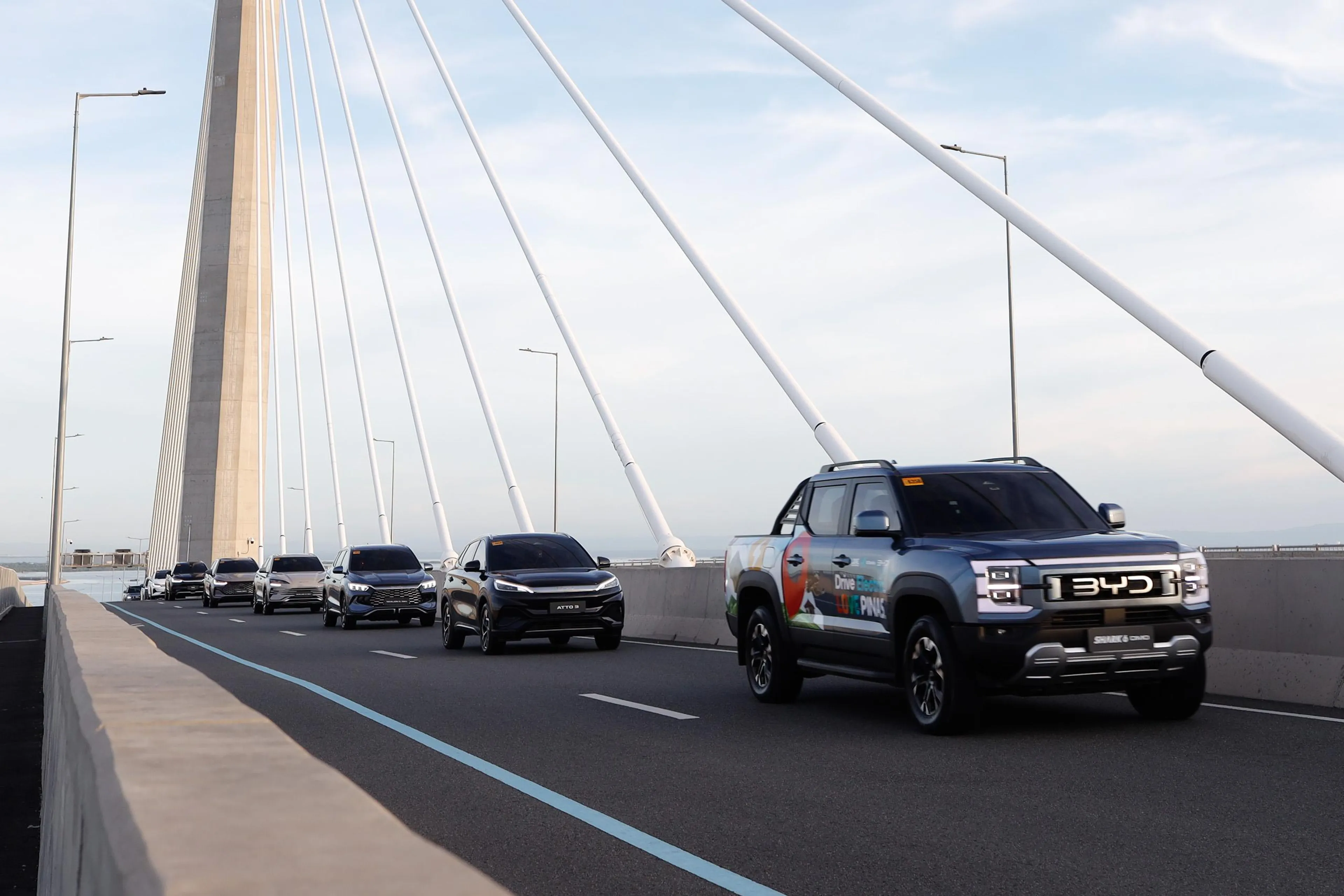
BYD “Drive Electric, Love Pinas” campaign sets two Guinness World Records
BYD and Department of Tourism’s “Drive Electric, Love Pinas” campaign makes it to Guinness World Records
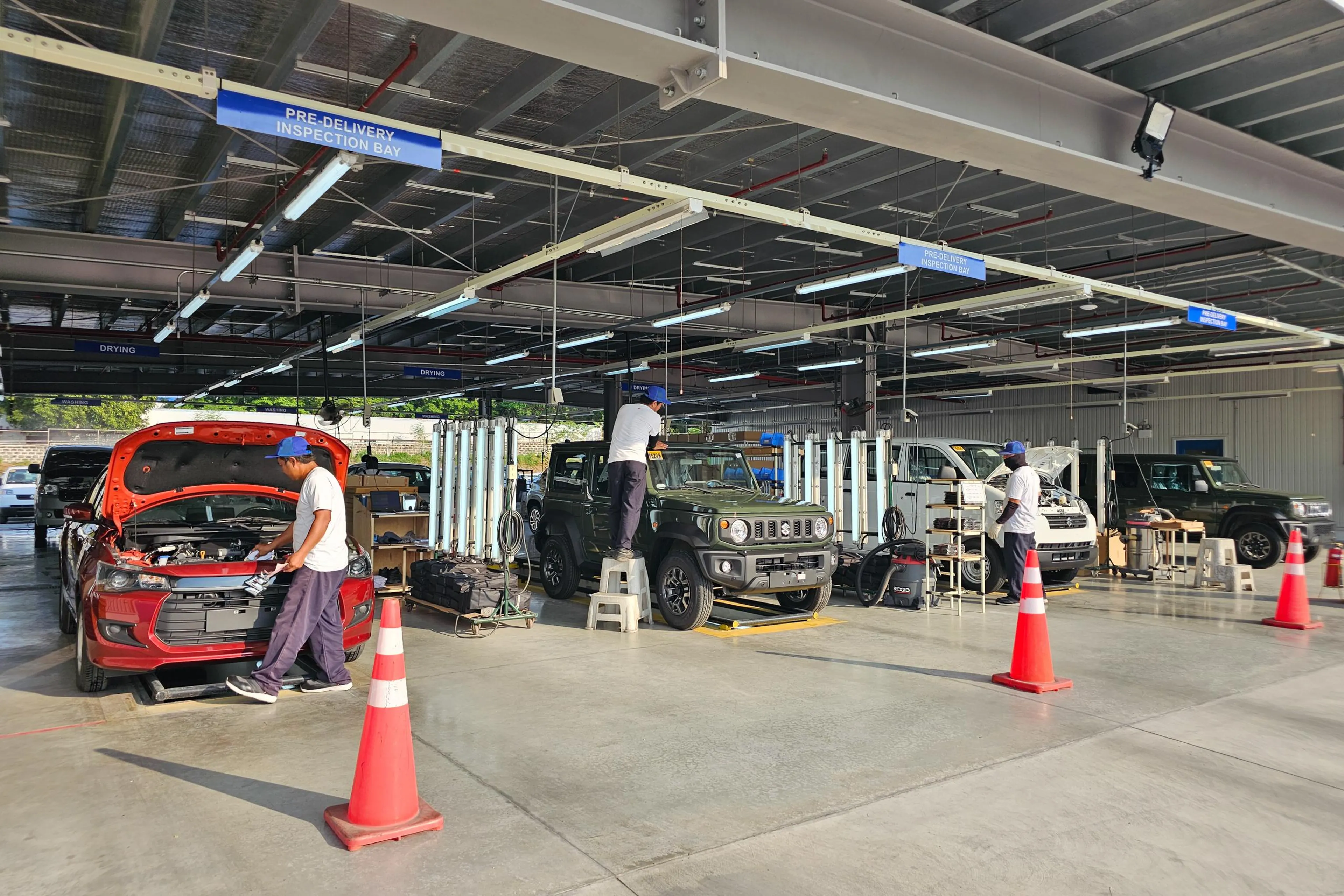
Suzuki Philippines expands Laguna pre-delivery inspection facility
The upgrade lets SPH meet demand while upholding global quality standards
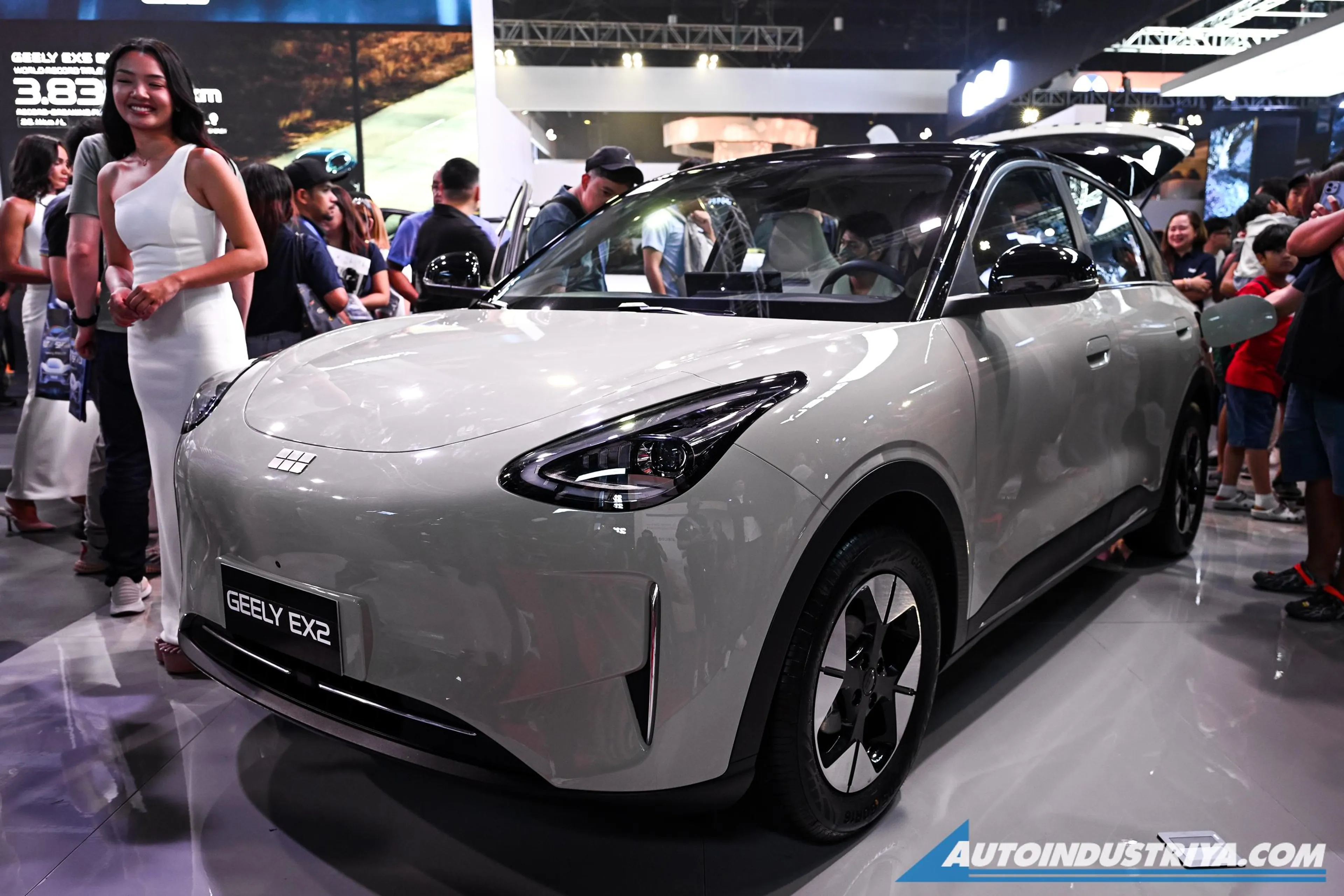
MIAS 2026: Geely PH previews EX2 EV to rival BYD Dolphin
Geely previews the EX2 at 2026 Manila International Auto Show; could start at PHP 950K
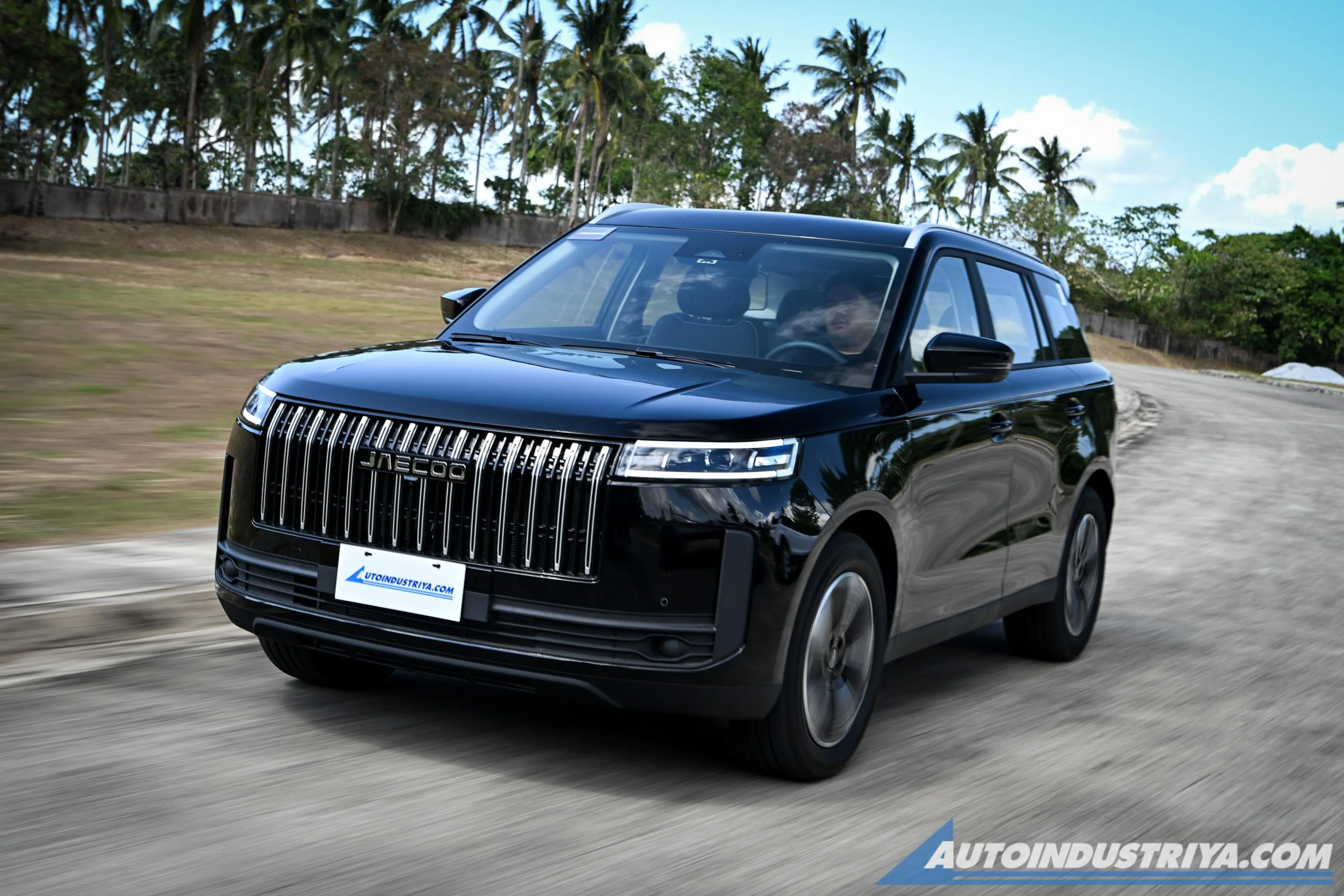
MIAS 2026: Jaecoo J5 HEV is priced to compete; starts at PHP 999K
OJPH wants to stir the B-SUV market with the J5 HEV