
Will Isuzu bring EVs to the Philippine market?
Isuzu PH president wants to make sure they can introduce EVs in the market once regulations and infrastructure are available

Last July, Isuzu Philippines Corporation (IPC) officially celebrated its 25th year in the country. Aside from commemorating its silver anniversary, IPC also announced its plans to embark on a greener and more sustainable future.
Called the Road to Progress, the company’s new vision will help IPC realign its business process through a new perspective that focuses on environmental, social, and governance aspects. One of its first steps is moving away from coal-based power plants to more environmentally-friendly solar power for its factory in Binan, Laguna.
While this is all well and good, could Isuzu actually bring electric versions of its trucks to the Philippines? Isuzu is also looking to lessen carbon emissions and become a carbon-neutral company, so we were curious if IPC will be able to bring zero-emissions vehicles.
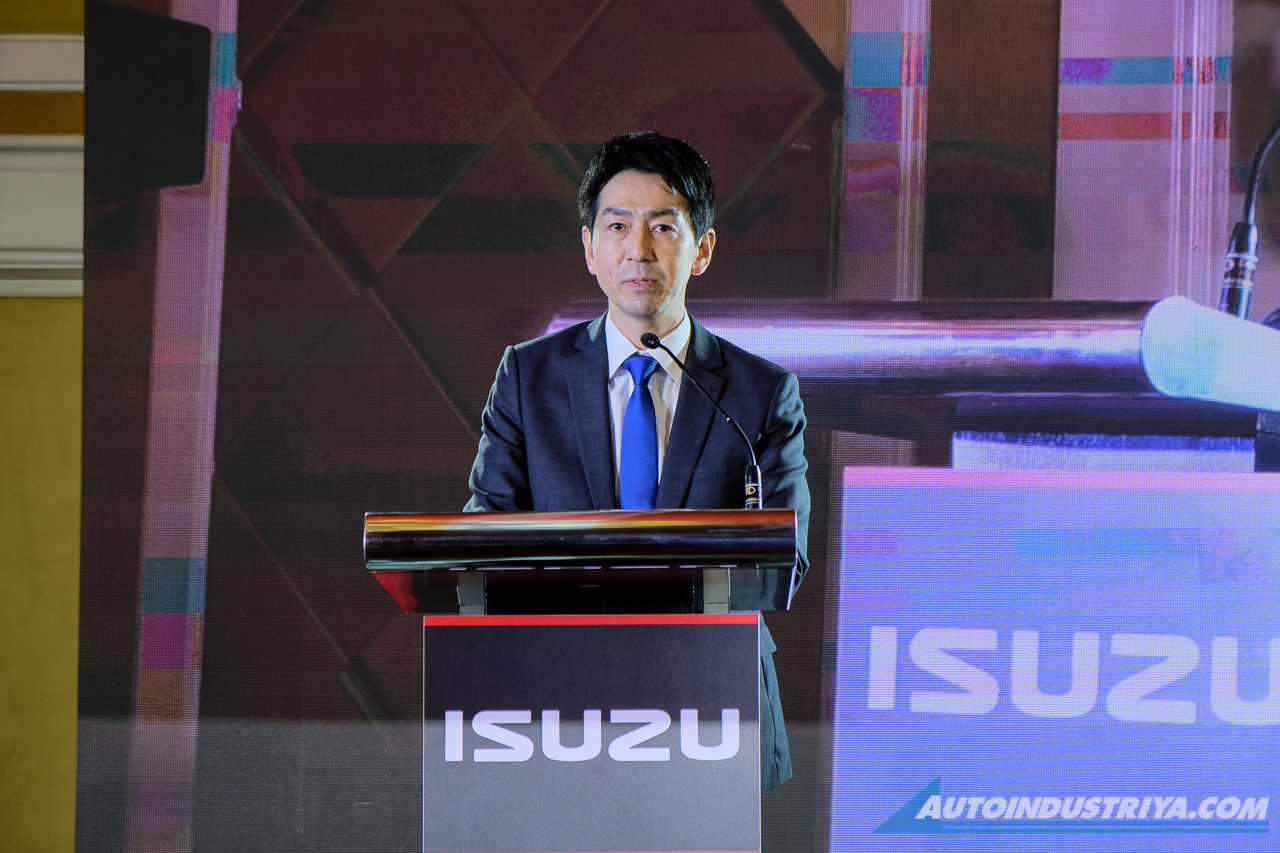
During the 8th Philippine International Motor Show (PIMS) press conference, we asked IPC president Noboru Murakami if they have plans to bring EVs to the Philippines. According to Murakami, they are currently monitoring the possibility of bringing in electric vehicles.
“We’re closely monitoring and cooperating with the Philippine government in regards to activities and progress of EVs,” said Murakami.
Murakami added that they also want to make sure that when they introduce electric models in the Philippines, regulations are already in place as well as the necessary infrastructure that can support EVs.
“Of course, we want to make sure that when we can introduce EV models in the Philippine market, regulations are in place and infrastructures such as charging stations are ready and available. We will be watching carefully what’s going on so that we can be well prepared,” shared Murakami.
Back in April 2022, the Philippines passed Republic Act No. 11697, AKA the Electric Vehicle Industry Act. The newly passed (i.e. lapsed) law not only deals with importation, taxes, levies, acquisition, incentives, and usage of EVs, but it’s also designed to promote manufacturing, and/or assembly of EVs in the country, as well as setting up of charging stations in the country.
Several agencies are set to convene to draw up the necessary components and stipulations for the Comprehensive Roadmap for the Electric Vehicle Industry (CREVI). This will include setting the standards and specs for EVs and charging stations, plus the development of local EV manufacturing.
Currently, there are already several charging stations in the country. However, they mostly cater to passenger vehicles and are owned by private companies. The government has yet to put up dedicated public charging stations that can cater to both passenger and commercial EVs. Moreover, there is no standard yet as to how local production of EVs will be made possible in the country.
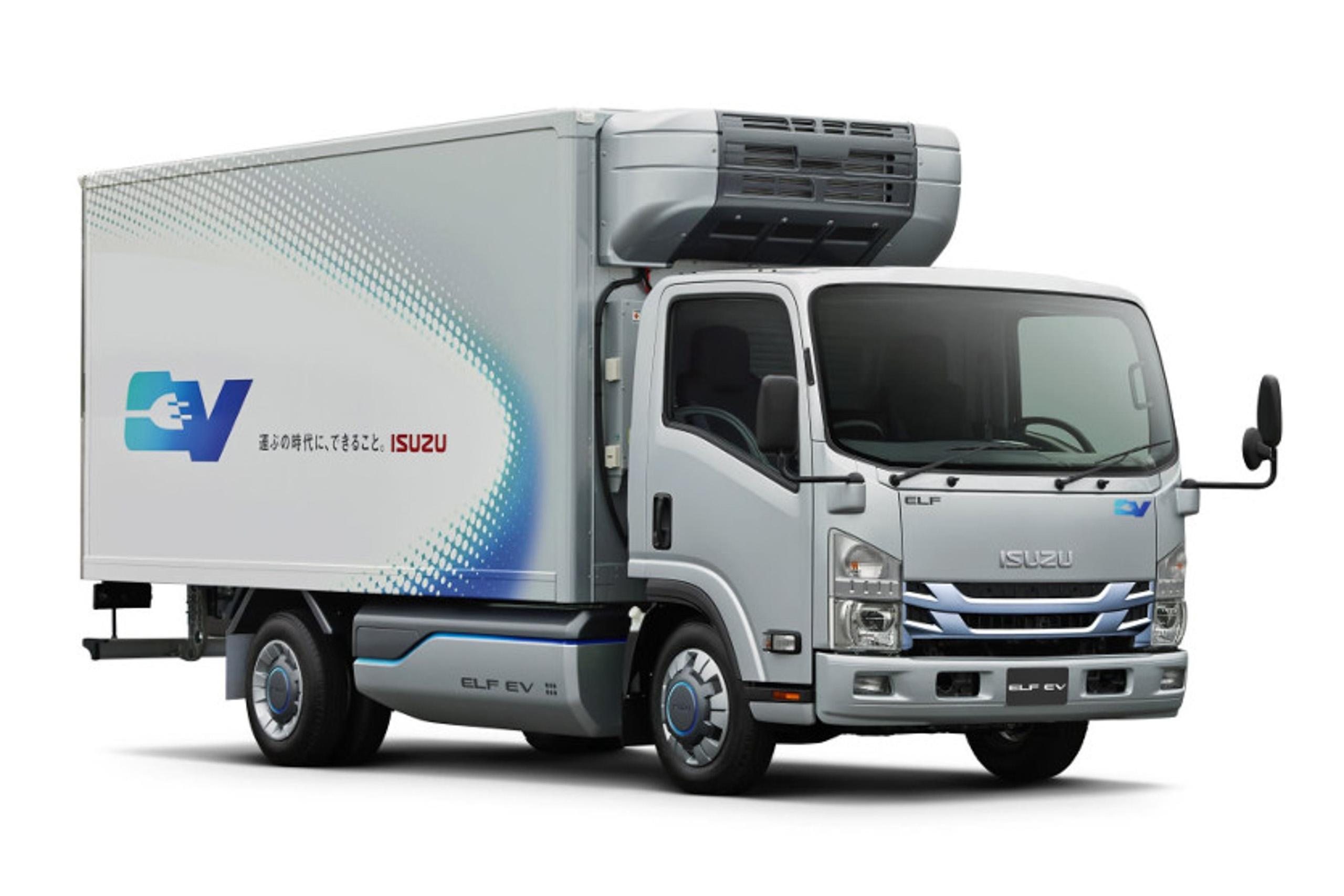
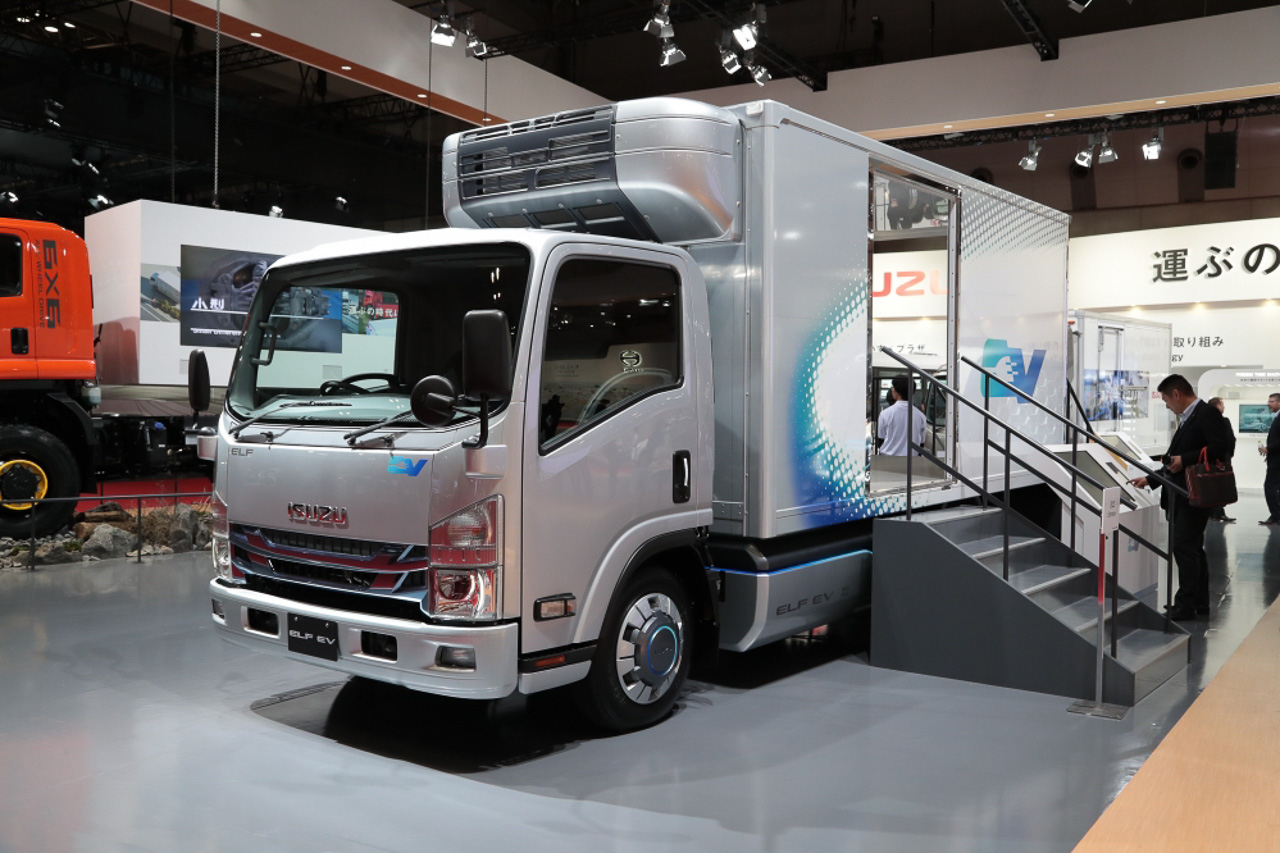
With Isuzu still closely monitoring the situation, we might have to wait for a little while longer before we start to see any Isuzu EVs on Philippine roads. But should the company actually bring an EV to the country soon, we’re hoping it will be the Isuzu Elf EV which was first revealed back in 2019 during the Tokyo Motor Show
Related Posts
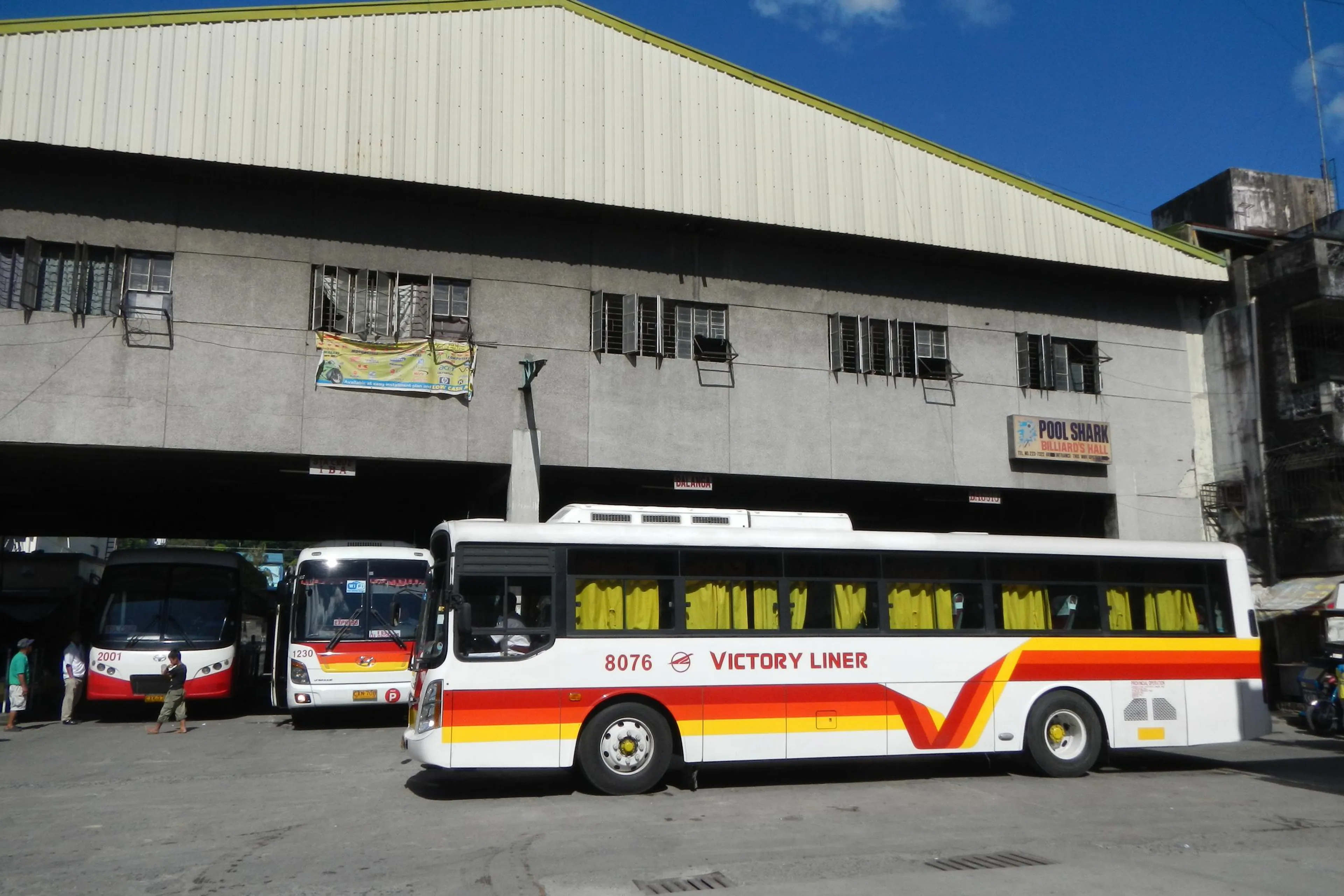
Victory Liner offers ‘free’ bus rent amid fuel crisis
You only pay for diesel, driver and conductor wages

Isuzu turns over 205 new troop carriers to Philippine Army
Isuzu Philippines Corporation, Philippine Army conduct formal turn over in Tarlac City
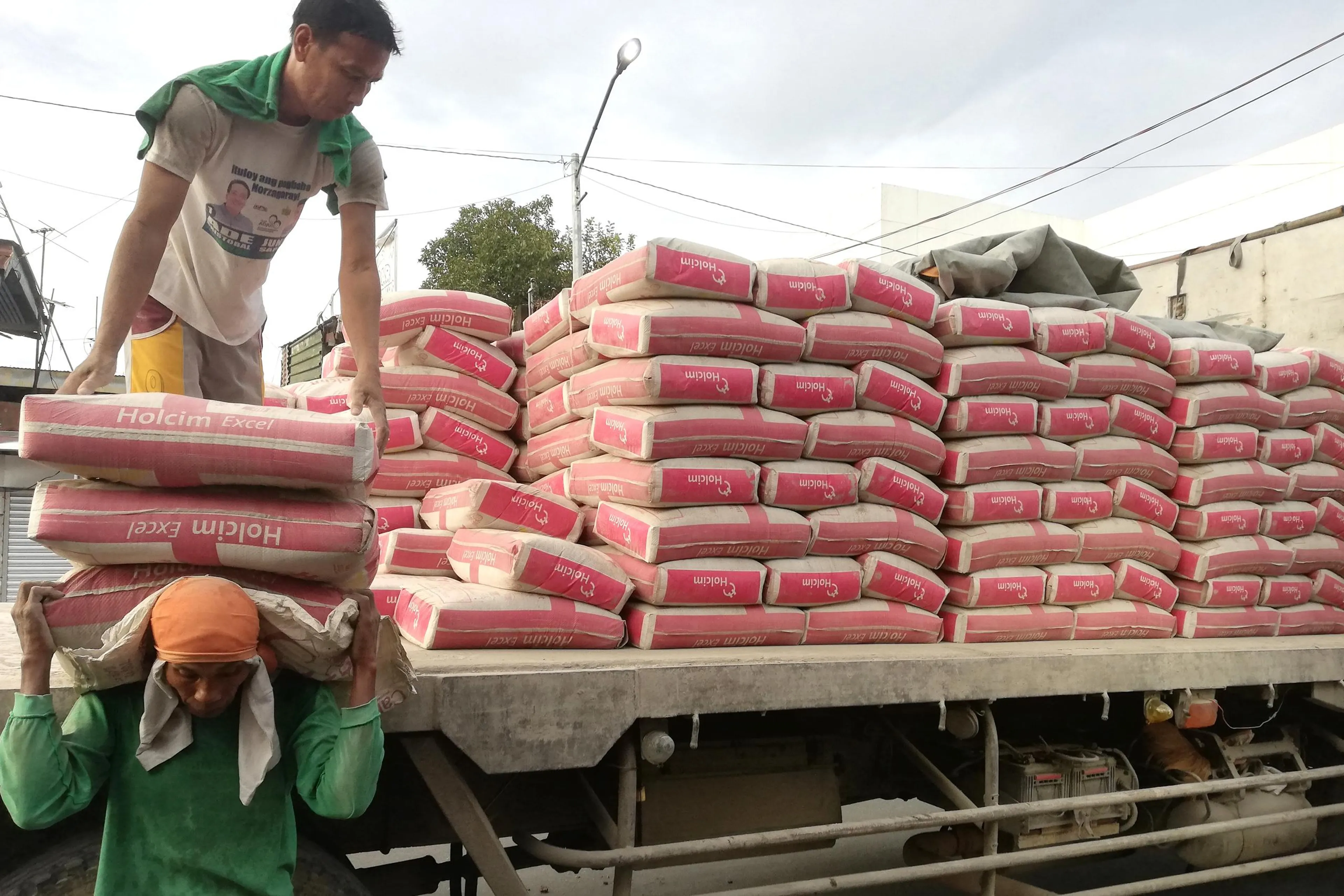
MMDA exempts trucks delivering essential goods from truck ban, number coding
Expect more trucks on the road even before truck ban
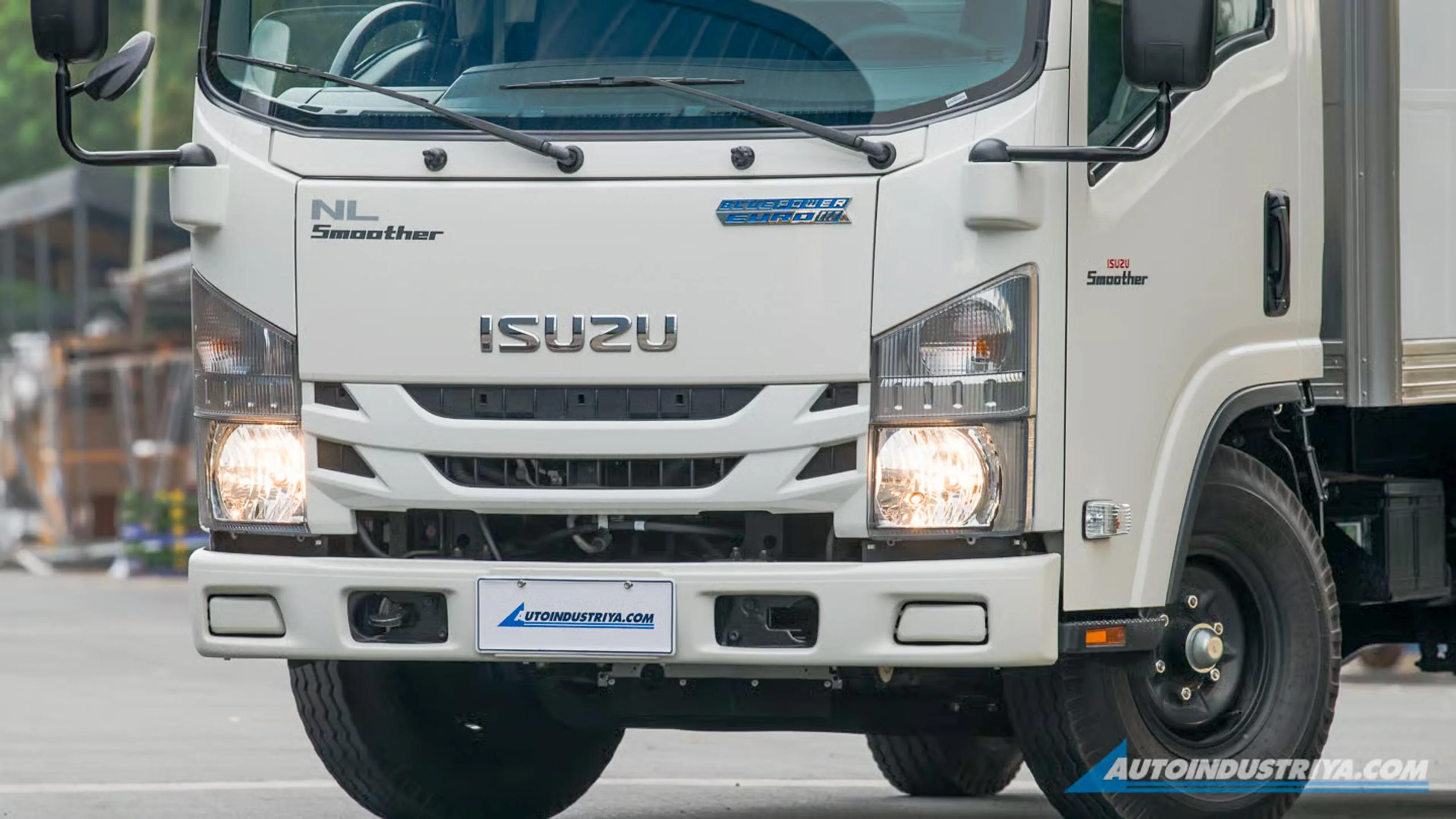
PH truck manufacturers issues caution over use of Euro 2 diesel
TMA also calls for "clear and accessible information made available to the public"
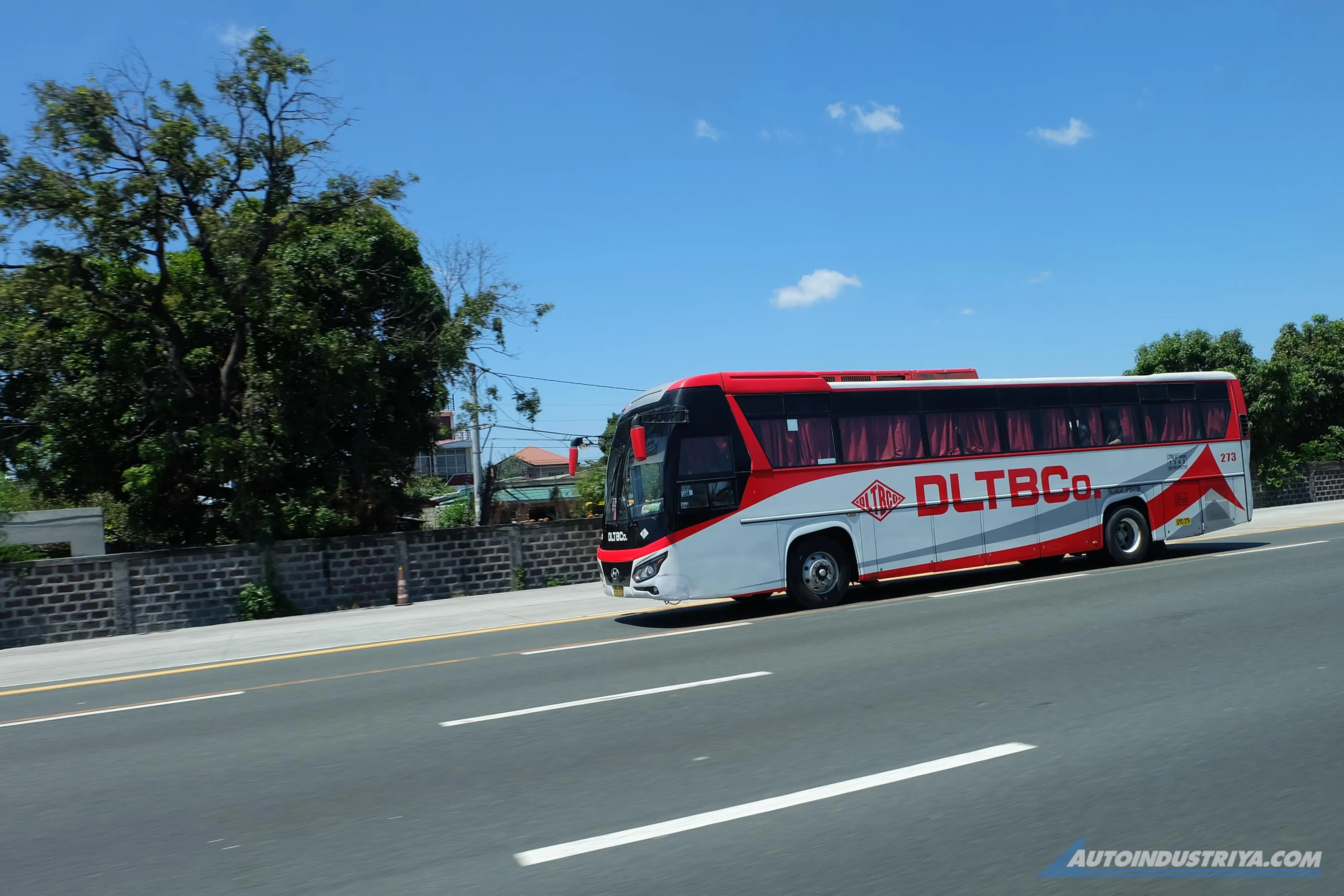
PUVs, trucks get discounted toll on NLEX, SCTEX, SLEX, STAR, MCX, CAVITEX
TPLEX, Skyway 3, C5 Link, Harbor Link Expressway, CALAX, and Cebu–Cordova Link Expressway (CCLEX) tollways not included
Fuso Canter trucks join expanded AP Cargo fleet
Fuso Philippines turns over additional Canter units to AP Cargo fleet