
2021 Honda CR-V SX 1.6L i-DTEC 9AT AWD with Sensing
We drive the top-of-the-line CR-V SX AWD and see what Honda has changed on its popular crossover

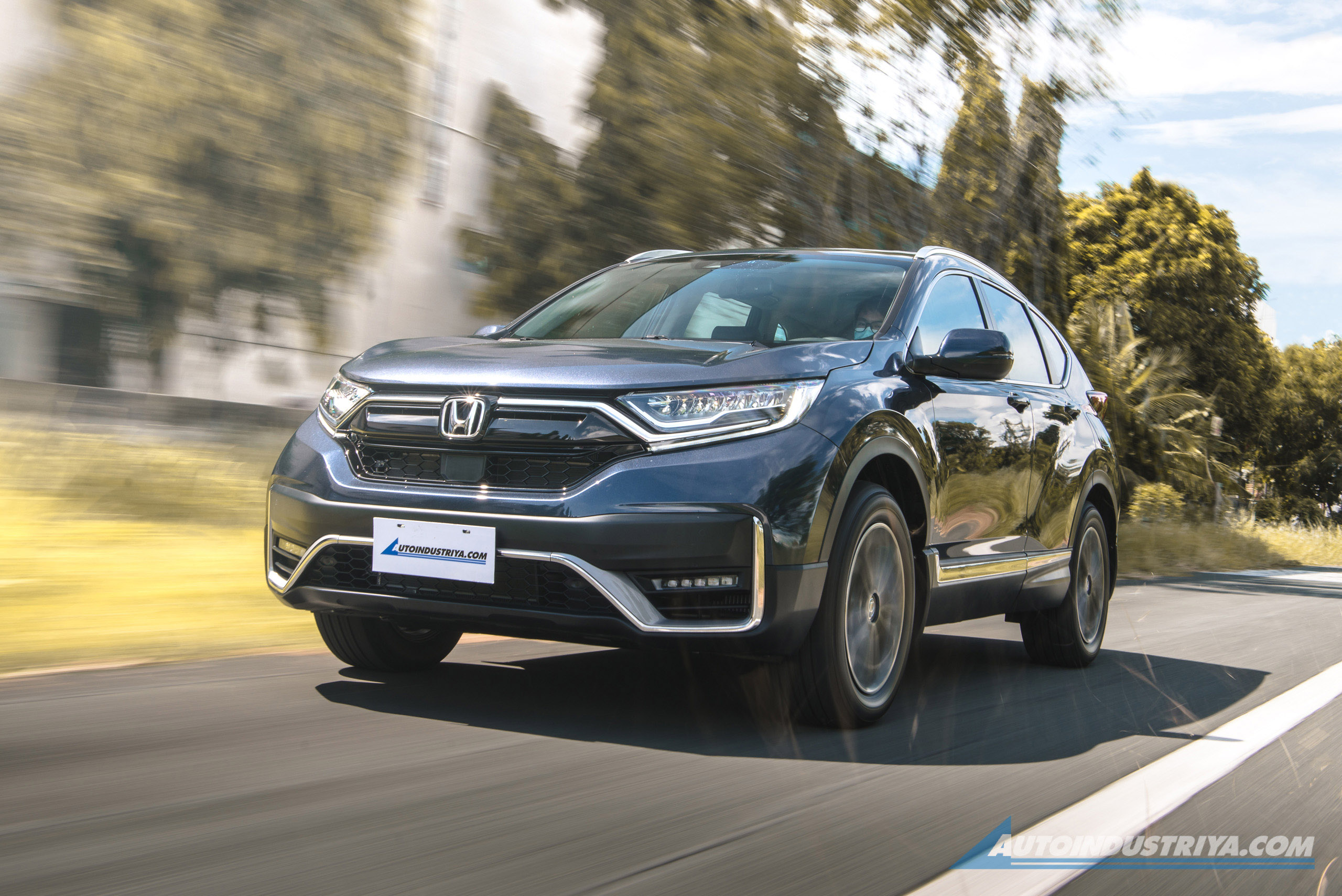
The Honda CR-V has been one of Honda’s most successful nameplates in the Philippines for nearly three decades, spanning five model generations.
Honda’s ‘Comfortable Runabout Vehicle' is one of the pioneers of the crossover class (together with the RAV4) giving the characteristics of a well-handling and comfortable car and the height, size, and versatility of an SUV. The best of both worlds, so to speak.
But the market for the CR-V has definitely changed. Many in its class (including the CR-V) have become far more premium in price and much larger in size, so much so that it's difficult to classify them as compact crossovers still. There are also a lot of new competitors from Korea and China, as well as from other body-on-frame PPVs that aren't priced that much more.
Can the CR-V still be as great as it once was, given the changes in the industry and the market? Let's find out as we get behind the wheel of the facelifted fifth-generation in top trim SX AWD trim.
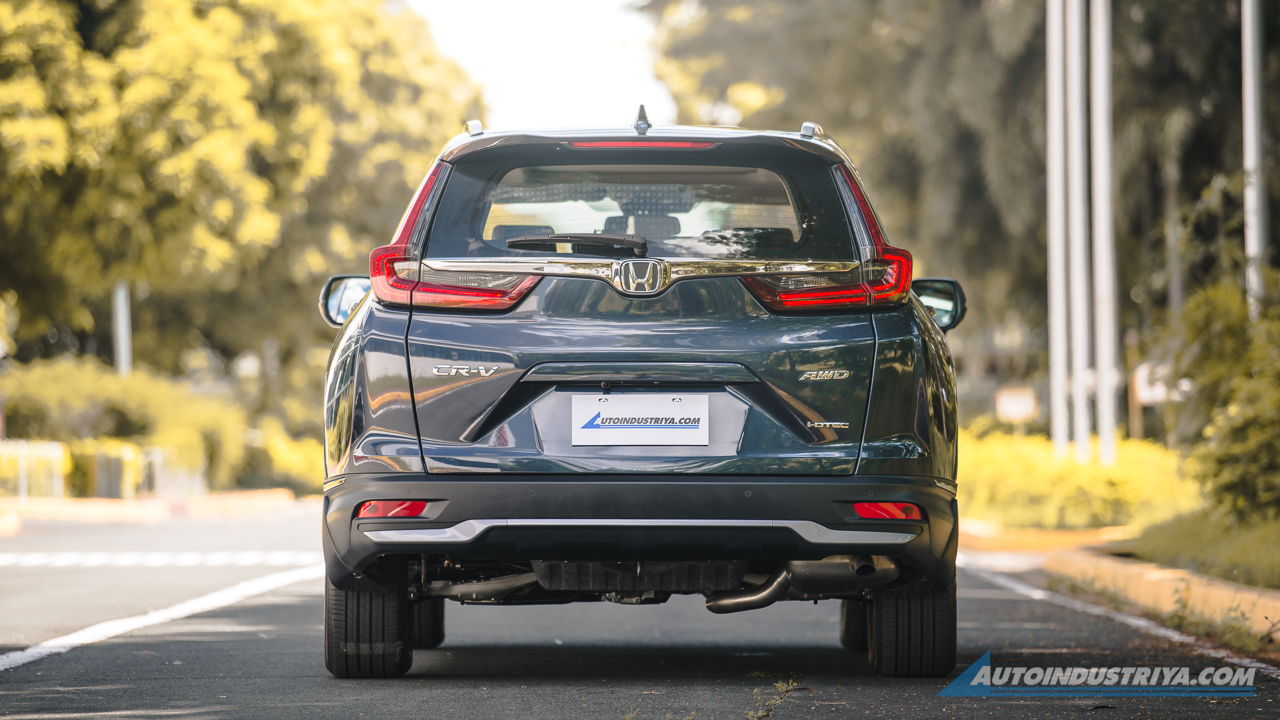
Design-wise, there wasn’t much of a change done to the CR-V, not that it’s a bad thing because there was nothing much to change in the first place. It's still a good-looking crossover, and the changes are so subtle you might actually miss them if you blink.
The front grille just gets a chrome delete, but they moved that chrome to the bumper in the shape of a wing. Going to the back, you’ll also spot the subtle changes only when you give it a hard look. It does get a fresh set of wheels, and they do look more distinct.
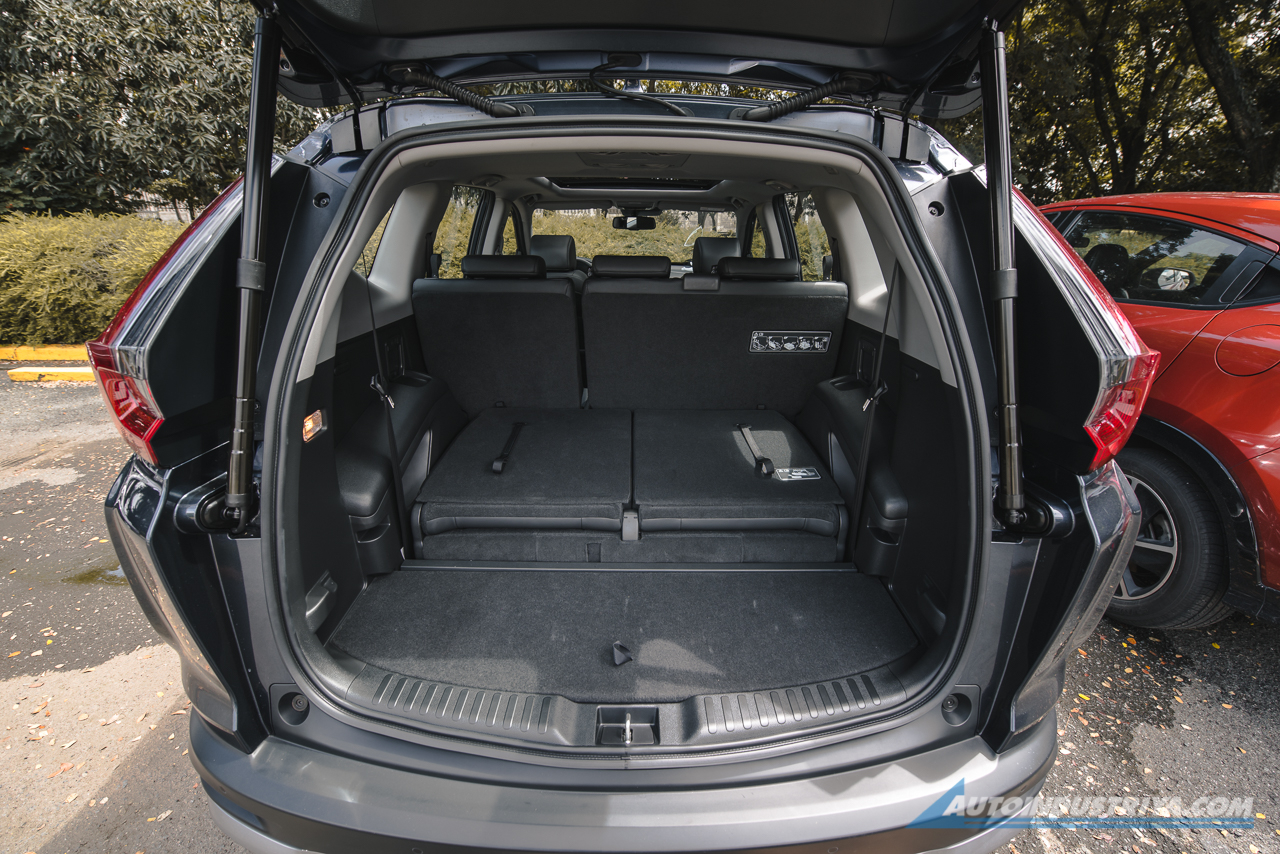
It’s the same formula Honda has used for the past four generations of the CR-V and it just works. It still seats seven as with the pre-facelift, but the third row would be best reserved for petite adults and children. It will feel quite cramped if I have some of my larger team members in there.
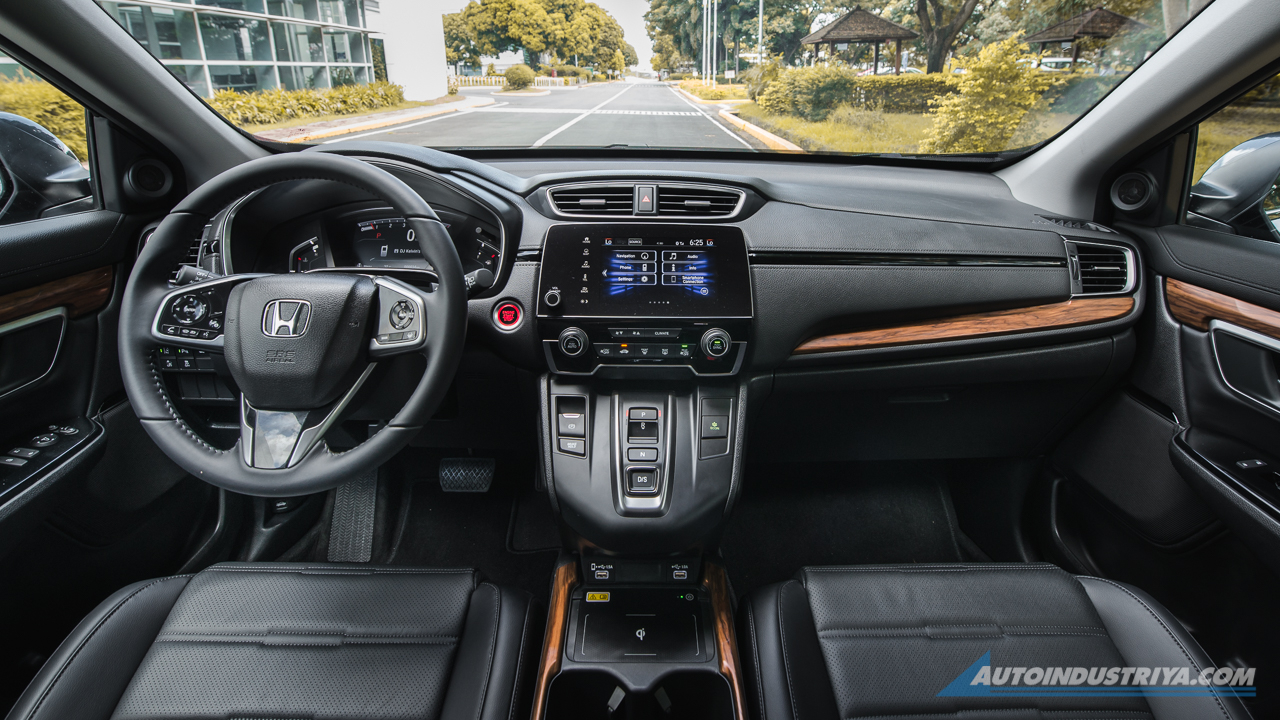
Inside, the changes are likewise subtle, with only minor user interface adjustments done. The controls and ergonomics on the pre-facelift version worked well, so Honda decided to keep it as such. It now gets a wireless charging pad integrated into the center console while the USB charging ports have likewise been relocated near it. The seats are carried over as well.
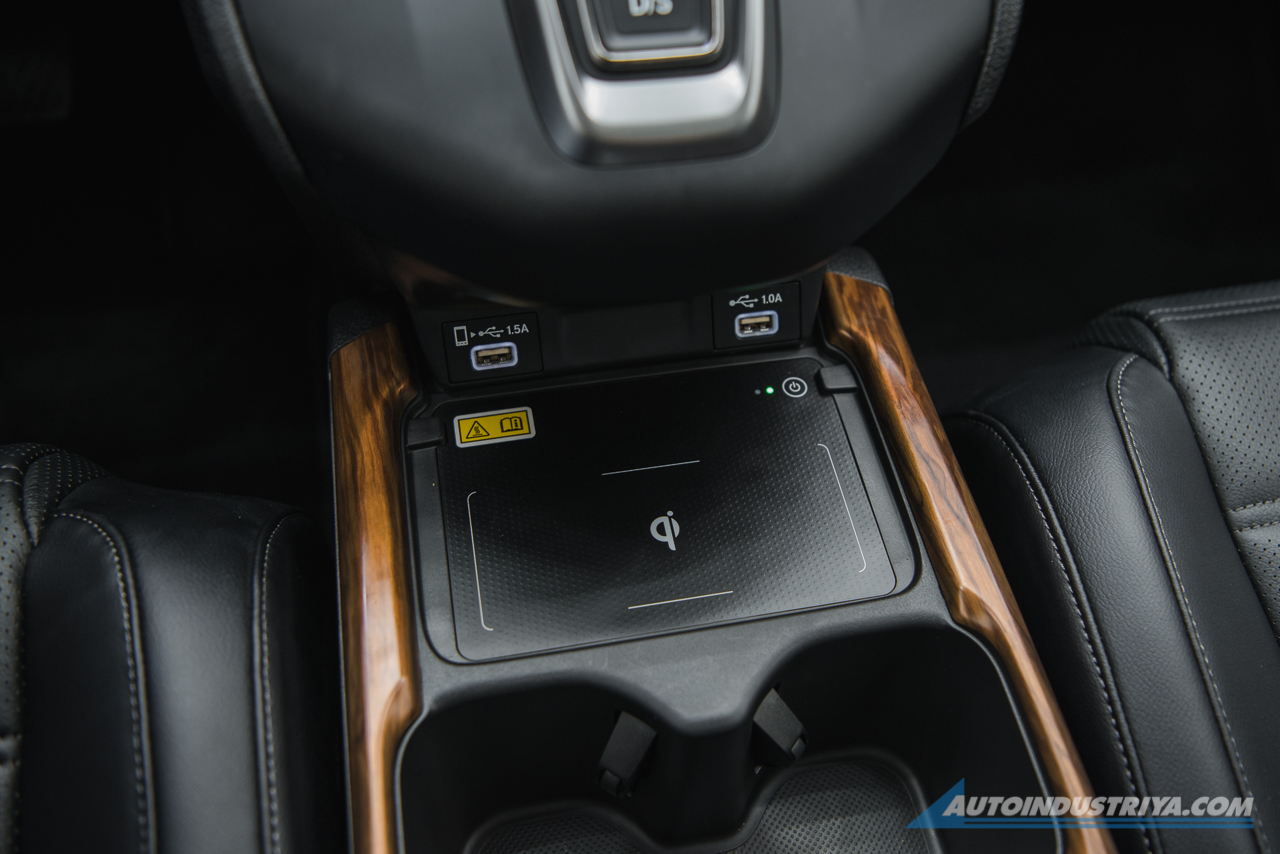
While it's nice to have the USB ports more accessible for plugging your mobile device to connect to either Android Auto or Apple Carplay, it's a bit weird to put your device on a wireless charging pad while plugged into the USB port as well. They should have already integrated wireless Android Auto and Apple Carplay connectivity. Another serious point of contention is the reverse camera; they should upgrade the camera as it's very grainy and a bit difficult to use in low-light situations.
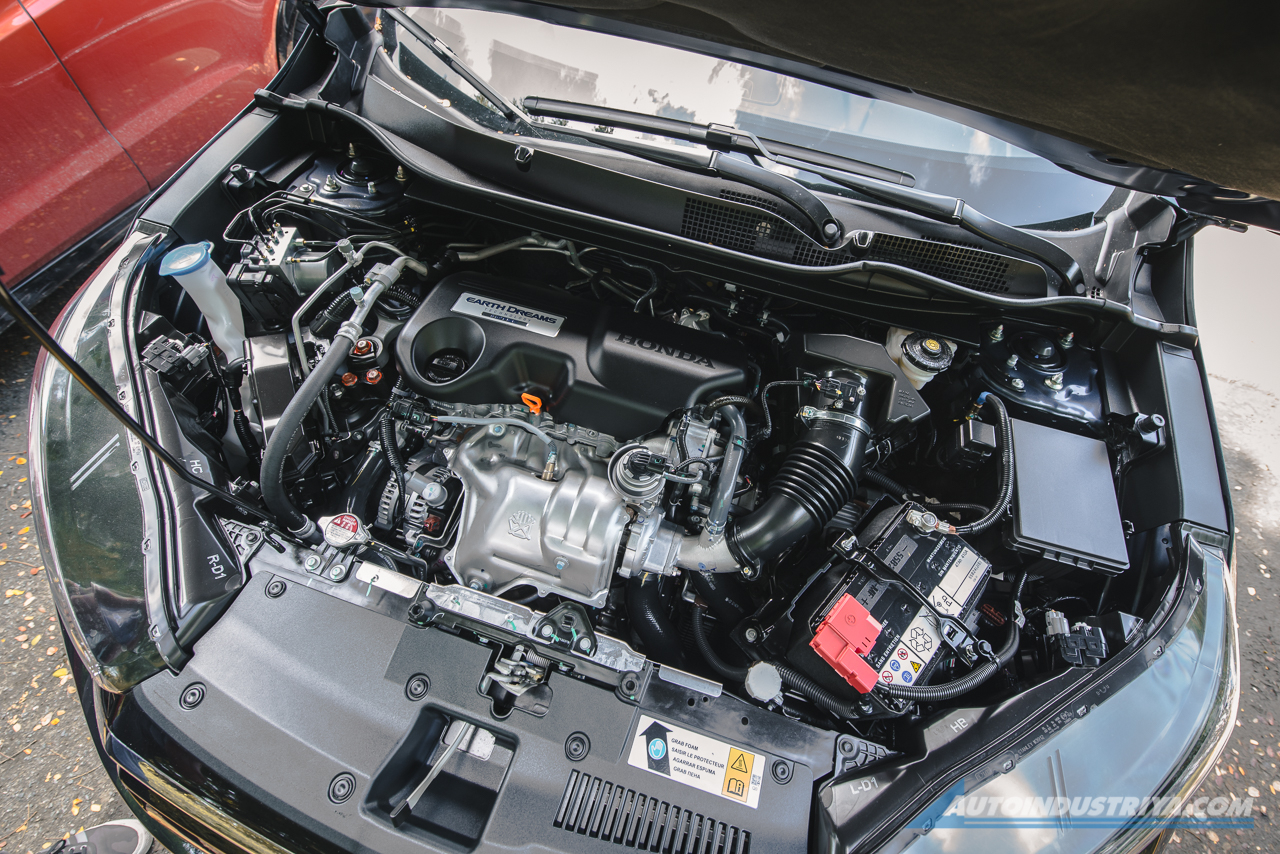
Under the hood is the same 1.6-liter i-DTEC turbodiesel engine rated at 120 PS and 300 Nm. The numbers might not seem much compared to the 160 PS-rated twin-turbo version found in other markets, but it is a capable engine that has a good balance of power and torque on tap.
Over the course of a week, I was able to average 10.3 km/L in the city with light to moderate traffic, 19.3 km/L for highway driving with average speeds of 60 to 100 km/h; I was also able to log 16.2 km/L worth of mixed driving.
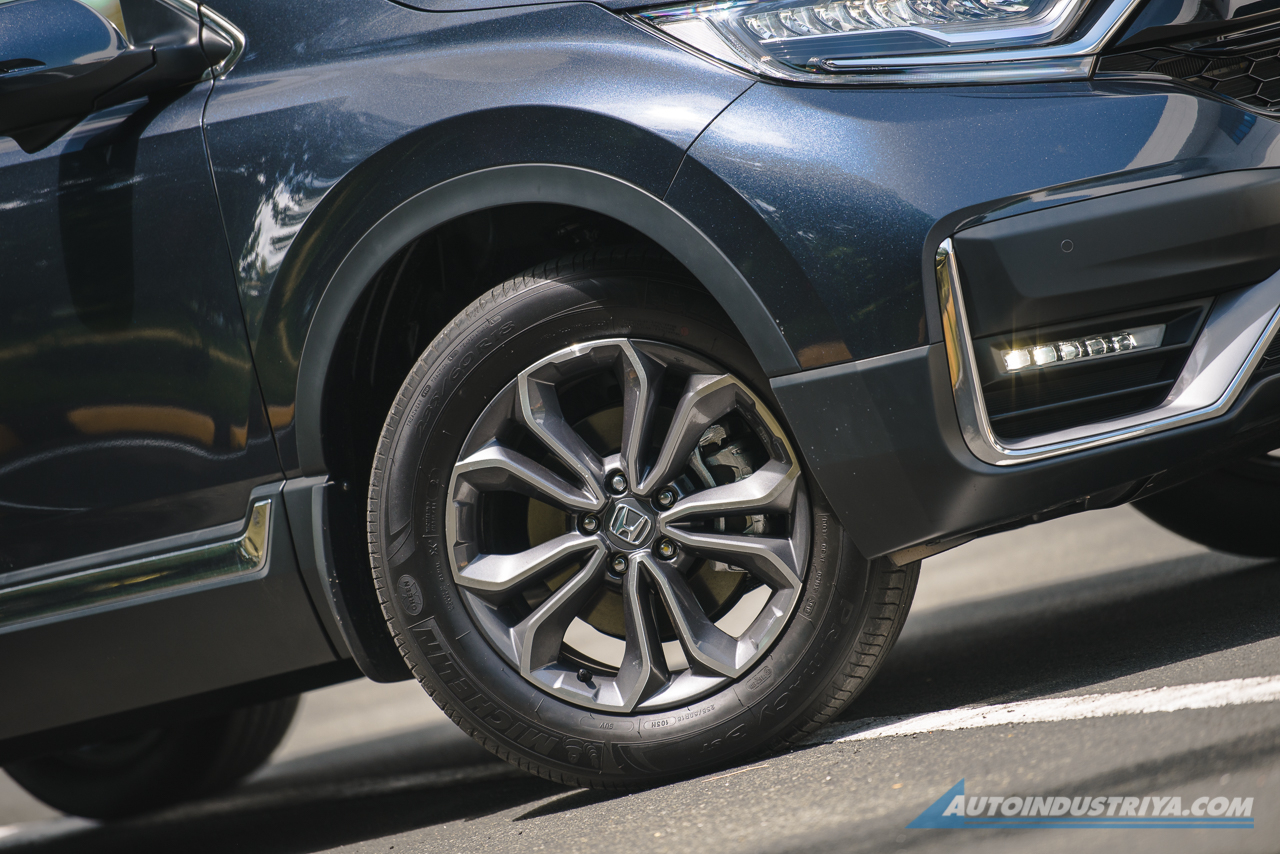
Driving the CR-V in varying conditions, I can say that it handles itself confidently. That is a characteristic of Honda, a brand long associated with compact cars with good road-holding abilities. That confident handling is matched with on-road comfort that absorbs bumps and ruts on the road without much effort. NVH seems to have been improved slightly over the pre-facelift version, but only very slightly.
In terms of safety, Honda Sensing is carried over. The ADAS (Advanced Driver Assistance System) gives active cruise control (ACC), low speed follow (LSF), collision mitigation braking system (CMBS), lane keep assistance system (LKAS), road departure mitigation (RDM), front collision warning (FCW), and lane departure warning (LDW). While it may seem like an alphabet soup of safety marketing, they really do make driving a lot easier and should give newer drivers that extra set of "senses".
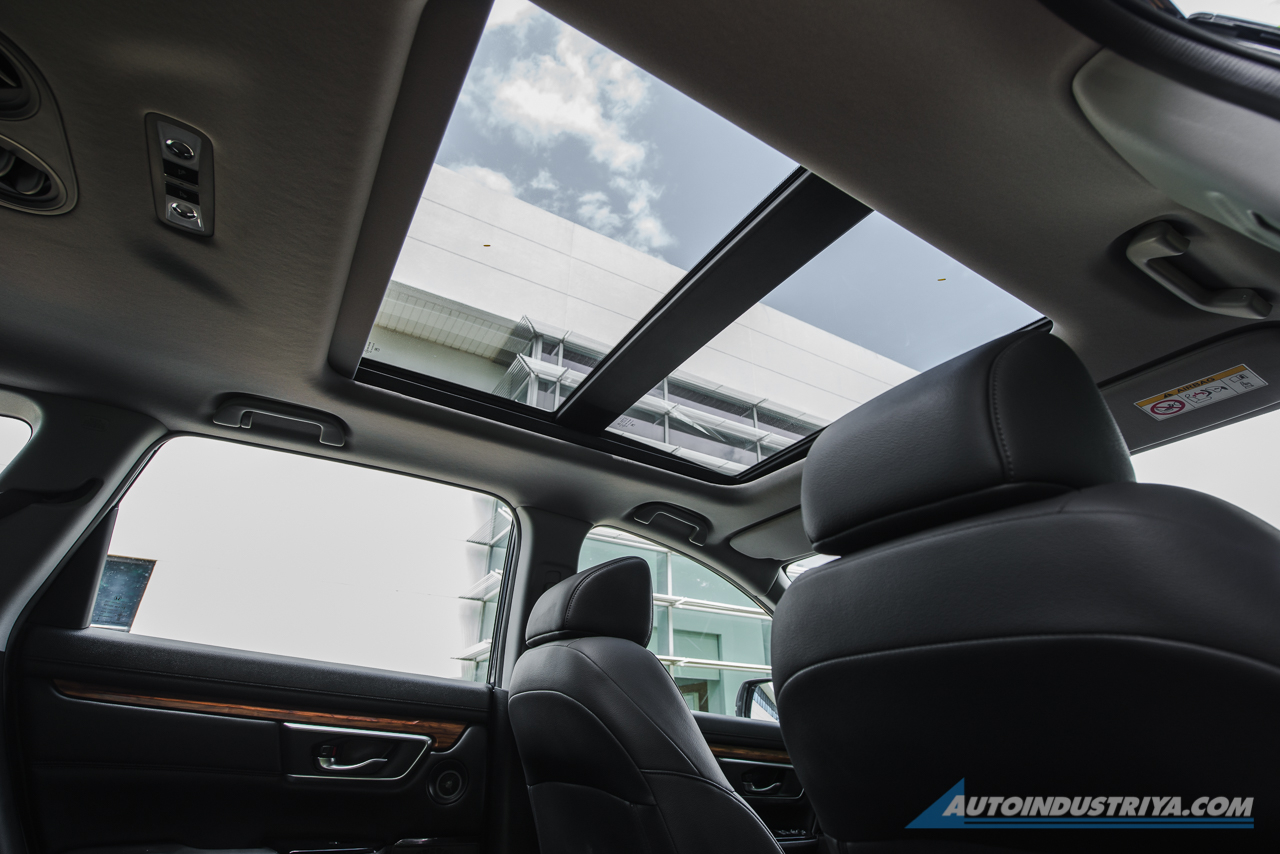
Honda's philosophy with this new CR-V is simple: if it ain't broke, don't try to fix it. But I feel that it was a lazy move for them to think that way. This vehicle retails at over 2.1 million pesos, and that price puts it far above many new entries in the crossover market. More importantly, it's going to be difficult to justify against far more capable SUVs built on pick-up platforms unless you're really a fan of the CR-V.
20 photos
Related Posts
2026 Mazda BT-50 4x2 AT
At PHP 1.6 million, the Mazda BT-50 4x2 A/T is quite the bargain for a family workhorse
2026 Ford Mustang Mach-E Premium AWD BEV
Ford took a while to launch the Mach-E. Was the wait worth it for this Mustang-branded BEV?
2026 Isuzu mu-X 3.0L LS-E 4x4 AT
At PHP 2.67M, is the top-of-the-line Isuzu mu-X 3.0 LS-E 4x4 still worth it for the SUV-savvy crowd?
2026 Hyundai Stargazer X 1.5L Premium
The 2026 Hyundai Stargazer X Premium deserves more attention
2026 Jetour T1 Lightning i-DM 1.5T PHEV FWD
The Jetour T1 really won us over last year. Can this PHEV win over you too?
2026 Suzuki Fronx SGX 1.5L AT MHEV
The Suzuki Fronx is positioned at a slightly higher price point for the segment but comes with paddle shifters, advanced safety features, and a more upscale, well-finished interior